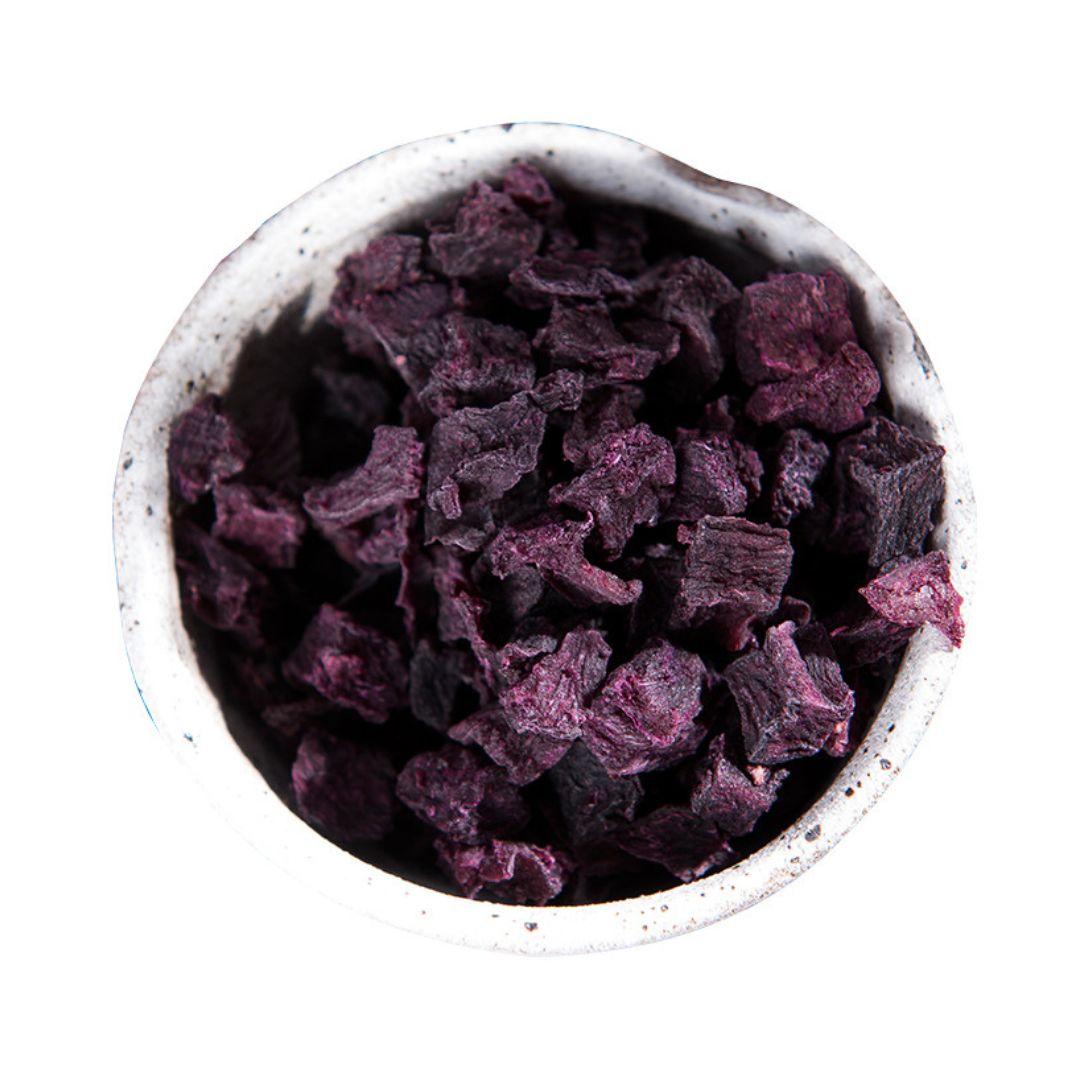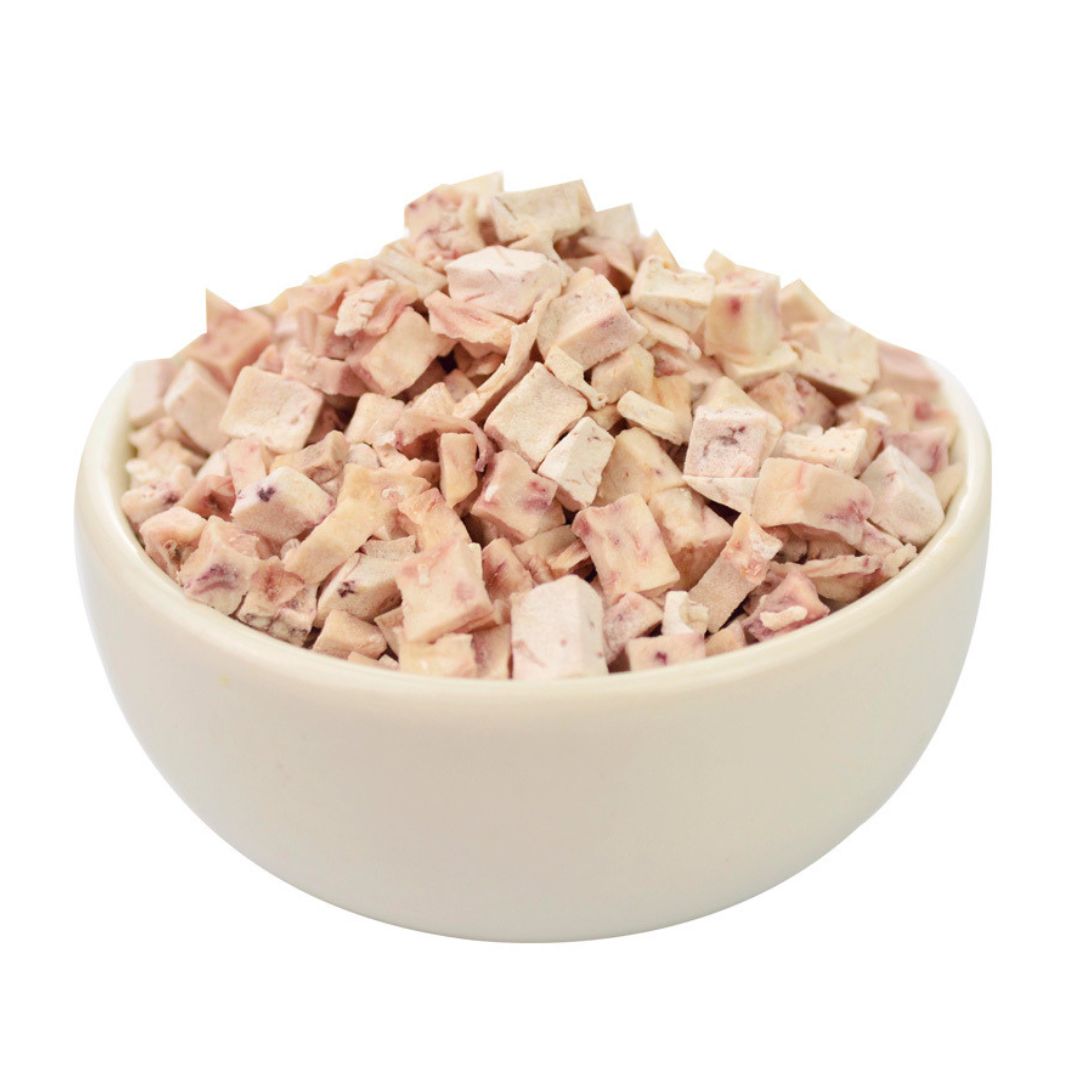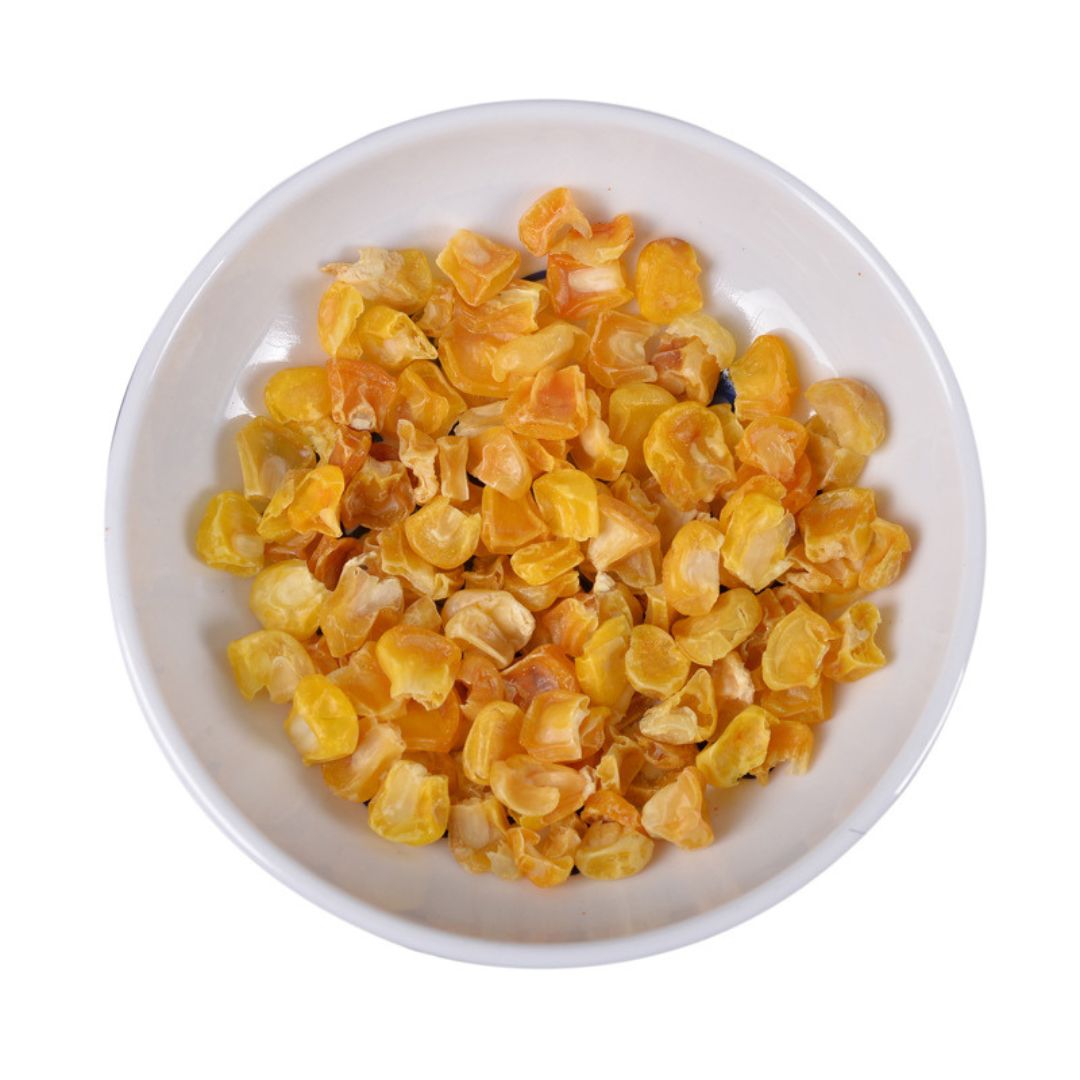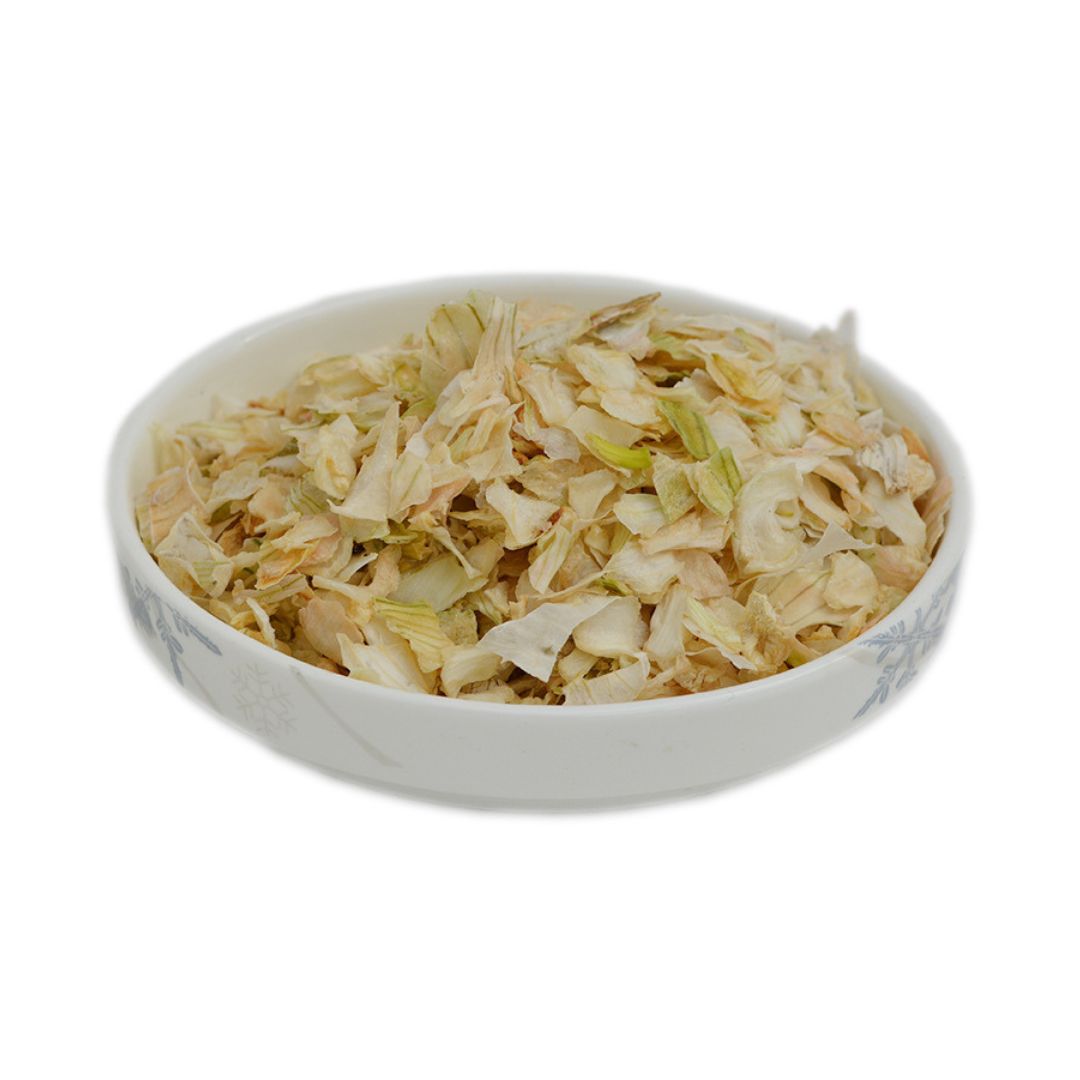


Product Introduction
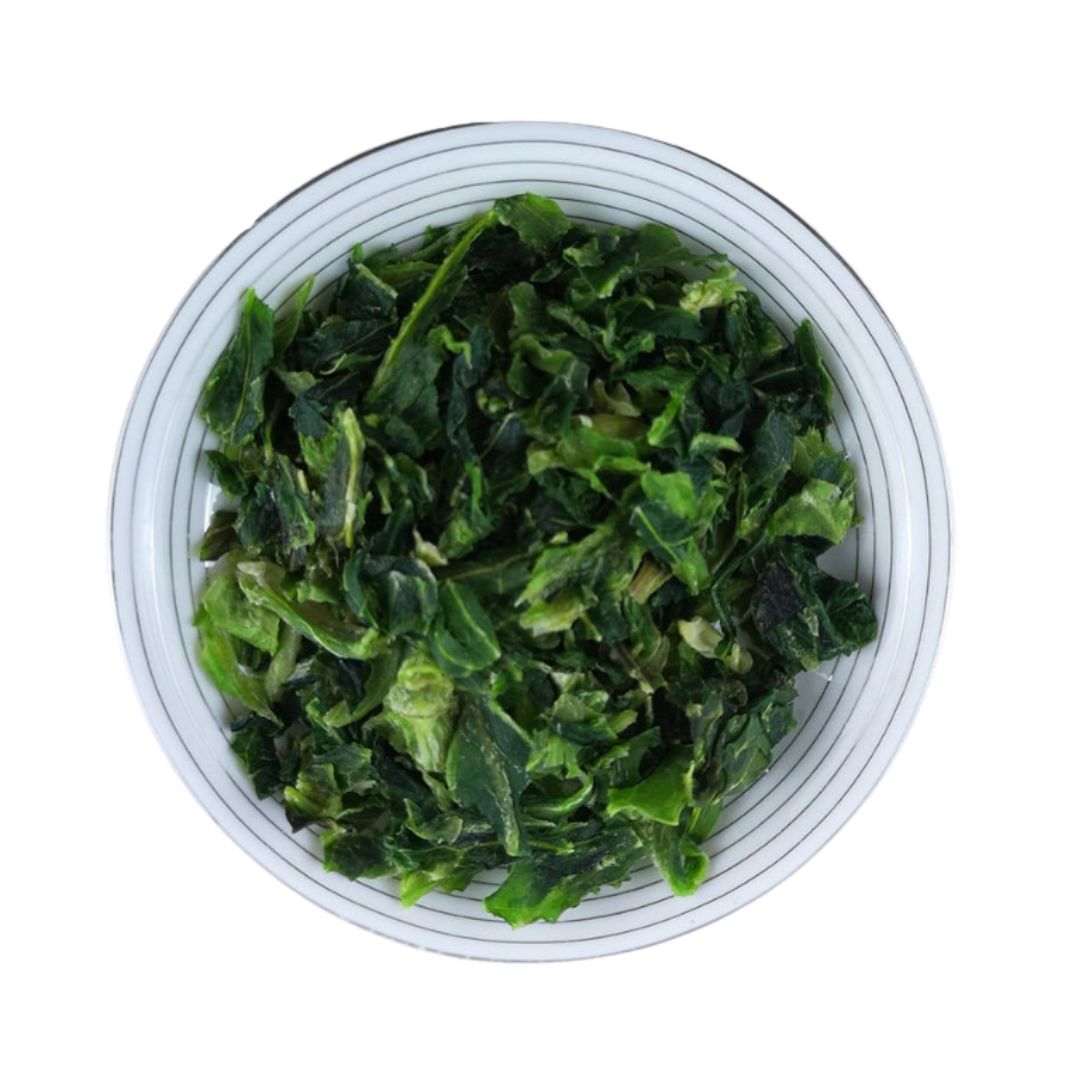
Dehydrated kale leaves are a convenient and shelf-stable form of fresh kale, offering versatility, and retaining many of the nutritional benefits of the fresh vegetable. Kale is a leafy green vegetable known for its high concentration of vitamins, minerals, and antioxidants [1]. The dehydration process removes moisture, concentrating the nutrients and extending the shelf life. This makes dehydrated kale a practical option for food manufacturers, chefs, and home cooks looking to incorporate the nutritional power of kale into various dishes without the concerns of spoilage associated with fresh produce.
Production Process
The production of dehydrated kale leaves typically involves several key steps, to ensure high-quality final product. First, fresh kale leaves are harvested, thoroughly washed, and inspected to remove any damaged or discolored leaves. The kale leaves are then cut or chopped into smaller pieces to facilitate efficient and even drying. Next, the prepared kale is spread in a thin layer on trays or belts and placed into a drying unit.
Several drying methods can be employed, including air drying, freeze-drying, and vacuum drying [2]. Air drying involves circulating warm air over the kale leaves until the moisture content is reduced to a specified level. Freeze-drying, also known as lyophilization, involves freezing the kale and then subjecting it to a vacuum to remove the ice crystals through sublimation, this method preserves more of the kale's original color, flavor, and nutrients. Vacuum drying involves drying the kale under reduced pressure, which lowers the boiling point of water and facilitates faster drying at lower temperatures. After drying, the kale leaves are inspected, sorted, and packaged to maintain product integrity.
Product Applications
Dehydrated kale leaves have found diverse applications across the food industry due to their ease of use and nutritional profile. In the snack food sector, dehydrated kale is often used to produce kale chips, a healthy alternative to traditional potato chips. These chips are typically seasoned with salt, spices, or other flavorings to enhance their palatability [3]. Dehydrated kale can be easily rehydrated and added to soups, stews, casseroles, and frittatas, providing a nutritional boost.
Furthermore, dehydrated kale is used as an ingredient in various processed foods, such as vegetable blends, instant noodle products, and health supplements. Its concentrated nutrient content makes it ideal for fortifying these products. The food service industry utilizes dehydrated kale for its convenience and long shelf life, it ensures a consistent supply of kale, regardless of seasonal availability. Lastly, dehydrated kale can be ground into a powder and used as a natural food coloring or as a nutritional supplement in smoothies and other beverages [4].
Packaging and Storage
Proper packaging and storage are critical to maintaining the quality and extending the shelf life of dehydrated kale leaves. The primary goal of packaging is to protect the product from moisture, oxygen, light, and physical damage, any of these factor can degrade the kale's quality [5]. Dehydrated kale is commonly packaged in airtight, moisture-proof containers such as resealable bags, jars, or sealed plastic containers. The packaging material should also be opaque or include a UV protectant to prevent light-induced degradation of the kale's color and nutrients.
To further extend the shelf life, vacuum packaging or nitrogen flushing can be used to remove oxygen from the package, thereby slowing down oxidation and maintaining product freshness. Storage conditions should be cool, dry, and away from direct sunlight, ideal storage temperatures range from 4°C to 22°C (40°F to 72°F) [6]. High humidity can cause the dehydrated kale to reabsorb moisture, leading to clumping, spoilage, and a reduced shelf life. It is also advisable to store dehydrated kale away from strong odors, as it can absorb these odors and affect its flavor.
Citations:
[1] https://www.ncbi.nlm.nih.gov/pmc/articles/PMC4997415/
[2] https://www.sciencedirect.com/topics/agricultural-and-biological-sciences/dehydration
[3] https://www.mdpi.com/2304-8158/12/5/953
[4] https://www.tandfonline.com/doi/full/10.1080/10408398.2021.1952889
[5] https://www.ift.org/news-and-publications/food-technology-magazine/features/2013/july/packaging-for-dehydrated-foods
[6] https://www.usaemergencysupply.com/information-center/food-storage/food-storage-how-to-store-dehydrated-foods

As a sales manager, I’m here to make sure you get exactly what you need for your dietary supplements. From sourcing to delivery, I’m always by your side, ensuring smooth and friendly service. Let’s make your products even better! 🥰🌿