Product Introduction
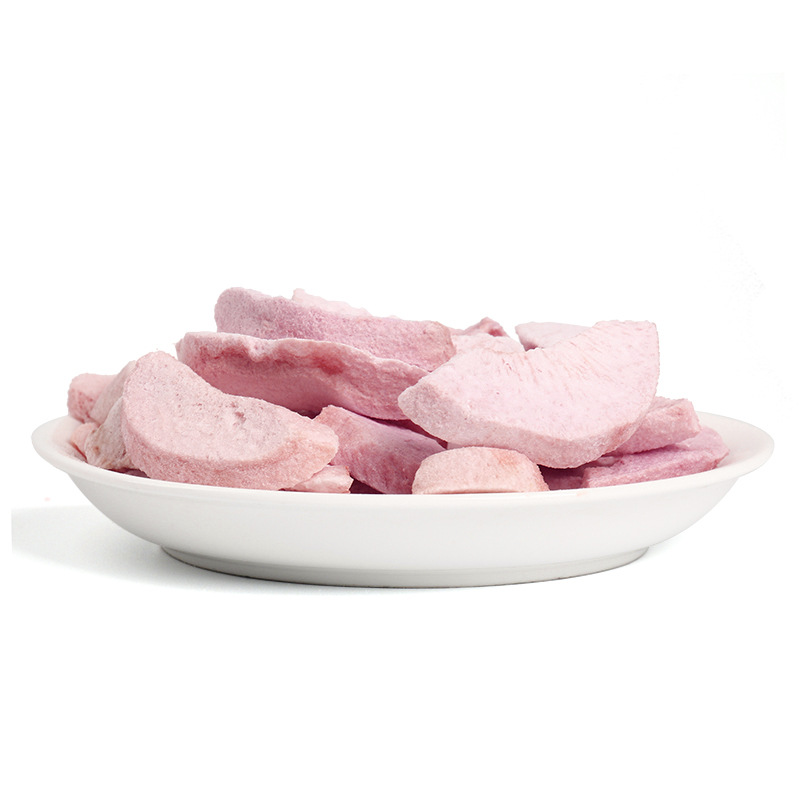
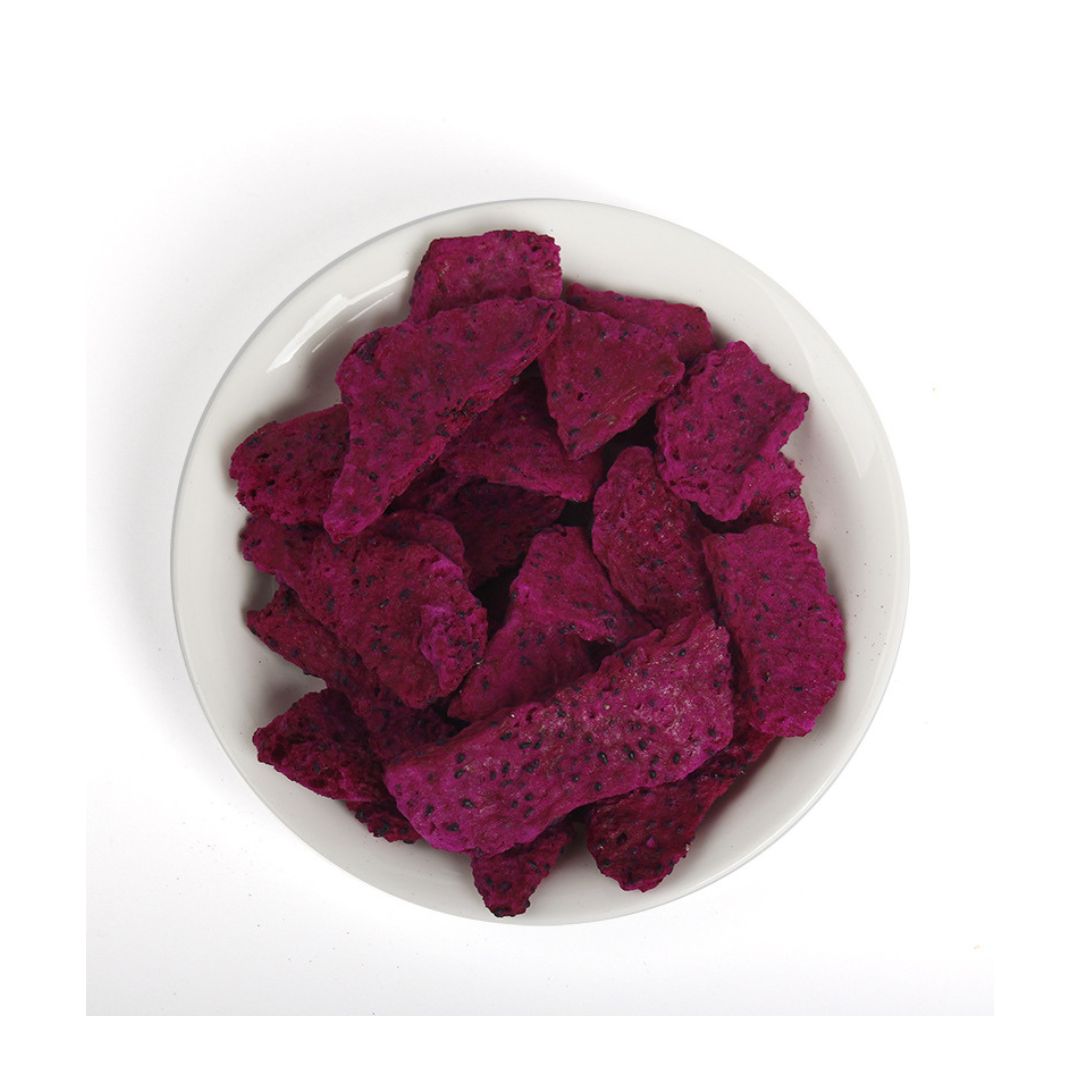
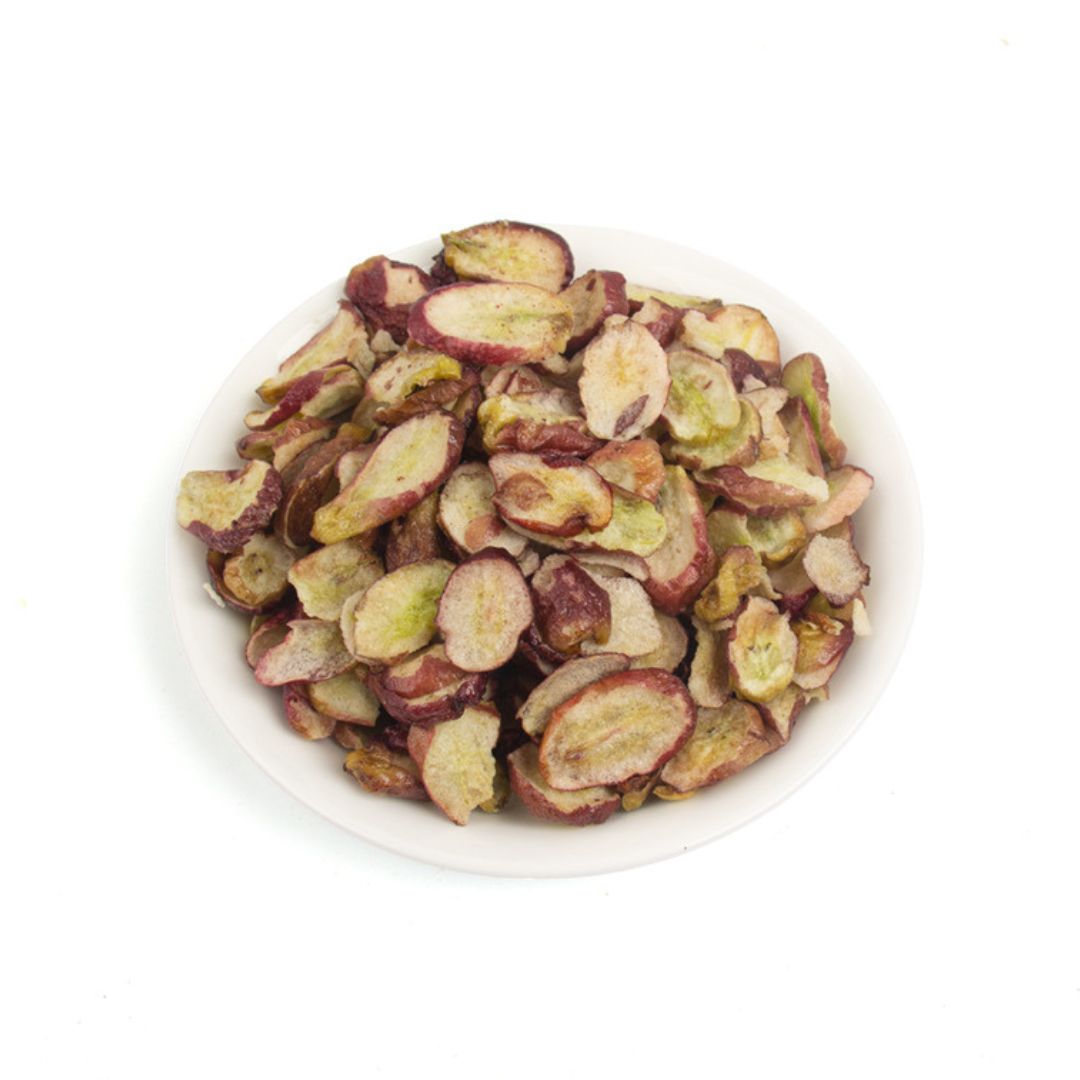
Freeze-dried blackberries are made by removing water from fresh blackberries through a freeze-drying process, which preserves their natural flavor, color, and nutrients. This process involves freezing the blackberries and then subjecting them to a vacuum to remove the ice crystals through sublimation. The result is a lightweight, shelf-stable product that retains most of the qualities of fresh blackberries.
Production Process
The production of freeze-dried blackberries involves several steps:
- Selection and Preparation: Fresh, ripe blackberries are selected and cleaned.
- Freezing: The blackberries are rapidly frozen to a very low temperature.
- Freeze-Drying: The frozen blackberries are placed in a vacuum chamber, where the water turns into vapor and is removed.
- Packaging: The freeze-dried blackberries are packaged in airtight containers to prevent moisture reabsorption.
Nutritional Composition Table
(Approximate values per 100g of freeze-dried blackberries)
| Nutrient | Amount |
|---|---|
| Calories | 329 |
| Carbohydrates | 72g |
| Dietary Fiber | 25g |
| Sugars | 30g |
| Protein | 10g |
| Vitamin C | 35mg |
| Vitamin K | 30mcg |
| Manganese | 3mg |
| Antioxidants | High |
| (Source: USDA FoodData Central) |
Product Benefits and Functions
Freeze-dried blackberries retain many of the health benefits of fresh blackberries. They are a good source of dietary fiber, which supports digestive health and helps regulate blood sugar levels [1]. Blackberries are also rich in antioxidants, such as anthocyanins, which help protect the body against oxidative stress and inflammation [2]. The vitamin C content supports immune function, while vitamin K contributes to bone health.
Product Application Scenarios
Freeze-dried blackberries can be used in a variety of applications:
- Snacks: Eaten directly as a healthy snack.
- Baking: Added to muffins, cakes, and other baked goods.
- Smoothies: Blended into smoothies for added flavor and nutrition.
- Cereals: Sprinkled on top of breakfast cereals or oatmeal.
- Trail Mixes: Mixed with nuts and seeds for a nutritious trail mix.
Botanical Source
Blackberries belong to the Rubus genus of plants. The most common species is Rubus fruticosus. Blackberries are native to Europe and North America. They are known for their thorny bushes and compound fruits, which are aggregate drupes [3].
Packaging and Storage
Freeze-dried blackberries should be packaged in airtight, moisture-proof containers to maintain their quality and prevent rehydration. They should be stored in a cool, dry place away from direct sunlight. Proper storage can extend their shelf life, preserving their flavor, color, and nutritional value.
Citations
[1] Anderson, J. W., et al. "Health implications of dietary fiber." Nutrition Reviews 56.1 (1998): 1-18.
[2] Prior, R. L., et al. "Antioxidant capacity as influenced by total phenolic and anthocyanin content, maturity, and variety of Vaccinium species." Journal of Agricultural and Food Chemistry 46.7 (1998): 2686-2693.
[3] USDA, NRCS. 2021. The PLANTS Database. National Plant Data Team, Greensboro, NC 27401-4901 USA. Retrieved from https://plants.sc.egov.usda.gov/

As a sales manager, I’m here to make sure you get exactly what you need for your dietary supplements. From sourcing to delivery, I’m always by your side, ensuring smooth and friendly service. Let’s make your products even better! 🥰🌿