Product Introduction
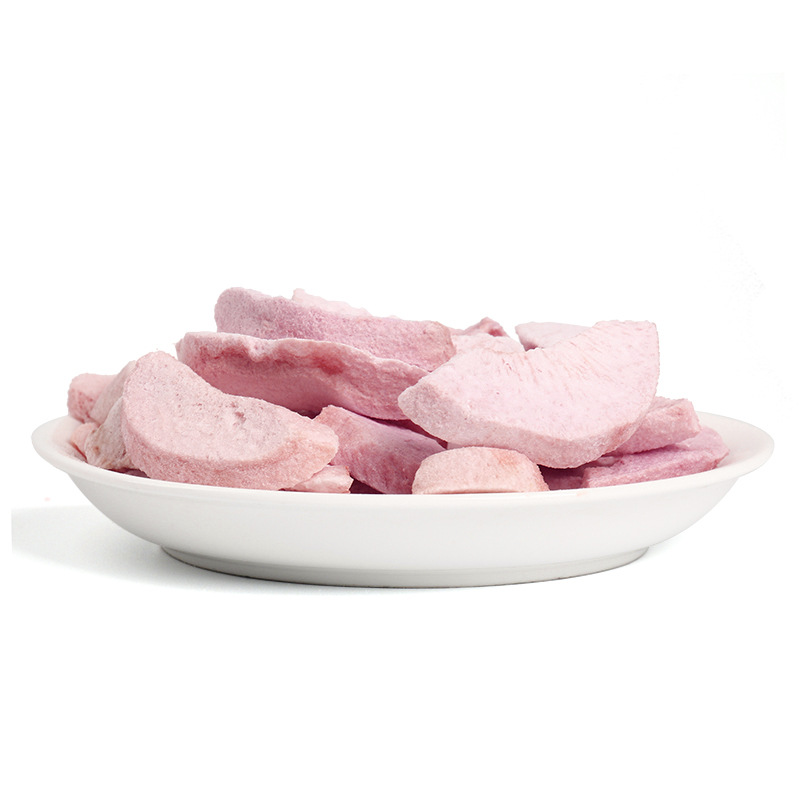
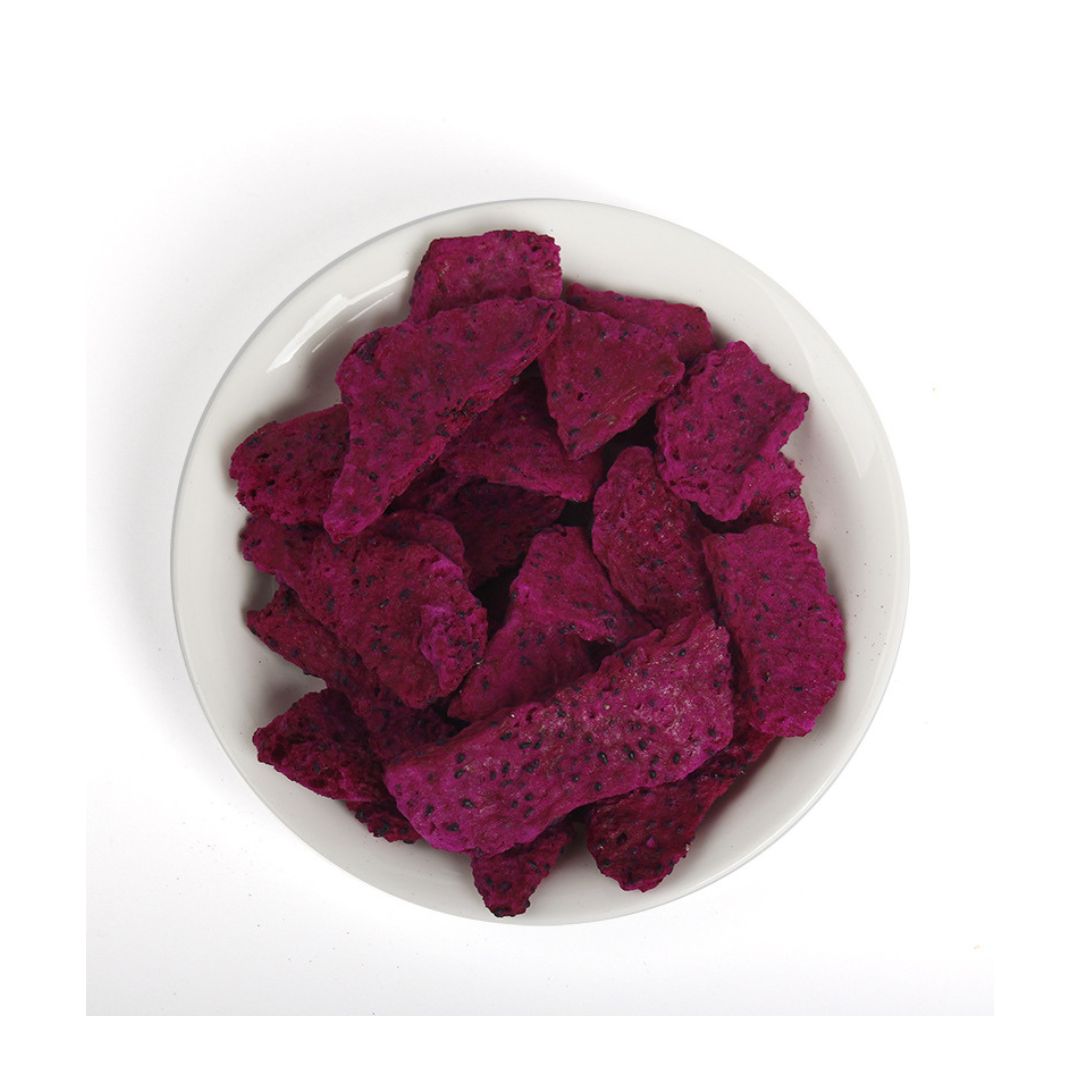
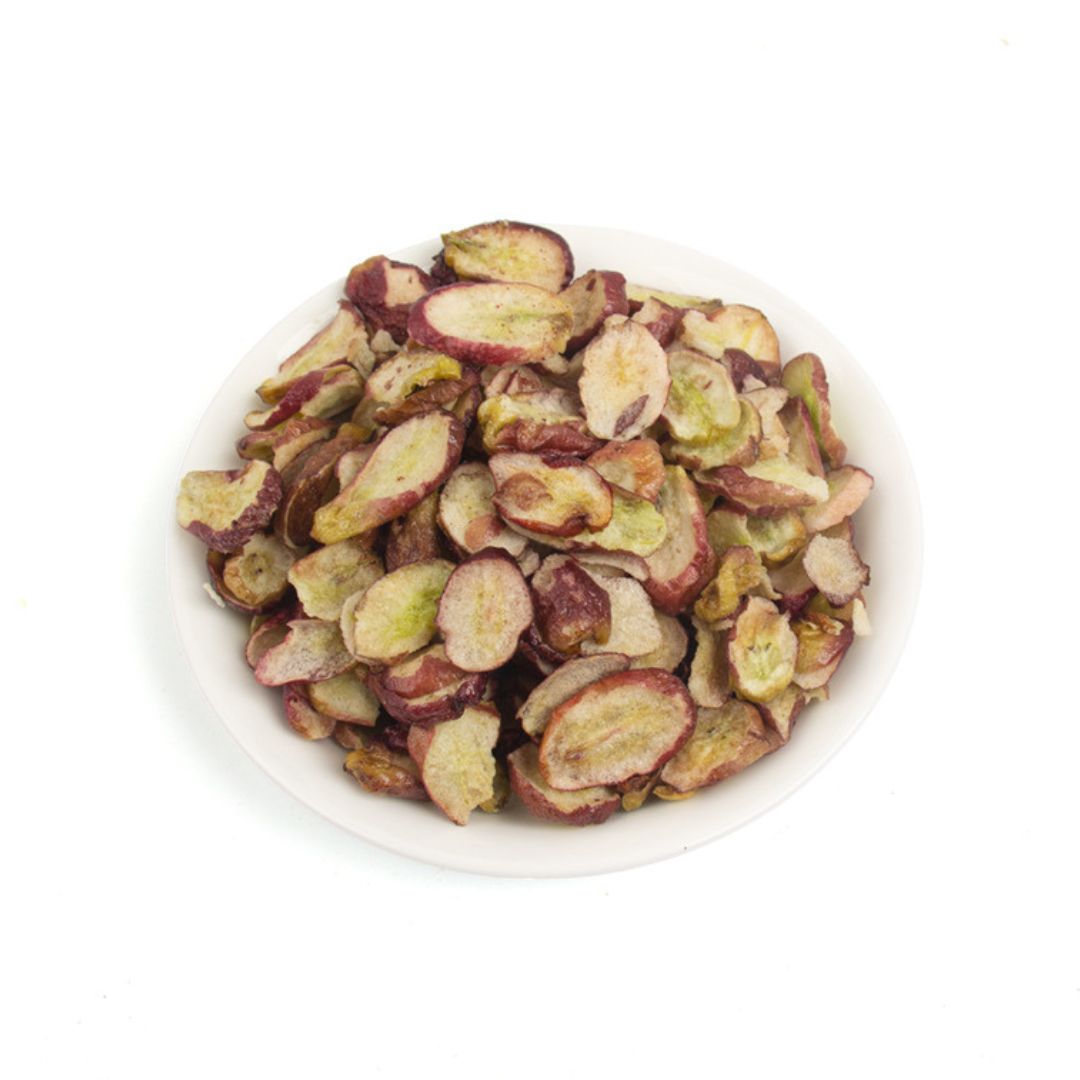
Freeze-dried sugared bayberry is made from fresh bayberries that undergo a freeze-drying process after being sugared. Freeze-drying, also known as lyophilization, removes moisture from the fruit, concentrating its natural flavors and nutrients. The addition of sugar enhances the sweetness, making it a palatable snack. This process results in a product with an extended shelf life while preserving the fruit’s beneficial compounds. The final product provides a convenient way to enjoy the taste of bayberries year-round.
Production Process
The production process begins with selecting high-quality, ripe bayberries. These fruits are then washed and sorted to remove any damaged or unripe berries. Next, the bayberries are coated with sugar, allowing it to permeate the fruit. The sugared bayberries are then placed in a freeze-drying chamber, where they are frozen and subjected to a vacuum. This process removes the water content through sublimation, converting the ice directly into vapor. Finally, the freeze-dried sugared bayberries are packaged to maintain their dryness and freshness.
Nutritional Composition Table
Note: Nutritional values are approximate and can vary based on specific product and serving size.
| Nutrient | Amount per 100g |
|---|---|
| Calories | 350 kcal |
| Carbohydrates | 85g |
| Dietary Fiber | 5g |
| Sugars | 70g |
| Protein | 2g |
| Fat | 1g |
| Vitamin C | 30mg |
| Antioxidants | Varies |
Product Benefits and Functions
Freeze-dried sugared bayberries offer several health benefits, primarily due to their high vitamin C and antioxidant content. Vitamin C is known to support the immune system, helping the body fight off infections and illnesses [1]. Antioxidants help protect cells from damage caused by free radicals, reducing the risk of chronic diseases [2]. The fiber content aids in digestion and promotes gut health. The concentrated sugars provide a quick energy source, making it a suitable snack for active individuals.
Product Application Scenarios
These freeze-dried sugared bayberries are versatile and can be used in various applications. They can be enjoyed straight from the package as a snack, offering a sweet and slightly tangy flavor. They make an excellent addition to trail mixes, providing a fruity and chewy element. These bayberries can also be used as a topping for yogurt, ice cream, or oatmeal, adding both flavor and nutritional value. Bakers can incorporate them into muffins, cakes, or cookies for a unique twist. They can also be added to hot or cold beverages for a fruity infusion.
Botanical Source
Bayberries, also known as Myrica rubra, are native to East Asia, particularly China, Japan, and Korea [3]. The tree is a subtropical evergreen that produces small, round, red fruits. These fruits are known for their sweet and tart flavor, making them popular for fresh consumption and processing into various products. The Myrica rubra tree thrives in warm climates with well-drained soil. The fruit is typically harvested in the late spring and early summer when it reaches its peak ripeness.
Packaging and Storage
Freeze-dried sugared bayberries are typically packaged in airtight, resealable bags to protect them from moisture and air. Proper packaging helps maintain the product's crispness, flavor, and nutritional value. It is recommended to store the product in a cool, dry place, away from direct sunlight. Once opened, the bag should be resealed tightly to prevent the bayberries from becoming sticky or losing their texture. If stored correctly, freeze-dried sugared bayberries can have a shelf life of up to 12-18 months.
Citations
[1] National Institutes of Health. (n.d.). Vitamin C. Retrieved from https://ods.od.nih.gov/factsheets/VitaminC-Consumer/
[2] Lobo, V., Patil, A., Phatak, A., & Chandra, N. (2010). Free radicals, antioxidants and functional foods: Impact on human health. Pharmacognosy Reviews, 4(8), 118–126.
[3] Gao, Z. S., & Zhou, J. (2016). Myrica rubra (bayberry). In Compendium of Chinese Materia Medica (pp. 687-692). Springer, Berlin, Heidelberg.

As a sales manager, I’m here to make sure you get exactly what you need for your dietary supplements. From sourcing to delivery, I’m always by your side, ensuring smooth and friendly service. Let’s make your products even better! 🥰🌿