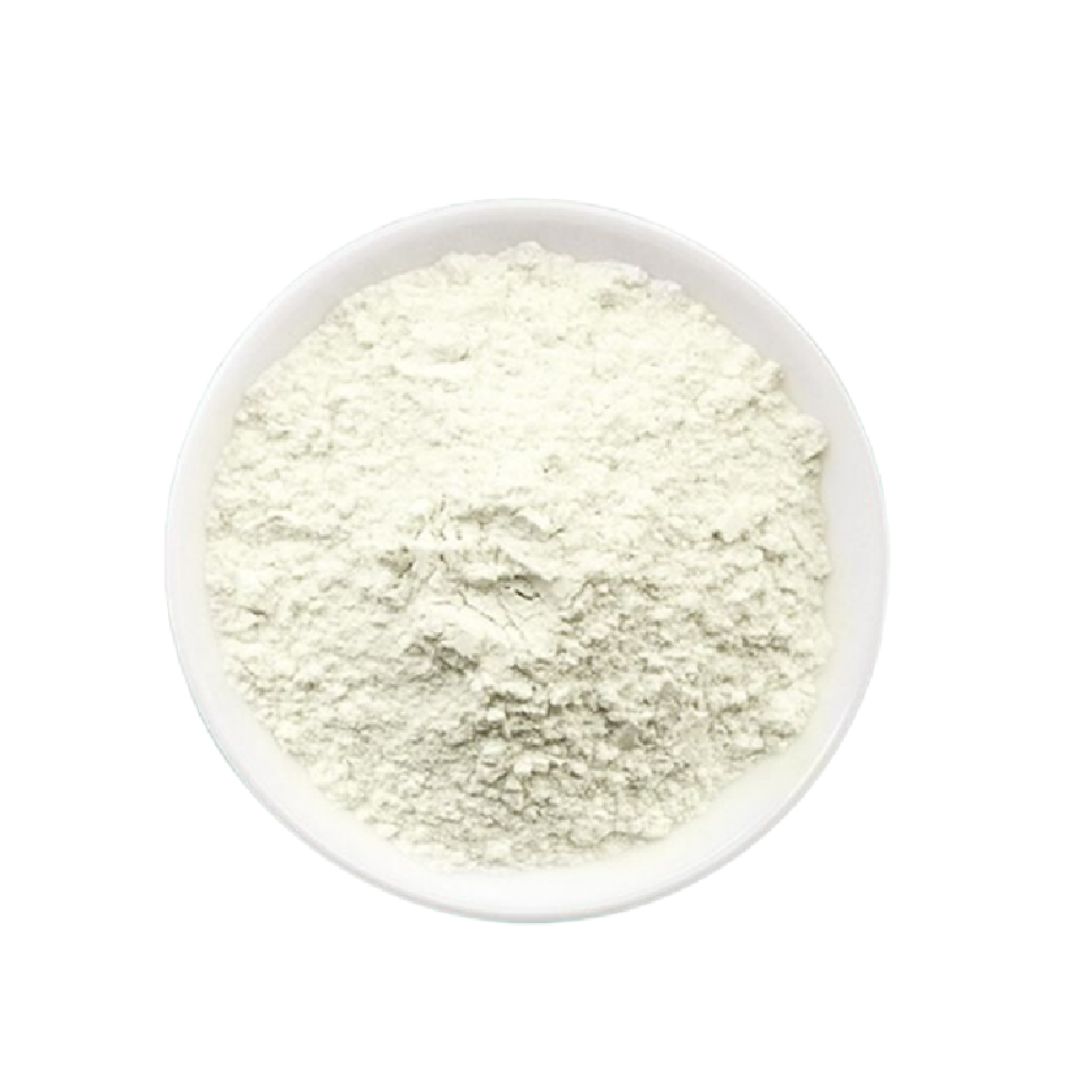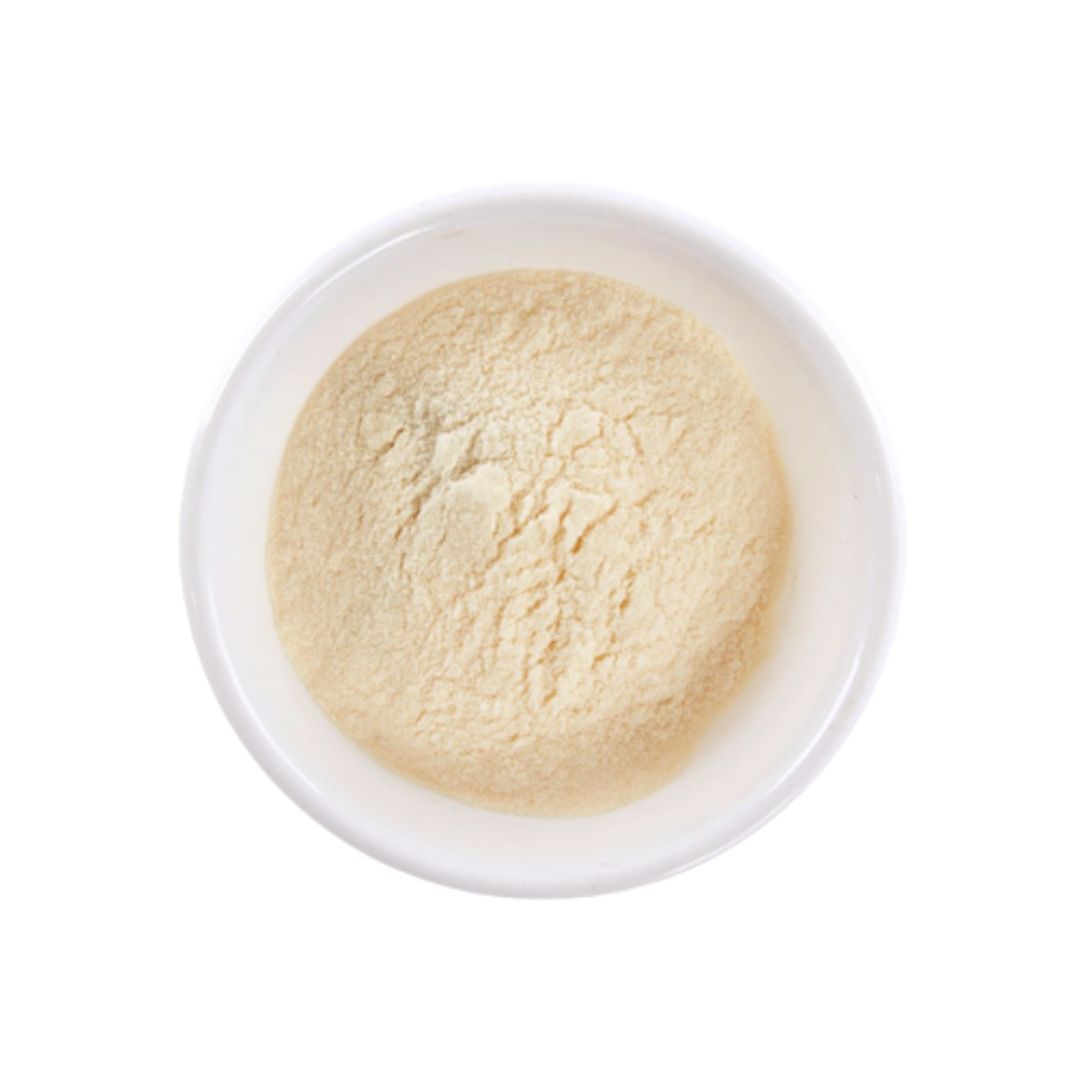


Product Introduction
Freeze-dried pineapple powder is a dehydrated product derived from fresh pineapples, offering a convenient way to incorporate the fruit’s nutritional benefits into various applications. The powder retains much of the original fruit's flavor, aroma, and nutrients, making it a versatile ingredient for food, beverage, and supplement industries. It avoids the need for fresh produce, reduces waste, and extends shelf life, all while maintaining quality attributes [1].
Production Process
The production of freeze-dried pineapple powder involves several key steps:
- Selection and Preparation: Fresh, ripe pineapples are carefully selected, washed, and prepared for processing. The skin and core are removed, and the remaining fruit is sliced or diced [2].
- Freezing: The prepared pineapple pieces are rapidly frozen. This quick freezing process helps to preserve the fruit’s cellular structure and prevent the formation of large ice crystals that can damage the product [3].
- Freeze-Drying (Lyophilization): The frozen pineapple is then placed in a freeze-drying chamber. Here, a vacuum is applied, and the frozen water in the fruit is sublimated, meaning it transitions directly from a solid state (ice) to a gaseous state (vapor) without melting. This process removes most of the moisture content [4].
- Grinding: After freeze-drying, the pineapple pieces are ground into a fine powder. This powder is then sifted to ensure a consistent particle size [5].
- Packaging: The resulting powder is packaged in airtight containers to prevent moisture absorption and maintain its quality during storage [6].
Nutritional Composition Table
The nutritional composition of freeze-dried pineapple powder can vary slightly based on the specific pineapple variety and processing methods; however, a general overview is as follows per 100 grams:
| Nutrient | Amount (approximate) |
|---|---|
| Calories | 350-380 kcal |
| Carbohydrates | 80-90 g |
| Fiber | 10-15 g |
| Sugars | 60-70 g |
| Protein | 3-5 g |
| Fat | 1-2 g |
| Vitamin C | 50-70 mg |
| Manganese | 3-5 mg |
| Bromelain | Varies |
Product Benefits and Functions
Freeze-dried pineapple powder offers several potential health benefits:
- Immune Support: The high vitamin C content in pineapple powder helps to boost the immune system, protecting the body against infections and illnesses [7].
- Digestive Aid: Bromelain, an enzyme found in pineapples, aids in the digestion of proteins, reducing bloating and improving gut health, according to studies [8].
- Anti-Inflammatory Properties: Bromelain also possesses anti-inflammatory properties, which can help reduce inflammation and pain associated with conditions like arthritis [9].
- Antioxidant Effects: Pineapple powder contains antioxidants that combat free radicals, protecting cells from damage and reducing the risk of chronic diseases [10].
- Fiber Source: The dietary fiber in pineapple powder promotes healthy digestion, prevents constipation, and helps maintain stable blood sugar levels [11].
Product Application Scenarios
Freeze-dried pineapple powder can be used in a variety of applications:
- Smoothies and Beverages: It can be added to smoothies, juices, and other beverages for a tropical flavor and nutritional boost [12].
- Baking: It can be incorporated into baked goods such as cakes, muffins, and cookies to enhance flavor and add nutrients [13].
- Desserts: It can be sprinkled on desserts, mixed into yogurt, or used as a topping for ice cream [14].
- Snack Foods: It can be used in energy bars, fruit snacks, and other snack foods [15].
- Dietary Supplements: It can be encapsulated or used in powdered supplements to provide concentrated nutrients and enzymes [16].
Botanical Source
Pineapple (Ananas comosus) is a tropical plant with edible fruit and is the most economically significant plant in the family Bromeliaceae. It is native to South America, believed to have originated in the region between southern Brazil and Paraguay [17]. The plant features a short, stocky stem with tough, waxy leaves. The pineapple fruit is a multiple fruit, formed from the fusion of individual fruit-producing flowers [18].
Packaging and Storage
Proper packaging and storage are essential to maintaining the quality of freeze-dried pineapple powder:
- Packaging: The powder should be packaged in airtight, moisture-proof containers, such as sealed bags or jars, to prevent moisture absorption and maintain its dryness [19].
- Storage Conditions: The product should be stored in a cool, dry place away from direct sunlight and heat. Recommended storage temperatures are between 4°C and 22°C (39°F and 72°F). Avoid exposure to high humidity [20].
- Shelf Life: When stored properly, freeze-dried pineapple powder can have a shelf life of up to 12-24 months. Check the packaging for specific expiration dates [21].
Citations:
[1] Ratti, M. (2001). Hot air and freeze-drying of high-value foods: a review. Journal of Food Engineering, 49(4), 311-319.
[2] Heldman, D. R., & Singh, R. P. (2013). Food process engineering. Springer Science & Business Media.
[3] Fellows, P. J. (2009). Food processing technology: principles and practice. Woodhead Publishing.
[4] Ciurzyńska, A., Lenart, A., & Falandysz, J. (2016). Freeze-drying—Application in food processing. Polish Journal of Food and Nutrition Sciences, 66(3).
[5] Mujumdar, A. S. (Ed.). (2006). Handbook of industrial drying. CRC press.
[6] Rahman, M. S. (Ed.). (2007). Food preservation by drying. CRC press.
[7] Pullar, J. M., Carr, A. C., & Vissers, M. (2018). The roles of vitamin C in immunity. Nutrients, 10(11), 1579.
[8] Pavan, R., Jain, S., Shraddha, S., & Kumar, A. (2012). Properties and therapeutic application of bromelain. Biotechnology research international, 2012.
[9] Onken, J. E., Dittmar, R., Anthoni, C., & Gröbner, G. (2008). Effect of bromelain on serum parameters and complaints in patients with painful osteoarthritis of the hip, knee, or shoulder. Advances in Therapy, 25(12), 1183-1193.
[10] Lobo, V., Patil, A., Phatak, A., & Chandra, N. (2010). Free radicals, antioxidants and functional foods: Impact on human health. Pharmacognosy reviews, 4(8), 118.
[11] Anderson, J. W., et al. "Health implications of dietary fiber." Nutrition Reviews 56.1 (1998): 1-18.
[12] Ribas-Agusti, A., et al. "Impact of smoothie consumption on dietary habits and lifestyle: a systematic review." Nutrients 11.8 (2019): 1895.
[13] Butt, M. S., & Tahir-Nadeem, M. (2010). Functional foods: trends and future. Critical Reviews in Food Science and Nutrition, 50(1), 1-25.
[14] Kapoor, S., Sachdeva, V., & Sharma, A. (2020). Probiotic dairy desserts: scope and challenges. Current Opinion in Food Science, 32, 58-63.
[15] Wallace, T. C. (2020). Snack foods: trends, nutritional impact, and marketing strategies. Journal of the American College of Nutrition, 39(1), 1-8.
[16] Patel, K. (2016). Dietary supplements: efficacy, safety and regulation. CRC press.
[17] Janick, J. (2005). Horticultural Reviews, Volume 31. John Wiley & Sons.
[18] Bartholomew, D. P., Paull, R. E., & Rohrbach, K. G. (2003). The pineapple: botany, production, and uses. CABI publishing.
[19] Marsh, K., & Bugusu, B. (2007). Food packaging—Roles, materials, and environmental issues. Journal of Food Science, 72(3), R39-R55.
[20] Kilcast, D., & Subramaniam, P. (2000). The stability and shelf-life of food. CRC press.
[21] Singh, T. P., et al. (2014). Effect of packaging and storage conditions on the shelf life of food products. Journal of Food Science and Technology, 51(1), 1-17.

As a sales manager, I’m here to make sure you get exactly what you need for your dietary supplements. From sourcing to delivery, I’m always by your side, ensuring smooth and friendly service. Let’s make your products even better! 🥰🌿