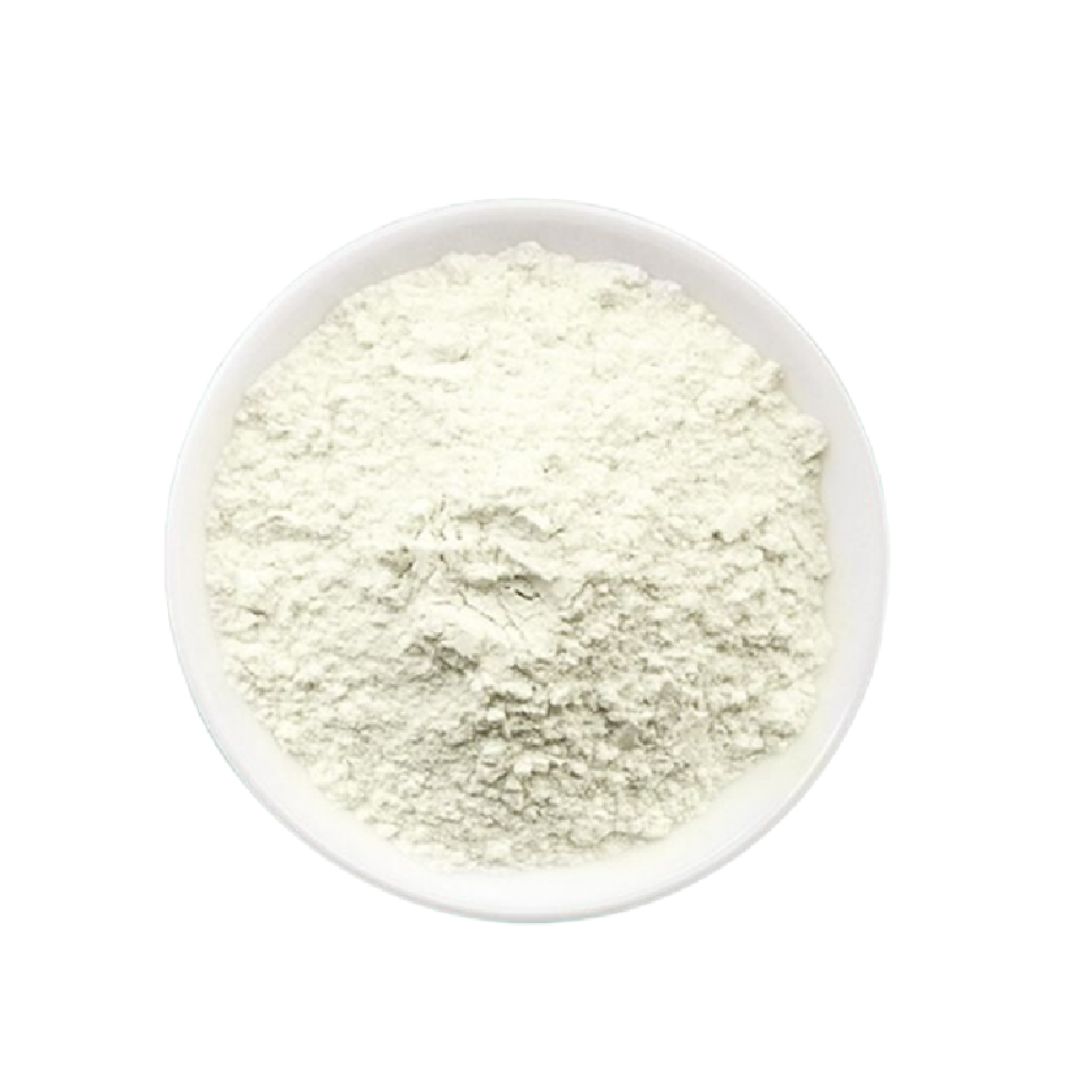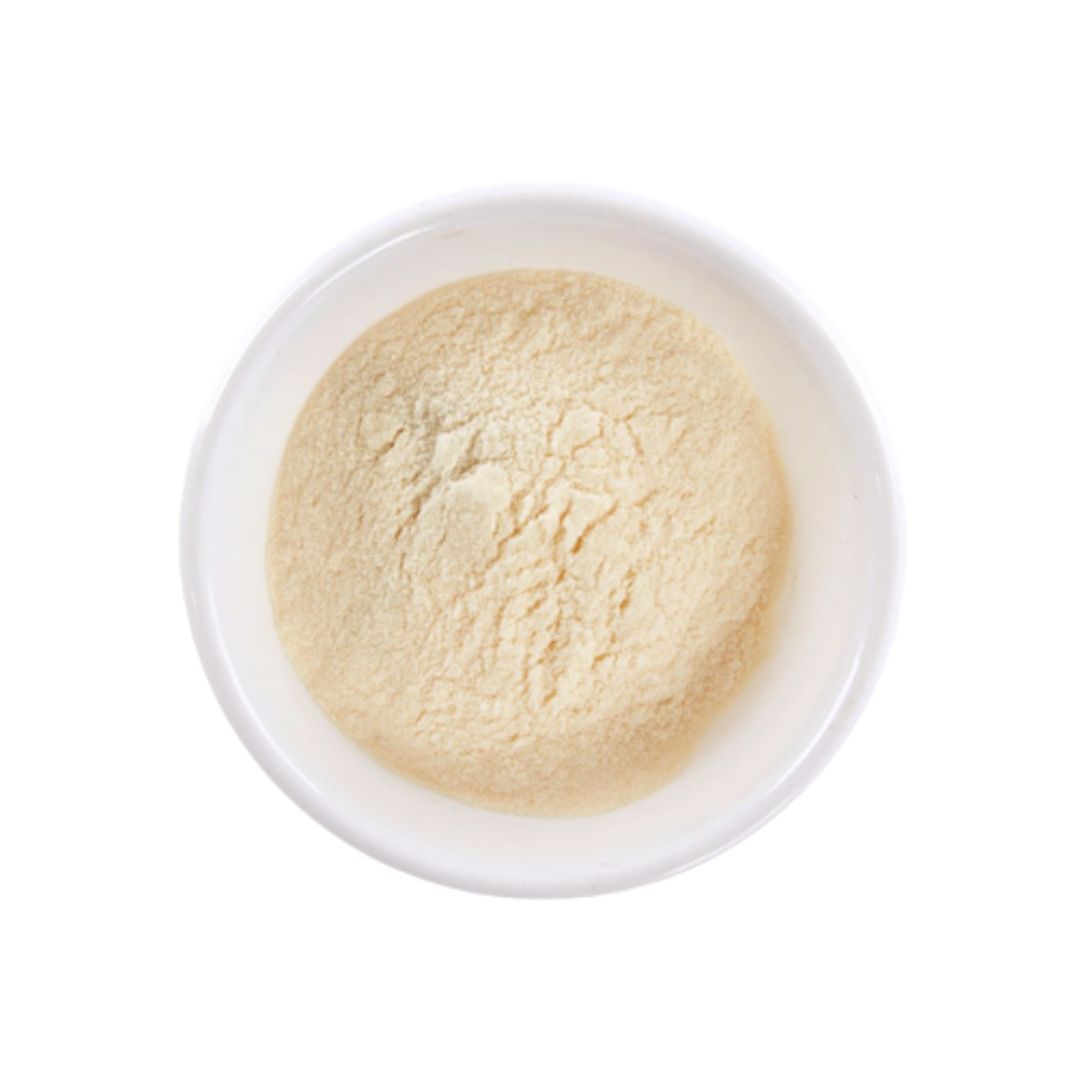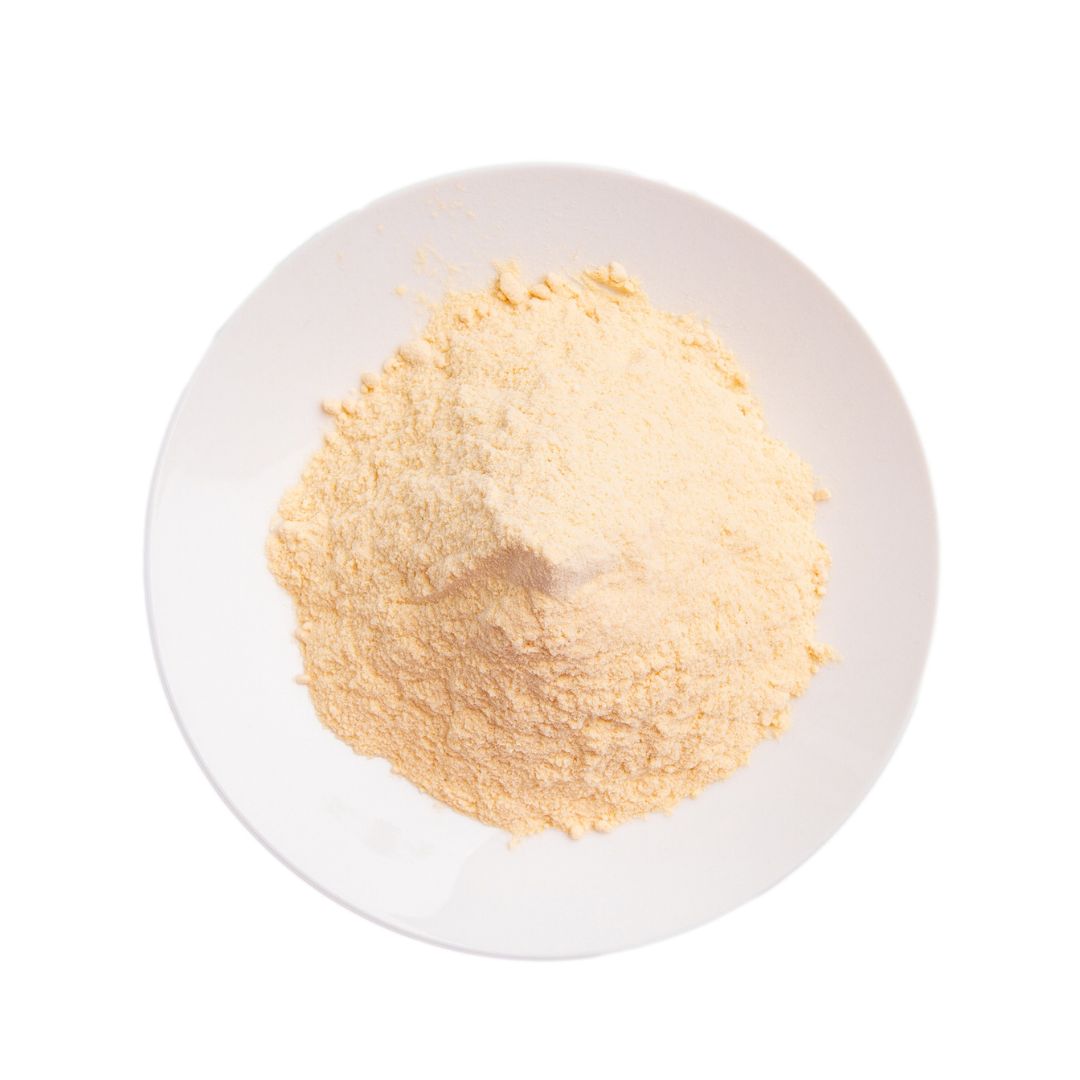


Product Introduction
Freeze-dried yellow peach powder is a natural product made from fresh yellow peaches that have been processed via freeze-drying technology. This process removes moisture while preserving the fruit’s natural flavor, color, and nutrients. The resulting powder can be easily incorporated into various food and beverage applications, offering a convenient way to enjoy the benefits of yellow peaches year-round. It retains the characteristic taste and aroma of fresh yellow peaches, providing a concentrated source of vitamins and antioxidants.
Production Process
The production of freeze-dried yellow peach powder involves several key steps. Initially, fresh, high-quality yellow peaches are selected, washed and then peeled to remove the skin. The peaches are then sliced or diced and rapidly frozen. The frozen peach pieces are then placed in a freeze-drying chamber, where a vacuum is applied. This process removes the ice crystals through sublimation, converting the ice directly into vapor and leaving behind the solid components of the peach. Finally, the freeze-dried peach pieces are milled into a fine powder, which is then packaged to protect against moisture and air. This ensures the preservation of the product’s quality and nutritional value.
Nutritional Composition Table
A typical nutritional profile for freeze-dried yellow peach powder is as follows (per 100g):
| Nutrient | Amount |
|---|---|
| Calories | 342 kcal |
| Carbohydrates | 84.2 g |
| Fiber | 10.2 g |
| Sugars | 68.7 g |
| Protein | 6.8 g |
| Fat | 1.1 g |
| Vitamin A | 833 IU |
| Vitamin C | 34 mg |
| Potassium | 850 mg |
Note: Nutritional values may slightly vary based on the specific variety of yellow peaches and processing methods.
Product Benefits and Functions
Freeze-dried yellow peach powder offers several health benefits due to its rich nutritional content. The high vitamin C content supports immune function and acts as an antioxidant, protecting the body against free radicals [1]. Vitamin A contributes to maintaining healthy vision and skin [2]. The dietary fiber in the powder aids in digestive health and can help regulate blood sugar levels [3]. Additionally, the potassium content supports heart health by helping to maintain normal blood pressure levels [4].
Product Application Scenarios
Freeze-dried yellow peach powder is versatile and can be used in a variety of applications. It is a great addition to smoothies and shakes, providing a natural sweetness and peach flavor. In baking, it can be incorporated into cakes, muffins, and cookies to enhance the flavor and nutritional profile [5]. It can also be used in the production of natural food colorings and flavorings for confectionery and desserts. Furthermore, it can be added to yogurt, oatmeal, and breakfast cereals for an extra boost of vitamins and antioxidants [6].
Botanical Source
The botanical source of freeze-dried yellow peach powder is Prunus persica, specifically the yellow peach variety. Yellow peaches are known for their golden flesh, sweet and slightly tangy flavor, and softer texture compared to white peaches. They are widely cultivated in various regions around the world, including China, Europe, and the United States [7]. The specific cultivars used for producing the powder are selected based on their flavor profile, nutritional content, and suitability for freeze-drying.
Packaging and Storage
Freeze-dried yellow peach powder should be packaged in airtight, moisture-proof containers to maintain its quality and prevent degradation. Optimal storage conditions include keeping the powder in a cool, dry place away from direct sunlight and heat. Proper storage helps to preserve the powder’s flavor, color, and nutritional value for an extended period. It is recommended to use the product within the specified shelf life indicated on the packaging to ensure the best quality [8].
Citations:
[1] Carr, A. C., & Maggini, S. (2017). Vitamin C and Immune Function. Nutrients, 9(11), 1211.
[2] National Institutes of Health. (n.d.). Vitamin A.
[3] Anderson, J. W., et al. (1998). Health implications of dietary fiber. Nutrition Reviews, 56(1), 1-18.
[4] Houston, M. C. (2011). The importance of potassium in managing hypertension. Current Hypertension Reports, 13(4), 309-317.
[5] Figoni, P. (2008). How Baking Works: Exploring the Fundamentals of Baking Science. John Wiley & Sons.
[6] Slavin, J. L. (2013). Fiber and prebiotics: mechanisms and health benefits. Nutrients, 5(4), 1417-1435.
[7] Okie, W. R. (1998). Peaches: Botany, Production and Uses. CABI Publishing.
[8] Ratti, M. (2001).Controlled atmosphere storage. Drying Technology, 19, 8, 1605-1633.

As a sales manager, I’m here to make sure you get exactly what you need for your dietary supplements. From sourcing to delivery, I’m always by your side, ensuring smooth and friendly service. Let’s make your products even better! 🥰🌿