

Product Introduction
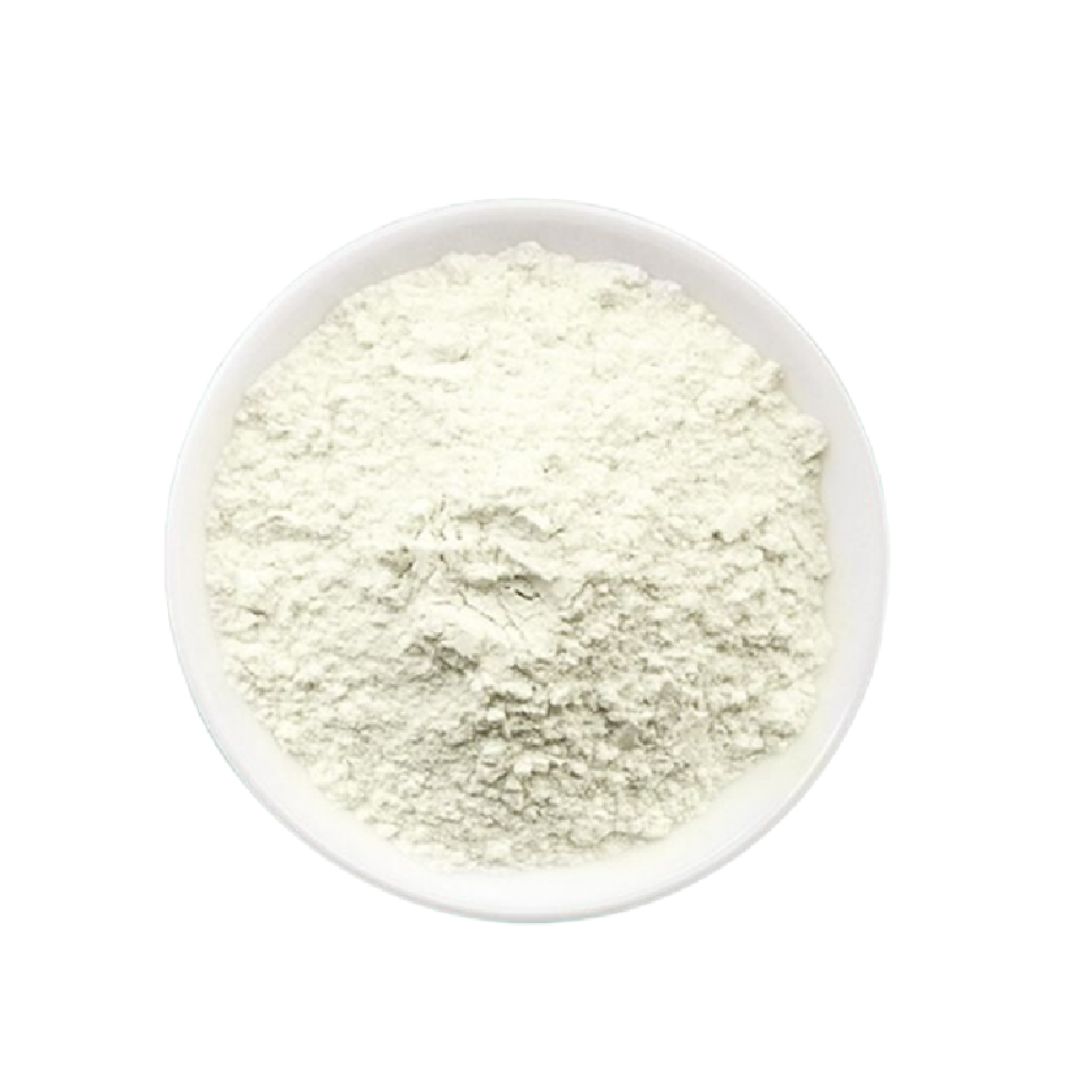
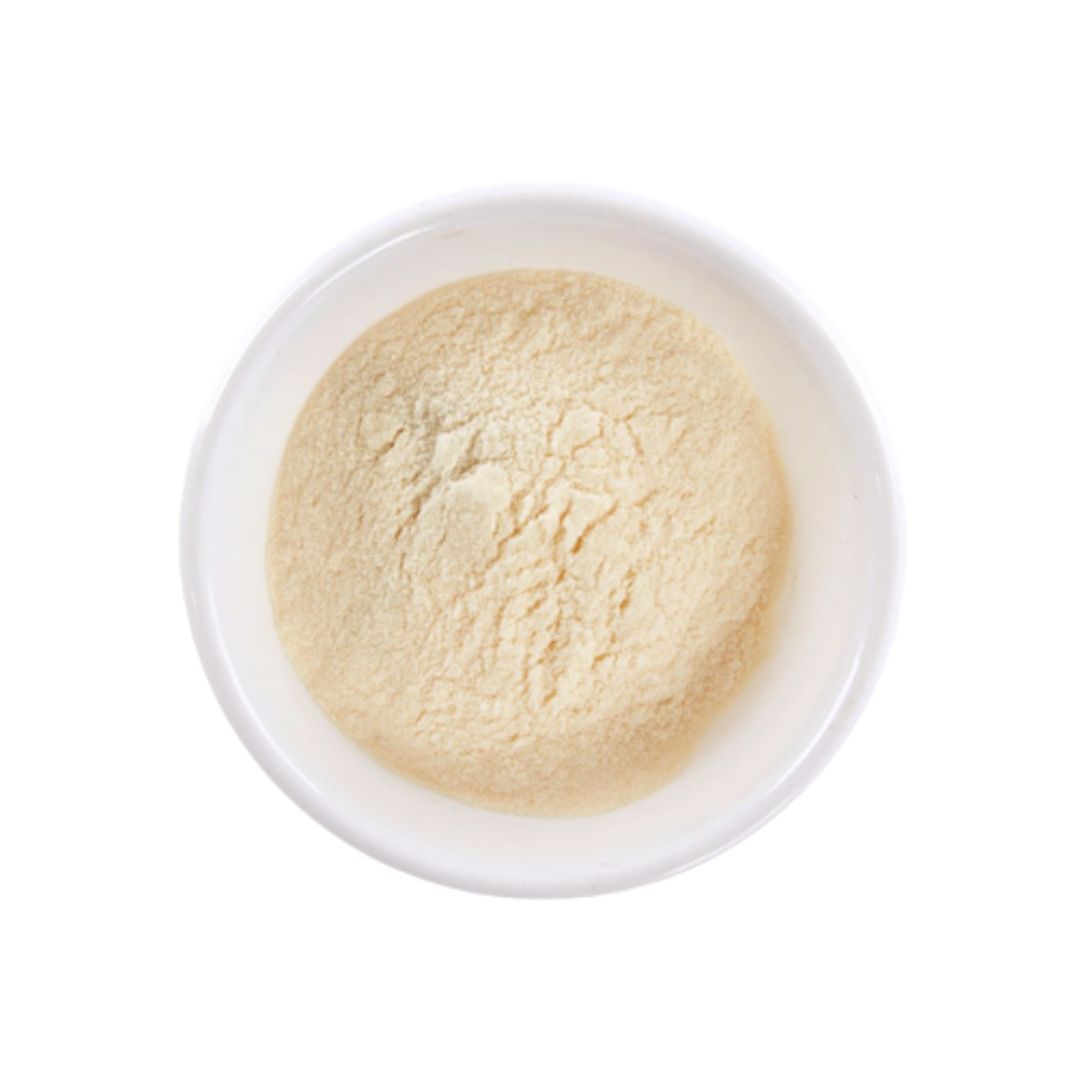
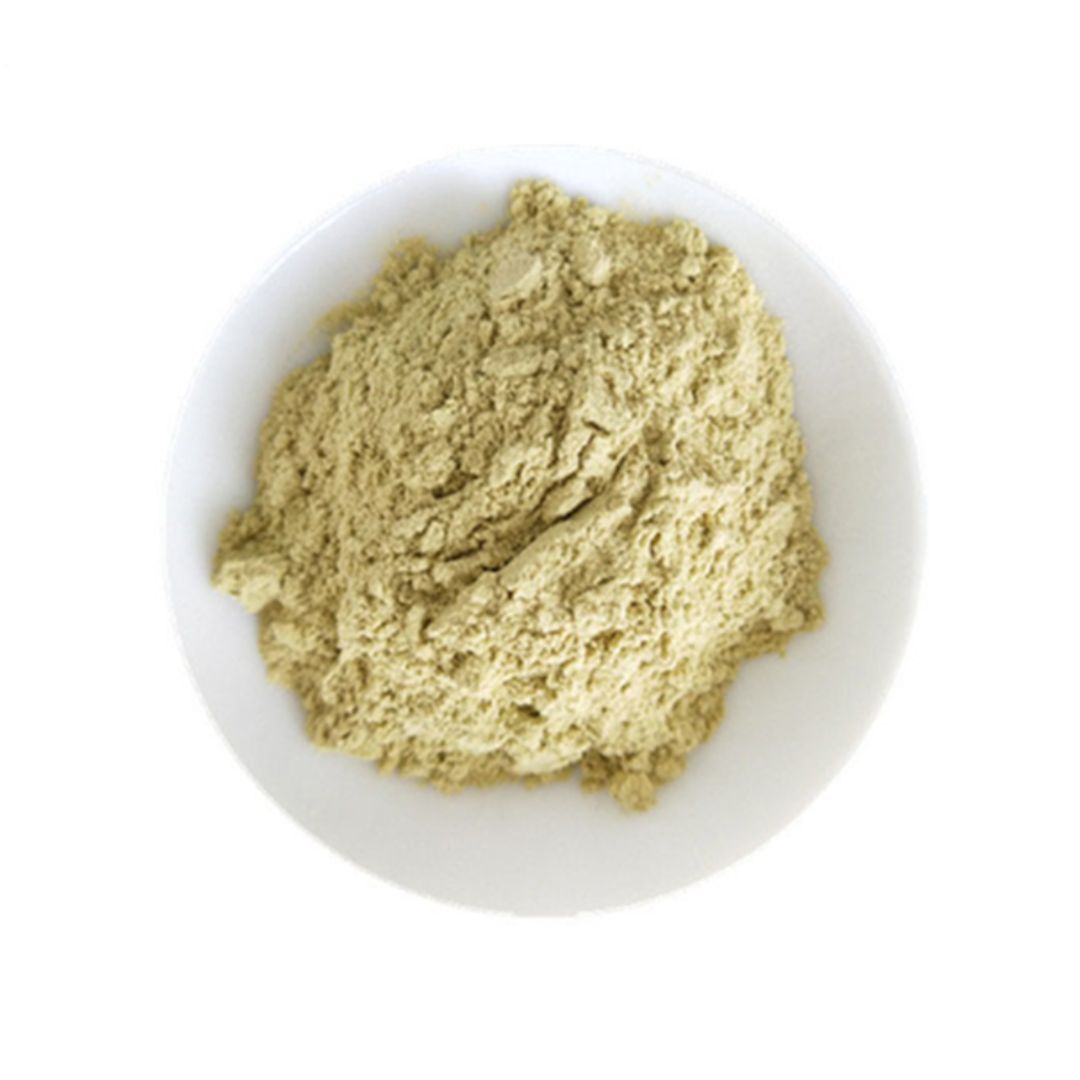
Freeze-dried sugared kiwi powder is made from fresh kiwis, that are freeze-dried and then combined with sugar. Kiwi fruit, known for its bright green flesh and unique flavor, offers a blend of tartness and sweetness. This powder form concentrates these characteristics. The sugared version adds an extra sweet flavor, making it palatable.
Production Process
The production of freeze-dried sugared kiwi powder starts with selecting ripe kiwis. These kiwis are typically sourced from regions known for kiwi cultivation, such as New Zealand or China. Once selected, the kiwis are washed, peeled, and sliced, or pureed, depending on the desired final texture.
Next, the kiwi undergoes a freeze-drying process, also known as lyophilization. This involves freezing the fruit and then reducing the surrounding pressure to allow the frozen water in the material to sublimate directly from the solid phase to the gas phase. This process removes moisture while preserving the fruit's natural flavor, color, and nutritional content.
After freeze-drying, the kiwi is milled into a powder. Sugar is then added to the powder, with the ratio of sugar to kiwi powder varying depending on the desired sweetness. Finally, the sugared kiwi powder is packaged to protect it from moisture and air, ensuring its longevity and quality.
Nutritional Composition Table
Typical nutritional values per 100g of freeze-dried sugared kiwi powder:
- Energy: 350-400 kcal
- Protein: 2-4 g
- Fat: 0.5-1.5 g
- Carbohydrates: 85-95 g (including sugars)
- Fiber: 5-10 g
- Vitamin C: 50-150 mg
- Vitamin K: 30-70 mcg
- Potassium: 200-400 mg
Note: Nutritional values may vary based on the specific kiwi variety and the amount of sugar added.
Product Benefits and Functions
Freeze-dried sugared kiwi powder offers several potential health benefits, primarily due to the nutritional properties of kiwifruit. Kiwis are rich in vitamin C, an antioxidant that supports immune function and helps protect against oxidative stress [1]. Vitamin C is also important for collagen synthesis, which is essential for skin health and wound healing [2].
Kiwis are also a good source of dietary fiber, which promotes digestive health. Fiber can help regulate bowel movements, prevent constipation, and support a healthy gut microbiome [3]. Additionally, kiwis contain vitamin K, which is important for blood clotting and bone health [4].
Product Application Scenarios
Freeze-dried sugared kiwi powder can be used in a variety of applications. It can be added to smoothies and shakes to enhance flavor and nutritional value. It can also be used in baking, adding a kiwi flavor to cakes, muffins, and cookies. In the food industry, it can be incorporated into dessert fillings, yogurt coatings, and other confectionery products. The sugared version could function as a tangy topping for desserts.
Botanical Source
The kiwi fruit (Actinidia deliciosa) is native to China. It was later introduced to New Zealand in the early 20th century, where it was further developed and commercialized [5]. Today, kiwis are grown in many countries around the world, including Italy, Chile, and the United States.
Packaging and Storage
Freeze-dried sugared kiwi powder should be packaged in airtight containers, or moisture-proof bags, to prevent moisture absorption, and maintain its quality. It should be stored in a cool, dry place, away from direct sunlight and heat. Under these conditions, the powder can maintain its quality for up to 12-24 months.
Citations
[1] Lobo, V., Patil, A., Phatak, A., & Chandra, N. (2010). Free radicals, antioxidants and functional foods: Impact on human health. Pharmacognosy Reviews, 4(8), 118–126.
[2] DePhillipo, N. N., Aman, Z. S., Kennedy, M. I., Begley, J. P., Moatshe, G., & LaPrade, R. F. (2018). Efficacy of Vitamin C Supplementation on Collagen Synthesis and Oxidative Stress After Musculoskeletal Injuries: A Systematic Review. Orthopaedic Journal of Sports Medicine, 6(10).
[3] Anderson, J. W., et al. "Health implications of dietary fiber." Nutrition Reviews 56.1 (1998): 1-18.
[4] Booth, S. L. "Vitamin K: food sources and dietary intakes." American Society for Clinical Nutrition 85.3 (2007): 550-555.
[5] Ferguson, A. R. "Kiwifruit (Actinidia deliciosa): a review." Horticultural Reviews 24 (2000): 1-64.

As a sales manager, I’m here to make sure you get exactly what you need for your dietary supplements. From sourcing to delivery, I’m always by your side, ensuring smooth and friendly service. Let’s make your products even better! 🥰🌿