

Product Introduction
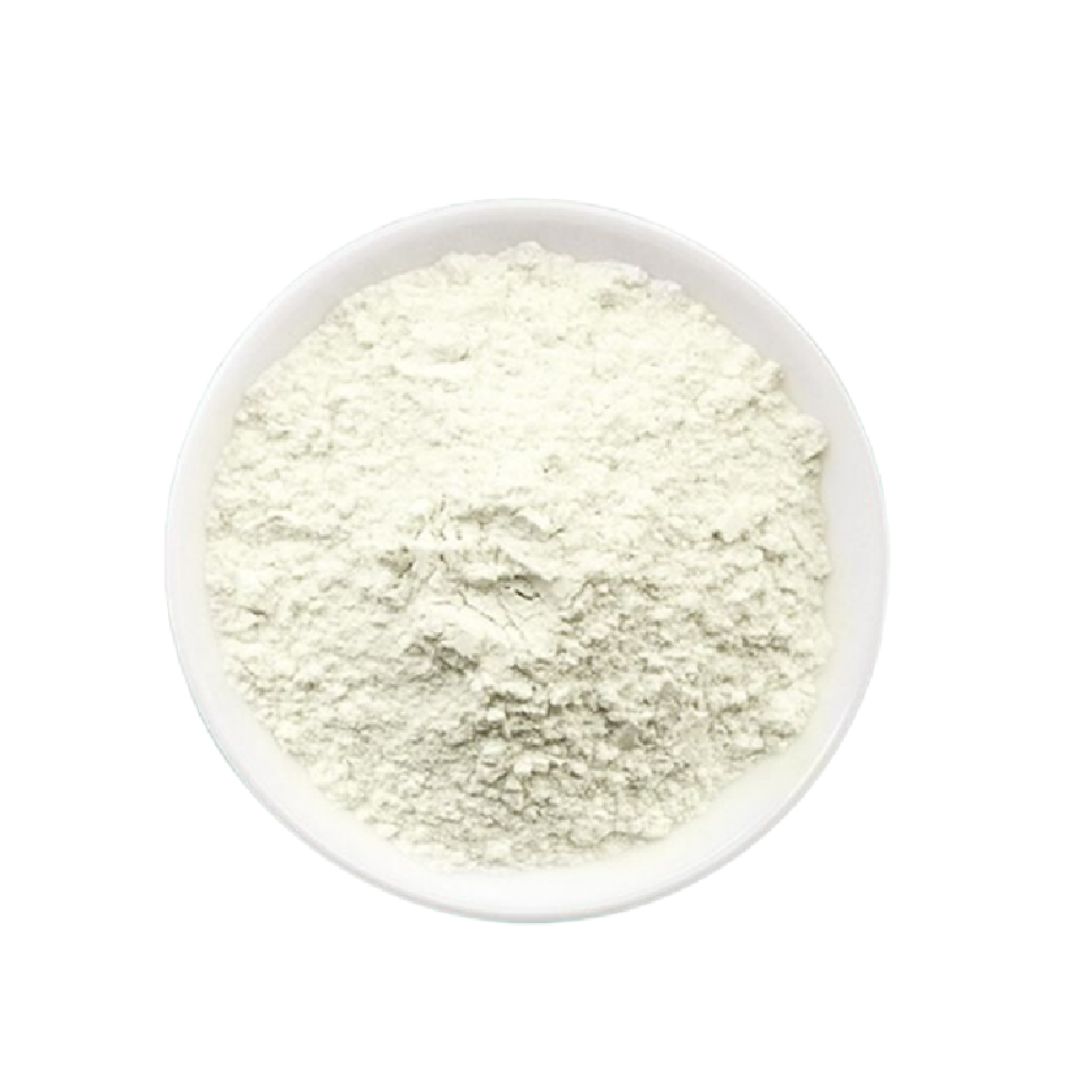
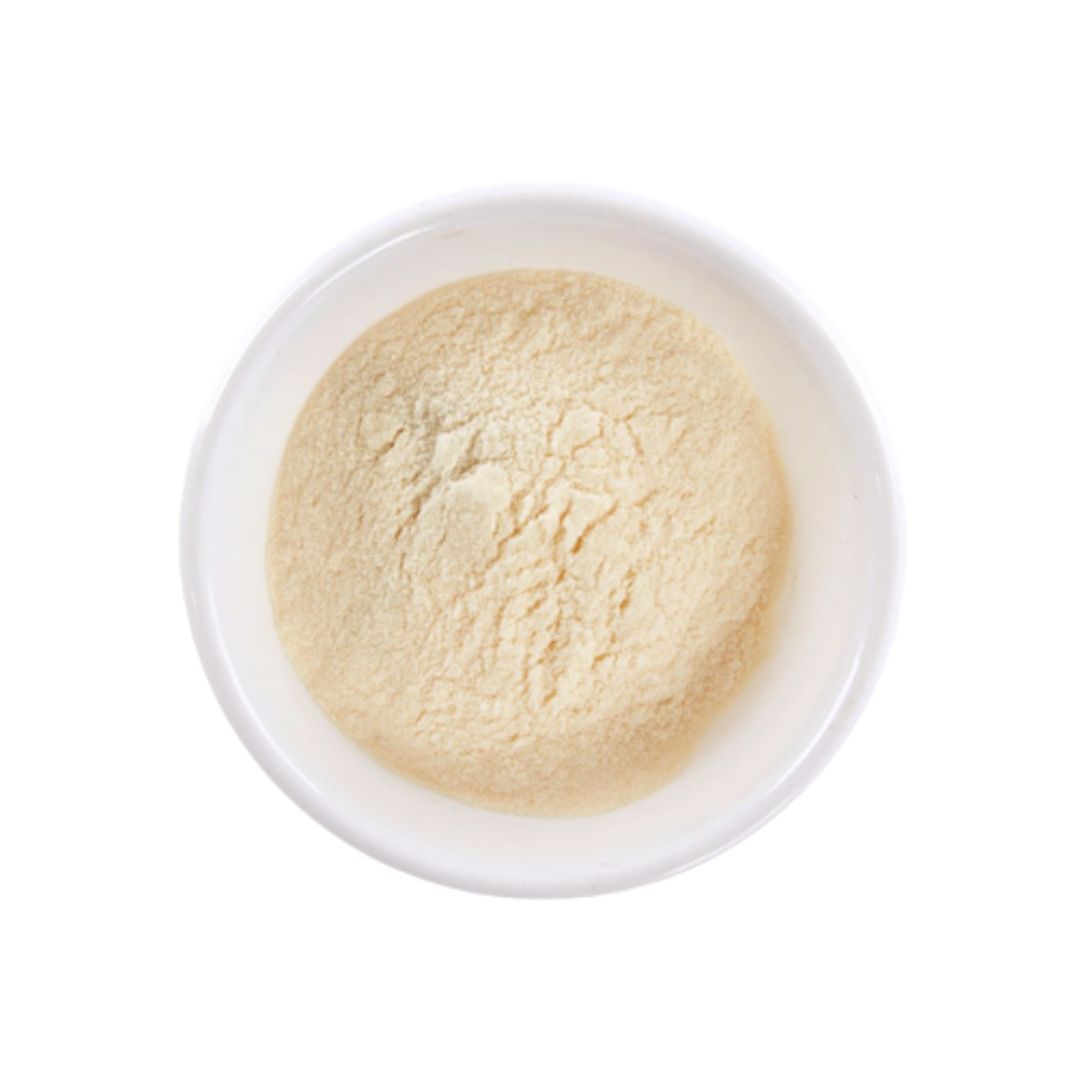
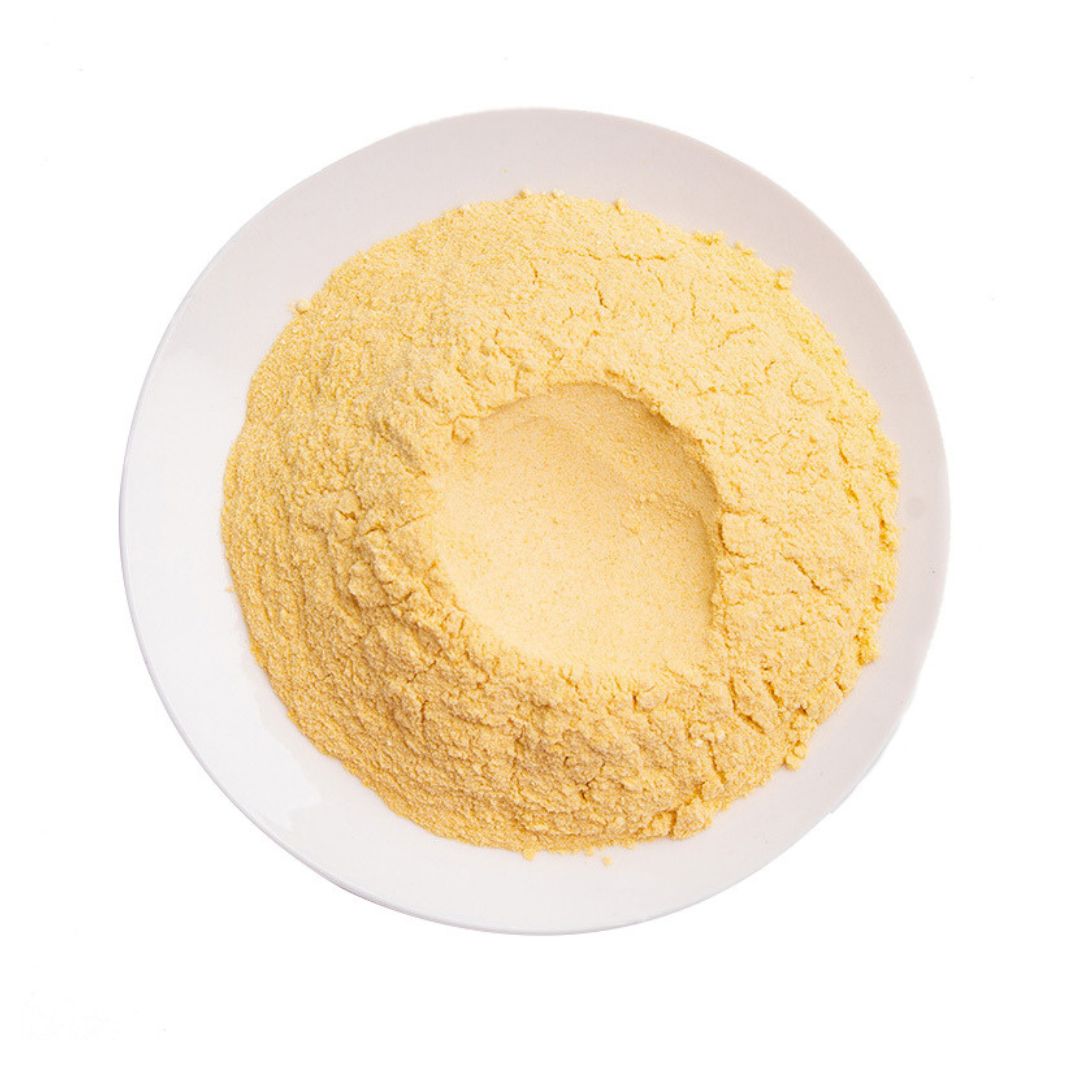
Freeze-dried mango powder is a product made from fresh mangoes that have been processed using freeze-drying technology. This method preserves the fruit's natural flavor, color, and nutritional content while converting it into a convenient powder form. The result is a versatile ingredient suitable for various applications in the food and beverage industry, as well as for home use.
Production Process
The production of freeze-dried mango powder involves several key steps:
- Selection: High-quality, ripe mangoes are selected.
- Washing and Slicing: The mangoes are thoroughly washed and then sliced into smaller pieces.
- Freezing: The mango slices are rapidly frozen at very low temperatures.
- Freeze-Drying: The frozen mangoes are placed in a freeze-drying chamber, where the water is removed through a process called sublimation. This involves converting the ice directly into vapor under a vacuum.
- Grinding: The freeze-dried mango pieces are ground into a fine powder.
- Packaging: The powder is then packaged in airtight containers to maintain its freshness and prevent moisture absorption.
Nutritional Composition Table
The nutritional composition of freeze-dried mango powder can vary slightly depending on the specific mango variety and processing methods used. However, a typical nutritional profile per 100 grams is as follows:
| Nutrient | Amount |
|---|---|
| Calories | 370 |
| Carbohydrates | 90 g |
| Dietary Fiber | 10 g |
| Sugars | 70 g |
| Protein | 5 g |
| Fat | 1 g |
| Vitamin C | 70 mg |
| Vitamin A | 800 IU |
| Potassium | 300 mg |
Product Benefits and Functions
Freeze-dried mango powder offers several potential health benefits, primarily due to its rich nutritional content:
- Antioxidant Properties: Mangoes are rich in antioxidants, such as Vitamin C and Vitamin A, which help protect the body against free radicals and oxidative stress [1].
- Immune Support: The high Vitamin C content supports the immune system, helping to ward off infections and illnesses [2].
- Digestive Health: Dietary fiber in mango powder promotes healthy digestion and can help prevent constipation [3].
- Skin Health: Vitamin A contributes to healthy skin by promoting cell turnover and protecting against damage [4].
Product Application Scenarios
Freeze-dried mango powder can be used in a variety of applications, including:
- Smoothies and Beverages: It can be added to smoothies, juices, and other beverages to enhance flavor and nutritional content.
- Baking: It can be incorporated into baked goods such as cakes, muffins, and cookies to add a natural mango flavor.
- Culinary Dishes: It can be used as a seasoning or flavoring agent in savory dishes, such as sauces, marinades, and spice rubs.
- Dairy Products: It can be added to yogurt, ice cream, and other dairy products for added flavor and nutrition.
- Dietary Supplements: It can be used in the formulation of dietary supplements and nutritional products.
Botanical Source
Mangoes (Mangifera indica L.) are believed to have originated in India and Southeast Asia. Mangoes have been cultivated for thousands of years, and there are now hundreds of different varieties grown around the world [5]. The fruit is highly valued for its sweet and tangy flavor, as well as its rich nutritional content.
Packaging and Storage
Freeze-dried mango powder should be packaged in airtight, moisture-proof containers to maintain its quality and prevent spoilage. Store in a cool, dry place away from direct sunlight and heat. Under these conditions, the product can typically maintain its quality for up to 12-24 months.
Citations
- "Mango (Mangifera indica L.) pulp: Nutritional composition, antioxidant activity, and effect of different preservation methods." Journal of Food Science and Technology, 54(11), 3492-3501.https://link.springer.com/article/10.1007/s13197-017-2834-9
- "Vitamin C and Immune Function." Nutrients, 9(11), 1211.
https://www.mdpi.com/2072-6643/9/11/1211 - "Health benefits of dietary fiber." Nutrition Reviews, 56(1), 1-18.
https://academic.oup.com/nutritionreviews/article/56/1/1/5575744 - "Vitamin A in dermatology." Journal of the American Academy of Dermatology, 34(2 Pt 1), 236-244. https://www.jaad.org/article/S0190-9622(96)90032-7/fulltext
- "The Mango: Botany, Production and Uses." CABI. https://www.cabi.org/bookshop/book/2365

As a sales manager, I’m here to make sure you get exactly what you need for your dietary supplements. From sourcing to delivery, I’m always by your side, ensuring smooth and friendly service. Let’s make your products even better! 🥰🌿