

Product Introduction
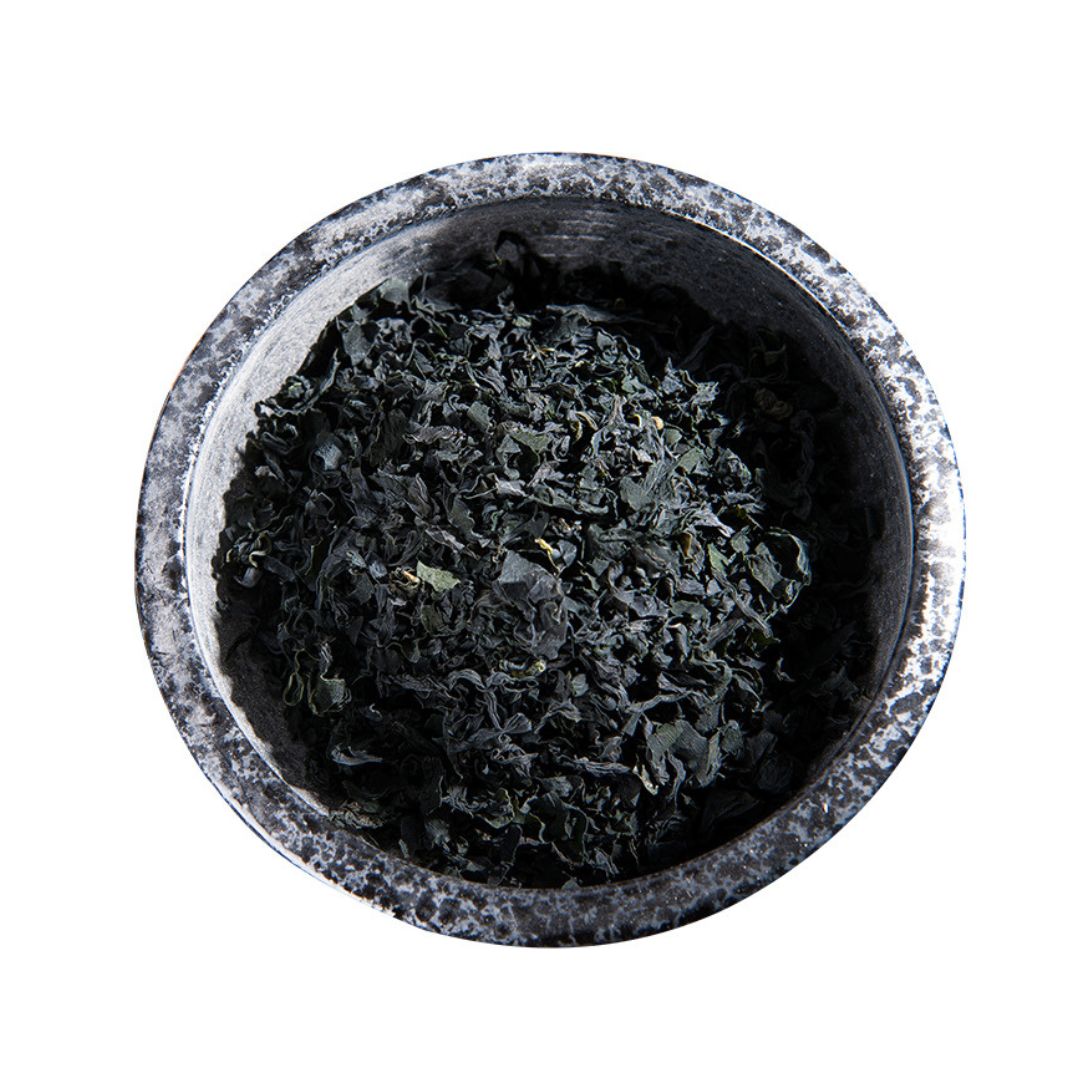
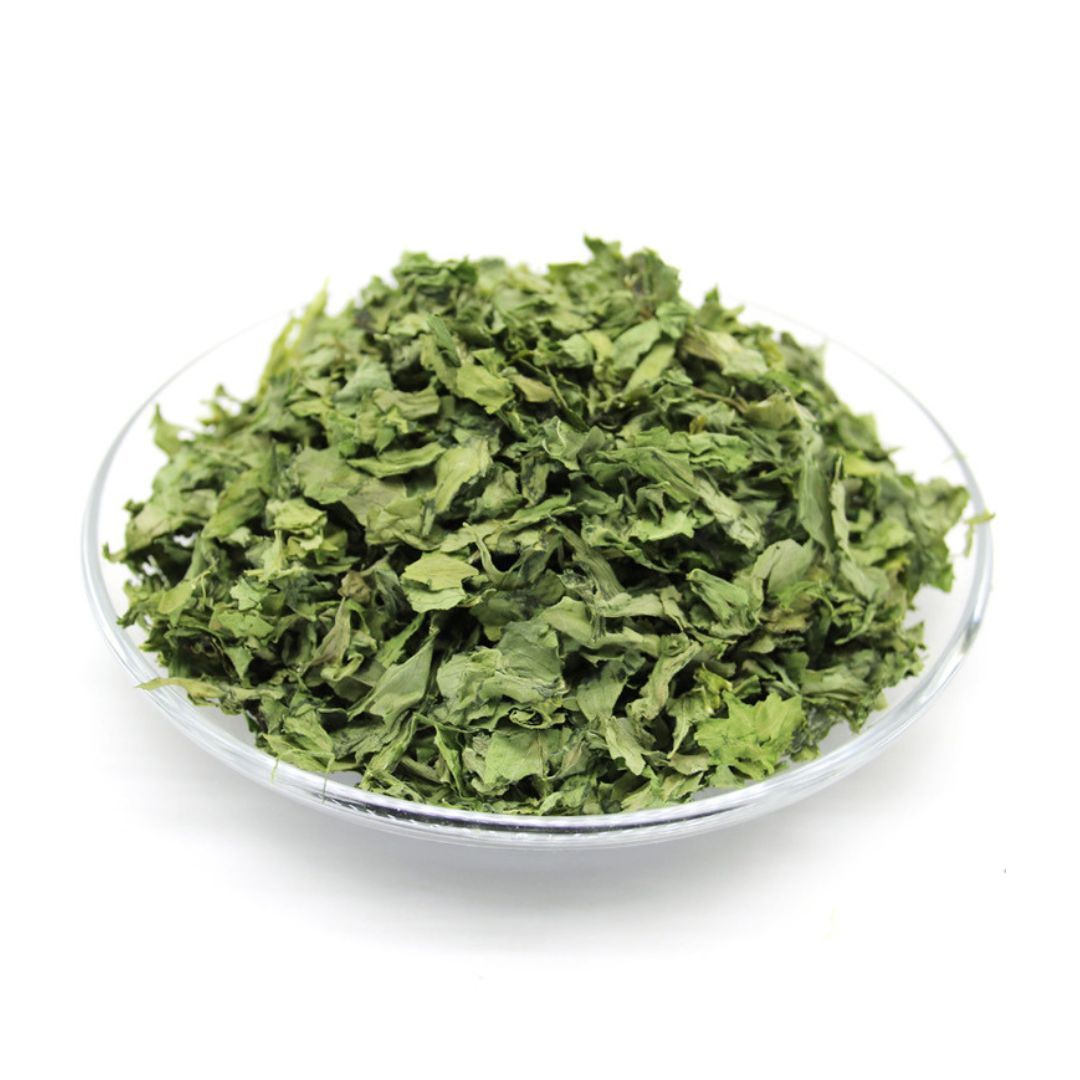
Dehydrated celery leaves are a versatile and convenient ingredient derived from fresh celery plants. Celery leaves, often discarded, are actually packed with flavor and nutrients, making them an excellent addition to culinary applications. The dehydration process concentrates the natural flavors and extends the shelf life, offering a practical alternative to fresh celery leaves. The product retains the characteristic taste of celery, providing a subtle, herbaceous note to dishes.
Production Process
The production of dehydrated celery leaves begins with the careful selection of fresh, high-quality celery plants. The leaves are thoroughly washed to remove any dirt or debris, ensuring a clean starting material. Depending on the desired end product, the leaves can be chopped or left whole. The drying process typically involves spreading the leaves on trays and exposing them to controlled heat, using methods such as air-drying, freeze-drying, or vacuum-drying, each affecting the final product's texture and flavor differently. Air-drying is a cost-effective method that uses warm air circulation to remove moisture. Freeze-drying, also known as lyophilization, involves freezing the leaves and then sublimating the ice under vacuum, preserving more of the original flavor and nutrients (Ratti, 2001). Vacuum-drying lowers the boiling point of water, enabling faster drying at lower temperatures, which also helps retain volatile compounds (Ratti, 2001). After drying, the leaves are inspected to ensure they meet quality standards for moisture content, color, and aroma. The final step involves packaging the dehydrated celery leaves in airtight containers to prevent moisture re-absorption and maintain their quality during storage.
Product Applications
Dehydrated celery leaves serve as a versatile ingredient across various culinary applications. Commonly used as a seasoning, they add a subtle celery flavor to soups, stews, and broths (McGee, 2004). They can be incorporated into dry rubs for meats, enhancing the overall flavor profile. In salads and dressings, dehydrated celery leaves provide a concentrated burst of celery taste without adding extra moisture. The leaves can also be ground into a powder and used as a natural flavoring agent in vegetable blends, sauces, and dips. Furthermore, they can be added to homemade spice mixes, offering depth and complexity. The product is also suitable for use in vegetarian and vegan dishes, providing a savory element (McGee, 2004).
Packaging and Storage
Proper packaging and storage are crucial for maintaining the quality and extending the shelf life of dehydrated celery leaves. The leaves should be packaged in airtight containers to prevent moisture absorption, which can lead to clumping and loss of flavor. Materials like glass jars, plastic containers, or vacuum-sealed bags are suitable options. To further protect the product, a desiccant packet can be included in the packaging to absorb any residual moisture. Storage should be in a cool, dry place, away from direct sunlight and heat (Singh et al., 2007). Ideal storage temperatures are below 70°F (21°C). When stored correctly, dehydrated celery leaves can maintain their flavor and quality for up to 12-18 months (Singh et al., 2007).
Citations
McGee, H. (2004). On Food and Cooking: The Science and Lore of the Kitchen. Scribner.
Ratti, M. (2001). Hot air and freeze-drying of high-value foods: a review. Journal of Food Engineering, 49(4), 311-319.
Singh, B., Singh, J. P., Kaur, A., & Singh, N. (2007). Physicochemical, cooking and pasting properties of different Indian rice cultivars. Journal of Food Engineering, 79(4), 1416-1423.

As a sales manager, I’m here to make sure you get exactly what you need for your dietary supplements. From sourcing to delivery, I’m always by your side, ensuring smooth and friendly service. Let’s make your products even better! 🥰🌿