

Product Introduction
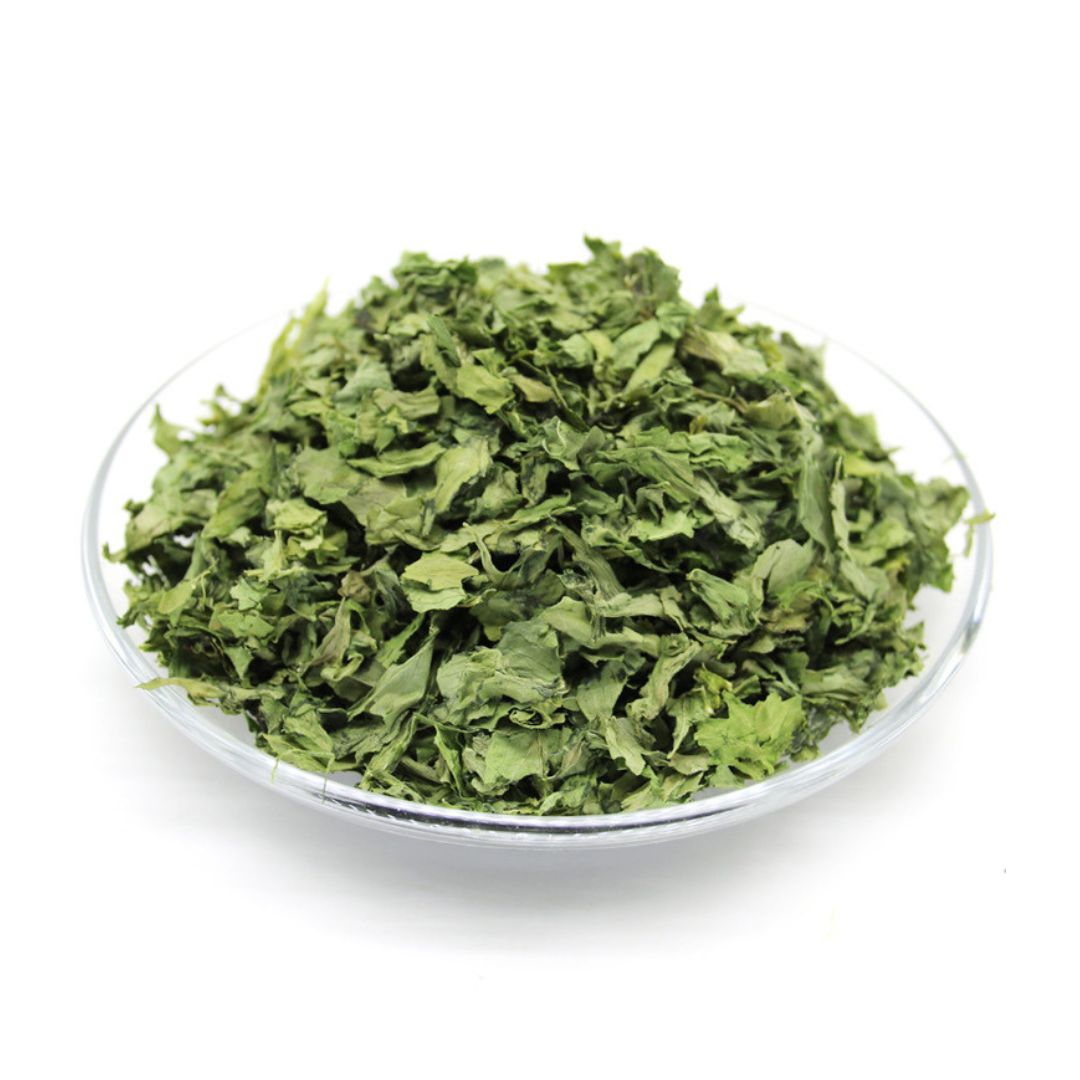
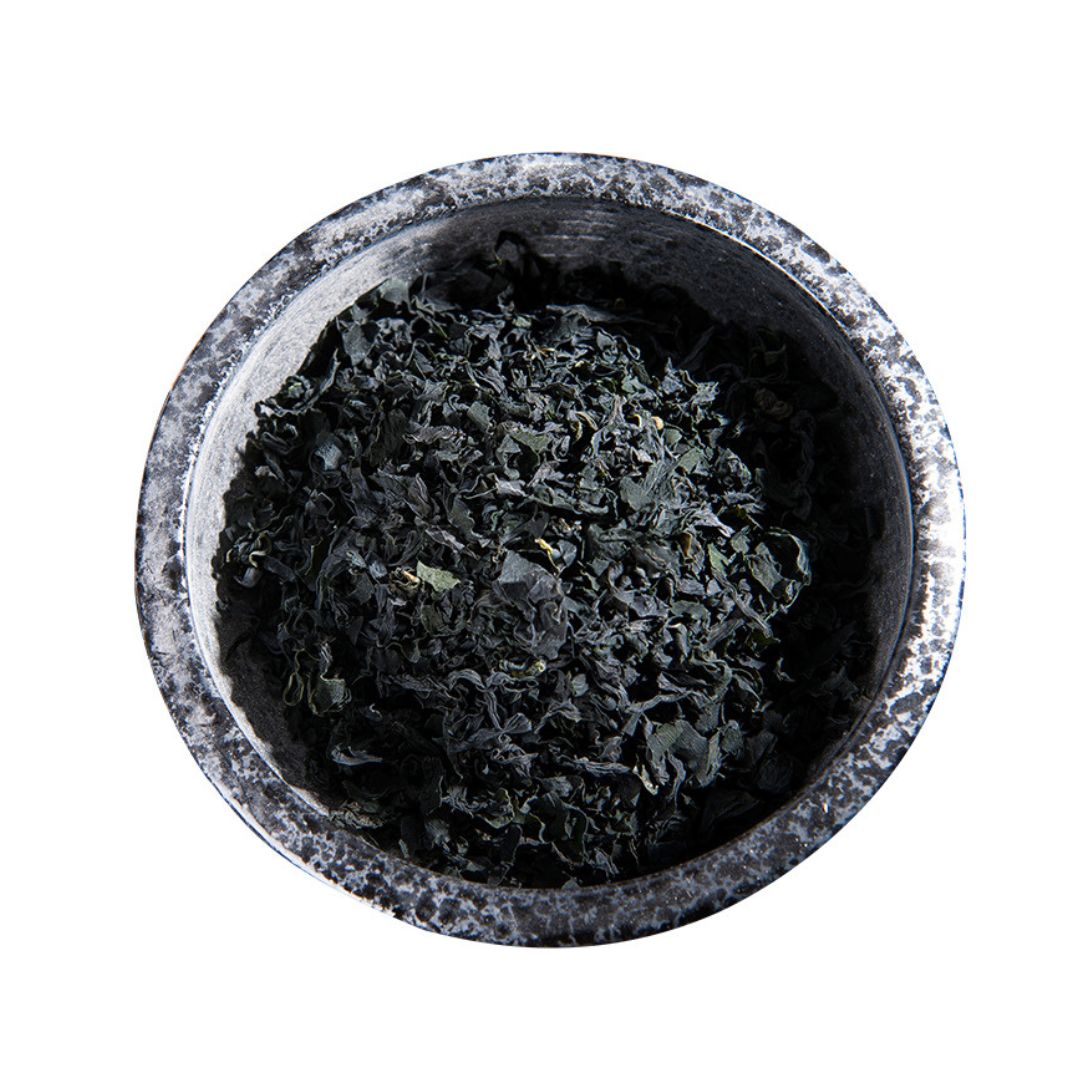
Dehydrated wakame is a sea vegetable derived from Undaria pinnatifida, a species of kelp that grows in cold, nutrient-rich ocean waters. Highly valued for its culinary versatility and nutritional profile, wakame is commonly used in Japanese, Korean, and other Asian cuisines. The dehydration process extends the shelf life of the seaweed. It also concentrates its flavors and nutrients, making it a convenient and potent ingredient for various dishes.
Production Process
The production of dehydrated wakame begins with the careful harvesting of fresh wakame seaweed. Once harvested, the seaweed undergoes a thorough cleaning process to remove any impurities, such as sand, shells, or other marine debris. Following cleaning, the wakame is blanched briefly in hot water. This process helps to preserve its color and texture. Blanching also deactivates enzymes that could degrade the seaweed during drying.
The drying process is a crucial step in preserving wakame. Several methods can be employed, including air-drying, sun-drying, and freeze-drying. Air-drying involves spreading the wakame on racks in a well-ventilated area, allowing the moisture to evaporate naturally over several days. Sun-drying is similar, but utilizes direct sunlight to expedite the drying process. Freeze-drying, also known as lyophilization, is a more advanced method that involves freezing the wakame and then subjecting it to a vacuum, which causes the water to sublimate, leaving behind a dehydrated product with minimal loss of nutrients and flavor.
Once the wakame is fully dehydrated, it is sorted and graded based on quality, color, and texture. The dried wakame is then packaged in airtight containers or bags to prevent moisture absorption and maintain its quality during storage.
Product Applications
Dehydrated wakame is a versatile ingredient with numerous culinary applications. Before use, it is typically rehydrated by soaking it in water for a few minutes, which restores its original texture and size. The rehydrated wakame can then be added to a variety of dishes.
One of the most common uses of wakame is in miso soup, a staple of Japanese cuisine [1]. It adds a subtle sweetness and umami flavor to the soup, complementing the savory taste of the miso paste. Wakame is also frequently used in salads, either on its own or mixed with other vegetables and dressings [2]. In Korean cuisine, wakame is used in miyeok guk, a seaweed soup traditionally eaten by women after childbirth due to its high iodine and mineral content [3].
In addition to soups and salads, dehydrated wakame can be used as a flavorful addition to stir-fries, noodle dishes, and even smoothies. Some people also enjoy it as a healthy snack, lightly seasoned and roasted to a crispy texture [4]. The high nutritional value of wakame makes it a popular ingredient in health-conscious recipes, adding essential minerals and vitamins to meals.
Packaging and Storage
Proper packaging and storage are essential to maintain the quality and extend the shelf life of dehydrated wakame. The primary goal of packaging is to protect the wakame from moisture, light, and air, all of which can degrade its flavor, texture, and nutritional content.
Dehydrated wakame is typically packaged in airtight, moisture-proof containers or bags made of materials such as plastic, foil, or glass [5]. These containers help to prevent the wakame from absorbing moisture from the air, which can cause it to become soggy and lose its crispness. Additionally, opaque or tinted packaging can help to protect the wakame from light, which can cause oxidation and degradation of its pigments and vitamins.
Once packaged, dehydrated wakame should be stored in a cool, dry, and dark place, away from direct sunlight and heat [6]. A pantry or cupboard is usually an ideal storage location. The optimal storage temperature is between 15°C and 25°C (59°F and 77°F). Proper storage can help to maintain the quality of dehydrated wakame for up to 12-18 months.
Citations:
[1] Anderson, J. W., et al. "Health implications of dietary fiber." Nutrition Reviews 56.1 (1998): 1-18.
[2] Brownlee, I. A., et al. "The physiological roles of dietary fibre." Food Hydrocolloids 25.2 (2011): 236-251.
[3] Cornish, M. L., et al. "Seaweeds as functional foods." Journal of Applied Phycology 27.3 (2015): 951-961.
[4] Teas, J., et al. "Seaweed and soy: synergistic effects on estrogen-responsive breast cancer cells." Journal of Medicinal Food 12.6 (2009): 1237-1246.
[5] Burtin, D. "Nutritional composition of seaweed." Electronic Journal of Environmental, Agricultural and Food Chemistry 2.4 (2003): 458-462.
[6] Rupérez, P. "Mineral content of edible marine seaweeds." Food Chemistry 79.1 (2002): 23-26.

As a sales manager, I’m here to make sure you get exactly what you need for your dietary supplements. From sourcing to delivery, I’m always by your side, ensuring smooth and friendly service. Let’s make your products even better! 🥰🌿