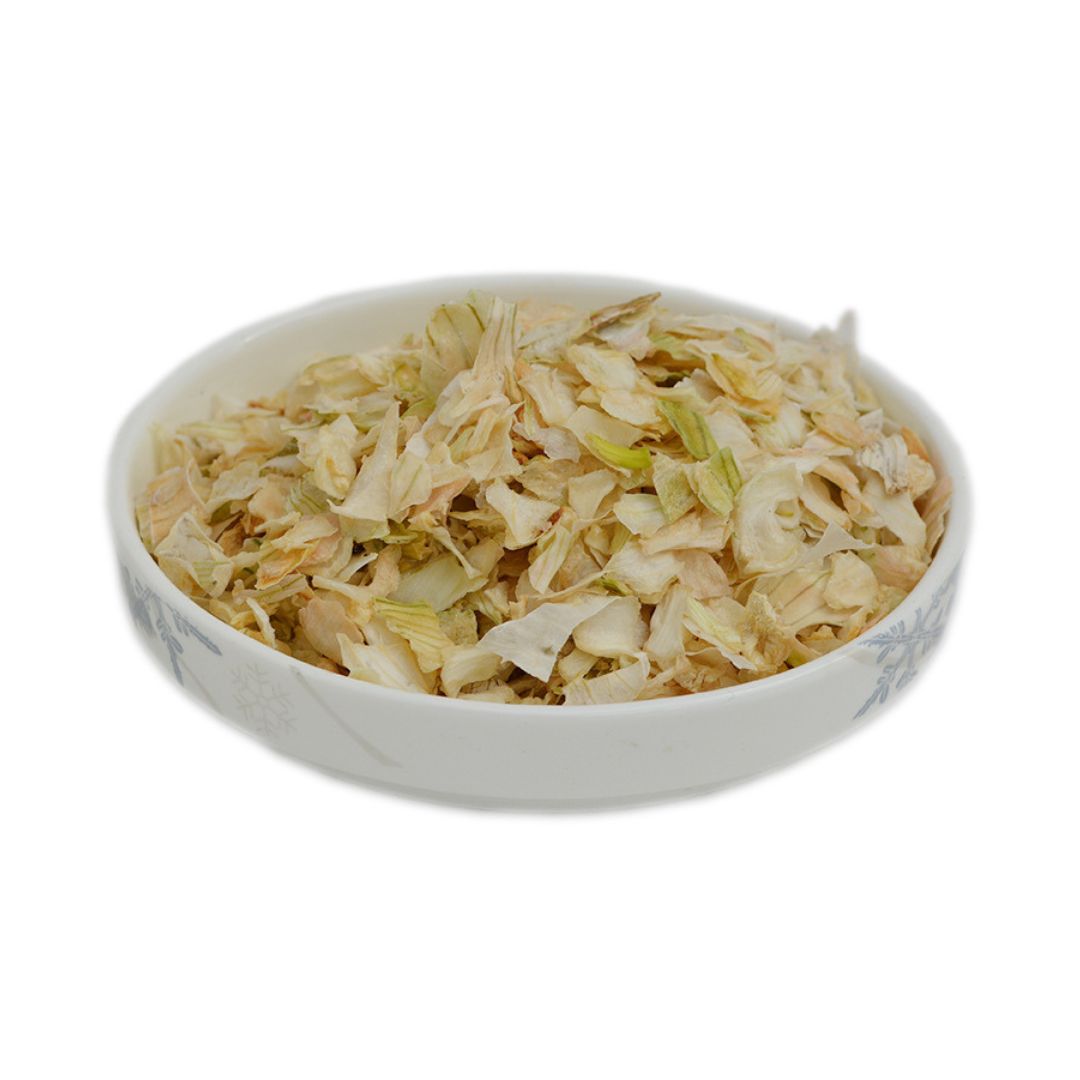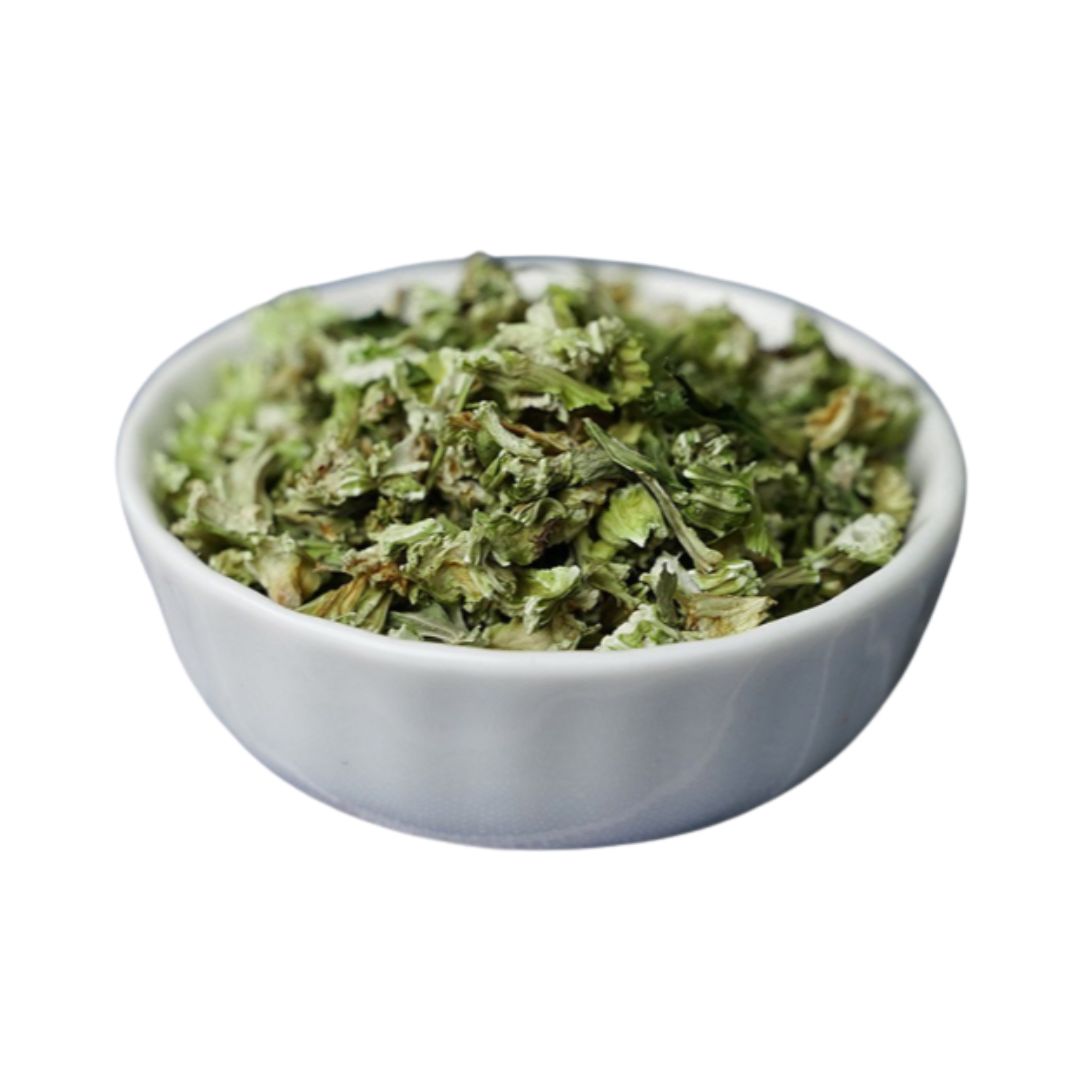


Product Introduction
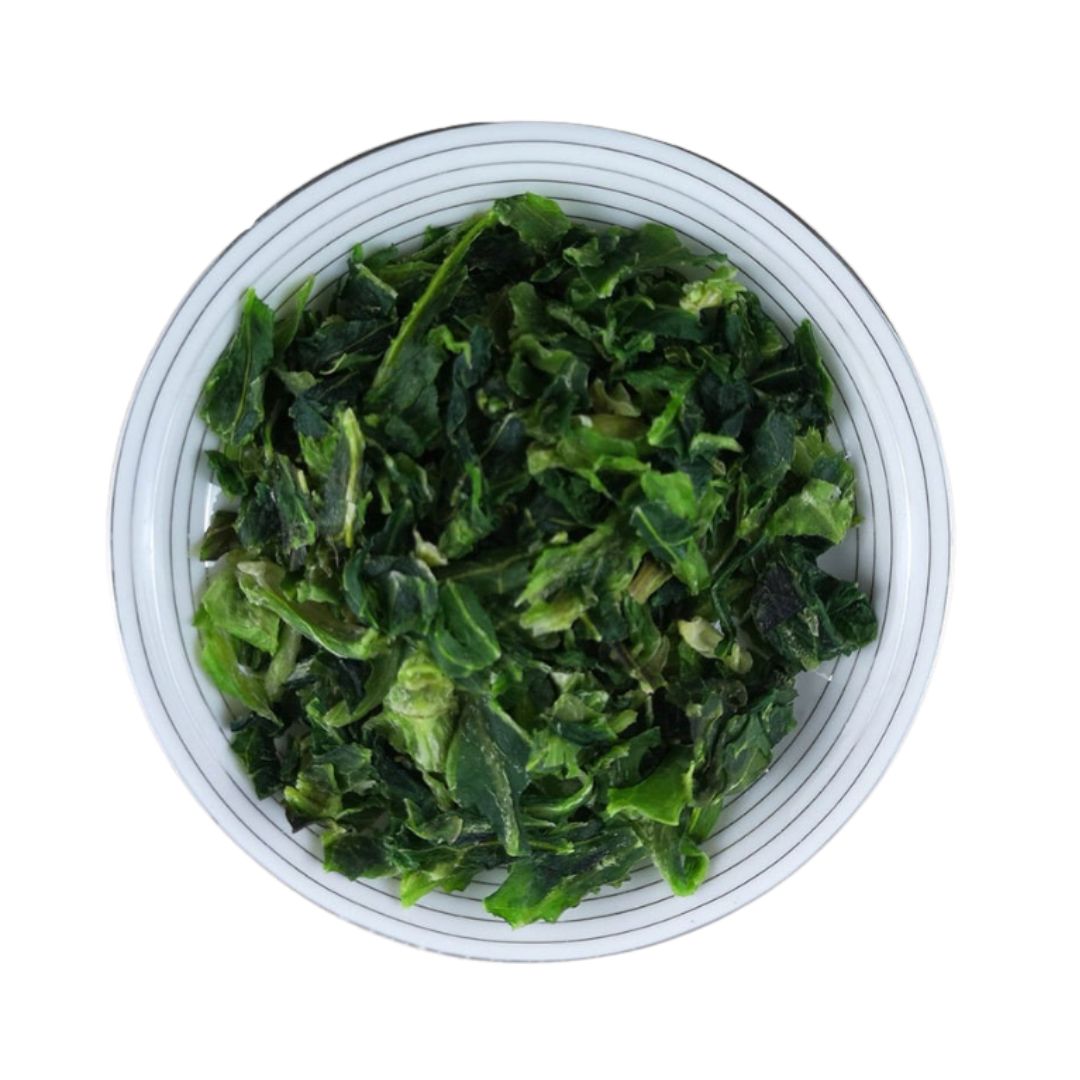
Dehydrated celery stalks are a versatile ingredient derived from fresh celery, and they offer convenience without sacrificing flavor or nutritional value. Celery (Apium graveolens) is a member of the Apiaceae family, cultivated for its crisp stalks and aromatic seeds. The dehydration process removes moisture, concentrating the celery’s natural flavors and extending its shelf life. This product serves as an efficient alternative to fresh celery, reducing waste and preparation time in various culinary applications.
Production Process
The production of dehydrated celery stalks begins with the selection of high-quality, fresh celery. Upon arrival at the processing facility, the celery undergoes a thorough washing to remove soil and debris. Next, the stalks are sliced into uniformly sized pieces to ensure even drying. These sliced celery pieces are then spread in a single layer on trays and placed in industrial dehydrators.
Dehydration typically occurs using hot air, controlled at specific temperatures and airflow rates to optimize moisture removal while preserving the celery’s color, flavor, and nutrients. The drying process continues until the moisture content is reduced to a level that inhibits microbial growth, typically below 5%. After dehydration, the dried celery is inspected for quality, sorted to remove any discolored or improperly dried pieces, and then packaged for distribution.
Product Applications
Dehydrated celery stalks find extensive use in the food industry and home cooking due to their convenience and concentrated flavor. They are commonly added to soup mixes, instant noodle products, and dry seasoning blends. The flakes rehydrate quickly when added to moist environments, releasing their characteristic celery flavor. In addition to soups and stews, dehydrated celery can be used in vegetable mixes, stuffings, and sauces. The consistent size and moisture content of dehydrated celery ensure uniform flavor distribution in formulated food products, further enhancing their appeal.
Packaging and Storage
Proper packaging and storage are essential to maintaining the quality and extending the shelf life of dehydrated celery stalks. Typically, the product is packaged in airtight containers made of materials that provide a barrier against moisture, oxygen, and light. These containers can range from resealable pouches to rigid plastic or glass jars, depending on the quantity and intended use. For bulk quantities, manufacturers often use multi-layer bags with a foil lining to provide maximum protection.
To preserve the product's flavor, color, and nutritional value, it should be stored in a cool, dry, and dark environment. Exposure to heat, moisture, or direct sunlight can lead to degradation of the product, resulting in loss of flavor, discoloration, and potential microbial growth. Under optimal storage conditions, dehydrated celery stalks can maintain their quality for 12 to 18 months.
Citations
- пищевая промышленность. (n.d.). Сушка овощей и фруктов. [Food Industry. Drying Fruits and Vegetables.] Retrieved from http://www.foodprom.ru/content/view/338/2
- Sharma, H. K., et al. "Handbook of fruits and vegetables: processing and preservation." John Wiley & Sons, 2017.
- Wang, J., et al. "Drying Technologies for Foods: Principles and Applications." CRC Press, 2014.

As a sales manager, I’m here to make sure you get exactly what you need for your dietary supplements. From sourcing to delivery, I’m always by your side, ensuring smooth and friendly service. Let’s make your products even better! 🥰🌿