

Product Introduction
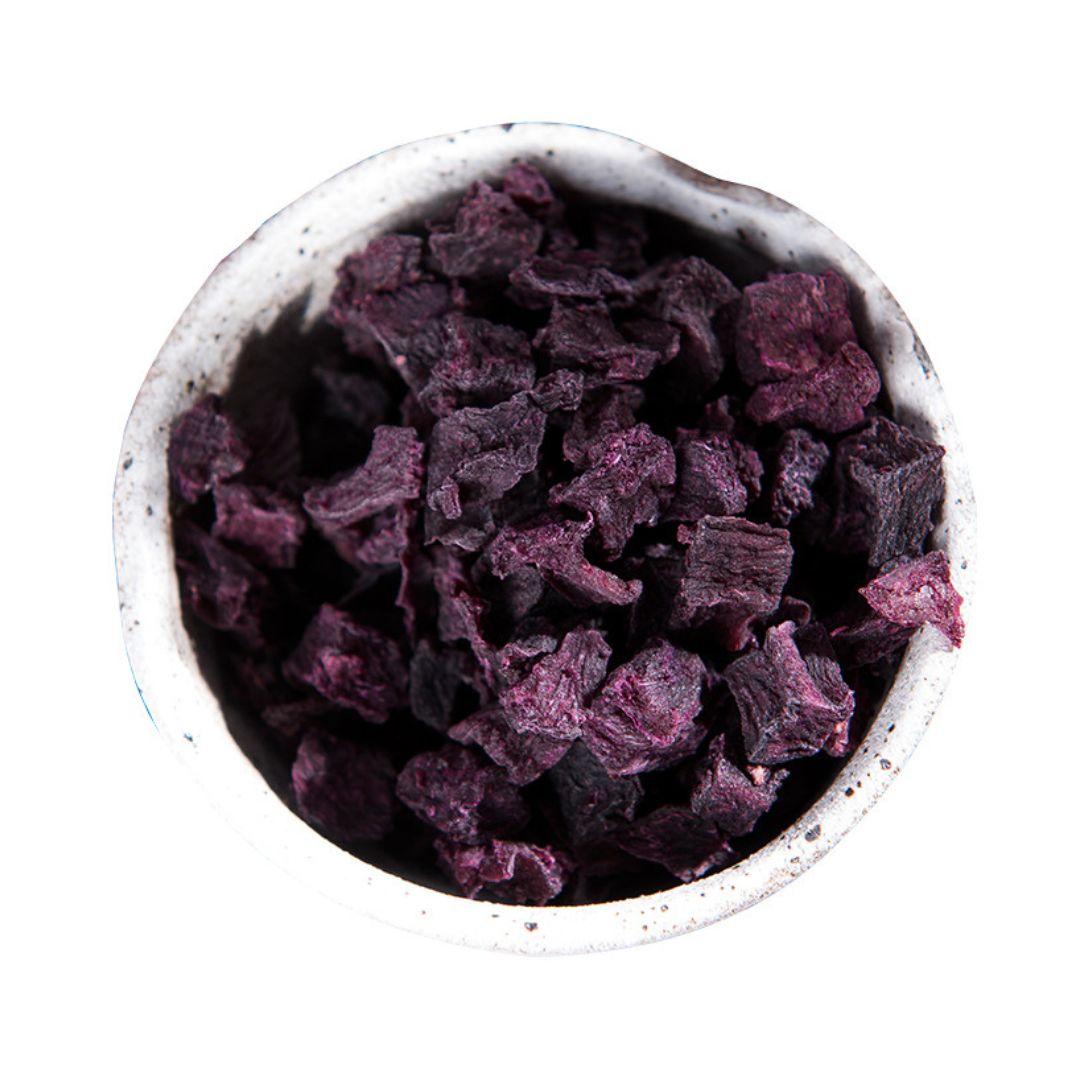
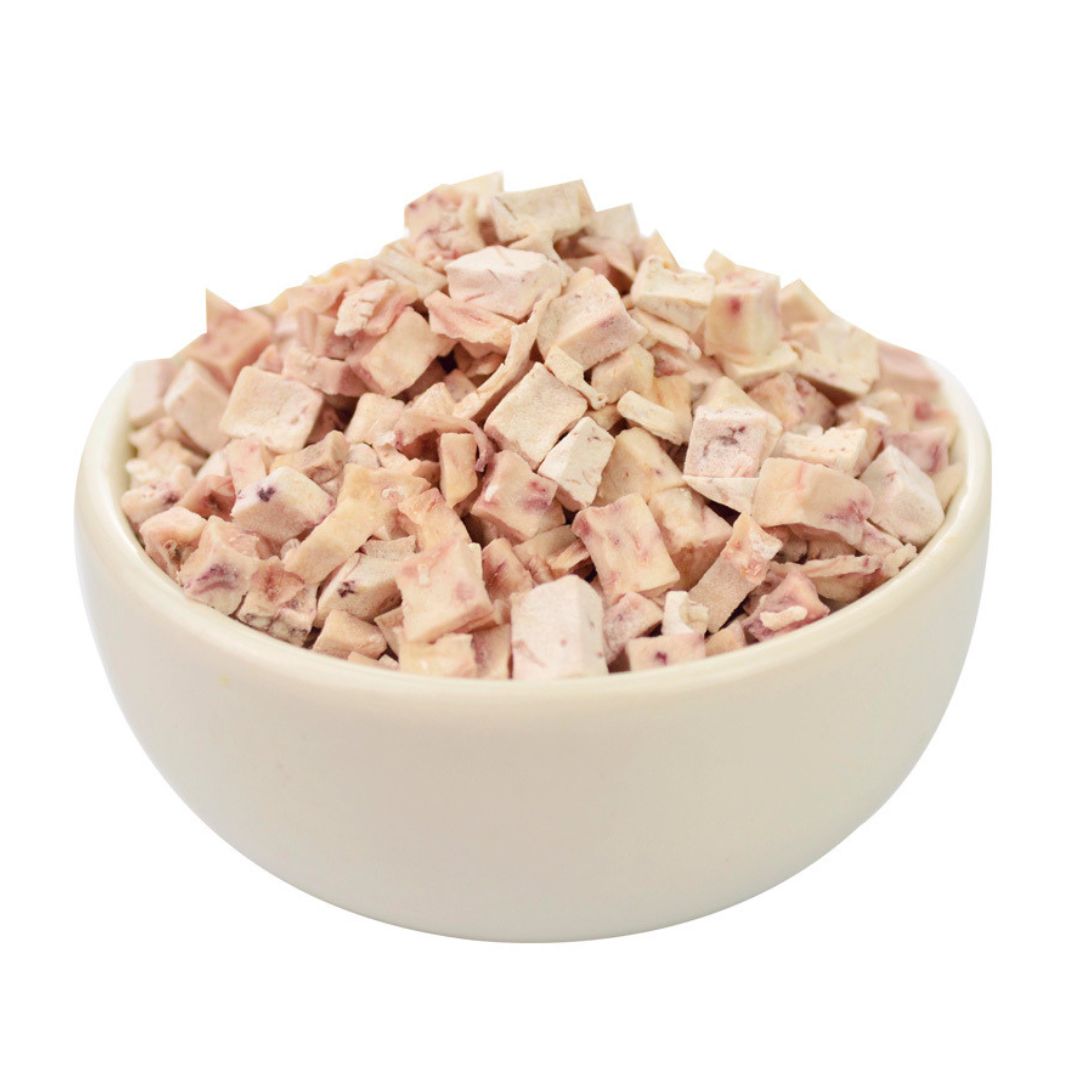
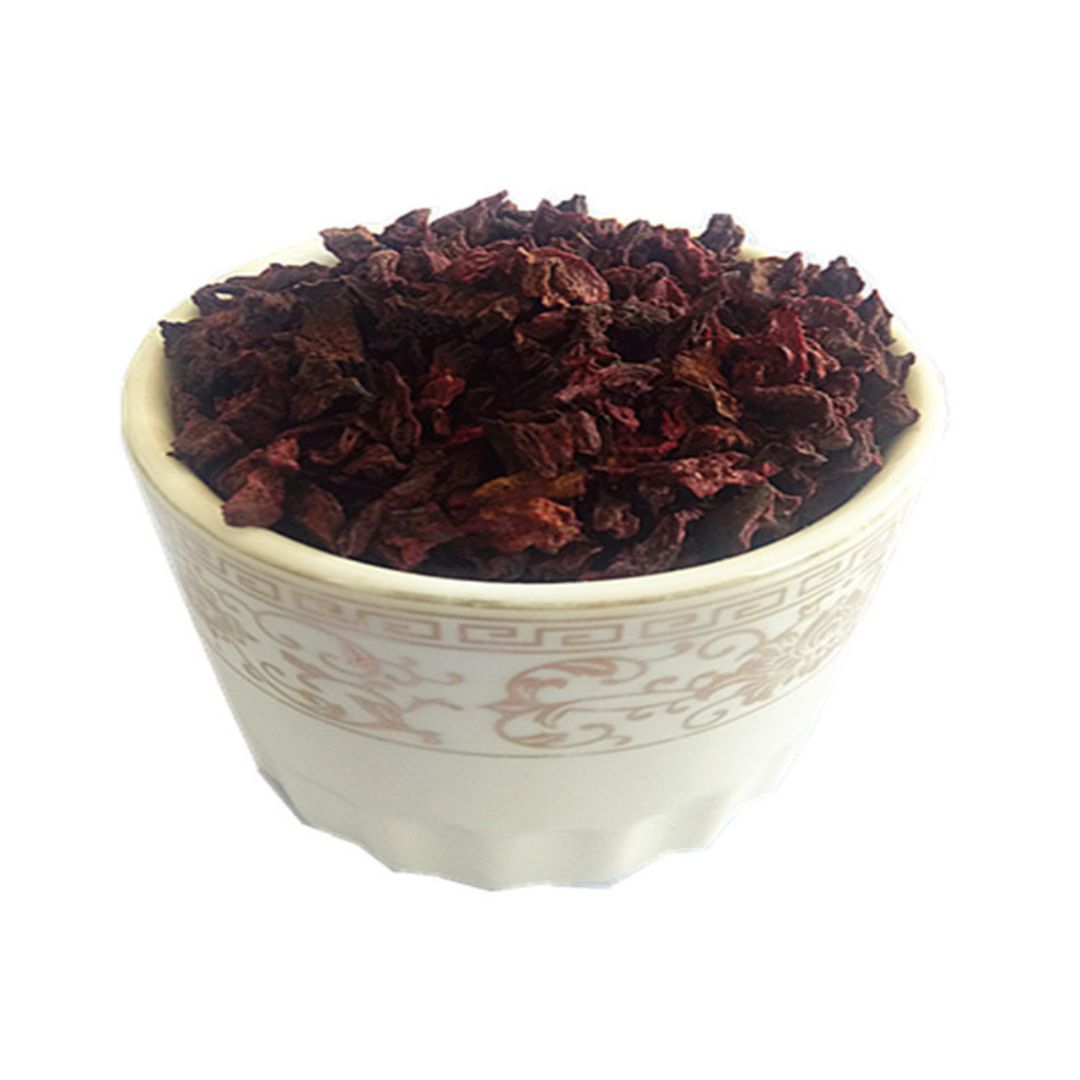
Dehydrated red beet diced is a versatile vegetable product made from fresh beets, retaining the key nutrients and flavor of the original root vegetable. [1] This dehydration process extends the shelf life of beets, while also concentrating their natural sweetness, and earthy notes, making it an ideal ingredient for both home cooking, and industrial food production, alike. [2]
Production Process
The production of dehydrated red beet diced involves several key stages. First, fresh beets are harvested, and then carefully selected for quality, and maturity. [3] After washing and peeling, the beets are diced into uniform pieces, ensuring even drying. The diced beets are then spread on trays and dehydrated through methods such as air drying, where controlled heat and airflow remove moisture, while preserving the beet's natural color, flavor, and nutrients. [4] Finally, the dried beet dice are inspected, and packaged for distribution.
Product Applications
Dehydrated red beet diced offers diverse applications in food product development, and culinary settings. In the food manufacturing industry, it is used in instant soup mixes, dry vegetable blends, and as a natural colorant. [5] For home cooking, these diced beets can be added to soups, stews, and salads, offering a convenient way to incorporate vegetables into meals. Furthermore, because it provides concentrated nutrients, it is often added to healthy snacks, and trail mixes. [6]
Packaging and Storage
To maintain the quality of dehydrated red beet diced, proper packaging and storage are essential. The product should be packaged in airtight containers, which minimizes exposure to both moisture, and air; this prevents rehydration, and oxidation. [7] They must be stored in a cool, dry place, away from direct sunlight and heat sources, to ensure a prolonged shelf life, with retained, quality, and flavor. [8] Under optimal conditions, dehydrated red beet diced can maintain its quality for up to 12–18 months.
Citations:
[1] – J Agric Food Chem. 1999 Jan;47(1):163-7.
[2] – Crit Rev Food Sci Nutr. 2020;60(14):2417-2430.
[3] – J Food Sci. 2018 Jan;83(1):34-45.
[4] – Drying Technology. 2007;25(1):129-138.
[5] – J Food Sci Technol. 2014 Oct;51(10):2717-21.
[6] – Plant Foods Hum Nutr. 2015 Dec;70(4):414-20.
[7] – J Food Process Preserv. 2019;43(3):e13913.
[8] – Food Chemistry. 2016;203:285-292.

As a sales manager, I’m here to make sure you get exactly what you need for your dietary supplements. From sourcing to delivery, I’m always by your side, ensuring smooth and friendly service. Let’s make your products even better! 🥰🌿