

Product Introduction
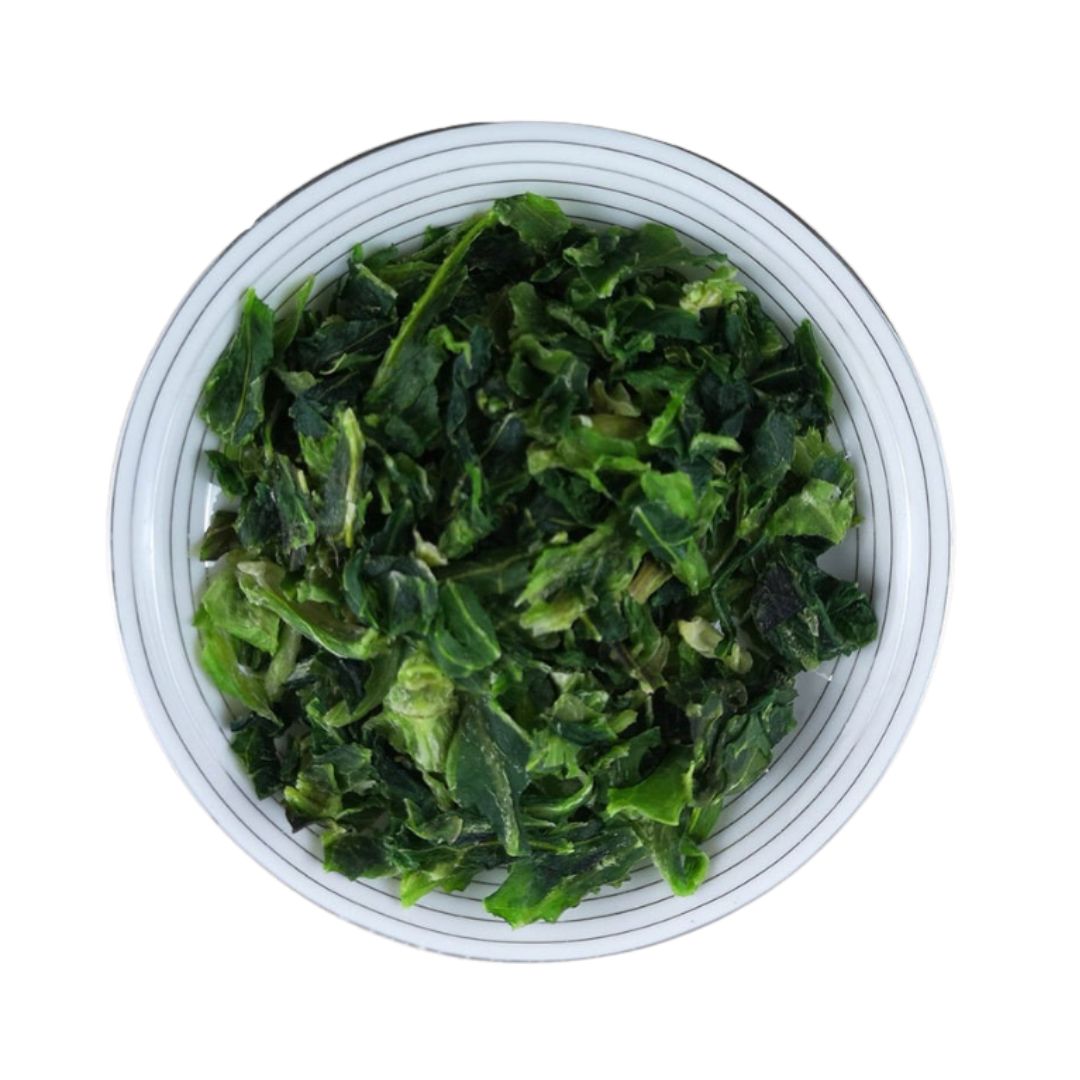
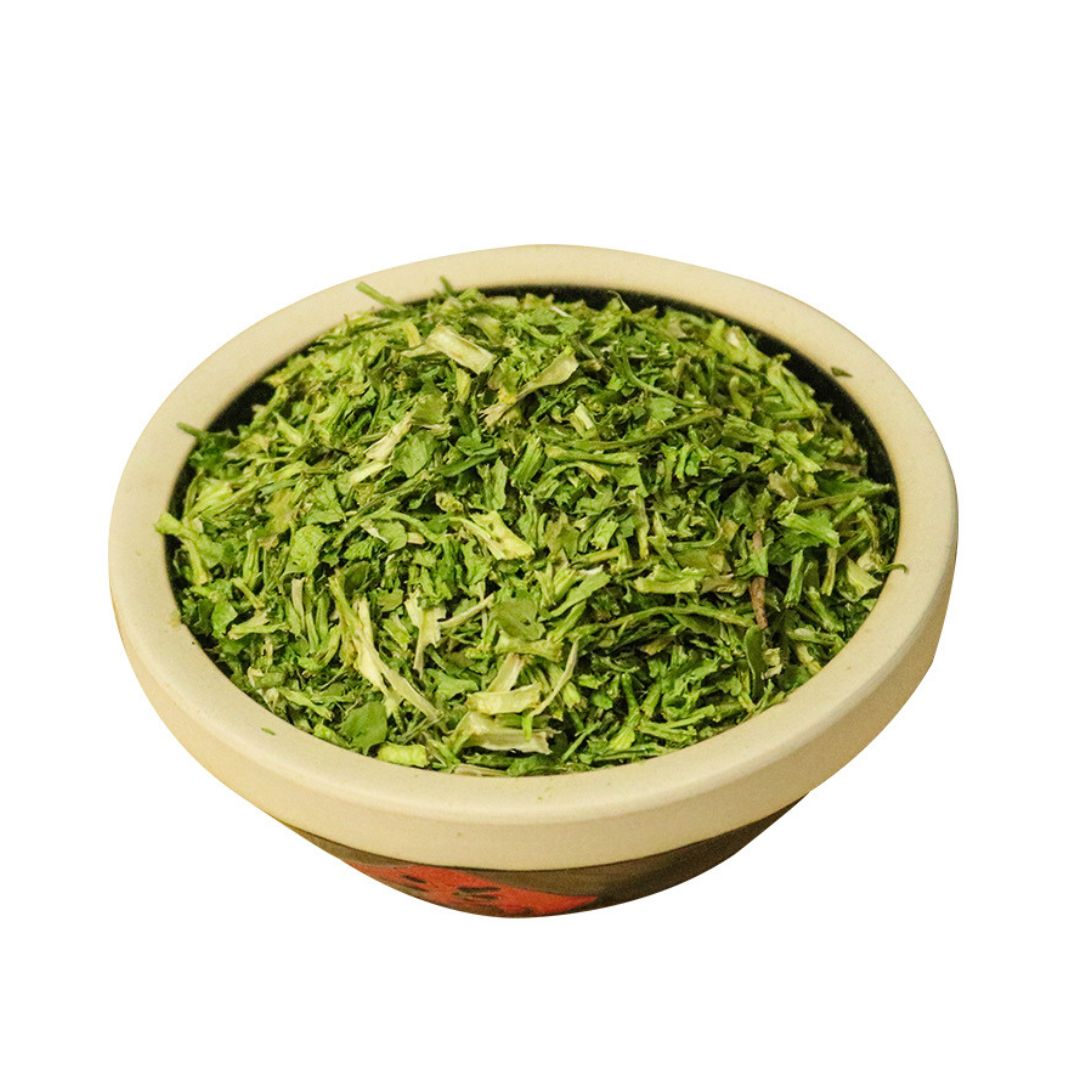
Dried cilantro, also known as dehydrated coriander leaves, is derived from the Coriandrum sativum plant. It offers a convenient alternative to fresh cilantro, and it maintains its flavor and aroma. The drying process concentrates the essential oils, which results in a more intense taste. The plant is native to the Mediterranean region and is now cultivated worldwide for both its leaves and seeds. The herb is an essential ingredient in many cuisines, including Mexican, Indian, and Southeast Asian dishes, and is known for its bright, citrusy flavor.
Production Process
The production of dried cilantro involves several key steps. First, fresh cilantro leaves are harvested at their peak flavor. The leaves are then thoroughly washed to remove any dirt or debris. Next, the cilantro is dried using methods such as air-drying, and freeze-drying. Hot air drying and microwave drying can also be used. Air-drying involves spreading the leaves in a thin layer on trays and allowing them to dry naturally in a well-ventilated area. Freeze-drying, also known as lyophilization, involves freezing the cilantro and then subjecting it to a vacuum to remove the ice crystals through sublimation, which helps retain more of the original flavor and aroma. The dried cilantro is then inspected for quality, sorted to remove any stems or discolored leaves, and milled to a consistent particle size if required. Finally, the product is packaged in airtight containers to prevent moisture absorption and maintain its quality during storage.
Product Applications
Dried cilantro is highly versatile and finds applications in a wide range of culinary preparations. It is commonly used to season soups, stews, and sauces, adding a fresh, herbaceous note to these dishes. In Mexican cuisine, it is a key ingredient in salsas, guacamole, and taco fillings. In Indian cooking, dried cilantro is often added to curries, chutneys, and raitas. It can also be used in dry rubs and marinades for meats and vegetables, and it offers a convenient way to enhance the flavor of salads, dips, and dressings. Additionally, and because of its concentrated flavor, smaller quantities of dried cilantro are required.
Packaging and Storage
Proper packaging and storage are crucial for maintaining the quality of dried cilantro. The product should be packaged in airtight containers, such as sealed bags, glass jars, or plastic containers with tight-fitting lids. These containers protect the cilantro from moisture, oxygen, and light, all of which can degrade its flavor and aroma. It is important to store the dried cilantro in a cool, dry, and dark place, away from direct sunlight and heat sources. The ideal storage temperature is below 70°F (21°C). Avoid storing it near strong-smelling foods, as it can absorb odors, and with proper storage, dried cilantro can maintain its quality for up to one to two years.
Citations:
- Verma, R. S., et al. "Microwave and heat-assisted drying effects on physicochemical, nutritional, and bioactive attributes of coriander leaves." Food Chemistry 338 (2021): 128084.
- Ratti, Cristina. "Hot air and freeze-drying of high-value foods: a review." Journal of Food Engineering 49.4 (2001): 311-319.
- Dhanapal, K., et al. "Effect of drying methods on quality characteristics and antioxidant properties of coriander leaves." Journal of Food Science and Technology 50.5 (2013): 945-951.

As a sales manager, I’m here to make sure you get exactly what you need for your dietary supplements. From sourcing to delivery, I’m always by your side, ensuring smooth and friendly service. Let’s make your products even better! 🥰🌿