

Product Introduction
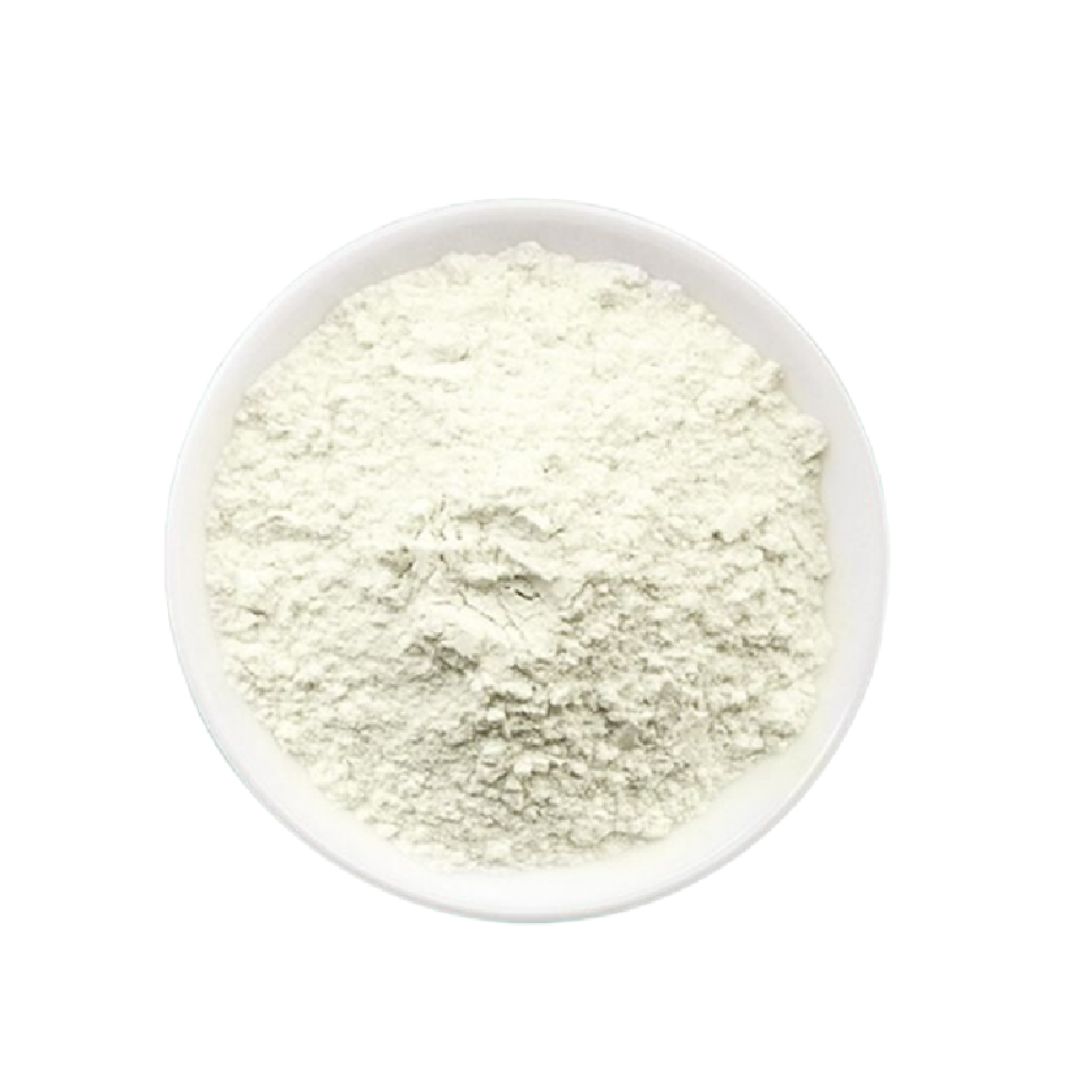
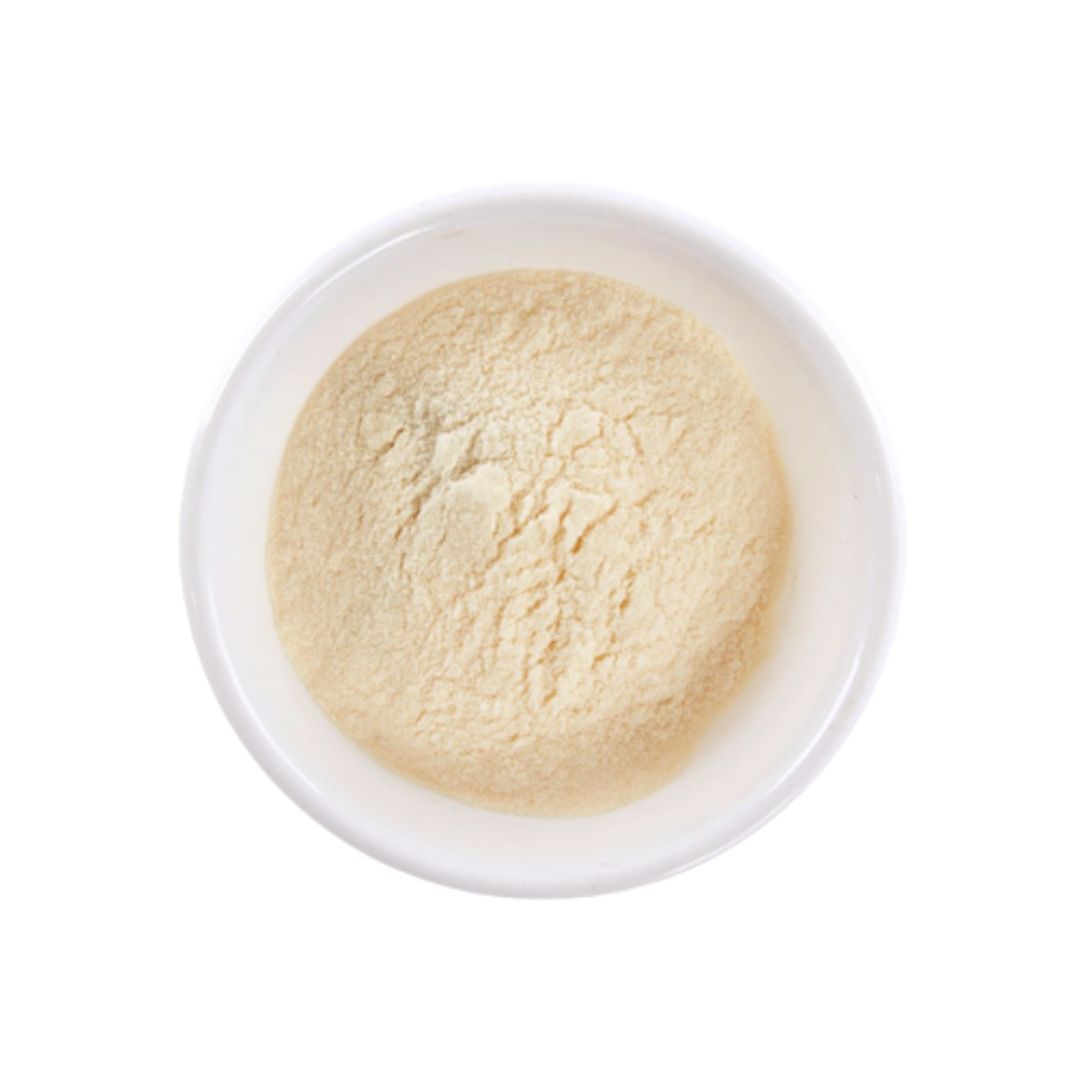
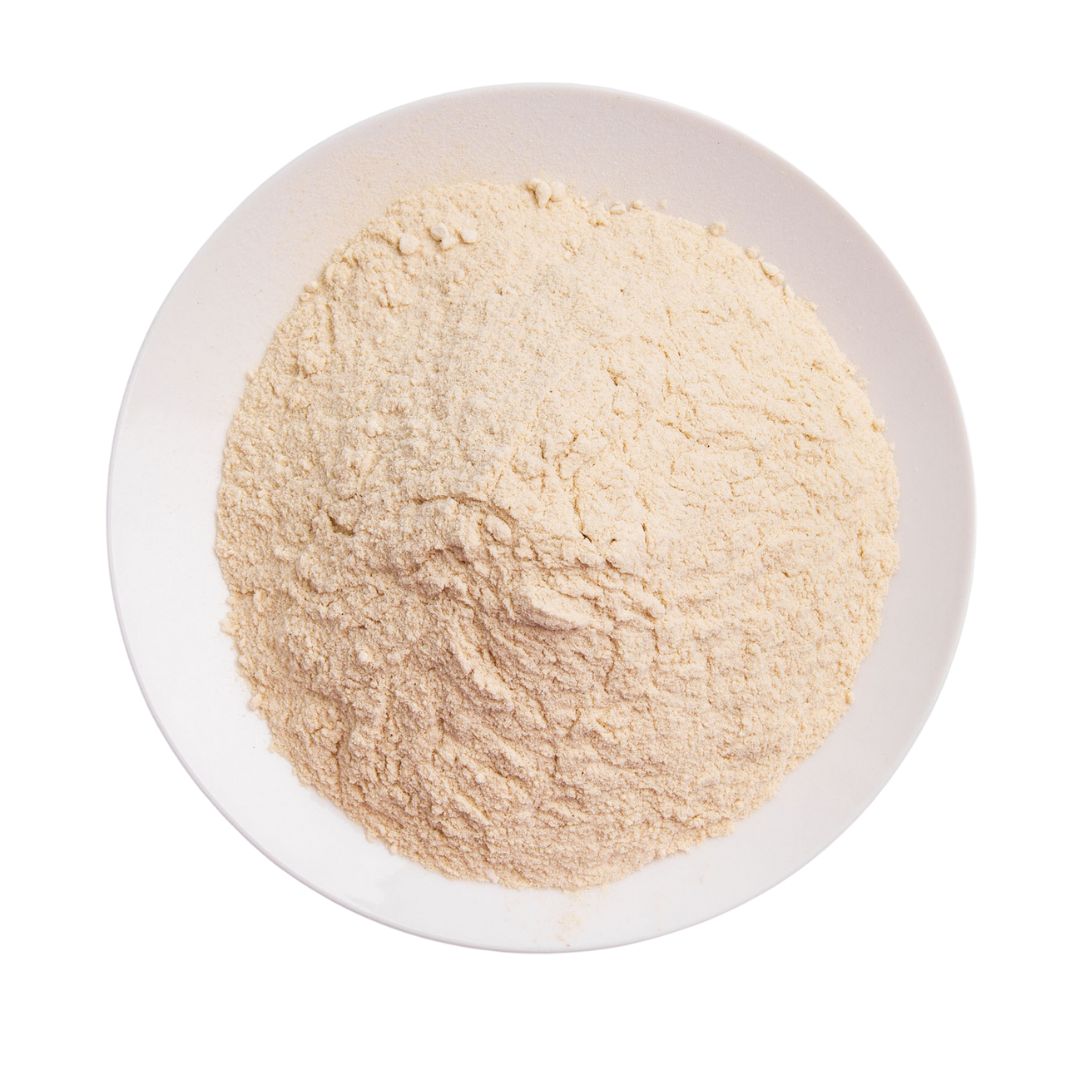
Freeze-dried banana powder is made from fresh bananas that have undergone a freeze-drying process, which removes moisture while preserving the fruit’s natural flavor, color, and nutrients; this process results in a lightweight, concentrated powder that can be easily incorporated into various food and beverage applications. The powder retains many of the health benefits of fresh bananas, making it a convenient and nutritious ingredient. It offers a natural sweetness and a subtle banana flavor, making it a popular choice for enhancing the taste and nutritional content of different recipes.
Production Process
The production of freeze-dried banana powder involves several key steps. First, fresh, ripe bananas are selected; they are then peeled and sliced to prepare them for processing. The banana slices are then rapidly frozen and placed in a freeze-drying chamber where the moisture is removed through a process called sublimation. During sublimation, the frozen water transitions directly from a solid state to a gaseous state, bypassing the liquid phase, which helps retain the banana's structure and nutrients. After freeze-drying, the resulting banana pieces are milled into a fine powder; the powder is then packaged to maintain its freshness and prevent moisture absorption.
Nutritional Composition Table
A general nutritional profile for freeze-dried banana powder is as follows (per 100g):
- Calories: Approximately 350-380 kcal
- Protein: 4-6g
- Fat: 1-2g
- Carbohydrates: 80-90g
- Fiber: 7-10g
- Potassium: 1500-2000mg
- Vitamin B6: 0.5-0.7mg
- Magnesium: 50-70mg
Note: Nutritional values may vary based on the specific banana variety and processing methods.
Product Benefits and Functions
Freeze-dried banana powder offers several potential health benefits. It is an excellent source of potassium, which is essential for maintaining healthy blood pressure and heart function [1]. The dietary fiber content in banana powder promotes digestive health by supporting regular bowel movements and nourishing beneficial gut bacteria [2]. Additionally, the carbohydrates in banana powder provide a natural source of energy. Vitamin B6, also present in banana powder, plays a crucial role in brain development and function, as well as in the production of red blood cells [3].
Product Application Scenarios
Freeze-dried banana powder can be used in a wide range of applications. It is a popular addition to smoothies, providing natural sweetness and a creamy texture. In baking, it can be incorporated into bread, muffins, and pancakes to enhance flavor and nutritional content. It is also used in the production of baby food, offering a natural and easily digestible source of nutrients. Furthermore, freeze-dried banana powder can be used in the formulation of nutritional supplements and sports nutrition products. It can also be added to yogurt, oatmeal, and other breakfast cereals for an extra boost of flavor and nutrition.
Botanical Source
Bananas are primarily derived from the Musa genus, particularly Musa acuminata and Musa balbisiana. These species are native to Southeast Asia and are now cultivated in many tropical and subtropical regions around the world [4]. Different varieties of bananas are used to produce freeze-dried banana powder, with the choice of variety influencing the final product’s flavor and nutritional profile.
Packaging and Storage
Freeze-dried banana powder should be packaged in airtight containers or resealable bags to prevent moisture absorption and maintain its quality. The packaging material should be food-grade and designed to protect the powder from light and air exposure. It is recommended to store the product in a cool, dry place, away from direct sunlight and heat sources, to prolong its shelf life and prevent degradation of its nutritional properties. Properly stored, freeze-dried banana powder can maintain its quality for up to 12-24 months.
Citations
- "Potassium and Health." National Institutes of Health.
- Anderson, J. W., et al. "Health implications of dietary fiber." Nutrition Reviews 56.1 (1998): 1-18.
- "Vitamin B6." National Institutes of Health.
- Heslop-Harrison, J. S. "Development of genome analysis in Musa." Functional Plant Science and Biotechnology 2.2 (2008): 79-89.

As a sales manager, I’m here to make sure you get exactly what you need for your dietary supplements. From sourcing to delivery, I’m always by your side, ensuring smooth and friendly service. Let’s make your products even better! 🥰🌿