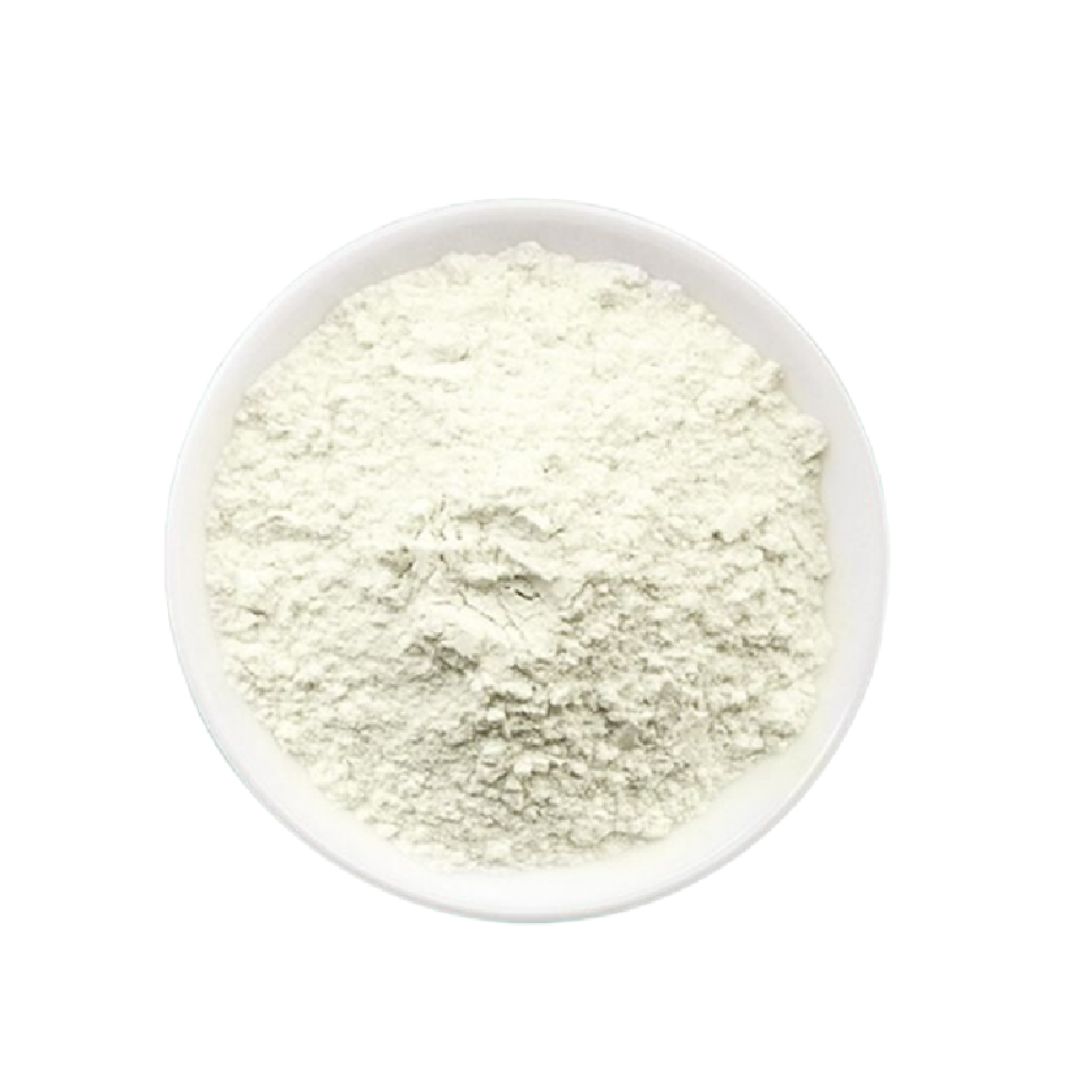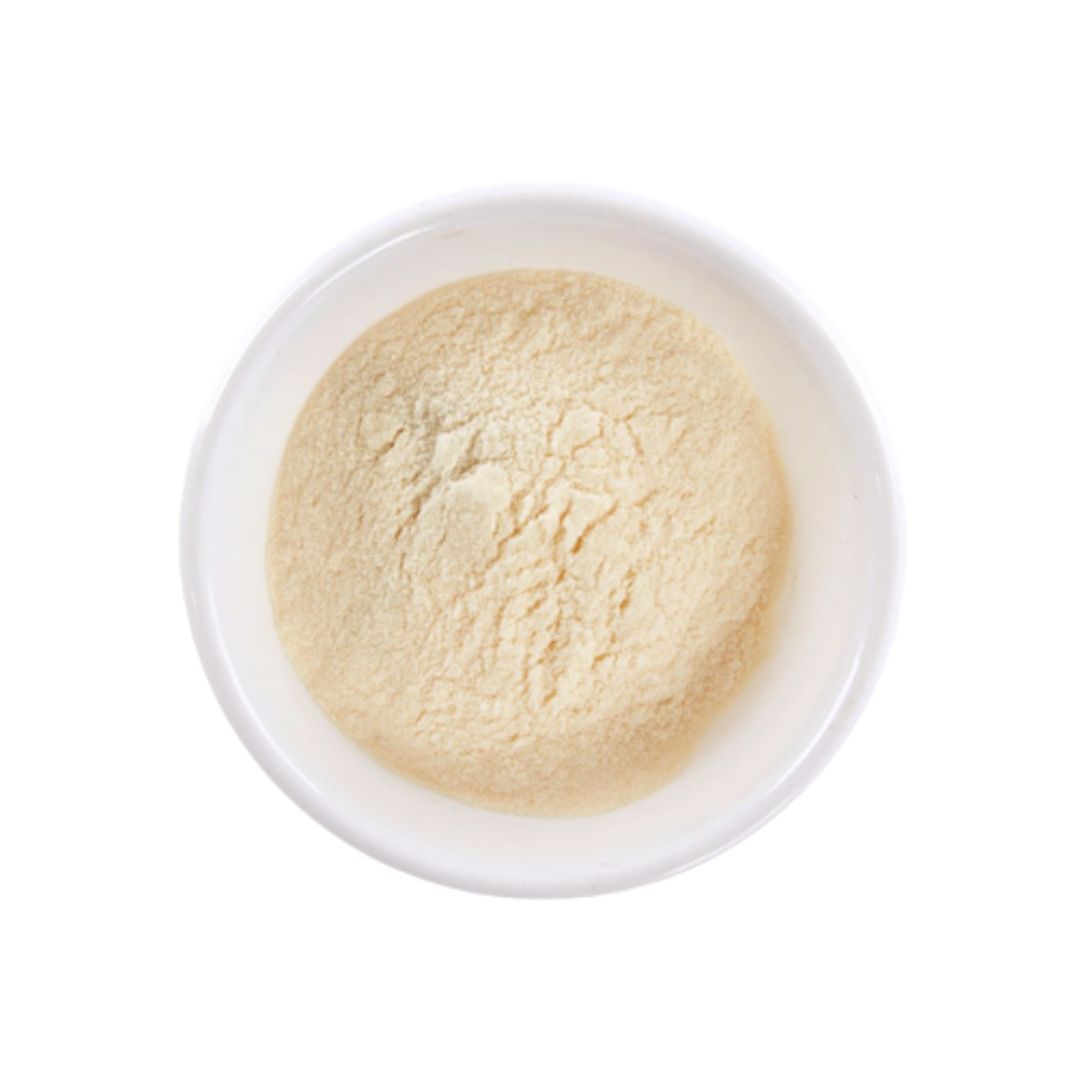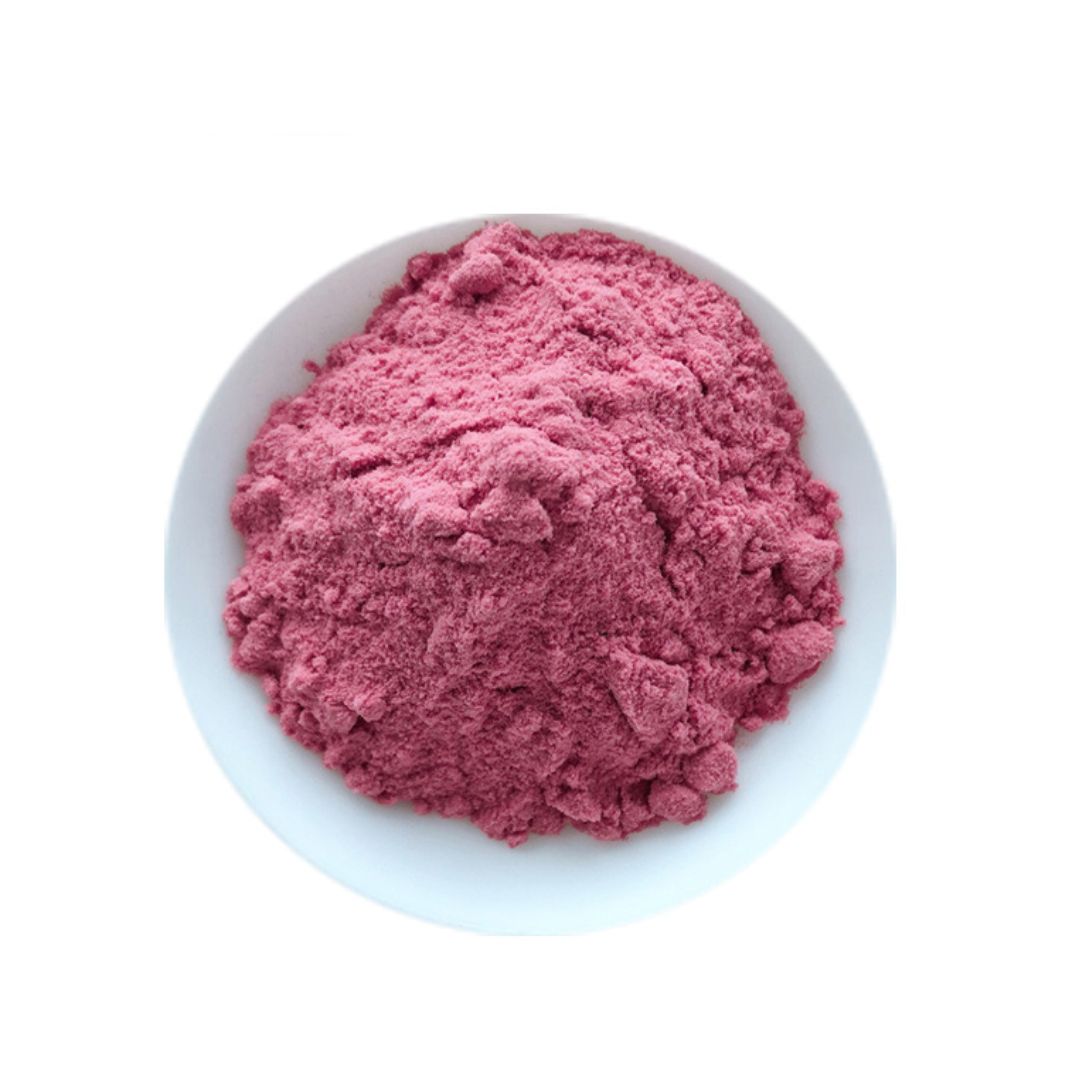


Product Introduction
Freeze-dried black currant powder is a concentrated form of black currants, created through a process that removes moisture while preserving the fruit's nutritional properties. Black currants, scientifically known as Ribes nigrum, are small, dark berries known for their tart flavor and high vitamin C content [1]. The powder form offers a convenient way to incorporate the benefits of black currants into various food and beverage applications.
Production Process
The production of freeze-dried black currant powder involves several key steps. Fresh black currants are first harvested and cleaned to remove any debris. The cleaned berries are then frozen rapidly. Next, the frozen black currants undergo a freeze-drying process, also known as lyophilization, where they are placed in a vacuum chamber. In this chamber, the frozen water in the berries sublimates, transitioning directly from a solid to a gaseous state, bypassing the liquid phase. After freeze-drying, the resulting dried black currants are milled into a fine powder. This powder is then packaged to protect it from moisture and air, ensuring its long-term stability and nutritional integrity.
Nutritional Composition Table
A typical nutritional composition of freeze-dried black currant powder per 100g serving is outlined below. Note that values may vary slightly based on the specific variety and processing techniques [2]:
| Nutrient | Amount (Approximate) |
|---|---|
| Vitamin C | 200-400 mg |
| Dietary Fiber | 30-40 g |
| Total Antioxidants | High |
| Total Sugars | 20-30 g |
| Potassium | 700-900 mg |
| Calcium | 50-70 mg |
| Iron | 2-4 mg |
Product Benefits and Functions
Freeze-dried black currant powder offers a range of potential health benefits due to its rich nutritional profile. The high vitamin C content supports immune function and helps protect against oxidative stress [3]. The antioxidants, including anthocyanins, contribute to cardiovascular health by reducing inflammation and improving blood vessel function [4]. Dietary fiber aids in digestive health and can help regulate blood sugar levels [5]. Some studies suggest black currants may also support cognitive function and eye health [6].
Product Application Scenarios
Freeze-dried black currant powder can be incorporated into various food and beverage products. It is commonly added to smoothies, yogurt, and breakfast cereals to enhance their nutritional value and provide a natural purple color [7]. In baking, it can be used in muffins, cakes, and other desserts. The powder is also used in the formulation of dietary supplements, such as capsules and tablets. Additionally, it can be mixed with water or other beverages to create a nutritious drink. Its concentrated nature makes it a versatile ingredient for both home and commercial use [8].
Botanical Source
The botanical source of black currant powder is the Ribes nigrum plant, a shrub belonging to the Grossulariaceae family. This plant is native to central and northern Europe and Asia [9]. Black currant bushes typically grow to a height of 1 to 2 meters and produce clusters of small, dark berries. These berries are characterized by their unique flavor, which is both tart and slightly sweet. Cultivation of black currants occurs in many temperate regions worldwide, with commercial production focused on specific varieties known for their high yield and nutritional content [10].
Packaging and Storage
Proper packaging and storage are crucial for maintaining the quality and efficacy of freeze-dried black currant powder. The powder should be packaged in airtight, moisture-proof containers to prevent degradation [11]. Suitable packaging materials include sealed bags made of multilayered films or airtight jars. Storage should be in a cool, dry place, away from direct sunlight and heat. Recommended storage temperatures are typically below 25°C (77°F) [12]. Under these conditions, freeze-dried black currant powder can retain its quality for up to 12-24 months.
Citations:
[1] Maatta-Riihinen, K. R., Kamal-Eldin, A., & Törrönen, R. (2004). Identification and quantification of phenolic compounds in berries ofFragaria × ananassa. Journal of Agricultural and Food Chemistry, 52(20), 6178-6187.
[2] USDA FoodData Central. (n.d.). Blackcurrants, raw.
[3] Frei, B., et al. (2012). Authors' perspective: What is the appropriate intake of vitamin C in humans? Critical Reviews in Food Science and Nutrition, 52(9), 815-829.
[4] Khoo, G. M., et al. (2017). Anthocyanidins and anthocyanins: Recent advances in chemistry and biology. Journal of Agricultural and Food Chemistry, 65(16), 2883-2898.
[5] Anderson, J. W., et al. (1998). Health implications of dietary fiber. Nutrition Reviews, 56(1), 1-18.
[6] Shukitt-Hale, B., et al. (2006). Memory and learning enhancement by age-related macula degeneration prevention with fruit extracts high in anthocyanins. Journal of Agricultural and Food Chemistry, 54(21), 8104-8109.
[7] Bolling, B. W., et al. (2008). The influence of processing on blueberry anthocyanins and antioxidant activity. Journal of Food Composition and Analysis, 21(7), 589-595.
[8] Zhang, Y., et al. (2018). Effects of drying methods on the bioactive compounds and antioxidant activity of black currants. LWT - Food Science and Technology, 96, 11-18.
[9] Hummer, K. E. (2010). Black Currant. Fruit Breeding, 105-124.
[10] Brennan, R. (2008). Currants and gooseberries. Crop Production Science in Horticulture, 17, 1-224.
[11] Ratti, C. (2001). Hot air and freeze-drying of high-value foods: a review. Journal of Food Engineering, 49(4), 311-319.
[12] Fellows, P. J. (2009). Food processing technology: principles and practice. Woodhead Publishing.

As a sales manager, I’m here to make sure you get exactly what you need for your dietary supplements. From sourcing to delivery, I’m always by your side, ensuring smooth and friendly service. Let’s make your products even better! 🥰🌿