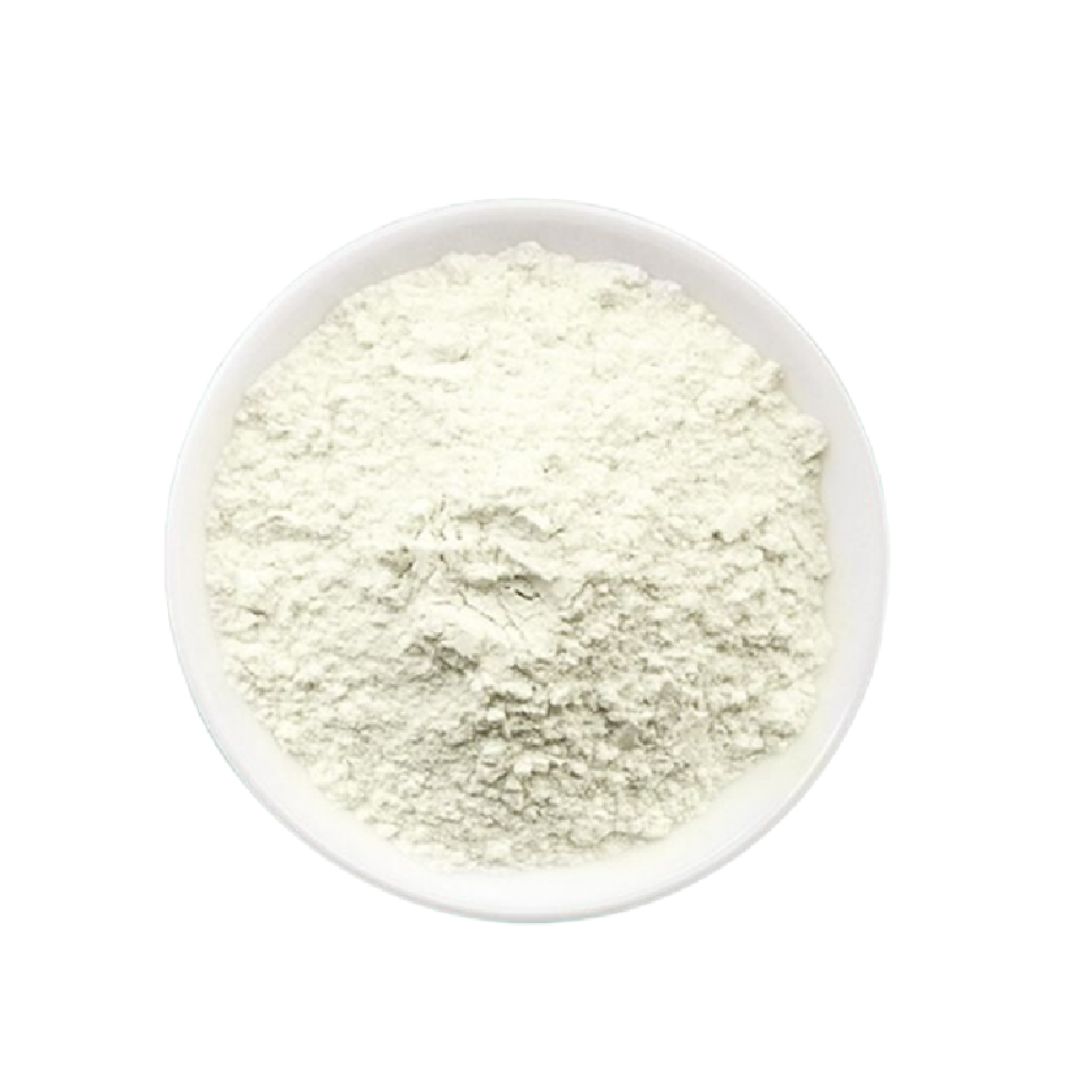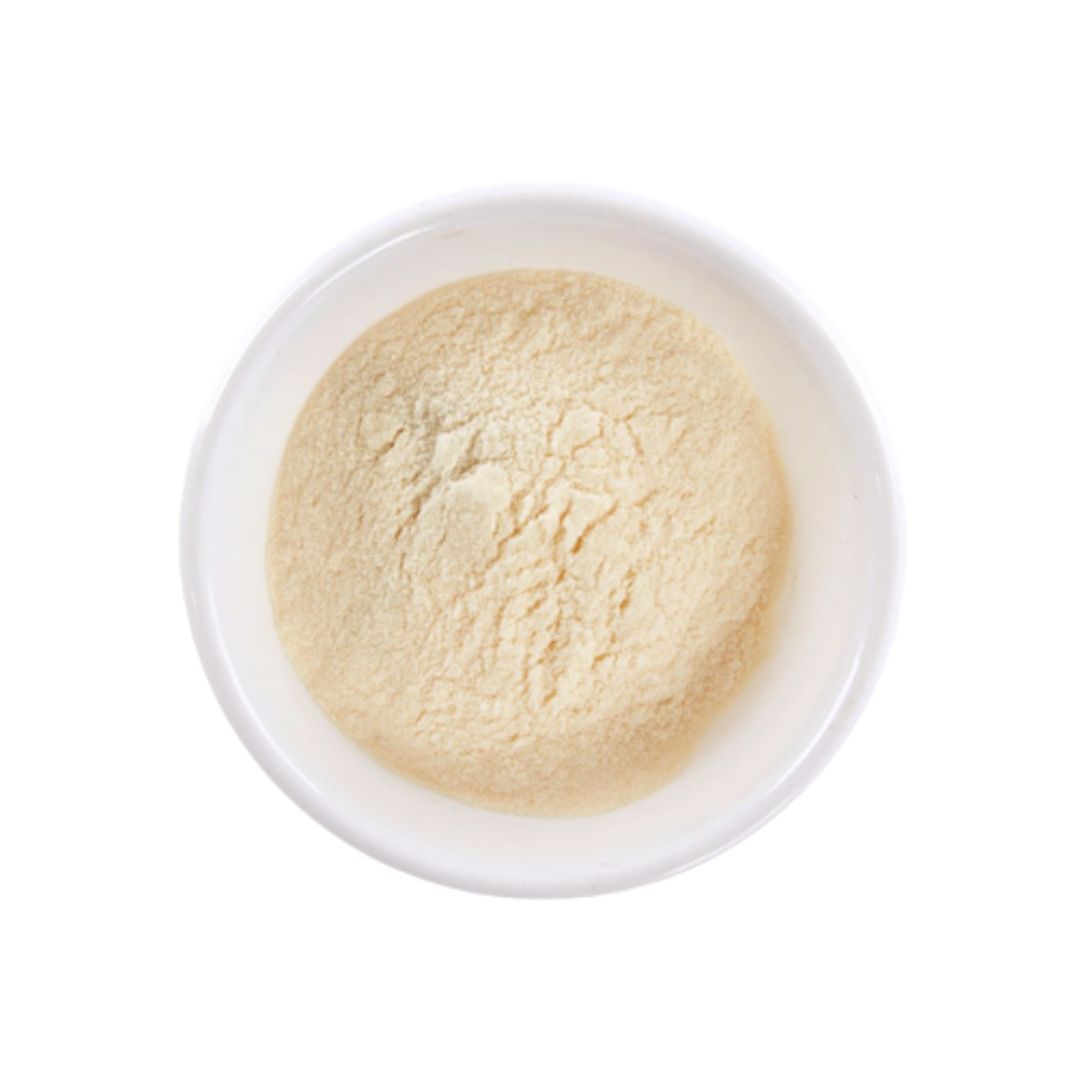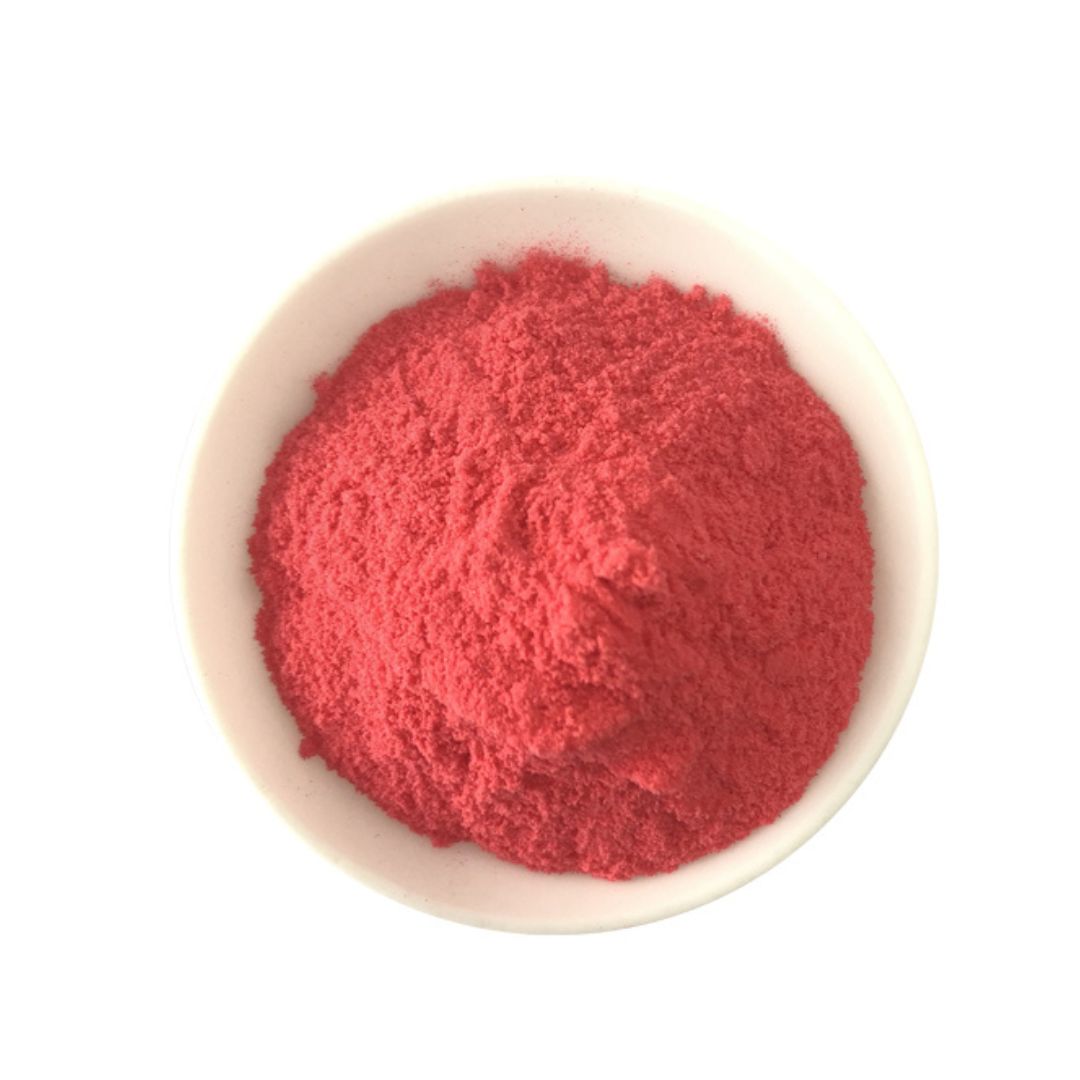


Product Introduction
Freeze-dried grapefruit powder is made from fresh grapefruits processed using freeze-drying technology, which preserves the fruit’s natural nutrients and flavor. This powder form offers a convenient way to incorporate the benefits of grapefruit into various applications, with a long shelf life. The process ensures that the vitamins, enzymes, and antioxidants inherent in grapefruit remain largely intact, providing a concentrated source of these beneficial compounds. Its ease of use and versatility make it a popular ingredient in both food and cosmetic industries.
Production Process
The production of freeze-dried grapefruit powder begins with selecting high-quality, fresh grapefruits. These grapefruits are thoroughly cleaned, and the peel is removed. The grapefruit segments are then sliced or diced. Next, these segments are flash-frozen to very low temperatures. The frozen grapefruit is then placed in a freeze-drying chamber, where the water is removed through a process called sublimation, converting the ice directly into vapor under vacuum conditions. After freeze-drying, the resulting solid is milled into a fine powder, which is then packaged to maintain freshness and prevent moisture absorption.
Nutritional Composition Table
| Nutrient | Amount per 100g (approximate) |
|---|---|
| Vitamin C | 30-50 mg |
| Vitamin A | 500-800 IU |
| Dietary Fiber | 10-20 g |
| Total Sugars | 50-70 g |
| Antioxidants | Varies based on variety |
| Moisture Content | 2-5 g |
Note: Nutritional values can vary based on the specific grapefruit variety and processing techniques.
Product Benefits and Functions
Freeze-dried grapefruit powder offers several health benefits attributed to its rich nutritional profile. The high vitamin C content supports the immune system by enhancing the function of immune cells and acting as an antioxidant to protect against oxidative stress [1]. The vitamin A contributes to healthy vision, skin, and immune function [2]. Dietary fiber aids in digestion, promoting gut health and regularity [3]. The antioxidants in grapefruit powder, such as flavonoids, help combat free radicals in the body, reducing the risk of chronic diseases [4].
Product Application Scenarios
Freeze-dried grapefruit powder can be used in a wide range of applications. In the food industry, it can be added to smoothies, juices, and other beverages for an extra boost of flavor and nutrients. It can also be incorporated into baked goods, such as muffins, cakes, and cookies, providing a tangy flavor and enhancing the nutritional content. In the cosmetic industry, grapefruit powder can be used in facial masks, scrubs, and other skincare products due to its antioxidant and skin-brightening properties [5]. Additionally, it can be used as a natural flavoring agent in various culinary creations.
Botanical Source
Grapefruit (Citrus paradisi) is a subtropical citrus fruit known for its sour to semi-sweet taste. It is believed to have originated as a natural hybrid between pomelo (Citrus maxima) and sweet orange (Citrus sinensis) in Barbados [6]. Grapefruit trees typically grow to a height of 5-6 meters, featuring glossy, dark green leaves and producing large, round fruits with a characteristic pink or red flesh. The fruit is widely cultivated in warm climates around the world, including the United States, Israel, and South Africa.
Packaging and Storage
Freeze-dried grapefruit powder should be packaged in airtight, moisture-proof containers to maintain its quality, prevent clumping, and extend its shelf life. Suitable packaging materials include sealed foil pouches, airtight plastic containers, and glass jars with tight-fitting lids. It should be stored in a cool, dry place, away from direct sunlight and high temperatures. The ideal storage temperature is between 4°C and 22°C (40°F and 72°F). When stored properly, freeze-dried grapefruit powder can maintain its quality and nutritional properties for up to 12-24 months.
Citations
[1] Carr, A. C., & Maggini, S. (2017). Vitamin C and Immune Function. Nutrients, 9(11), 1211.
[2] National Institutes of Health. (n.d.). Vitamin A. Office of Dietary Supplements.
[3] Anderson, J. W., et al. (1998). Health implications of dietary fiber. Nutrition Reviews, 56(1), 1-18.
[4] Panche, A. N., Diwan, A. D., & Chandra, S. R. (2016). Flavonoids: an overview. Journal of Nutritional Science, 5, e47.
[5] Kapoor, S. (2005). Anti-ageing effects of fruit extracts. International Journal of Cosmetic Science, 27(3), 155-162.
[6] Scora, R. W. (1975). On the origin of Citrus. Evolutionary Biology, 8, 181-277.

As a sales manager, I’m here to make sure you get exactly what you need for your dietary supplements. From sourcing to delivery, I’m always by your side, ensuring smooth and friendly service. Let’s make your products even better! 🥰🌿