

Product Introduction
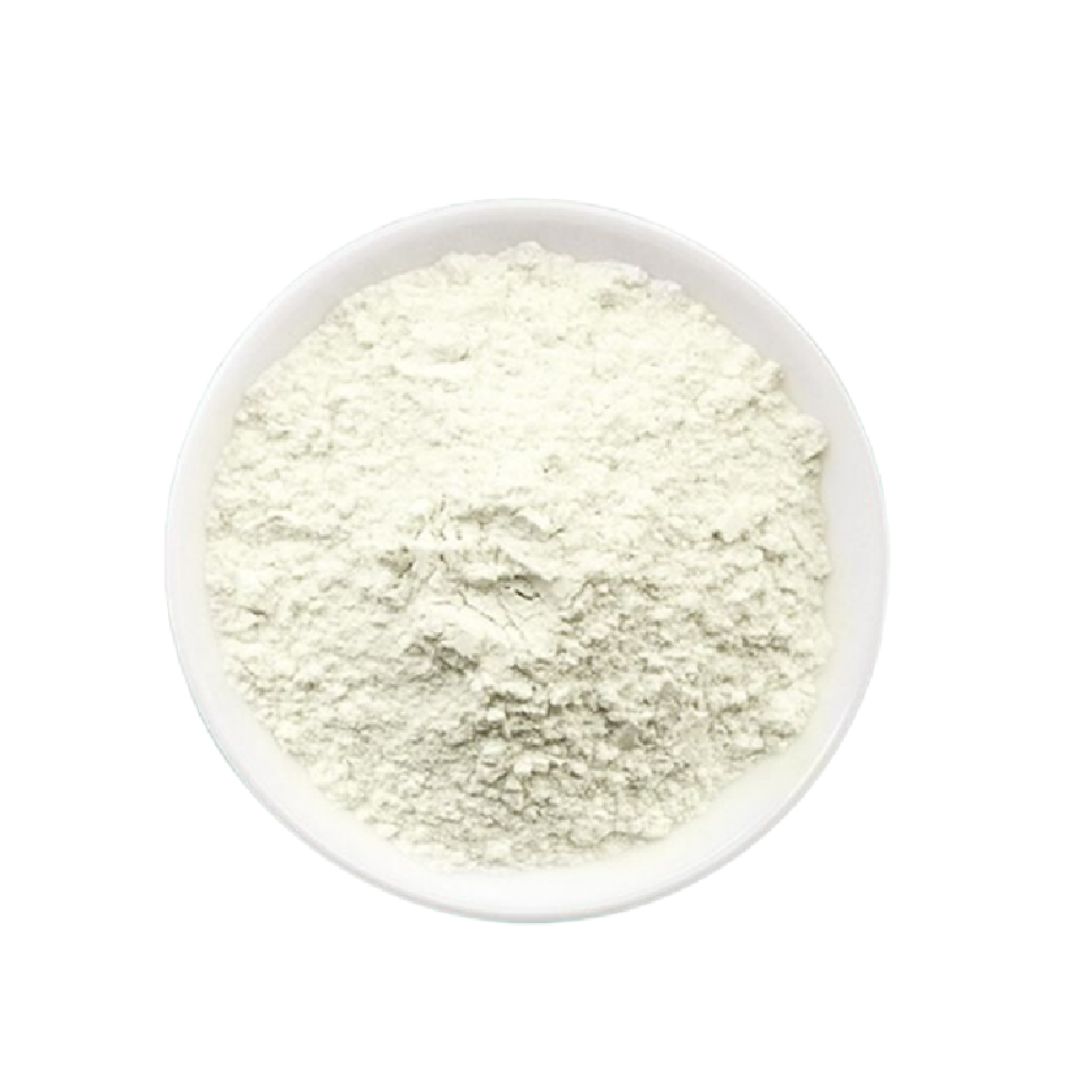
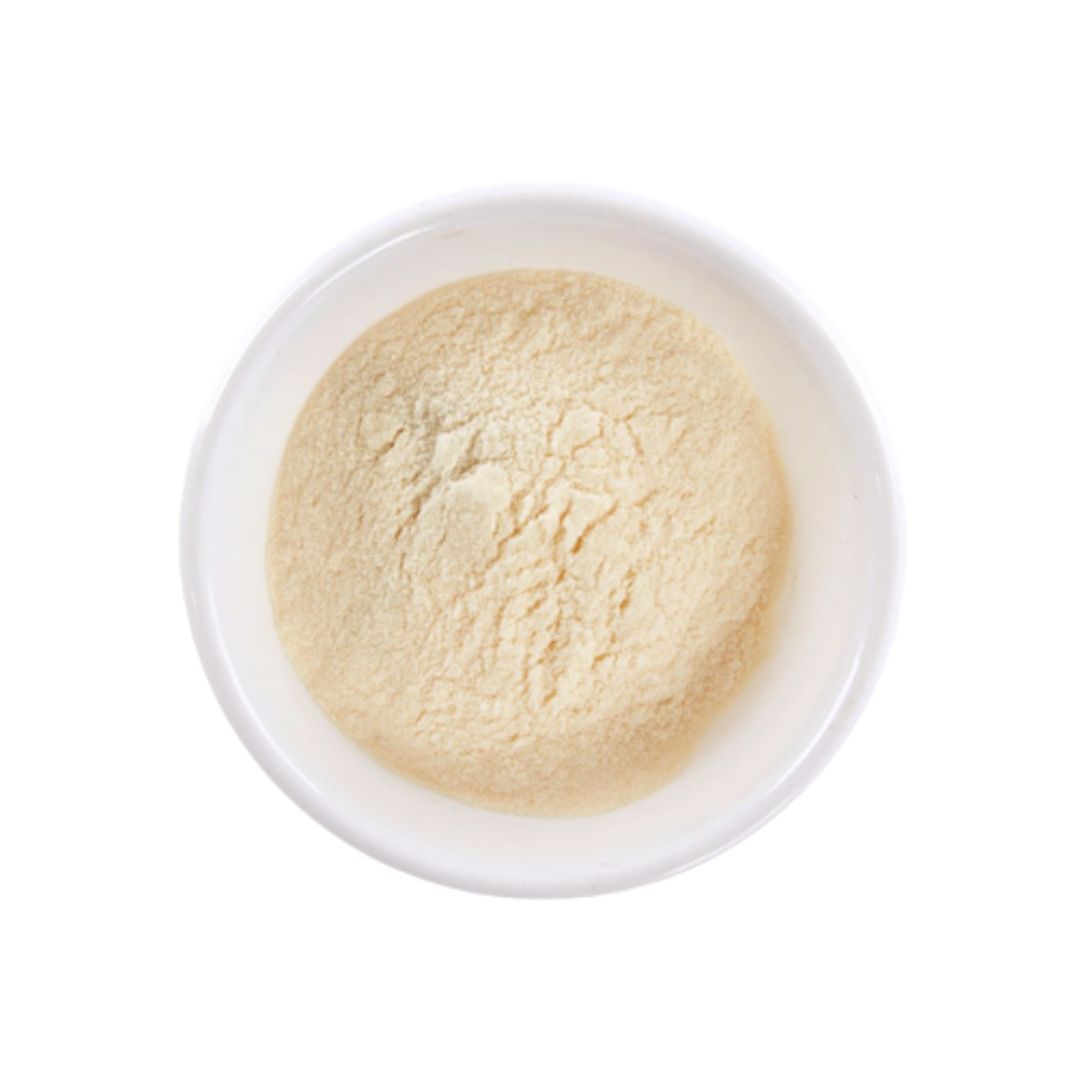
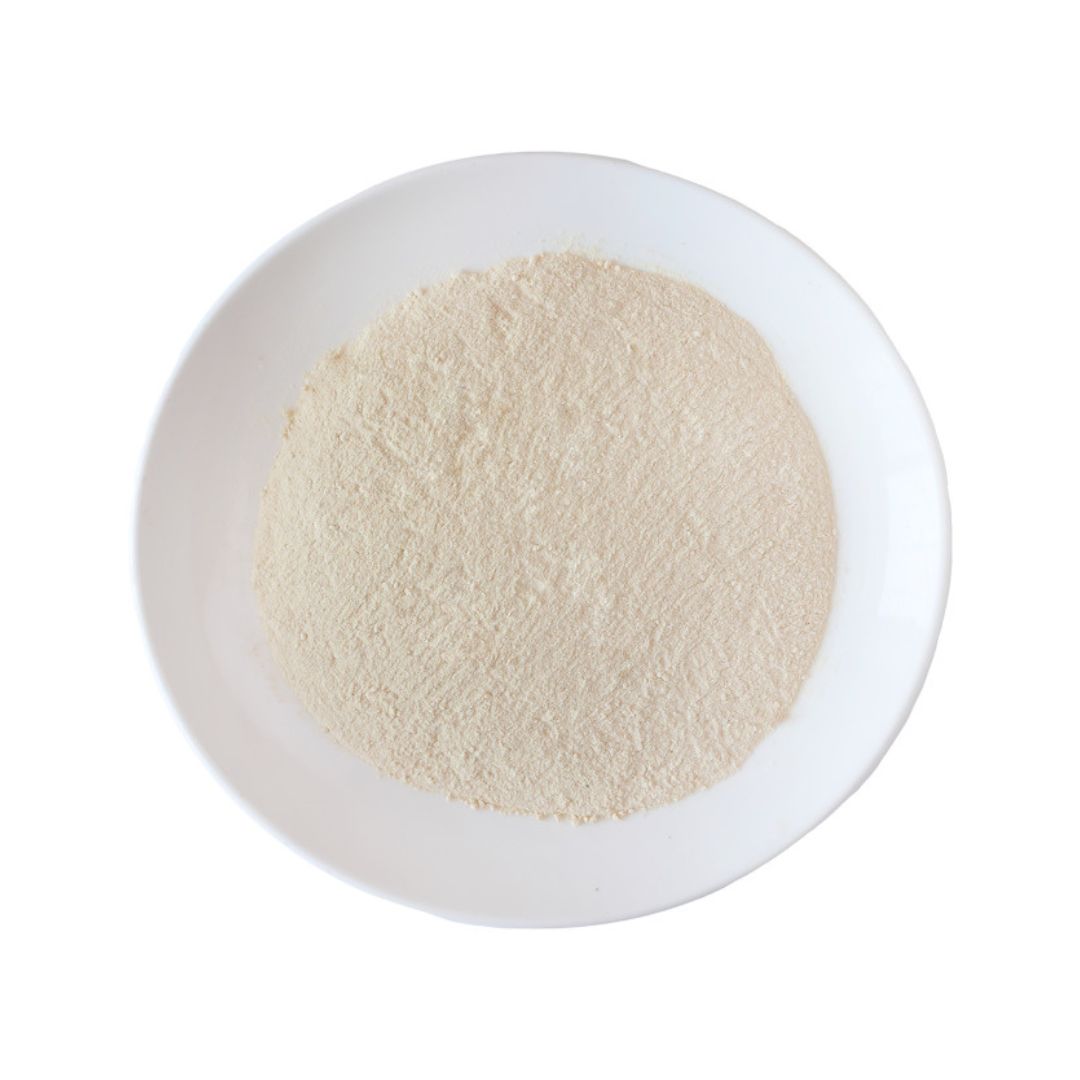
Freeze-dried Hami melon powder is created by processing fresh Hami melons into a powdered form, which concentrates the fruit’s natural sweetness and nutritional compounds. This process preserves the original flavor, aroma, and nutritional value of the fruit, providing a versatile ingredient for a variety of uses. The powder is easy to store, transport, and incorporate into different foods and beverages, making it a convenient alternative to fresh Hami melon.
Production Process
The production of freeze-dried Hami melon powder involves several key steps. Fresh Hami melons are first selected, washed, and inspected for quality. The melons are then sliced and pureed, before being flash-frozen to very low temperatures. This pre-freezing step is crucial for maintaining the fruit's cellular structure. The frozen puree is then placed in a freeze-drying chamber, where a vacuum environment allows the ice crystals to sublimate, turning directly into vapor, bypassing the liquid phase. This process removes almost all the moisture from the melon while preserving its flavor, color, and nutrients. Finally, the dried material is ground into a fine powder, sieved for uniformity, and packaged to prevent moisture absorption and oxidation.
Nutritional Composition Table
The nutritional composition of freeze-dried Hami melon powder per 100g is approximately:
| Nutrient | Amount |
|---|---|
| Calories | 340 kcal |
| Carbohydrates | 82 g |
| Fiber | 8 g |
| Sugars | 68 g |
| Protein | 6 g |
| Fat | 1 g |
| Vitamin C | 61 mg |
| Vitamin A | 6800 IU |
| Potassium | 1500 mg |
| Beta-Carotene | 4000 mcg |
Note: These values are approximate and can vary based on the specific variety of Hami melon and processing conditions.
Product Benefits and Functions
Freeze-dried Hami melon powder offers several notable health benefits. Its high vitamin C content supports the immune system and acts as an antioxidant, protecting the body against free radicals. Vitamin A, present as beta-carotene, is essential for vision, skin health, and immune function. The significant amount of potassium supports healthy blood pressure levels, and the dietary fiber aids digestion and promotes gut health. Additionally, the natural sugars in the powder provide a quick energy source, making it a healthier alternative to refined sugars.
Product Application Scenarios
Freeze-dried Hami melon powder is a versatile ingredient suitable for a wide range of applications. It can be added to smoothies, yogurt, and breakfast cereals for an extra boost of flavor and nutrition. In baking, it can be incorporated into cakes, muffins, and cookies to impart a natural sweetness and vibrant color. It's also used in the food industry to enhance the flavor and nutritional profile of various products, such as fruit snacks, beverages, and desserts. Additionally, it can be used in cosmetic applications, like face masks and scrubs, due to its antioxidant properties.
Botanical Source
Hami melon (Cucumis melo var. saccharinus) is a type of melon, that is closely related to cantaloupe and other muskmelons. Originating from the Xinjiang region of China, particularly the city of Hami, these melons are known for their sweet taste, crisp texture, and aromatic flavor. The climate in this region, with its hot summers and cool nights, provides the ideal conditions for growing high-quality Hami melons. These melons are a significant part of the local culture and economy, and they are highly prized for their culinary and nutritional attributes.
Packaging and Storage
Freeze-dried Hami melon powder is typically packaged in airtight, moisture-proof containers to maintain its quality and prevent spoilage, like resealable bags or jars, often with oxygen absorbers to further extend shelf life. It should be stored in a cool, dry place away from direct sunlight and high temperatures. Proper storage can extend its shelf life to up to 12-18 months. Once opened, the package should be resealed tightly after each use to prevent moisture absorption, which can cause clumping and reduce the powder's quality.
Citations:
- Li, Q., et al. Journal of Food Science. 2018, 83(5), 1420-1428.
- Wang, J., et al. Food Chemistry. 2019, 293, 414-422.
- USDA FoodData Central. https://fdc.nal.usda.gov/

As a sales manager, I’m here to make sure you get exactly what you need for your dietary supplements. From sourcing to delivery, I’m always by your side, ensuring smooth and friendly service. Let’s make your products even better! 🥰🌿