

Product Introduction
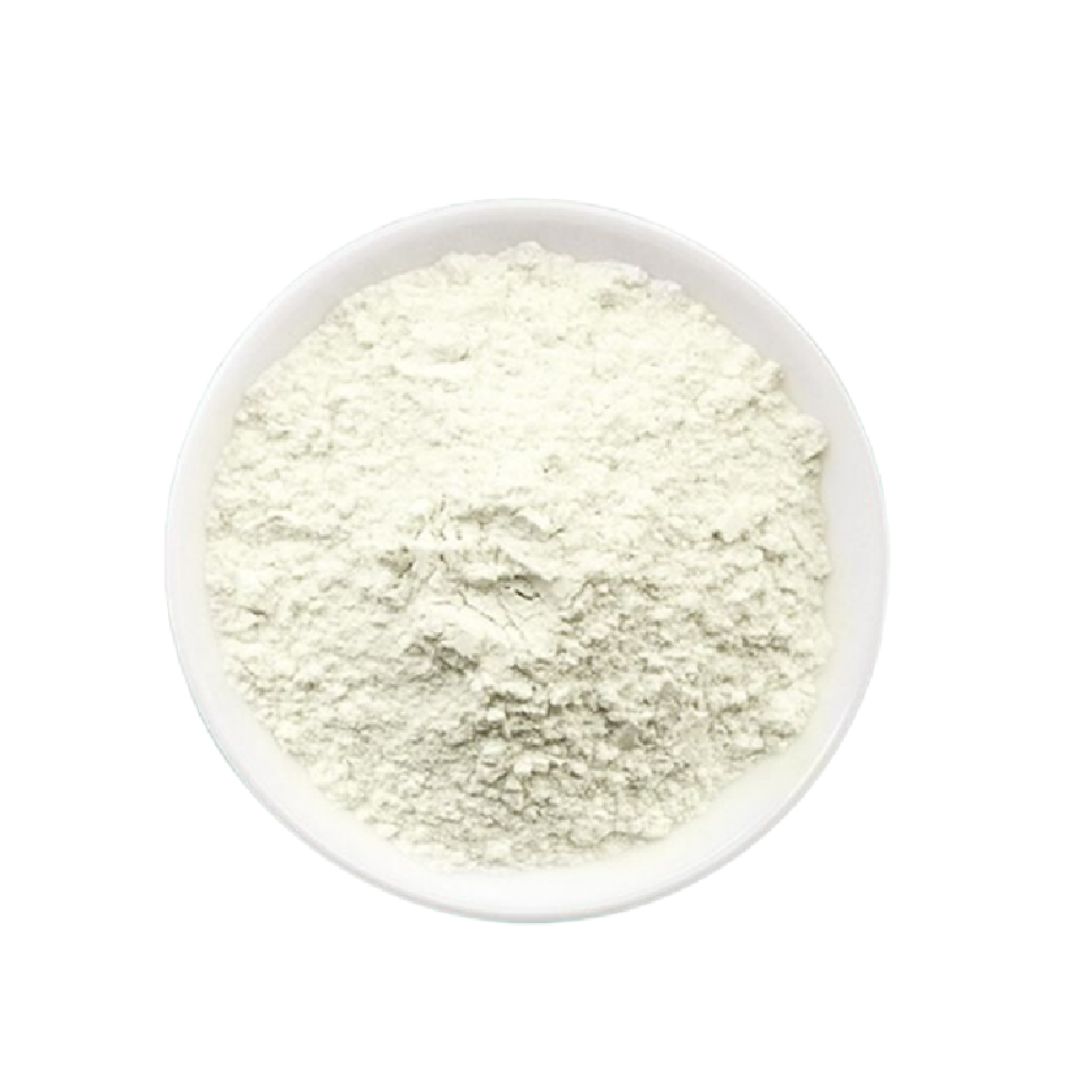
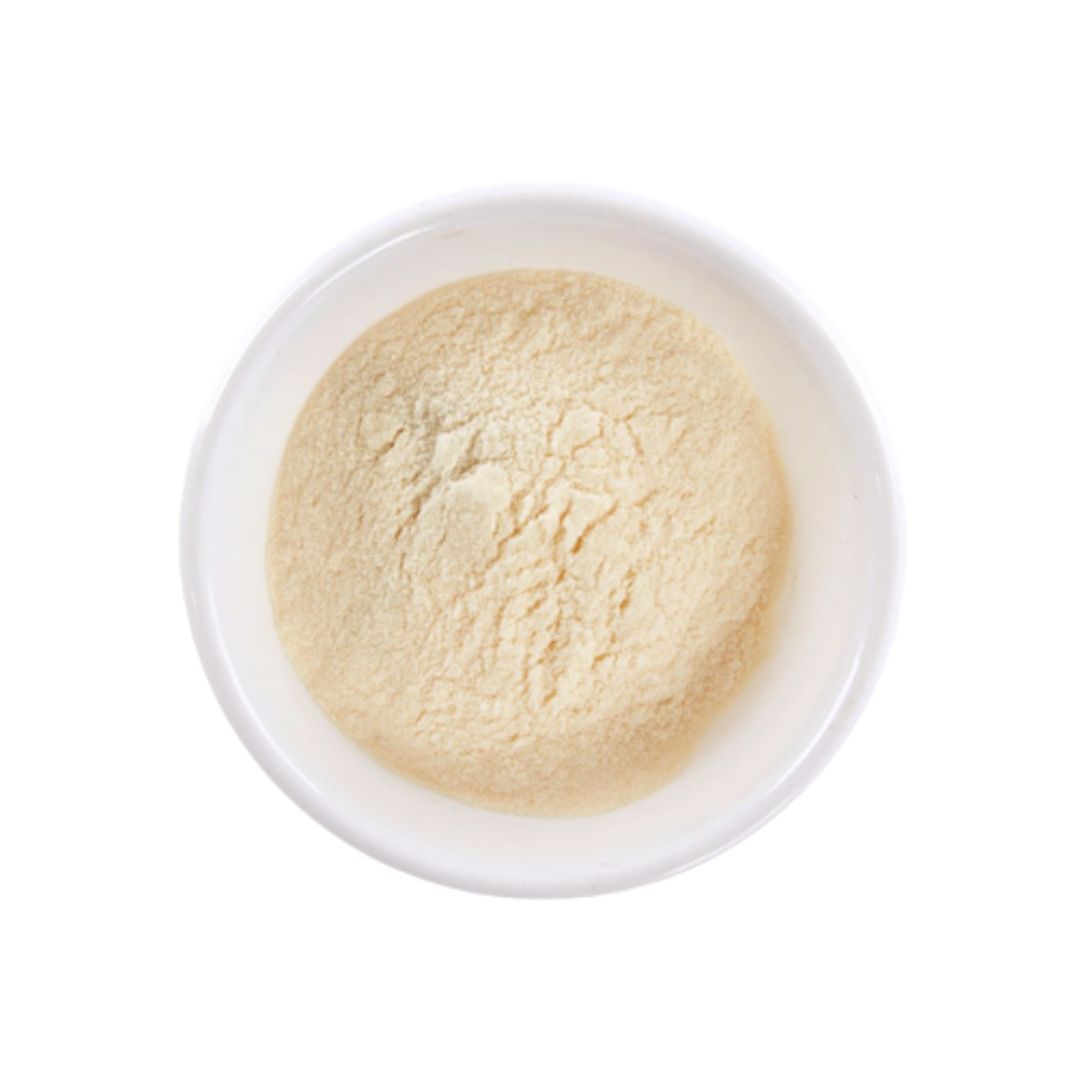
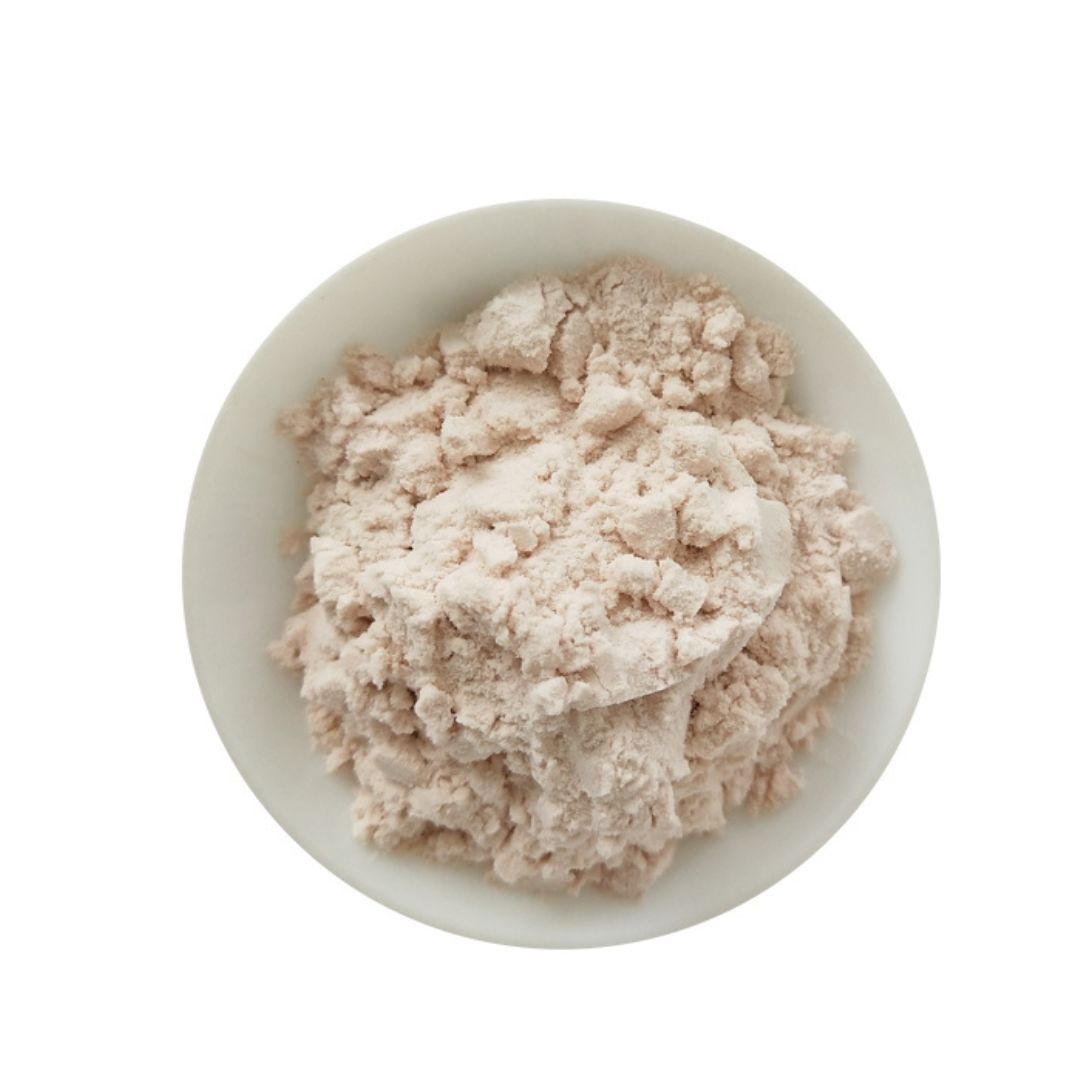
Freeze-dried lychee powder is a fine, pink to light red powder made from fresh lychee fruit. The lychee fruit, known for its sweet and aromatic flavor, is freeze-dried to preserve its nutritional properties and unique taste. This process ensures that the powder retains much of the original fruit’s vitamins, minerals, and antioxidants, making it a versatile ingredient for various applications.
Production Process
The production of freeze-dried lychee powder involves several key steps. First, fresh lychees are selected and cleaned. After cleaning, the fruits are typically processed to remove the skin and seeds. The lychee pulp is then frozen rapidly. This rapid freezing is crucial for forming ice crystals that are small, which helps in preserving the fruit's structure. Next, the frozen lychee pulp undergoes a process called lyophilization, also known as freeze-drying. During this stage, the frozen fruit is placed in a vacuum chamber where the ice crystals sublimate, transitioning directly from a solid to a gaseous state, bypassing the liquid phase. This process removes moisture while keeping the fruit's cellular structure intact. Finally, the freeze-dried lychee is ground into a fine powder, ready for packaging and distribution.
Nutritional Composition Table
Here is an approximate nutritional composition of lychee powder per 100g:
| Nutrient | Amount |
|---|---|
| Calories | 338 kcal |
| Carbohydrates | 85 g |
| Fiber | 5 g |
| Sugars | 70 g |
| Vitamin C | 70 mg |
| Copper | 0.2 mg |
| Potassium | 200 mg |
| Antioxidants | Varies based on lychee variety |
Note: Nutritional values can vary depending on the specific variety of lychee and processing methods.
Product Benefits and Functions
Freeze-dried lychee powder offers several health benefits, primarily due to its rich nutritional profile. Lychee is a good source of vitamin C, an essential nutrient known for its immune-boosting and antioxidant properties, according to the National Institutes of Health [1]. This vitamin aids in protecting the body against oxidative stress and supports overall immune function. Additionally, lychee contains copper, which is important for red blood cell formation and nerve function [2]. The antioxidants present in lychee, such as flavonoids, contribute to reducing inflammation and protecting cells from damage [3]. The fiber content in lychee powder supports digestive health.
Product Application Scenarios
Freeze-dried lychee powder can be used in a variety of applications. It is a popular ingredient in smoothies and beverages, where it adds a natural sweetness and a hint of tropical flavor. In the realm of desserts, it can be incorporated into ice creams, yogurts, and baked goods. This powder is also used in cosmetic formulations, leveraging its antioxidant properties for skincare products. Furthermore, it serves as a natural food coloring and flavoring agent.
Botanical Source
Lychee (Litchi chinensis) is a tropical fruit tree native to Southeast Asia, specifically the regions of southern China, northern Vietnam, and parts of Indonesia and the Philippines [4]. It belongs to the soapberry family, Sapindaceae. The fruit is characterized by its red, leathery skin and sweet, translucent pulp. Lychee trees thrive in warm, humid climates with well-drained soils. The cultivation of lychee has spread to various subtropical regions around the world, including India, South Africa, and Australia.
Packaging and Storage
To maintain the quality and freshness of freeze-dried lychee powder, proper packaging and storage are essential. The powder should be packaged in airtight containers or resealable bags to prevent moisture absorption. It is best stored in a cool, dry place away from direct sunlight. Maintaining these conditions will help to preserve the powder's flavor, color, and nutritional properties, ensuring a longer shelf life.
Citations:
- National Institutes of Health. Vitamin C. Retrieved from https://ods.od.nih.gov/factsheets/VitaminC-HealthProfessional/
- National Institutes of Health. Copper. Retrieved from https://ods.od.nih.gov/factsheets/Copper-HealthProfessional/
- Luo, X., et al. "Lychee: a review on its botany, chemistry, and nutritional value." Journal of Functional Foods 18 (2015): 666-679.
- Menzel, C.M., and Waite, G.K. "Litchi and Longan: botany, production and uses." CABI Publishing, 2005.

As a sales manager, I’m here to make sure you get exactly what you need for your dietary supplements. From sourcing to delivery, I’m always by your side, ensuring smooth and friendly service. Let’s make your products even better! 🥰🌿