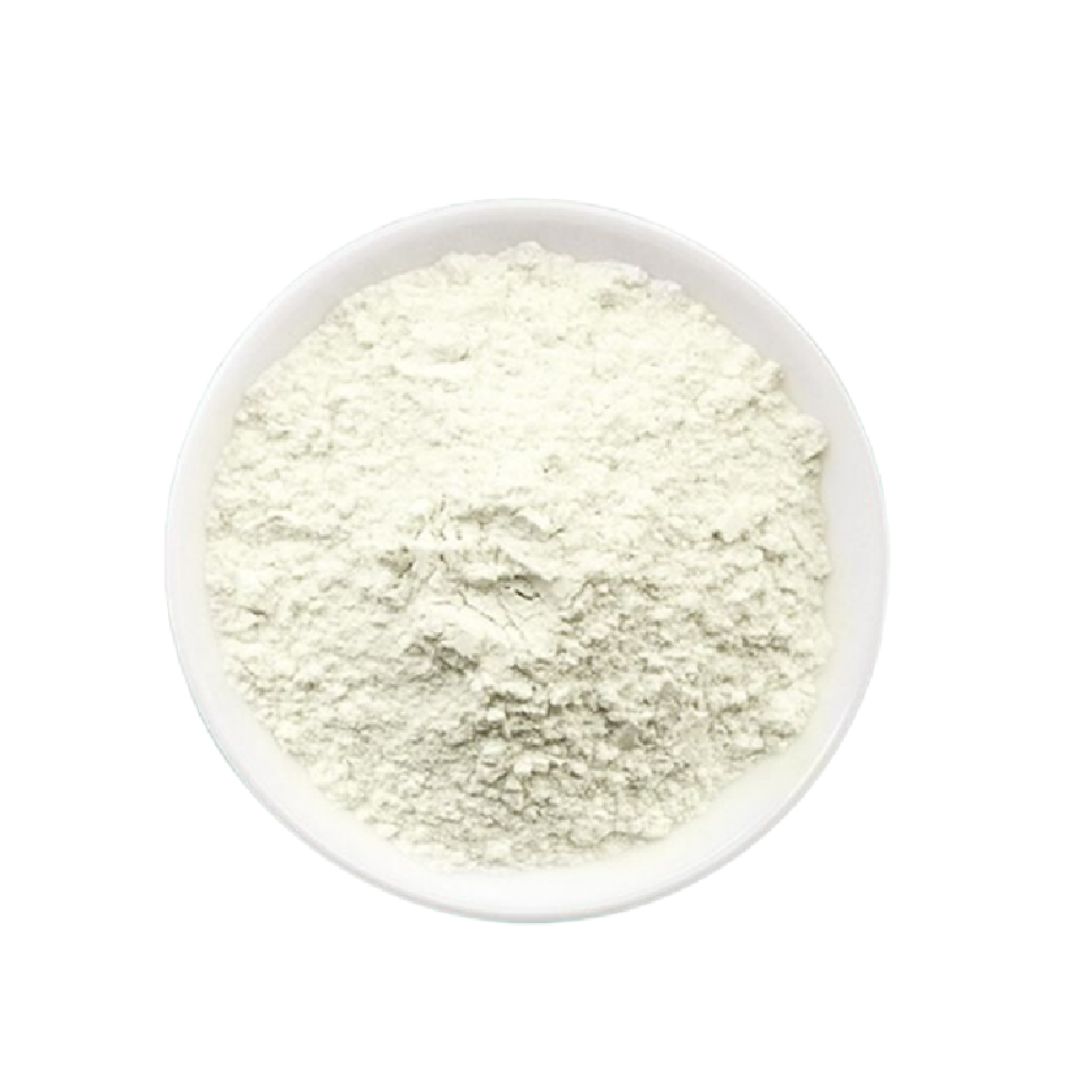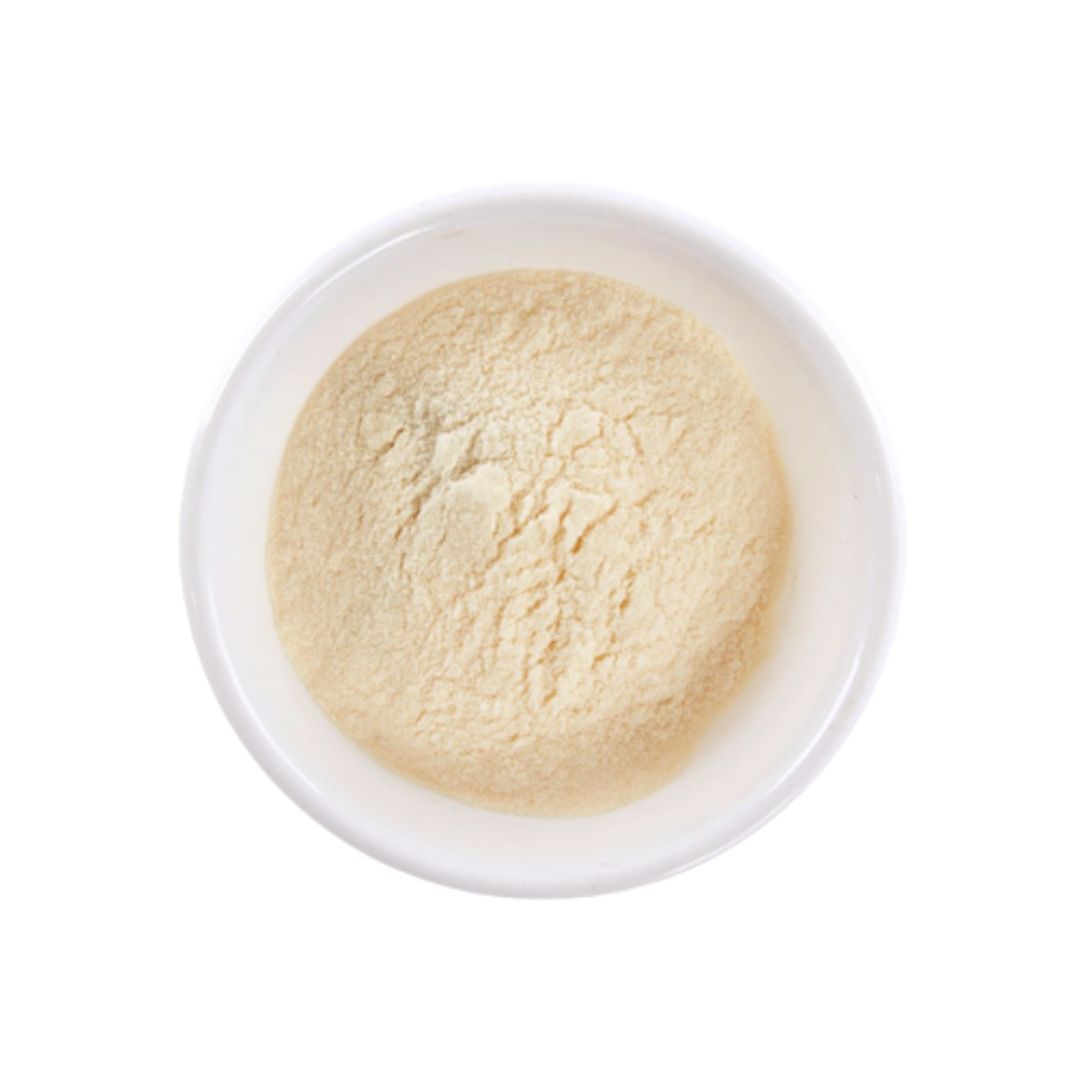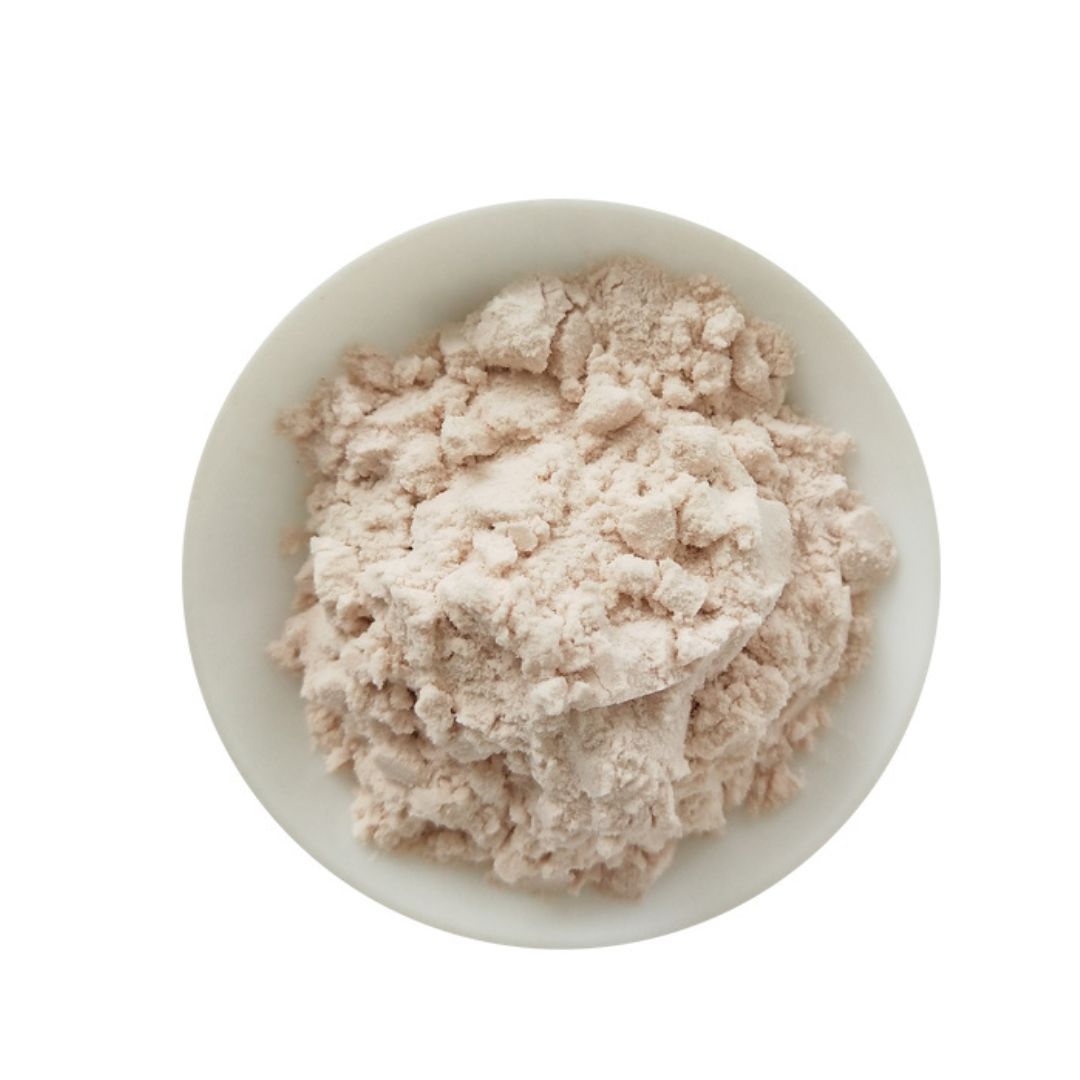


Product Introduction
Freeze-dried nectarine powder is made from fresh nectarines, which have been processed using freeze-drying technology. This process removes moisture while preserving the fruit's natural flavor, color, and nutrients [1]. The resulting powder is a concentrated source of nectarine goodness, offering a convenient way to incorporate the fruit's benefits into your diet. Freeze-drying maintains the integrity of the fruit's components, ensuring a high-quality end product [2].
Production Process
The production of freeze-dried nectarine powder involves several key steps. First, fresh nectarines are selected, washed, and inspected for quality. Next, they are sliced or pureed, depending on the desired final product texture. The nectarine slices or puree are then placed on trays and frozen at very low temperatures. This is followed by a vacuum freeze-drying process, where the frozen water is sublimated, directly transforming it from ice to vapor. Finally, the dried nectarine is milled into a fine powder, inspected, and packaged to maintain its quality and freshness [3].
Nutritional Composition Table
While specific nutritional values can vary depending on the nectarine variety and processing methods, a general overview of the nutritional composition of freeze-dried nectarine powder is as follows:
| Nutrient | Approximate Value (per 100g) |
|---|---|
| Calories | 350-400 kcal |
| Carbohydrates | 80-90g |
| Fiber | 10-15g |
| Vitamin A | 10-20% DV |
| Vitamin C | 20-30% DV |
| Potassium | 5-10% DV |
| Antioxidants | Varies |
Note: Daily Values (DV) are based on a 2,000 calorie diet. Actual values may vary.
Product Benefits and Functions
Freeze-dried nectarine powder offers several potential health benefits. It is a good source of vitamins A and C, which are important for immune function and skin health [4]. The fiber content can aid in digestive health, helping to promote regular bowel movements and prevent constipation [5]. Additionally, nectarines are rich in antioxidants, which can help protect the body against oxidative stress and reduce the risk of chronic diseases [6].
Product Application Scenarios
Freeze-dried nectarine powder is versatile and can be used in a variety of applications. It can be added to smoothies and shakes to boost flavor and nutritional content. It can also be incorporated into baked goods, such as muffins and cakes, to add a natural sweetness and nectarine flavor. Furthermore, it can be sprinkled on yogurt, oatmeal, or cereal for an extra burst of flavor and nutrients. The powder can also be used in homemade skincare products, such as face masks and scrubs, due to its antioxidant properties [7].
Botanical Source
Nectarines (Prunus persica var. nectarina) are a variety of peach that belongs to the Rosaceae family. They are characterized by their smooth skin, unlike the fuzzy skin of peaches. Nectarines are native to China and have been cultivated for thousands of years [8]. They are now grown in many temperate regions around the world, including the United States, Europe, and Australia.
Packaging and Storage
Freeze-dried nectarine powder should be packaged in airtight containers to prevent moisture absorption and maintain its quality. It is essential to store the powder in a cool, dry place away from direct sunlight and heat. Proper storage will help to extend the shelf life of the product and preserve its flavor and nutritional properties [9]. Ideally, the product should be used within 12-24 months of the production date for optimal quality.
Citations
[1] Ratti, M. (2001). Advances in freeze-drying. Innovative Food Science & Emerging Technologies, 2(2), 131-141.
[2] Oikonomopoulou, V. P., et al. (2011). Effect of freeze-drying on the bioactive compounds and antioxidant capacity of berries. Journal of Agricultural and Food Chemistry, 59(11), 5751-5757.
[3] Fellows, P. J. (2009). Food processing technology: Principles and practice. Woodhead Publishing.
[4] National Institutes of Health. (n.d.). Vitamin A. Retrieved from https://ods.od.nih.gov/factsheets/VitaminA-Consumer/
[5] Anderson, J. W., et al. (1998). Health implications of dietary fiber. Nutrition Reviews, 56(1), 1-18.
[6] Lobo, V., et al. (2010). Free radicals, antioxidants and functional foods: Impact on human health. Pharmacognosy Reviews, 4(8), 118-126.
[7] Baumann, L. (2007). Cosmetic dermatology: Principles and practice. McGraw-Hill.
[8] Faust, M. (2012). Physiology of temperate zone fruit trees. John Wiley & Sons.
[9] Rahman, M. S. (Ed.). (2007). Handbook of food preservation. CRC press.

As a sales manager, I’m here to make sure you get exactly what you need for your dietary supplements. From sourcing to delivery, I’m always by your side, ensuring smooth and friendly service. Let’s make your products even better! 🥰🌿