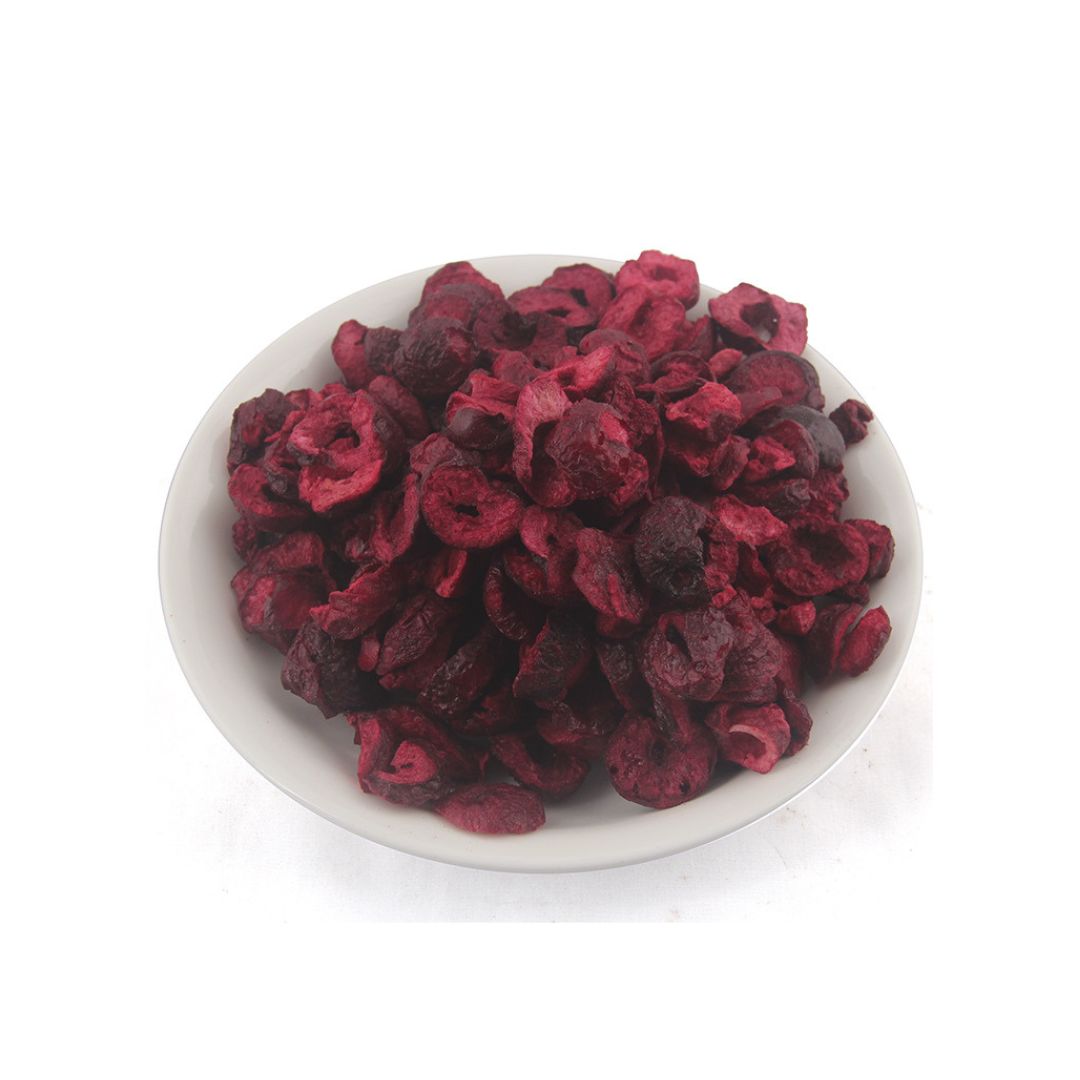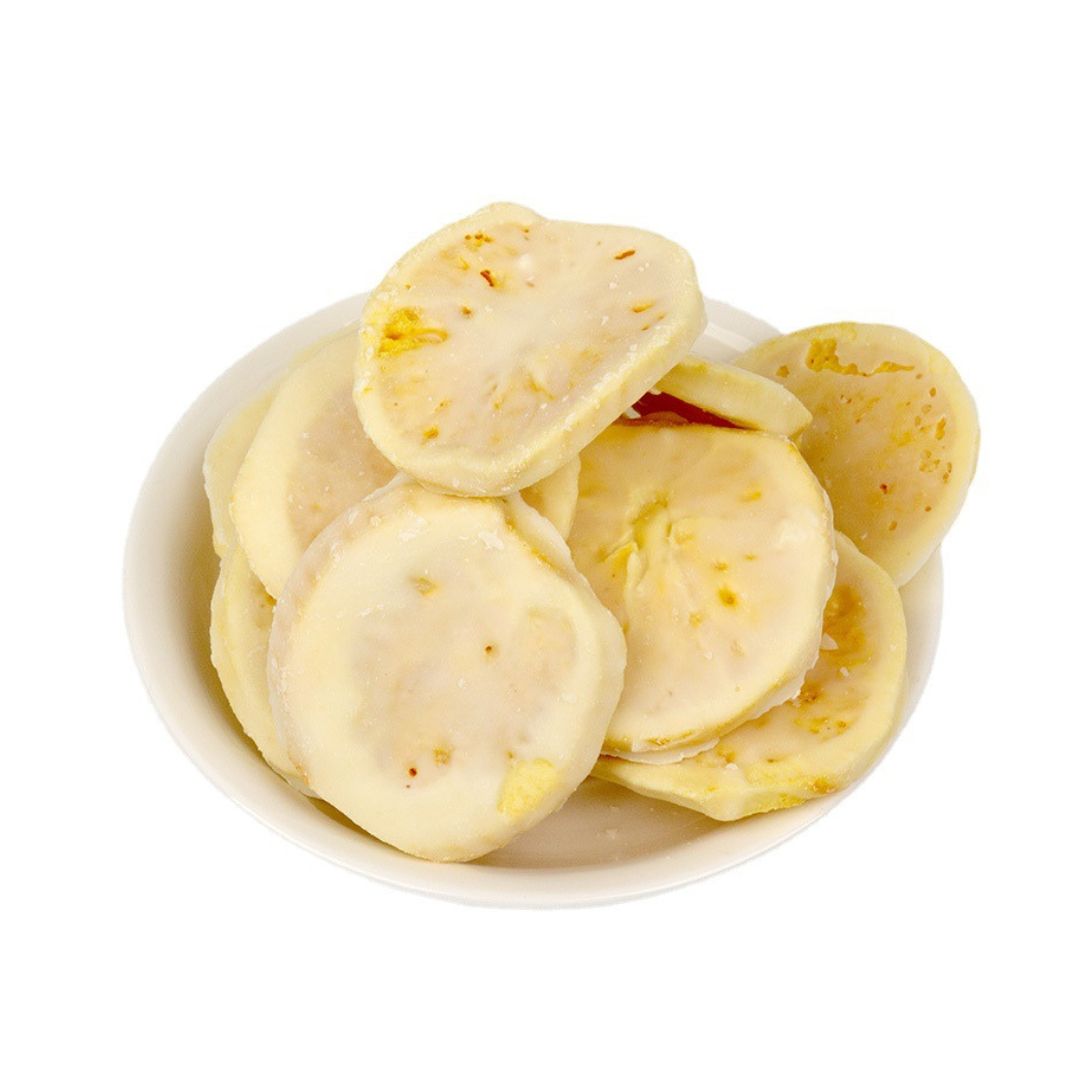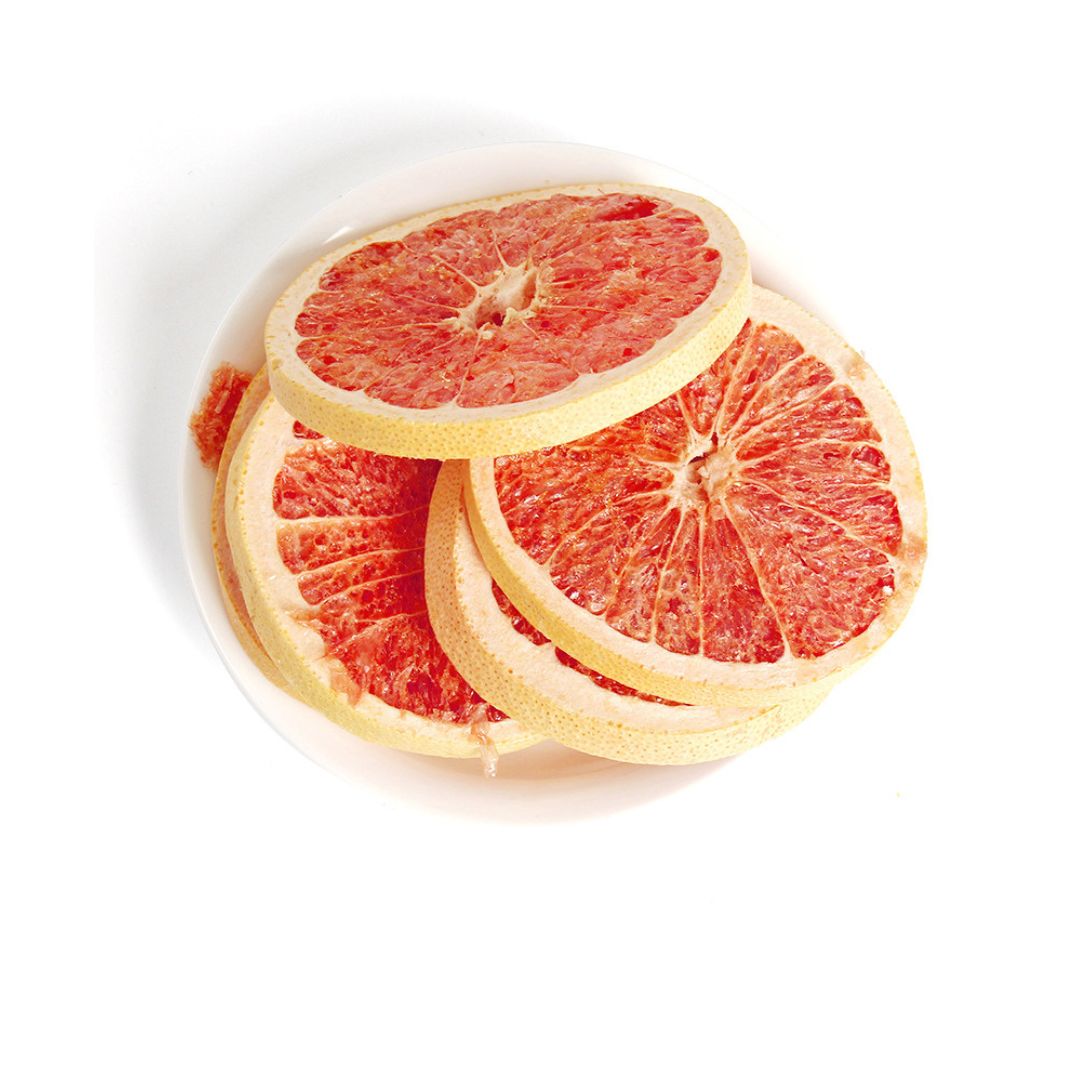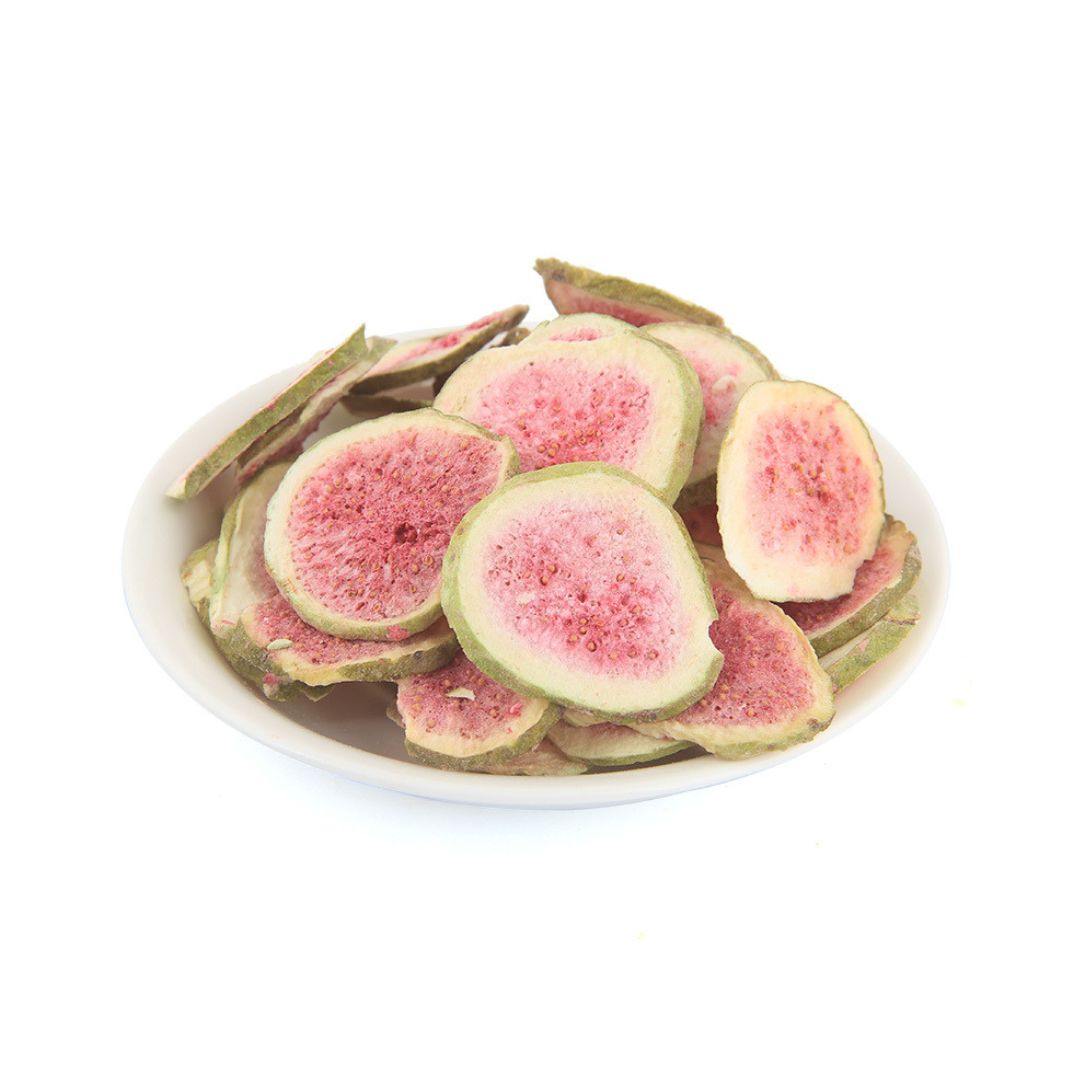


Product Introduction
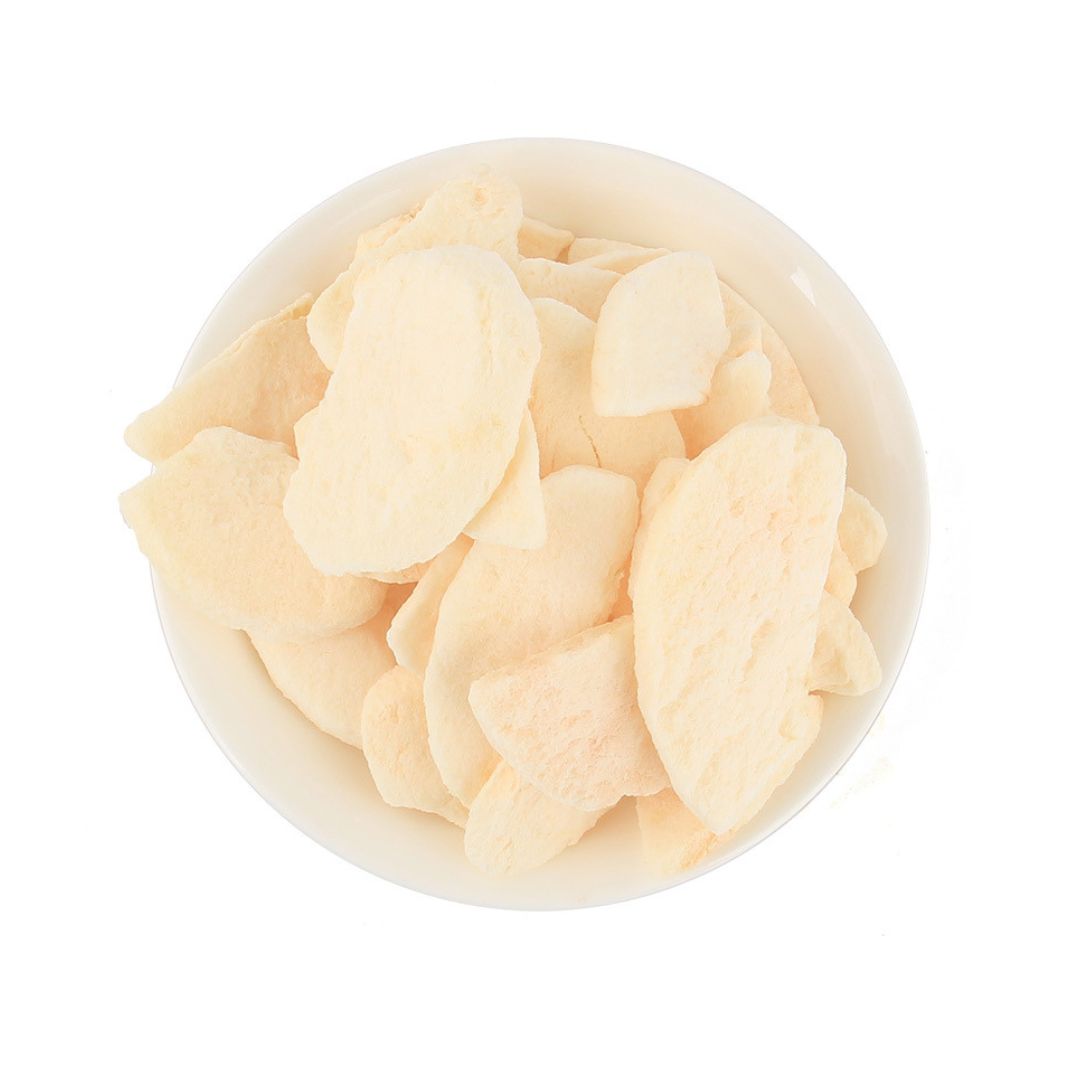
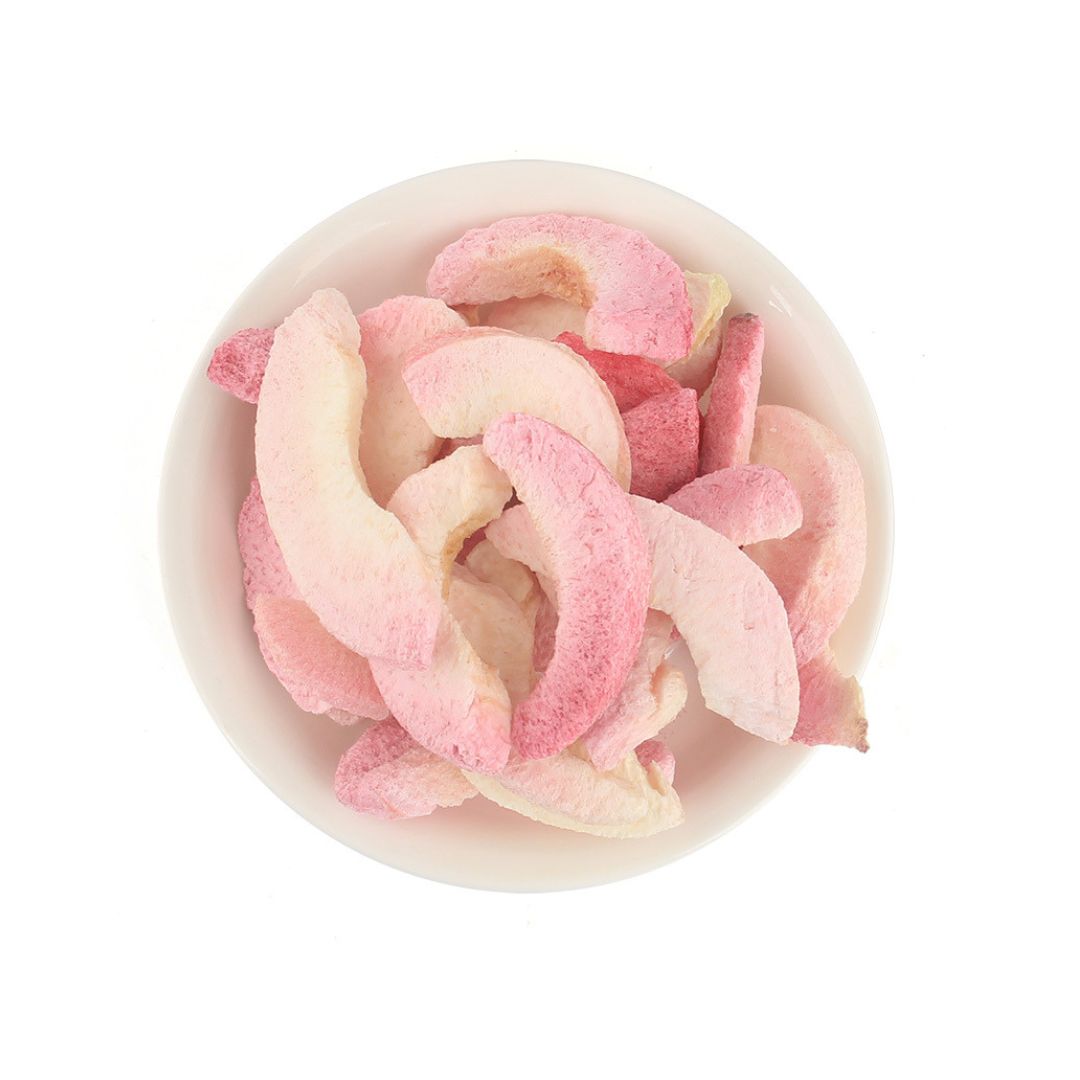
Freeze-dried nectarine slices are, essentially, nectarines that have undergone a preservation process called freeze-drying. This process removes moisture from the fruit while retaining much of its nutritional value, flavor, and original structure. Consumers often appreciate them as a convenient and healthy snack option due to their long shelf life and portability.
Production Process
The production of freeze-dried nectarine slices begins with selecting high-quality, ripe nectarines. The fruits are washed, pitted, and sliced. These slices are then rapidly frozen. Following the freezing stage, the nectarine slices enter a vacuum chamber where the moisture is sublimated, transitioning directly from a solid state (ice) to a gaseous state (vapor), bypassing the liquid phase. This process preserves the cellular structure of the nectarine, resulting in a product that retains its shape and much of its original nutritional content. After freeze-drying, the slices are packaged to prevent moisture reabsorption, thereby ensuring a long shelf life.
Nutritional Composition Table
| Nutrient | Amount per 100g (approximate) |
|---|---|
| Calories | 342 kcal |
| Carbohydrates | 82.7g |
| Fiber | 12.4g |
| Sugars | 62.1g |
| Protein | 6.3g |
| Fat | 1.3g |
| Vitamin A | 1667 IU |
| Vitamin C | 28.7 mg |
| Potassium | 1310 mg |
Note: Nutritional values can vary based on the specific nectarine variety and processing techniques.
Product Benefits and Functions
Freeze-dried nectarine slices offer several health benefits. They are a good source of dietary fiber, which aids in digestion and promotes a feeling of fullness. The vitamin A content, is important for vision and immune function. Vitamin C, a potent antioxidant, helps protect the body against free radical damage. The high potassium content supports healthy blood pressure levels. In addition, because freeze-drying preserves much of the fruit's original nutrients without added sugars or preservatives, it is a healthy snack option [1].
Product Application Scenarios
Freeze-dried nectarine slices are versatile and can be incorporated into various applications. They can be consumed directly as a snack, added to breakfast cereals or granola, or used as a topping for yogurt and desserts. Bakers may find them useful in muffins, cakes, and other baked goods. They are also a great addition to trail mixes for hikers and campers due to their lightweight and non-perishable nature.
Botanical Source
Nectarines, Prunus persica var. nectarina, are a variety of peach, belonging to the Rosaceae family [2]. Unlike peaches, nectarines have a smooth skin due to a recessive gene. The fruit is characterized by its sweet and slightly acidic flavor, and its flesh can range from white to yellow or orange. Nectarines are typically grown in temperate regions with warm summers.
Packaging and Storage
Freeze-dried nectarine slices should be packaged in airtight, moisture-proof containers to prevent rehydration and maintain their crispness. Suitable packaging materials include resealable bags or containers made of plastic or glass. It is vital to store the product in a cool, dry place, away from direct sunlight and humidity. When properly stored, freeze-dried nectarine slices can have a shelf life of 12 to 18 months.
Citations
- Sublime Science. (n.d.). Freeze-dried vs Dehydrated Fruit: What's the Difference? Retrieved from https://sublimescience.com/freeze-dried-vs-dehydrated-fruit/
- USDA. (n.d.). Nectarines. Retrieved from https://www.ams.usda.gov/grades-standards/nectarines-grades-standards

As a sales manager, I’m here to make sure you get exactly what you need for your dietary supplements. From sourcing to delivery, I’m always by your side, ensuring smooth and friendly service. Let’s make your products even better! 🥰🌿