

Product Introduction
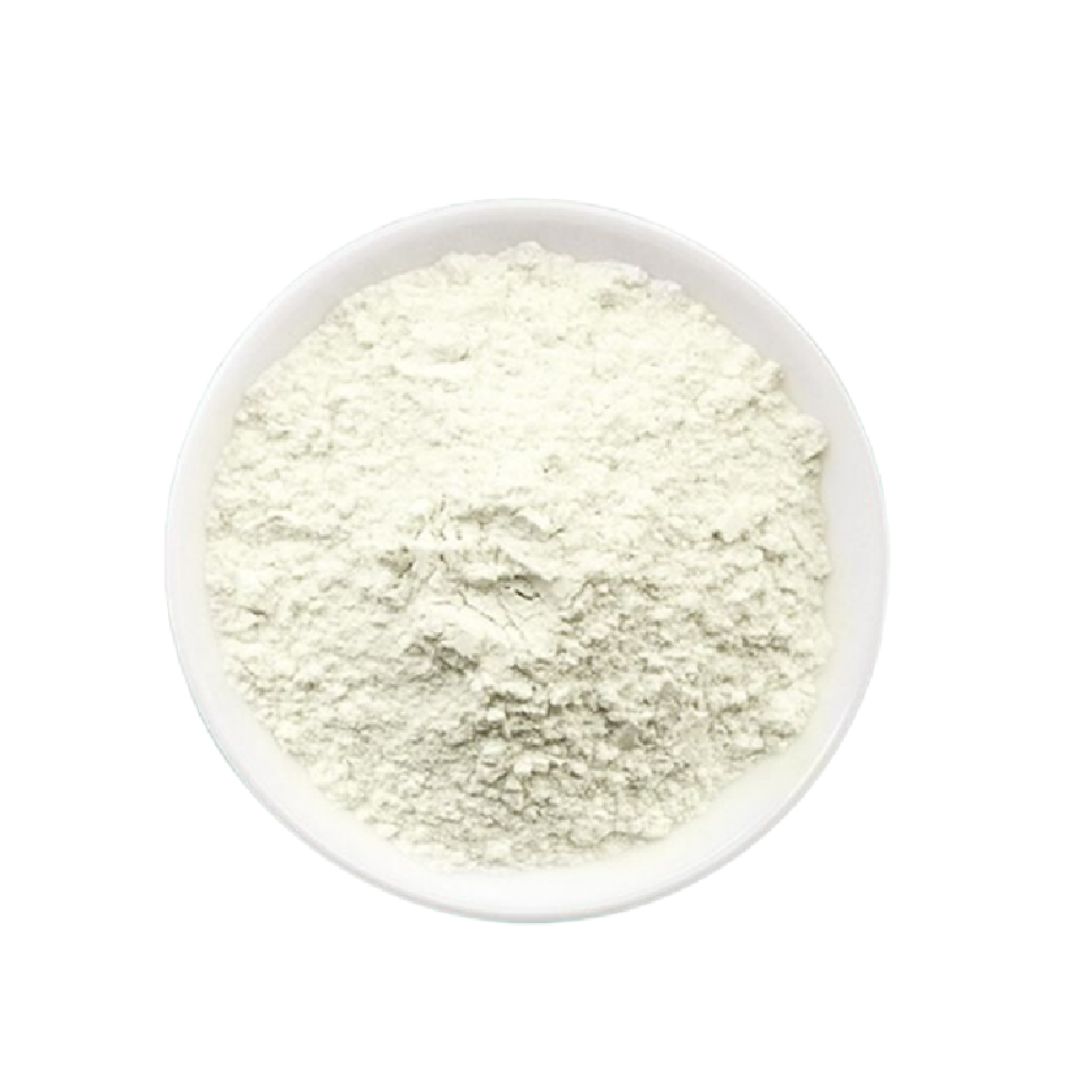
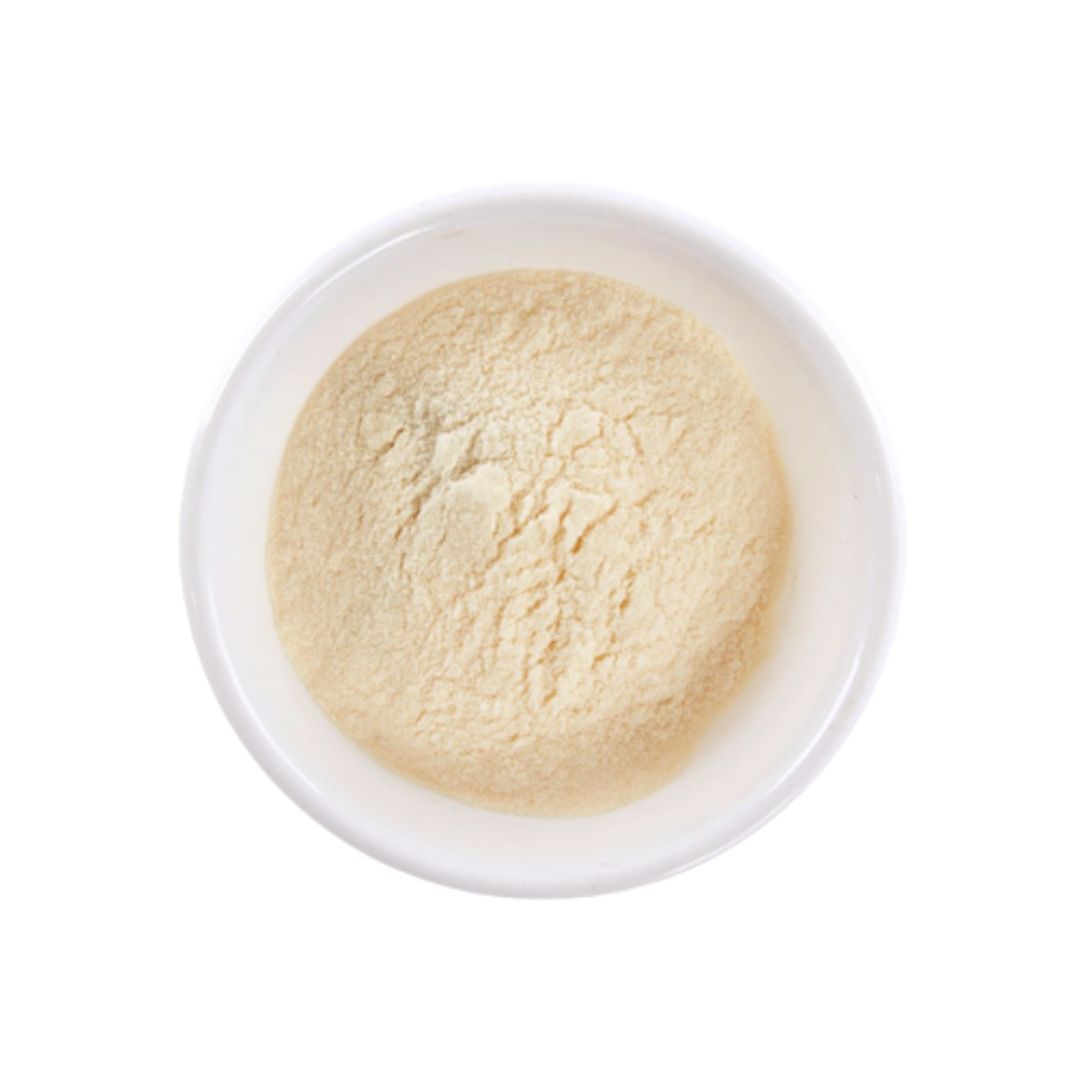
Freeze-dried passion fruit powder is derived from fresh passion fruits that have undergone a dehydration process known as freeze-drying, or lyophilization [1]. This method removes moisture while preserving the fruit’s original flavor, aroma, and nutritional properties. The result is a lightweight powder, easily soluble and ideal for various applications in the food, beverage, and cosmetic industries.
Production Process
The production of freeze-dried passion fruit powder involves several key steps:
- Selection and Preparation: High-quality, ripe passion fruits are selected, washed, and inspected.
- Pulp Extraction: The pulp is extracted from the fruit, separating it from the seeds and peel.
- Freezing: The passion fruit pulp is rapidly frozen to very low temperatures, typically around -40°C (-40°F) [2].
- Freeze-Drying: The frozen pulp undergoes sublimation in a vacuum chamber, where the ice crystals transition directly into vapor, bypassing the liquid phase [2].
- Grinding: The resulting dried material is ground into a fine powder.
- Packaging: The powder is packaged in airtight containers to prevent moisture absorption and maintain its quality.
Nutritional Composition Table
The nutritional composition of freeze-dried passion fruit powder per 100g serving is approximately:
| Nutrient | Amount |
|---|---|
| Calories | 361 |
| Total Fat | 2.3g |
| Saturated Fat | 0.3g |
| Cholesterol | 0mg |
| Sodium | 63mg |
| Total Carbohydrate | 82g |
| Dietary Fiber | 30g |
| Sugar | 34g |
| Protein | 7.7g |
| Vitamin C | 30mg |
| Iron | 2.2mg |
| Potassium | 1030mg |
Note: Nutritional values may vary based on the specific variety and processing methods.
Product Benefits and Functions
Passion fruit powder is associated with several health benefits, primarily attributed to its rich nutritional profile [3]:
- Antioxidant Properties: Passion fruit contains antioxidants, such as vitamin C and polyphenols, which help neutralize free radicals in the body [4].
- Immune Support: The vitamin C content in passion fruit powder supports immune function and overall health [5].
- Digestive Health: With a good source of dietary fiber, passion fruit powder aids in promoting healthy digestion and preventing constipation [6].
- Heart Health: Potassium, found in passion fruit, helps in maintaining healthy blood pressure levels [7].
Product Application Scenarios
Freeze-dried passion fruit powder can be used in a variety of applications:
- Beverages: It can be added to smoothies, juices, and teas for an exotic flavor boost [8].
- Baking: Passion fruit powder can be mixed into cakes, muffins, and other baked goods to impart a tropical taste.
- Dairy: It can be incorporated into yogurts, ice creams, and desserts for added flavor and nutrition [8].
- Snacks: The powder can be used in homemade energy bars or fruit snacks.
- Cosmetics: In skincare products, passion fruit extract is valued for its antioxidant properties [9].
Botanical Source
Passion fruit is native to subtropical regions of South America, belonging to the Passiflora genus [10]. The most common species is Passiflora edulis, known for its aromatic and flavorful fruits [10]. This climbing vine thrives in warm climates, producing vibrant flowers and fruits that turn from green to yellow or purple when ripe [10].
Packaging and Storage
Freeze-dried passion fruit powder should be stored in airtight, moisture-proof containers to ensure its longevity and quality. Optimal storage conditions include a cool, dry environment away from direct sunlight and heat [11]. When stored properly, the powder can maintain its flavor, aroma, and nutritional properties for up to 12-18 months [11].
Citations:
[1] Ratti, M. (2008). Advances in freeze-drying. Innovative Food Science & Emerging Technologies, 9(1), 41-49.
[2] Fellows, P. J. (2009). Food processing technology: Principles and practice. Woodhead Publishing.
[3] de Oliveira, A. C., et al. (2013). Passiflora edulis Flavonoids Attenuate Oxidative Stress in Brain of Rats. Oxidative Medicine and Cellular Longevity, 2013.
[4] Dhawan, K., et al. (2004). Passionflower: a review update. Journal of Ethnopharmacology, 94(1), 1-23.
[5] Pullar, J. M., et al. (2017). The Roles of Vitamin C in Skin Health. Nutrients, 9(8), 866.
[6] Anderson, J. W., et al. (1998). Health implications of dietary fiber. Nutrition Reviews, 56(1), 1-18.
[7] Houston, M. C. (2011). The importance of potassium in managing hypertension. Current Hypertension Reports, 13(4), 309-317.
[8] Morton, J. (1987). Passionfruit. In Fruits of warm climates.
[9] Costa, S. S., et al. (2021). Passion Fruit Seeds: Exploring the Potential for Cosmetic Application. Cosmetics, 8(3), 77.
[10] Ulmer, T., & MacDougal, J. M. (2004). Passiflora: Passionflowers of the World. Timber Press.
[11] Sahne, F., et al. (2017). Effect of Packaging Material on the Shelf Life of Freeze-Dried Food. Food Technology and Biotechnology, 55(3), 331-339.

As a sales manager, I’m here to make sure you get exactly what you need for your dietary supplements. From sourcing to delivery, I’m always by your side, ensuring smooth and friendly service. Let’s make your products even better! 🥰🌿