

Product Introduction
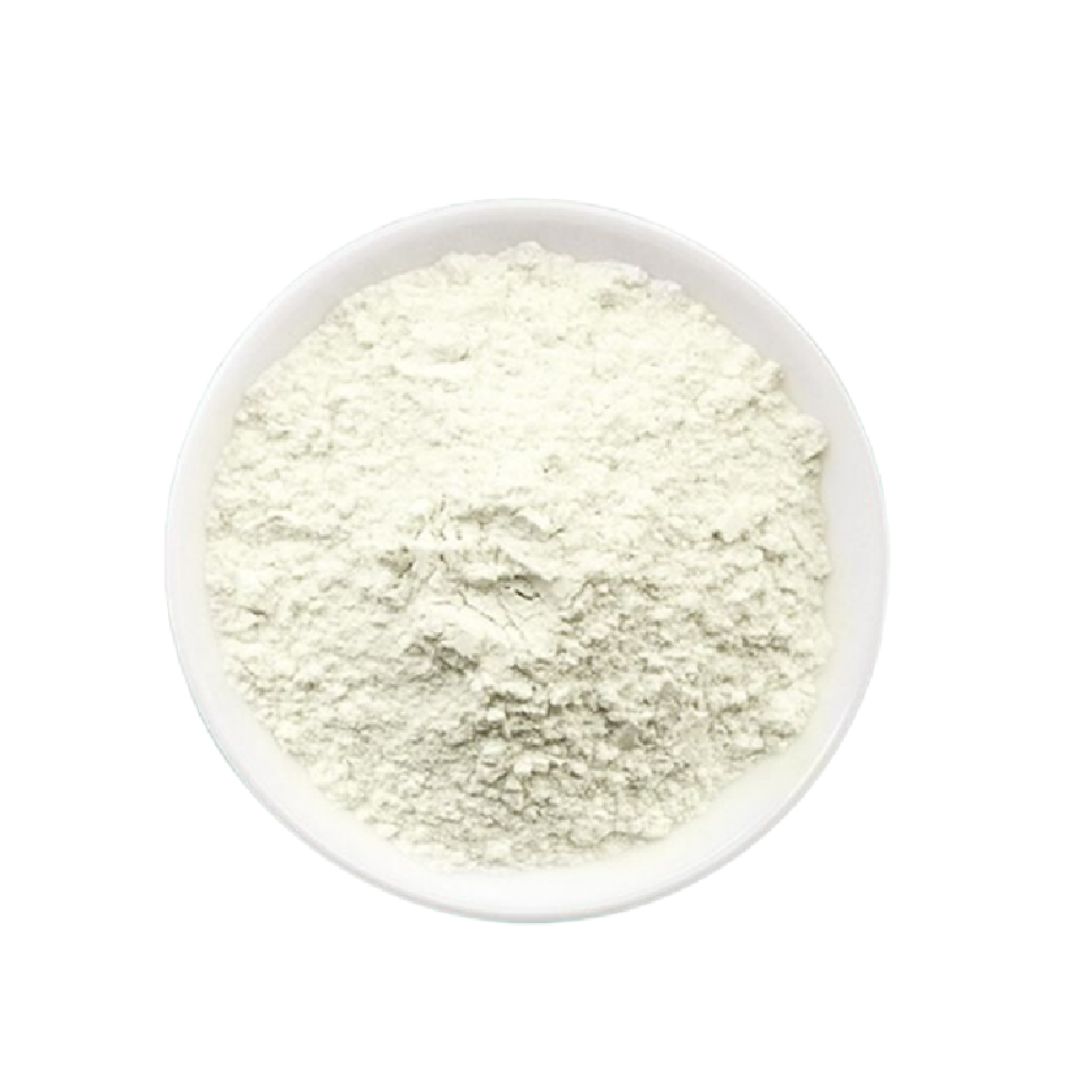
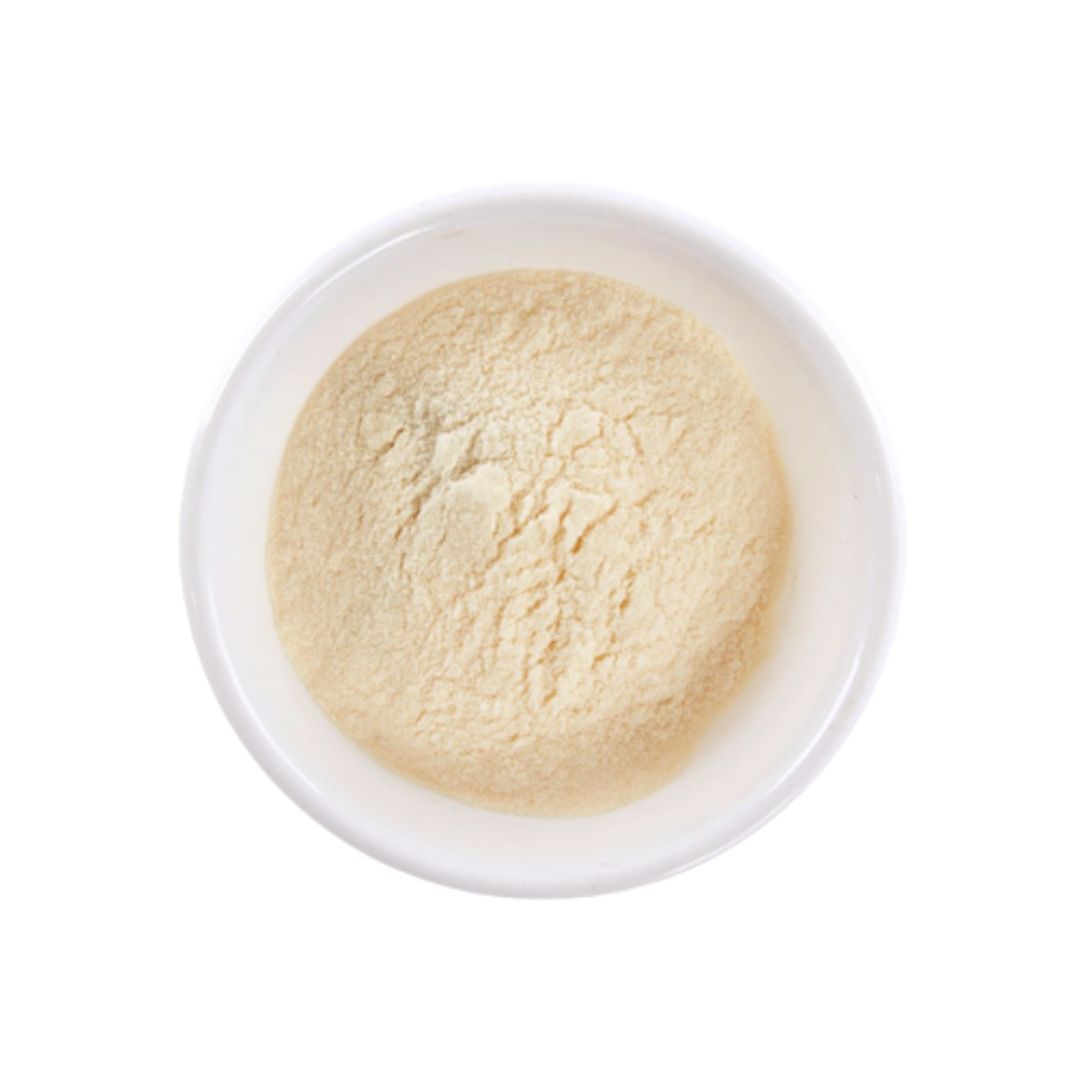
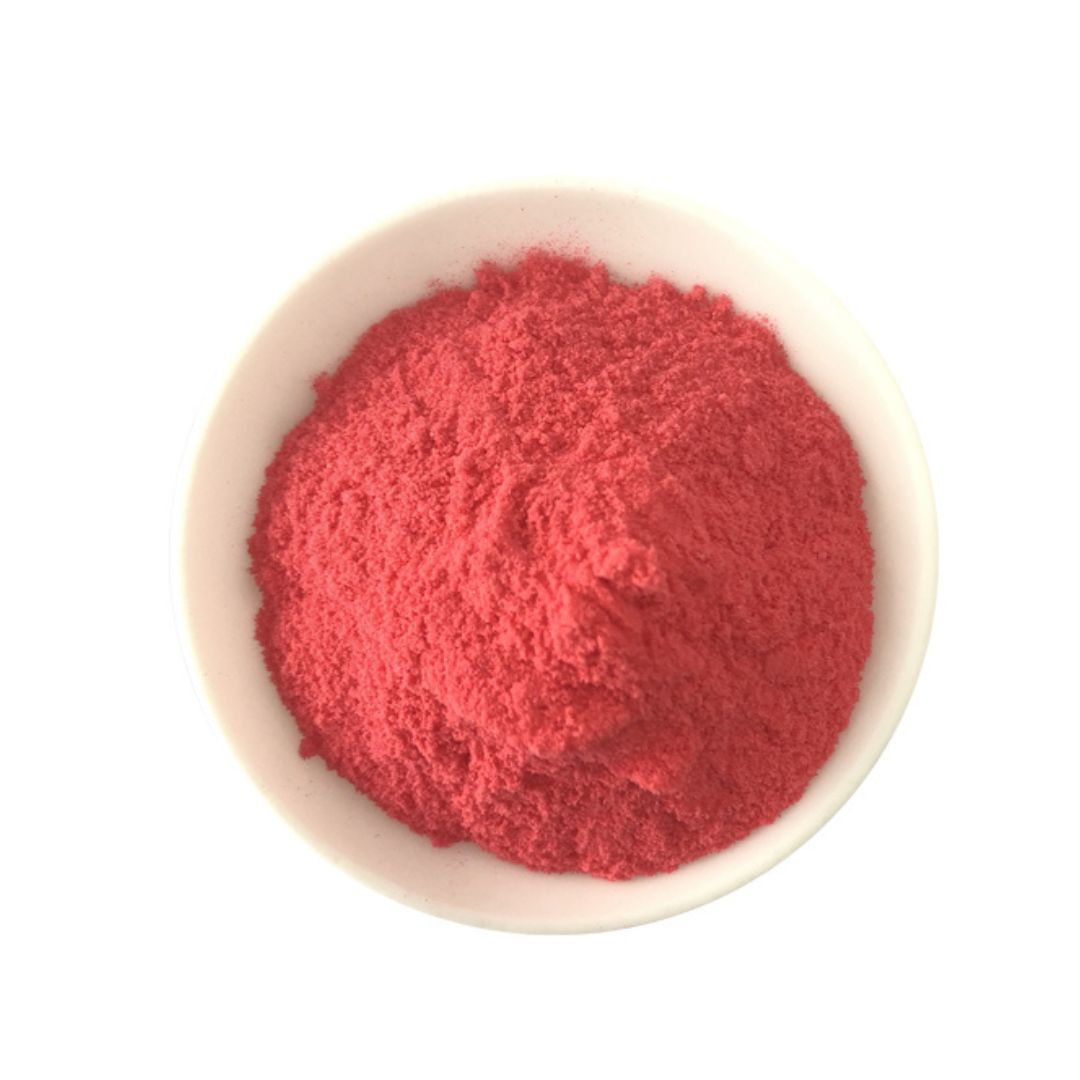
Freeze-dried raspberry powder is a concentrated form of raspberries created through a dehydration process. This process preserves the fruit, and maintains its nutrients, flavor, and color. The resulting powder can be added to various foods and beverages, offering a convenient way to enjoy the benefits of raspberries year-round.
Production Process
The production of freeze-dried raspberry powder begins with selecting ripe, high-quality raspberries. The raspberries are then washed and inspected before being flash frozen. Next, the frozen raspberries undergo a freeze-drying process, also known as lyophilization, where they are placed in a vacuum chamber. In this chamber, the water in the raspberries sublimates, transitioning directly from a solid (ice) to a gas (vapor), bypassing the liquid phase. This process removes moisture while preserving the fruit's structure and nutritional content. [1] After freeze-drying, the raspberries are milled into a fine powder, then packaged to preserve freshness and prevent moisture absorption.
Nutritional Composition Table
The nutritional composition of freeze-dried raspberry powder can vary slightly, depending on raspberry variety, growing conditions, and processing methods. Typically, it contains:
| Nutrient | Amount per 100g (approximate) |
|---|---|
| Calories | 300-350 kcal |
| Carbohydrates | 60-75g |
| Fiber | 30-40g |
| Sugars | 30-40g |
| Protein | 5-8g |
| Fat | 1-3g |
| Vitamin C | 25-40mg |
| Vitamin K | 10-20 mcg |
| Manganese | 1-2mg |
| Antioxidants | Varies |
Values are approximate and can vary. [2]
Product Benefits and Functions
Freeze-dried raspberry powder offers several potential health benefits, primarily due to its rich nutrient profile. Raspberries are high in antioxidants, including Vitamin C, quercetin, and ellagic acid, which help protect the body against oxidative stress and inflammation. [3] The fiber content in raspberry powder supports digestive health, and may contribute to a feeling of fullness. [4] Additionally, raspberries contain vitamins and minerals such as Vitamin K and manganese, which are essential for bone health and metabolic function. [5]
Product Application Scenarios
Freeze-dried raspberry powder can be easily incorporated into various food and beverage applications. It can be added to smoothies, yogurt, oatmeal, and breakfast cereals for a boost of flavor and nutrition. In baking, it can be used to flavor cakes, muffins, and cookies, providing a natural pink hue and raspberry taste. The powder can also be mixed into sauces, dressings, and dips to add a fruity dimension. It is suitable as a natural food coloring and flavoring agent in confectionery and desserts.
Botanical Source
Raspberries belong to the genus Rubus in the Rosaceae family. The most common species used for commercial production include Rubus idaeus (European red raspberry) and Rubus occidentalis (black raspberry). [6] These deciduous shrubs produce aggregate fruits composed of small drupelets, which give raspberries their characteristic texture. Raspberries are cultivated in temperate regions around the world, and are valued for their flavor, nutritional content, and health promoting properties.
Packaging and Storage
Freeze-dried raspberry powder should be packaged in airtight, moisture-proof containers to prevent degradation and maintain its quality. The packaging should minimize exposure to light, oxygen, and humidity. Recommended storage conditions include keeping the powder in a cool, dry place away from direct sunlight and heat sources. Under proper storage conditions, freeze-dried raspberry powder can maintain its quality and nutritional value for an extended period, typically 12-24 months.
Citations:
[1] Ratti, C. (2008). Advances in Food Dehydration. CRC Press.
[2] U.S. Department of Agriculture, Agricultural Research Service. FoodData Central.
[3] Seeram, N. P. (2008). Berry fruits: Compositional elements, biochemical activities, and potential health benefits. Journal of Agricultural and Food Chemistry, 56(3), 627-629.
[4] Anderson, J. W., et al. "Health implications of dietary fiber." Nutrition Reviews 56.1 (1998): 1-18.
[5] Office of Dietary Supplements, National Institutes of Health.
[6] Hummer, K. E. (2010). Rubus আইডিaeus. In: Kole C. (eds) Wild Crop Relatives: Genomic and Breeding Resources. Springer, Berlin, Heidelberg.

As a sales manager, I’m here to make sure you get exactly what you need for your dietary supplements. From sourcing to delivery, I’m always by your side, ensuring smooth and friendly service. Let’s make your products even better! 🥰🌿