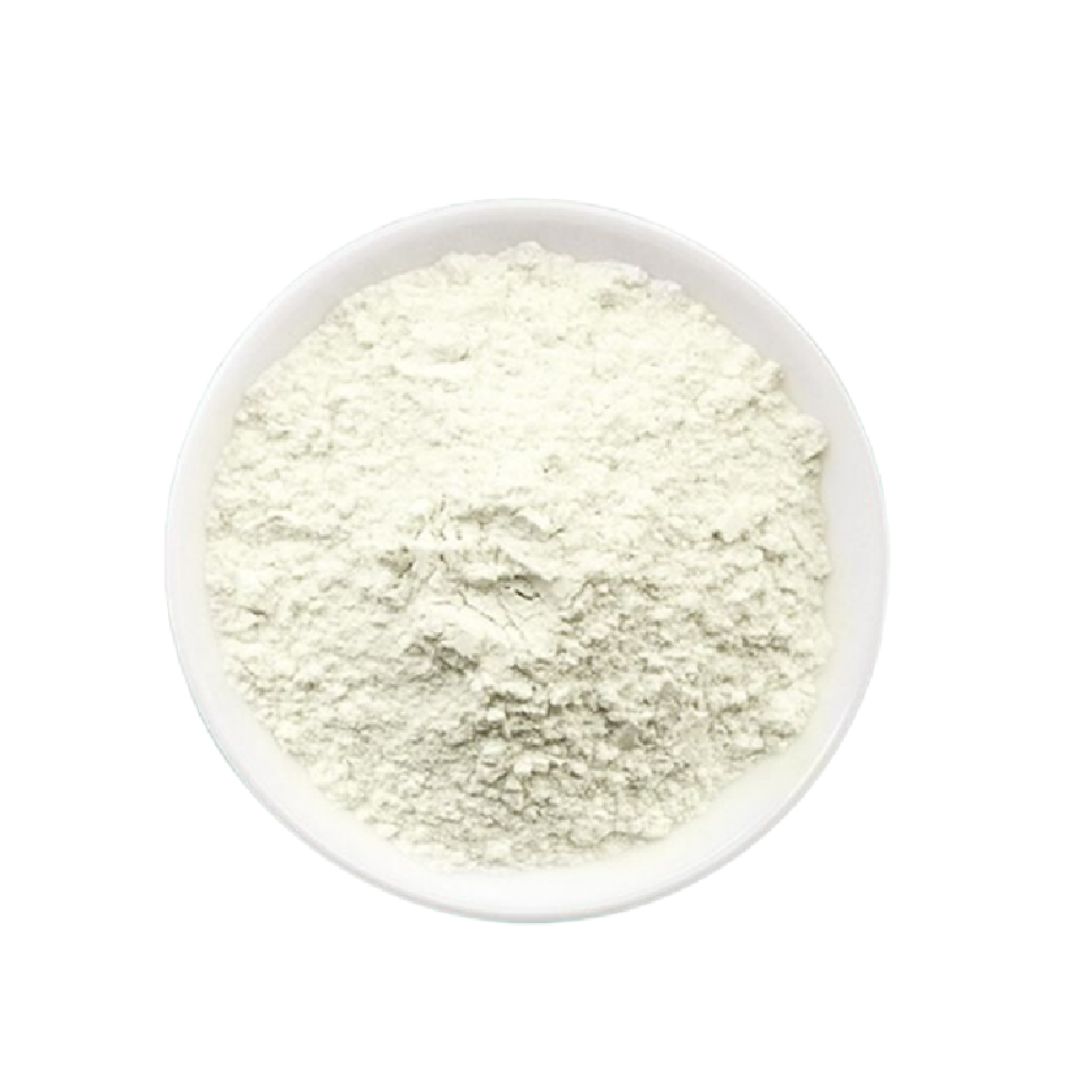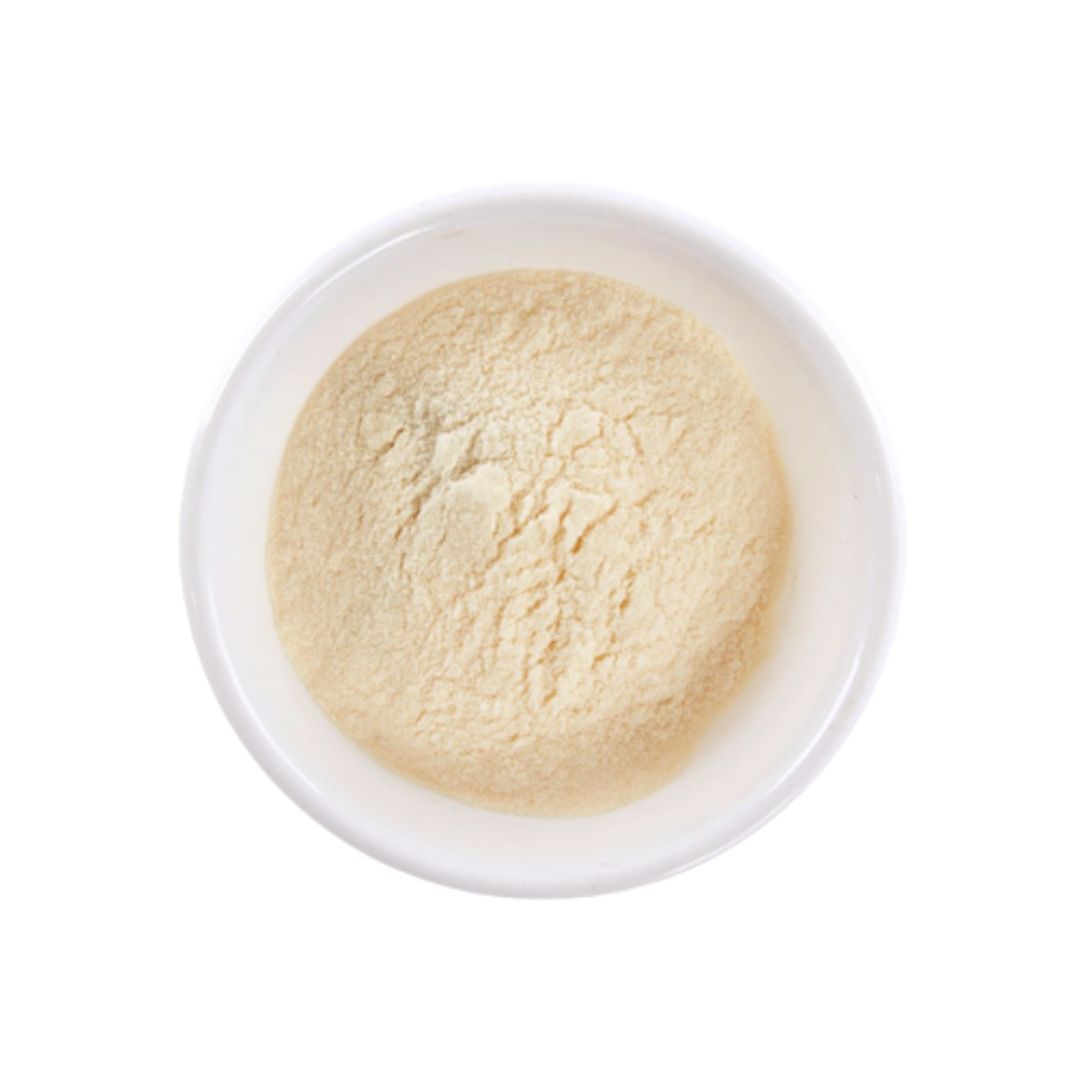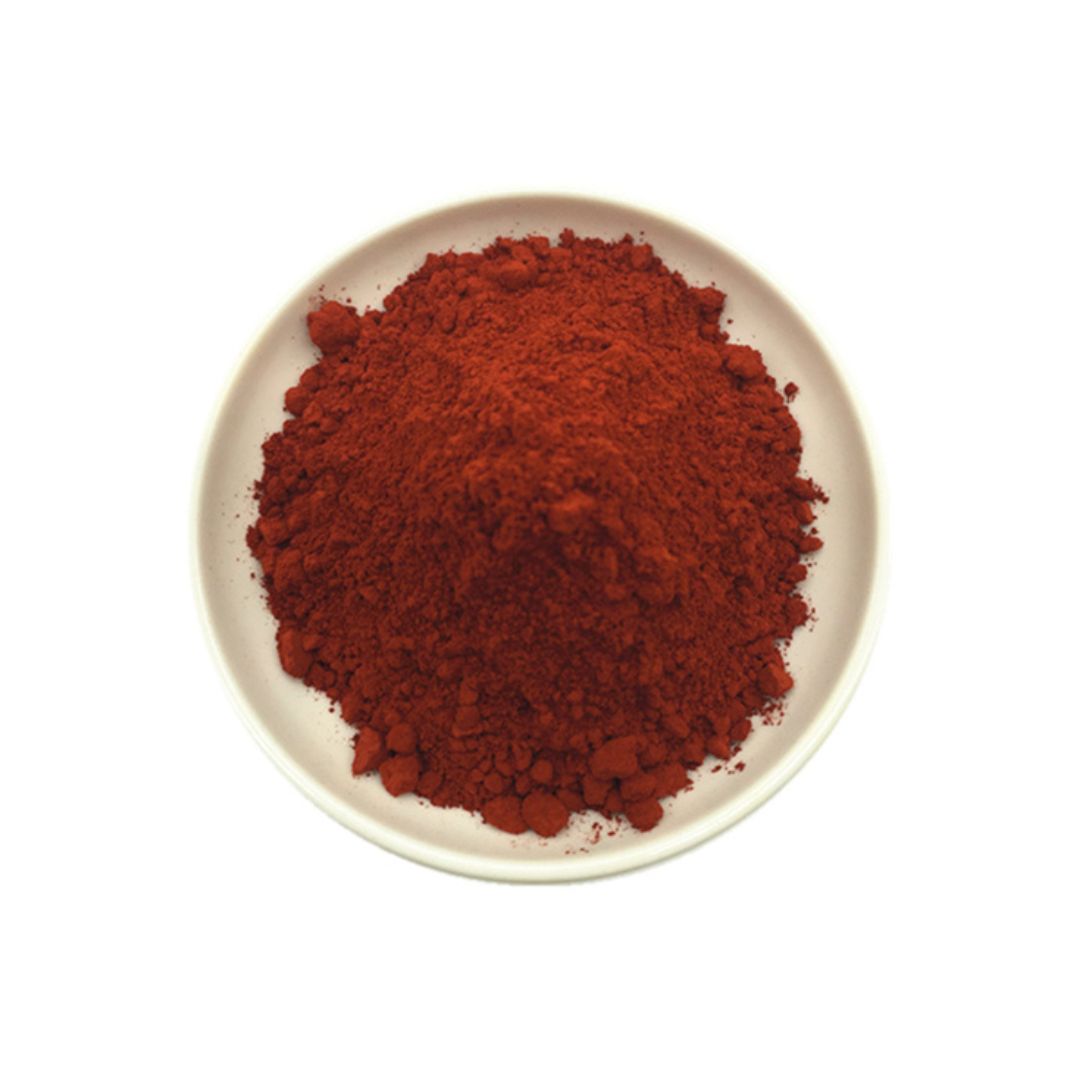


Product Introduction
Freeze-dried wolfberry powder is a finely milled powder made from freeze-dried wolfberries, also known as goji berries. This process retains the nutritional value, color, and flavor of fresh wolfberries, offering a convenient way to incorporate them into one's diet. The powder can be added to various foods and beverages, providing a concentrated source of antioxidants, vitamins, and minerals.
Production Process
The production of freeze-dried wolfberry powder involves several key steps:
- Selection: Fresh, ripe wolfberries are carefully selected based on quality and maturity.
- Cleaning: The selected wolfberries are thoroughly washed to remove any impurities and debris.
- Freezing: The cleaned wolfberries are rapidly frozen to a very low temperature. This step is crucial for preserving the cellular structure and nutrients.
- Freeze-Drying (Lyophilization): The frozen wolfberries are placed in a freeze-drying chamber where the moisture is removed through sublimation, converting the ice directly into vapor under vacuum conditions.
- Milling: The freeze-dried wolfberries are milled into a fine powder.
- Packaging: The powder is packaged in airtight containers to protect it from moisture and oxidation, ensuring its quality and shelf life.
Nutritional Composition Table
Here’s a general overview of the nutritional composition of wolfberry powder per 100 grams (Note: Actual values may vary):
| Nutrient | Amount |
|---|---|
| Calories | 340 kcal |
| Protein | 14.3 g |
| Fat | 0.4 g |
| Carbohydrates | 77 g |
| Fiber | 13 g |
| Sugar | 47 g |
| Vitamin A | 26822 IU |
| Vitamin C | 48.7 mg |
| Iron | 8.2 mg |
| Calcium | 112 mg |
| Antioxidants | High |
| Lycium Barbarum Polysaccharides (LBP) | Significant amount |
Product Benefits and Functions
Wolfberry powder is known for its potential health benefits, which are largely attributed to its rich nutritional profile:
- Antioxidant Properties: Wolfberries are rich in antioxidants, such as polysaccharides, carotenoids, and flavonoids, which help protect the body against free radicals and oxidative stress [1].
- Immune Support: The high vitamin C content and other immune-boosting compounds in wolfberries may help strengthen the immune system [2].
- Eye Health: Wolfberries contain zeaxanthin and lutein, which are beneficial for eye health and may help protect against age-related macular degeneration [3].
- Energy and Vitality: Wolfberries are believed to enhance energy levels and overall vitality due to their comprehensive nutrient composition.
- Skin Health: The antioxidants present in wolfberries may contribute to healthy skin by protecting against damage from UV radiation and environmental pollutants [4].
Product Application Scenarios
Freeze-dried wolfberry powder is versatile and can be used in a variety of applications:
- Smoothies and Beverages: It can be easily blended into smoothies, juices, and teas for an added nutritional boost.
- Baking: The powder can be incorporated into baked goods such as muffins, cakes, and bread to enhance their nutritional content and add a natural red color.
- Yogurt and Oatmeal: Sprinkling wolfberry powder on yogurt, oatmeal, or cereal is a simple way to increase antioxidant intake.
- Dietary Supplements: It can be used as a natural ingredient in dietary supplements aimed at improving overall health and well-being.
- Culinary Uses: The powder can be used as a natural food coloring agent and flavor enhancer in various culinary applications.
Botanical Source
Wolfberries, scientifically known as Lycium barbarum, are native to Asia, particularly China. The plant is a deciduous woody perennial shrub belonging to the Solanaceae family. It is cultivated for its berries, which have been used in traditional Chinese medicine for centuries. The plant typically grows in temperate and subtropical regions and is known for its tolerance to various soil conditions.
Packaging and Storage
To maintain the quality and freshness of freeze-dried wolfberry powder:
- Packaging: The powder should be packaged in airtight, moisture-proof containers, such as resealable bags or jars.
- Storage: Store the product in a cool, dry place away from direct sunlight and heat.
- Shelf Life: When stored properly, freeze-dried wolfberry powder can maintain its quality for up to 12-24 months.
- Handling: Always use a clean, dry spoon when handling the powder to prevent contamination.
Citations:
[1] P. Bucheli, Q. Gao, J. Zhang, W. Zhou, R.P.B. Sangiovanni, S.S. Greenwald, and A. Raskin, “Plasma Antioxidant Capacity after Intake of a Goji Berry-Containing Juice (Lycium barbarum) in Healthy Human Subjects,” Journal of the American College of Nutrition, vol. 30, no. 2, pp. 79–86, Apr. 2011, doi: 10.1080/07315724.2011.10719990.
[2] G. Amagase and B.H. Farnsworth, “A Review of Goji Berry (Lycium barbarum) Effects on Main Chronic Diseases: Cardioprotective and Cerebroprotective Actions,” Current Nutrition & Food Science, vol. 9, no. 3, pp. 194–200, Aug. 2013, doi: 10.2174/1573401311309030006.
[3] L. Tang, H. Chen, H. Yu, and B. Yang, “Goji berry and its functional constituents: A review on regulated factors of their biosynthesis,” Journal of Functional Foods, vol. 21, pp. 469–480, Feb. 2016, doi: 10.1016/j.jff.2015.11.032.
[4] S. Kim, J. Kim, S. Kang, H. Kwon, D. Lee, and Y. Bae, “Lycium barbarum polysaccharides protect human keratinocytes against UVB-induced photoaging via suppression of AP-1 activation,” Photodermatology, Photoimmunology & Photomedicine, vol. 33, no. 5, pp. 260–268, Sep. 2017, doi: 10.1111/phpp.12314.

As a sales manager, I’m here to make sure you get exactly what you need for your dietary supplements. From sourcing to delivery, I’m always by your side, ensuring smooth and friendly service. Let’s make your products even better! 🥰🌿