

Product Introduction
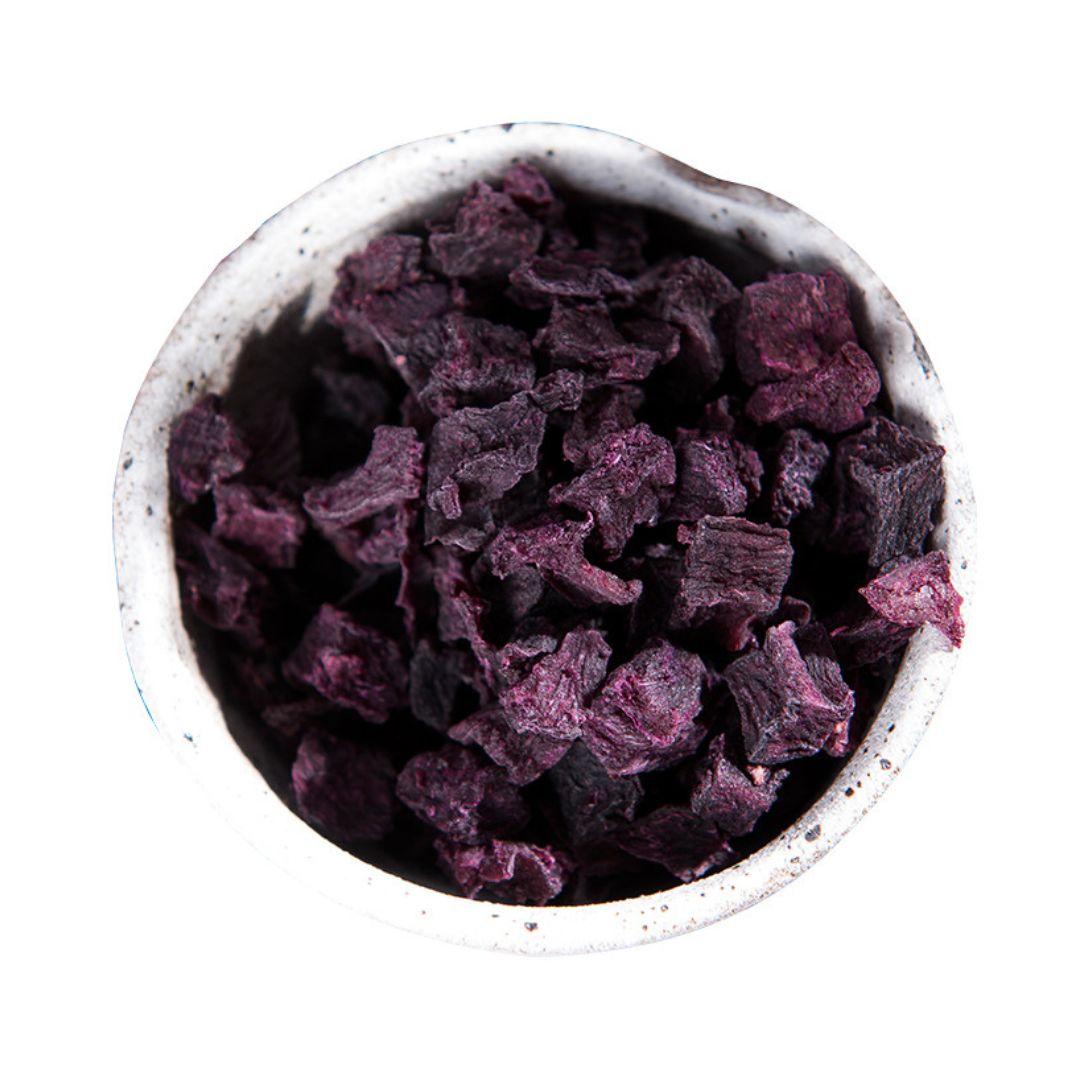
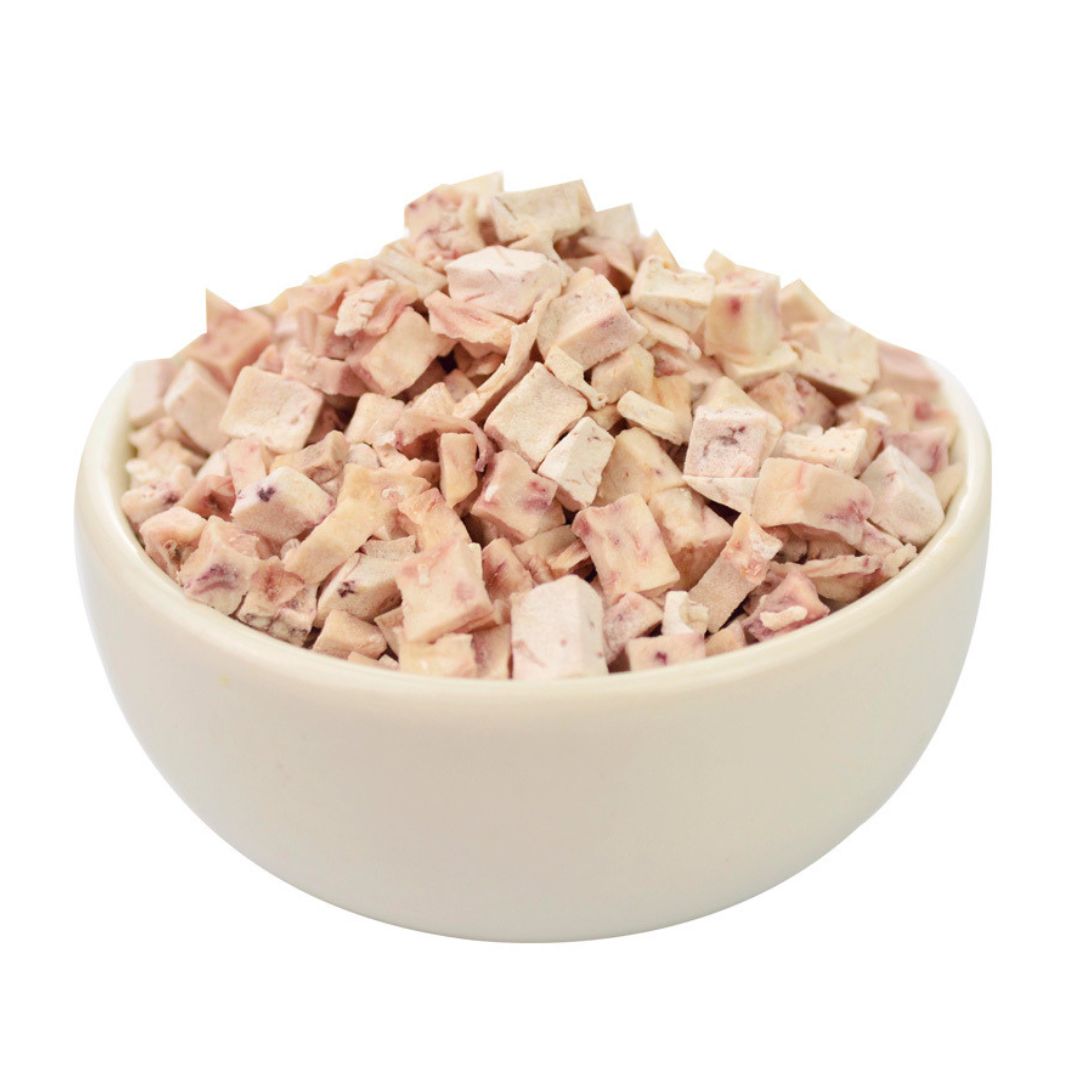
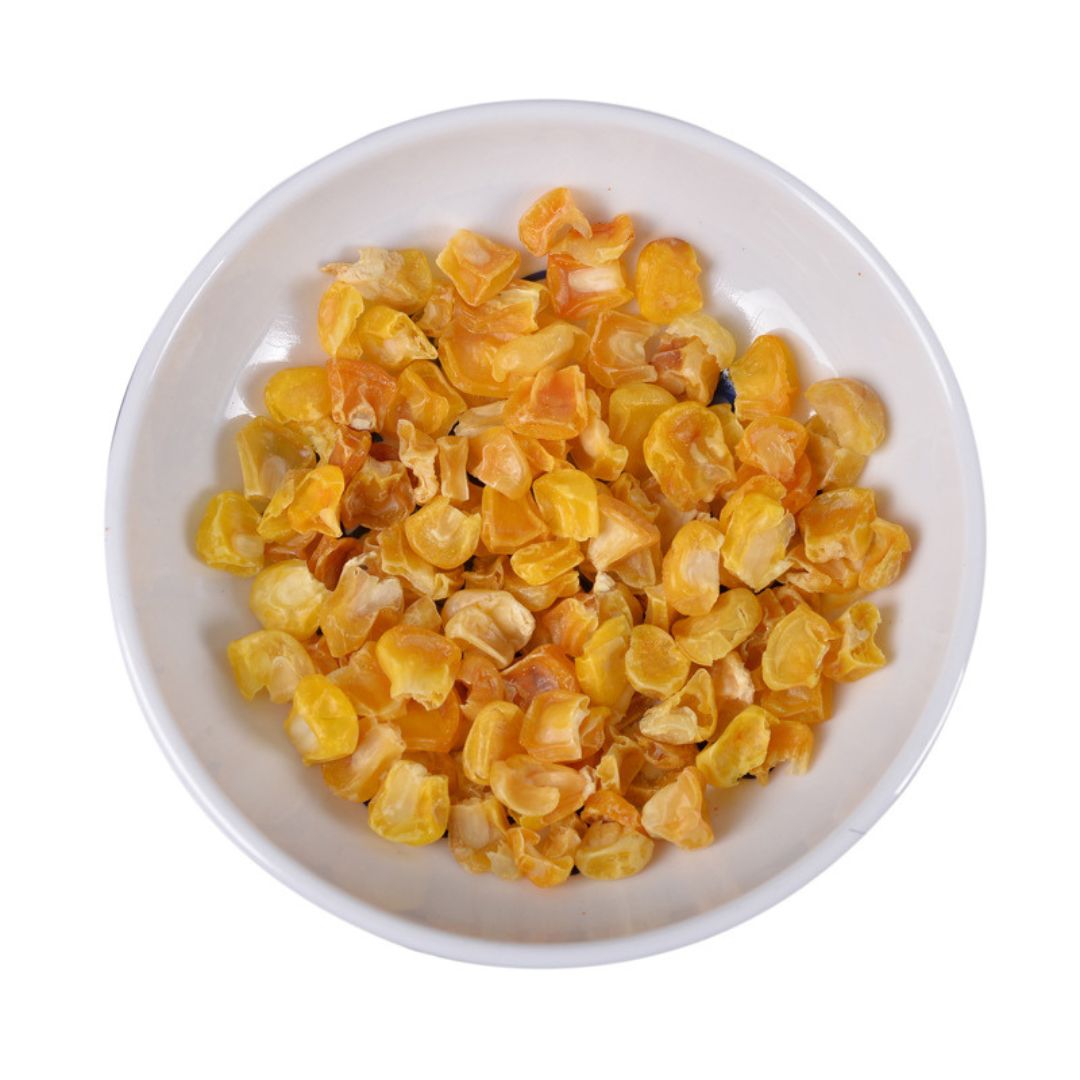
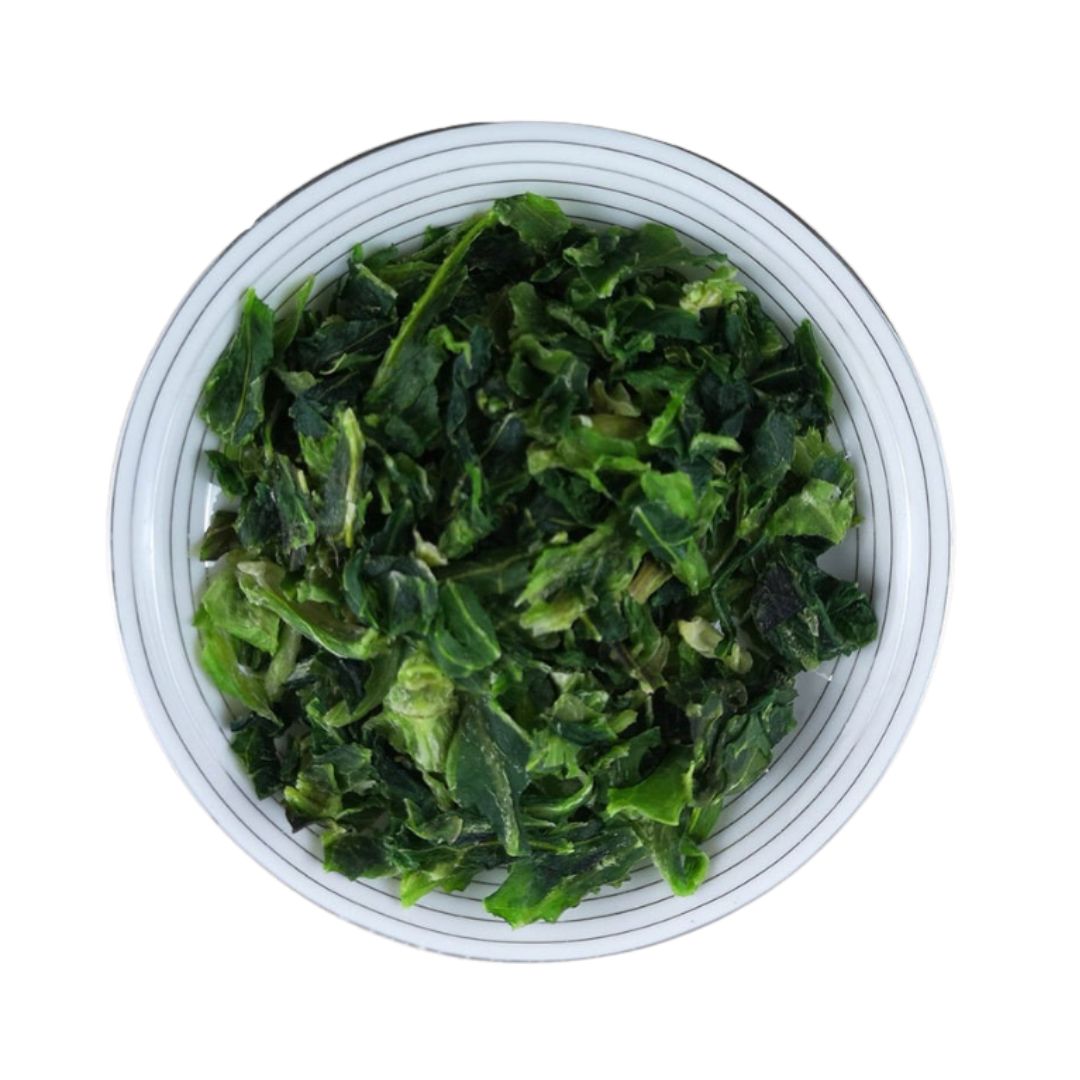
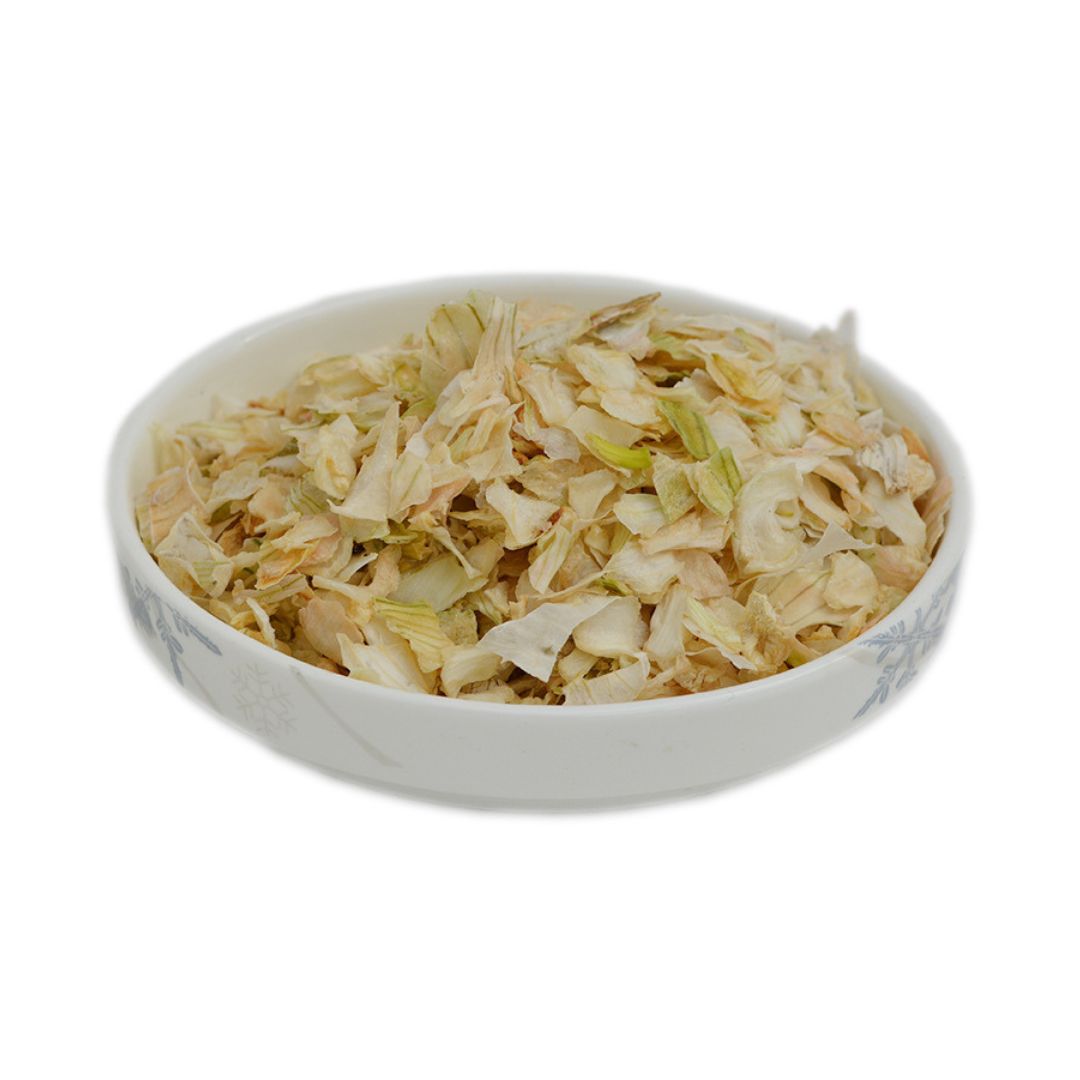
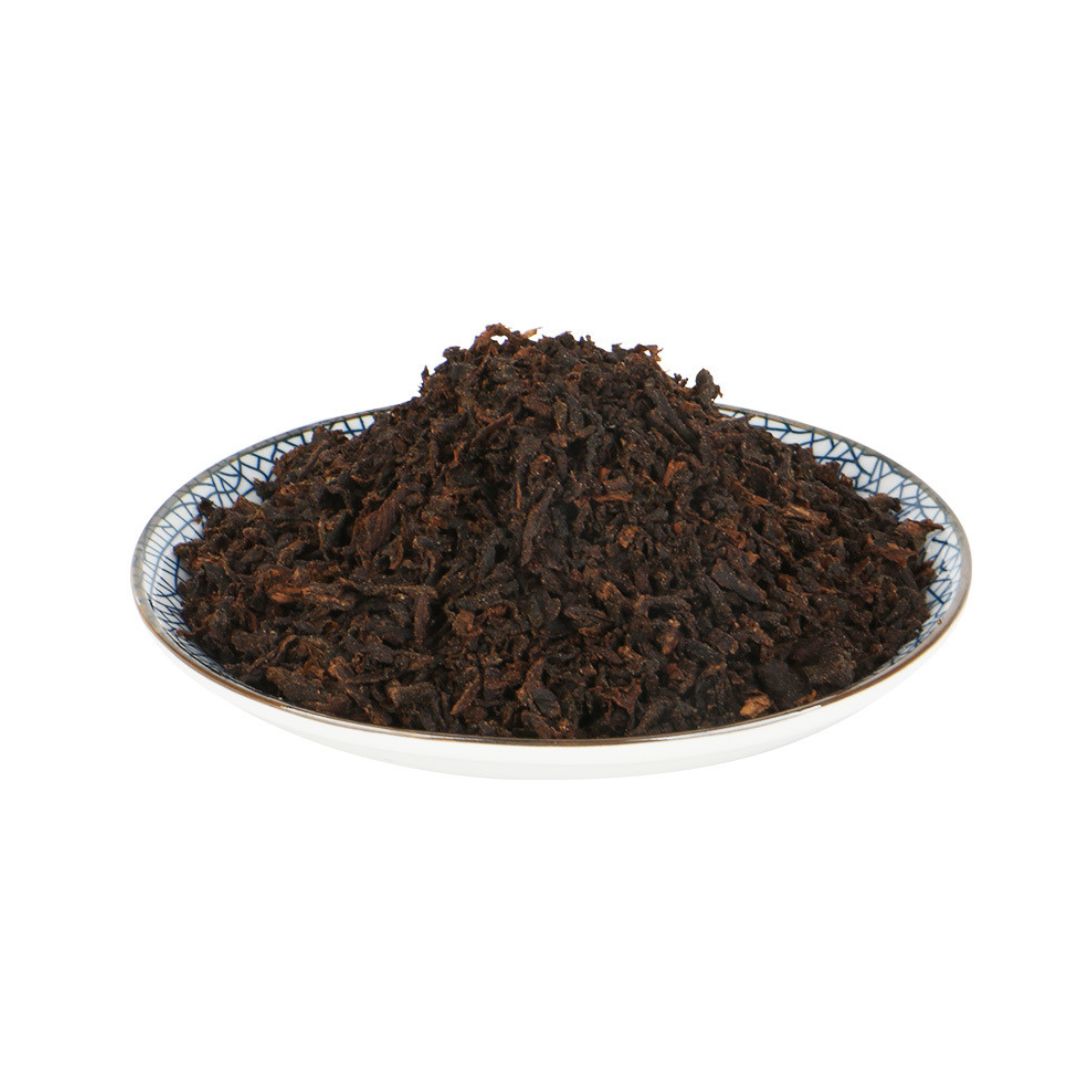
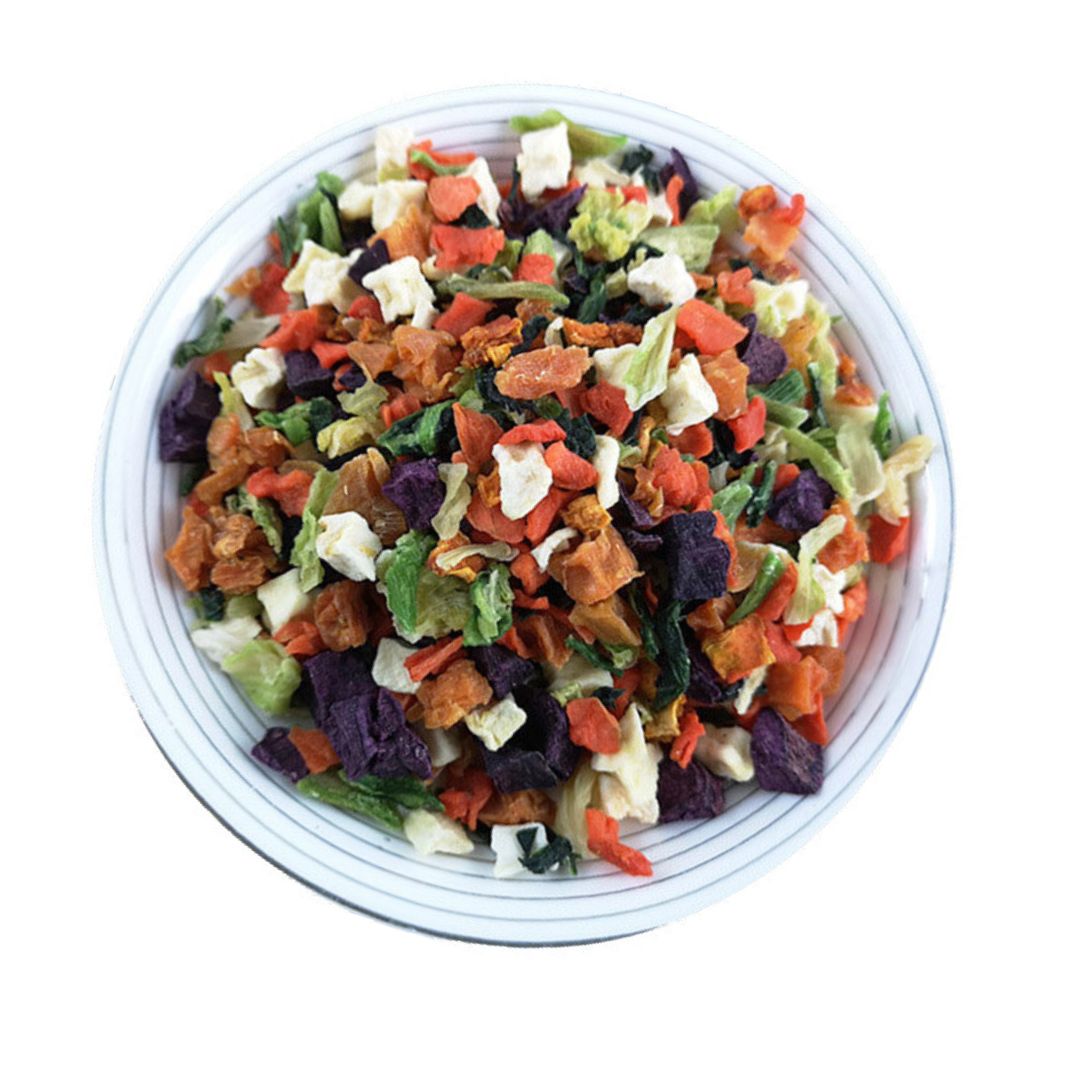
Mixed dried vegetables are a convenient product, created through the dehydration of several different vegetables. This process removes moisture, which prevents spoilage and concentrates the flavors and nutrients of the original vegetables. This results in a product with an extended shelf life and reduced weight, desirable attributes for storage, transportation, and use, especially in situations where fresh produce is not readily available. The flexibility of mixed dried vegetables makes them suitable for various culinary applications, as the product allows for enhancing the nutritional content, flavor, and texture of various dishes. The final product retains many of the vitamins, minerals, and fiber found in fresh vegetables, offering health benefits while maintaining convenience. Typically, mixed dried vegetables need rehydration before consumption, although they can sometimes be added directly to dishes that contain sufficient moisture.
Production Process
The production of mixed dried vegetables involves several key steps to ensure a high-quality final product. The process begins with the selection of fresh vegetables, often sourced from farms, and these vegetables are then thoroughly washed to remove any dirt, debris, or contaminants. Next, the vegetables are typically cut into uniform sizes, such as dicing or slicing, to promote even drying. The prepared vegetables are then spread in a single layer on trays or belts, depending on the drying method used, and two common drying methods include air-drying and freeze-drying. Air-drying involves the use of heated air to remove moisture, while freeze-drying involves freezing the vegetables and then subjecting them to a vacuum to sublimate the ice, and following drying, the vegetables are inspected for quality to ensure they meet specific standards for moisture content, color, and texture. Finally, the dried vegetables are blended according to a predetermined formula, and the mixture is then packaged in airtight containers to prevent moisture reabsorption and maintain freshness, then labeled with relevant information, including the product name, ingredients, and expiration date.
Product Applications
Mixed dried vegetables have wide applicability across the food industry and in home cooking. One of the most common applications is in soups and stews, where dehydrated vegetables can be added directly to the broth or water to rehydrate, contributing flavor, color, and nutrients to the dish. These are also used in dry soup mixes, instant noodle products, and other convenience foods, where these vegetables provide a convenient way to include vegetable content without the need for fresh produce. Also, mixed dried vegetables can be incorporated into sauces and gravies to enhance the flavor profile and add texture, they can be ground into a powder and used as a natural seasoning or flavor enhancer in various food products, and are useful in camping and backpacking meals due to their lightweight and long shelf life, which provides a convenient source of vegetables in outdoor settings. The versatility of mixed dried vegetables, therefore, makes them a valuable component in a variety of food applications.
Packaging and Storage
Proper packaging and storage are essential for maintaining the quality and extending the shelf life of mixed dried vegetables. The primary goal of packaging is to protect the dried vegetables from moisture, oxygen, and light, all of which can degrade the product over time. Therefore, airtight containers, such as sealed bags or containers with tight-fitting lids, are commonly used. Materials like multi-layer plastic films or glass jars are suitable packaging options because they provide an effective barrier against moisture and oxygen, and vacuum sealing, is also another method used to remove air from the packaging, which further extends the shelf life of the product. Once packaged, the mixed dried vegetables should be stored in a cool, dry place, away from direct sunlight, and the ideal storage temperature is typically below 70°F (21°C). High temperatures and humidity can accelerate the degradation of the product, leading to loss of flavor, color, and nutritional value. Moreover, it is important to ensure that the storage area is free from pests and rodents, which can compromise the integrity of the packaging and contaminate the product. Following these storage guidelines helps to ensure that mixed dried vegetables retain their quality and remain safe for consumption for an extended period.
Citations:
- Sharma, H. K., et al. "Dehydration of Foods." Comprehensive Reviews in Food Science and Food Safety, vol. 18, no. 2, 2019, pp. 470-486.
- Ratti, C. "Hot Air and Freeze-Drying of High-Value Foods: A Review." Journal of Food Engineering, vol. 49, no. 4, 2001, pp. 311-319.
- Fellows, P. Food Processing Technology: Principles and Practice. 4th ed., Woodhead Publishing, 2016.

As a sales manager, I’m here to make sure you get exactly what you need for your dietary supplements. From sourcing to delivery, I’m always by your side, ensuring smooth and friendly service. Let’s make your products even better! 🥰🌿