

Product Introduction
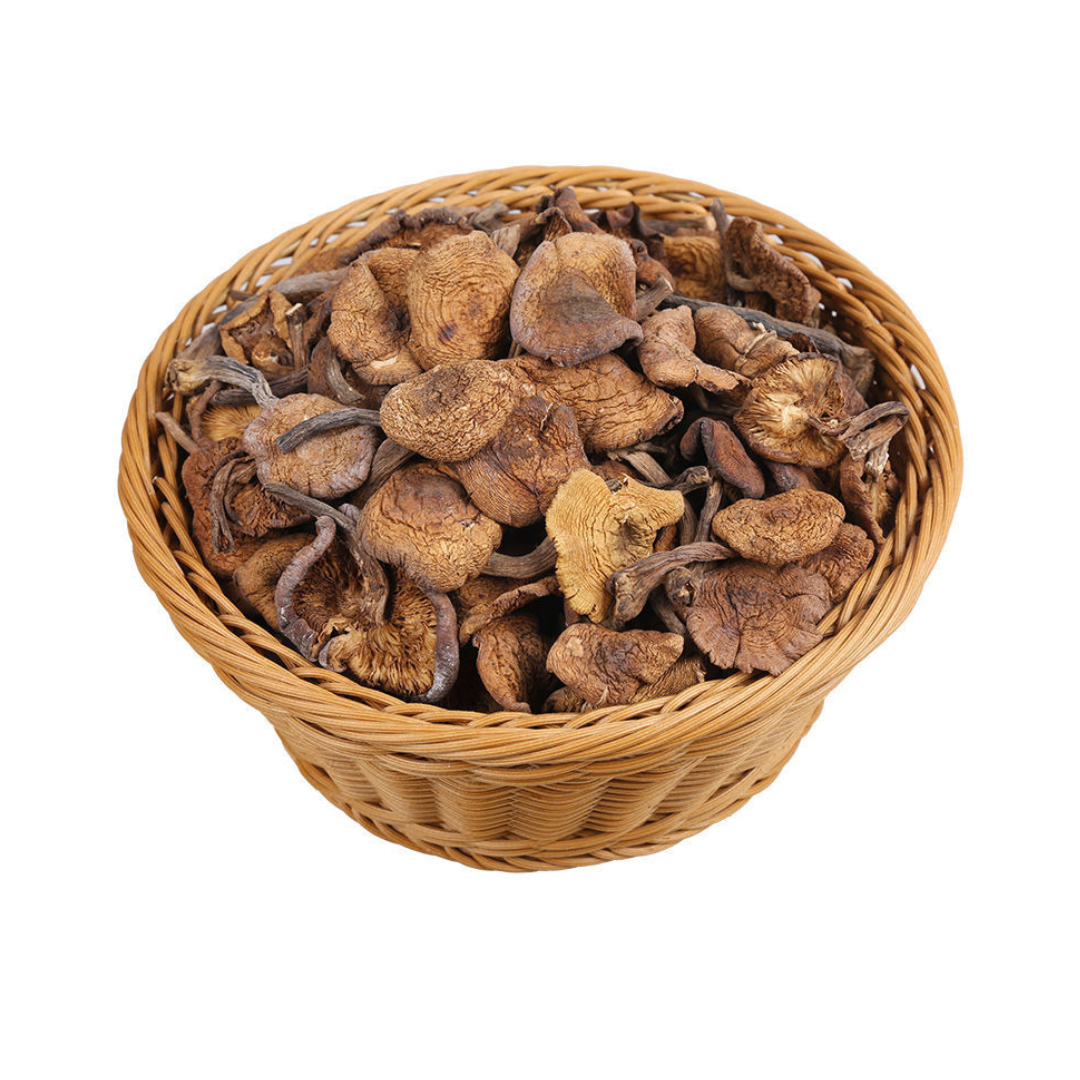
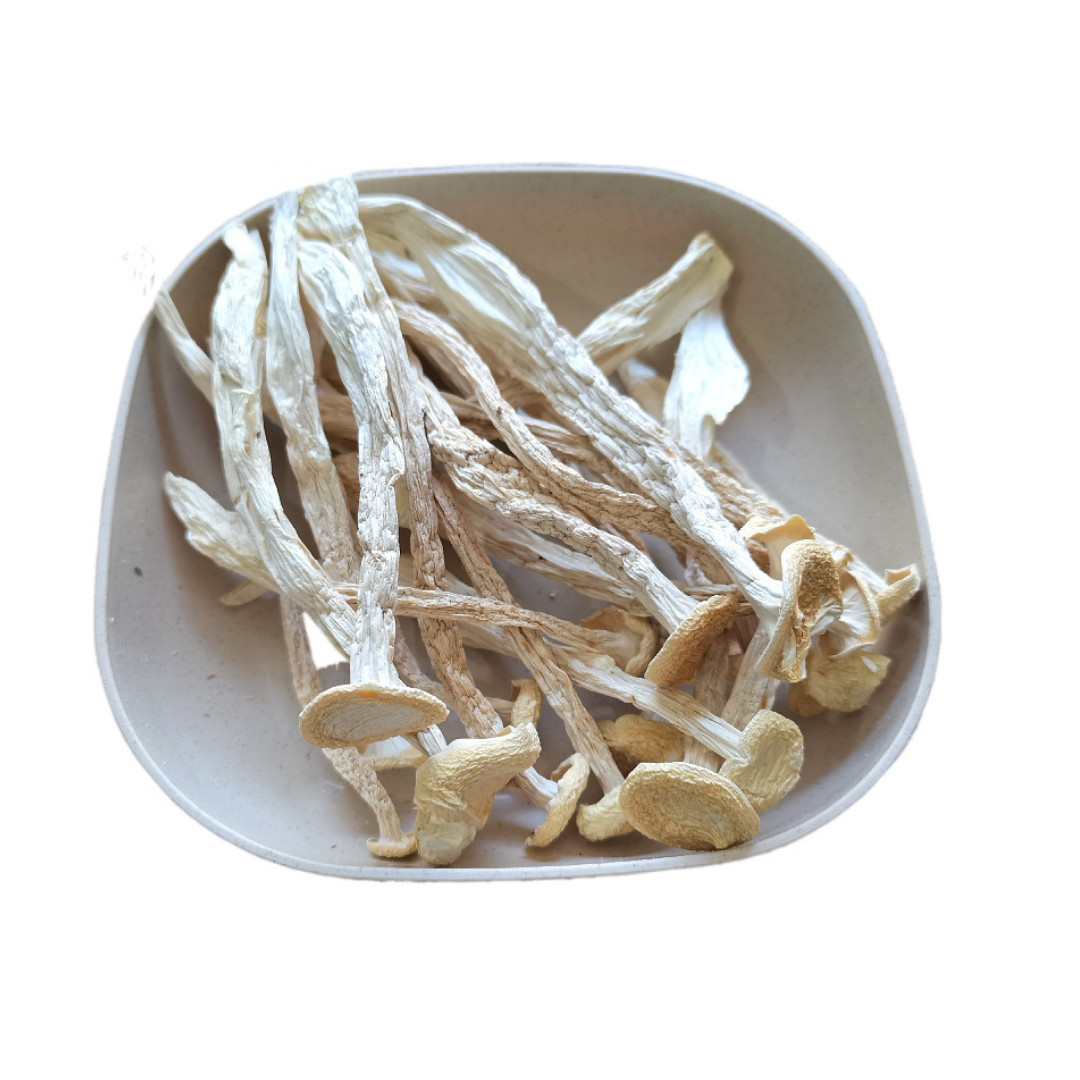
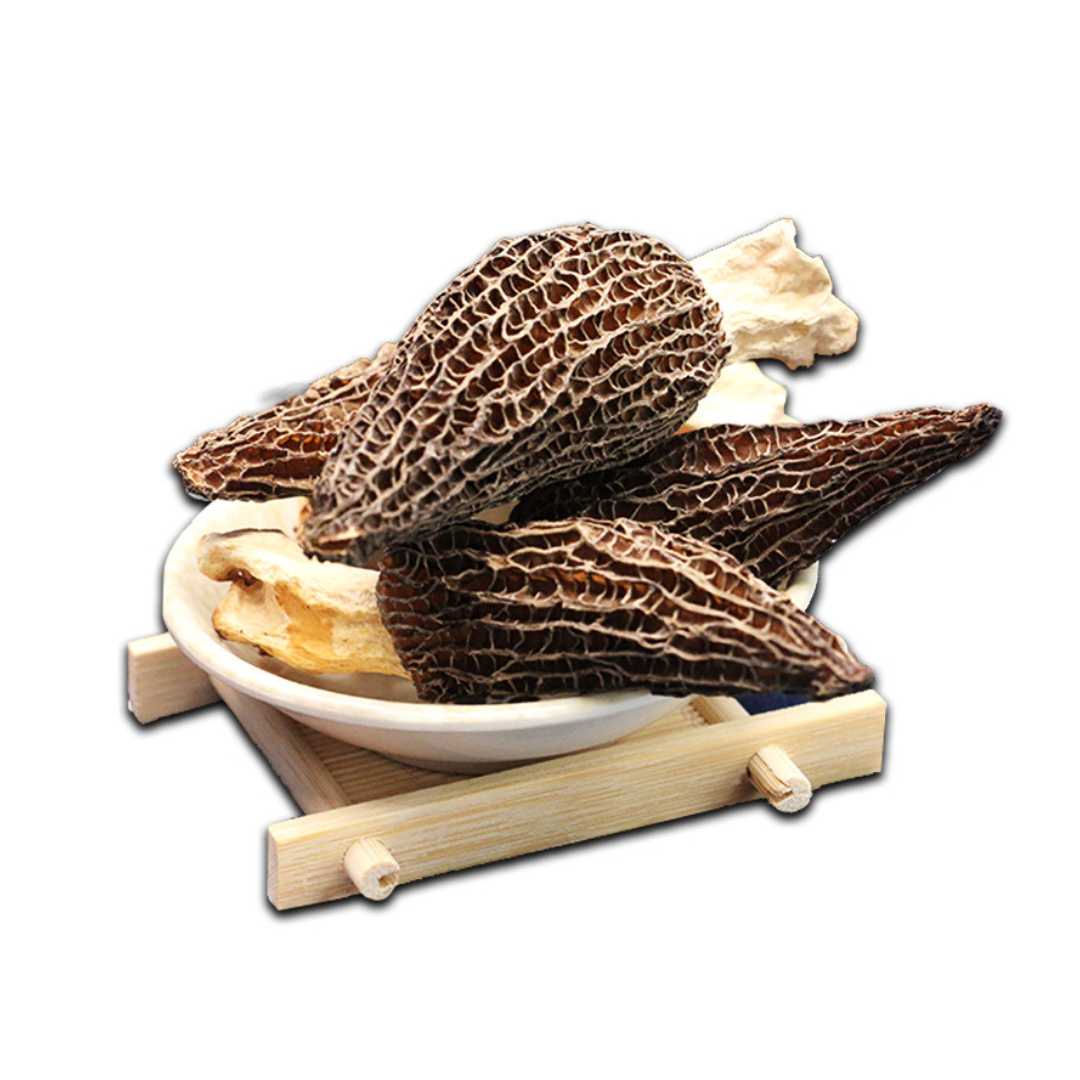
Dehydrated morels are a preserved form of the Morchella esculenta mushroom species, known for their distinctive honeycomb appearance and rich, earthy flavor. The dehydration process extends the shelf life of these seasonal mushrooms, making them available year-round. The appeal of dehydrated morels stems from their concentrated flavor and ease of use in various culinary applications. They offer a convenient means of incorporating a gourmet ingredient into both home cooking and professional food preparations.
Production Process
The production of dehydrated morels begins with the careful selection of fresh, high-quality mushrooms. The mushrooms are cleaned to remove any dirt, debris, or insects. After cleaning, the morels undergo a drying process which can vary but generally involves air-drying, freeze-drying, or heat-drying. Air-drying is a traditional method where morels are spread out on trays in a well-ventilated area, or hung to dry naturally, ensuring even moisture removal. Freeze-drying, or lyophilization, involves freezing the mushrooms and then subjecting them to a vacuum to sublimate the ice crystals, preserving the cellular structure and flavor compounds more effectively. Heat-drying utilizes controlled temperatures in a drying chamber to evaporate the moisture. Once the drying process is complete, the morels are inspected for quality and sorted before being packaged.
Product Applications
Dehydrated morels are versatile and can be used in a variety of culinary applications. Before use, they typically require rehydration, which involves soaking them in warm water or broth for about 20-30 minutes until they regain some of their original texture, the soaking liquid will then have the aroma and flavor of the morels and can be further used in sauces or soups. They can be incorporated into sauces, such as cream sauces served with pasta or meat dishes, adding a unique depth of flavor [1]. Morels are also suitable for soups and stews, where they contribute a rich, umami taste. They can be chopped and added as a filling for omelets, ravioli, or other stuffed dishes [2]. Furthermore, dehydrated morels can be ground into a powder and used as a seasoning for various dishes, providing a concentrated burst of flavor [3].
Packaging and Storage
Proper packaging is critical to maintaining the quality of dehydrated morels. They are typically packaged in airtight containers, such as sealed bags or jars, to prevent moisture absorption, which can lead to spoilage. The packaging material should also protect the morels from light and physical damage. Storage should be in a cool, dry, and dark place, away from direct sunlight and temperature fluctuations [4]. Ideal storage conditions help to preserve the flavor, aroma, and overall quality of the dehydrated morels for an extended period, often up to a year or more [5].
Citations
[1] Boa, E. (2004). Wild Edible Fungi: A Global Overview of Their Use and Importance to People. Food and Agriculture Organization of the United Nations.
[2] Barron, G. (1999). Mushrooms of Ontario and Eastern Canada. Lone Pine Publishing.
[3] Roberts, P., & Evans, S. (2011). The Book of Fungi. Ivy Press.
[4] Stamets, P. (1993). Growing Gourmet and Medicinal Mushrooms. Ten Speed Press.
[5] McGee, H. (2004). On Food and Cooking: The Science and Lore of the Kitchen. Scribner.

As a sales manager, I’m here to make sure you get exactly what you need for your dietary supplements. From sourcing to delivery, I’m always by your side, ensuring smooth and friendly service. Let’s make your products even better! 🥰🌿