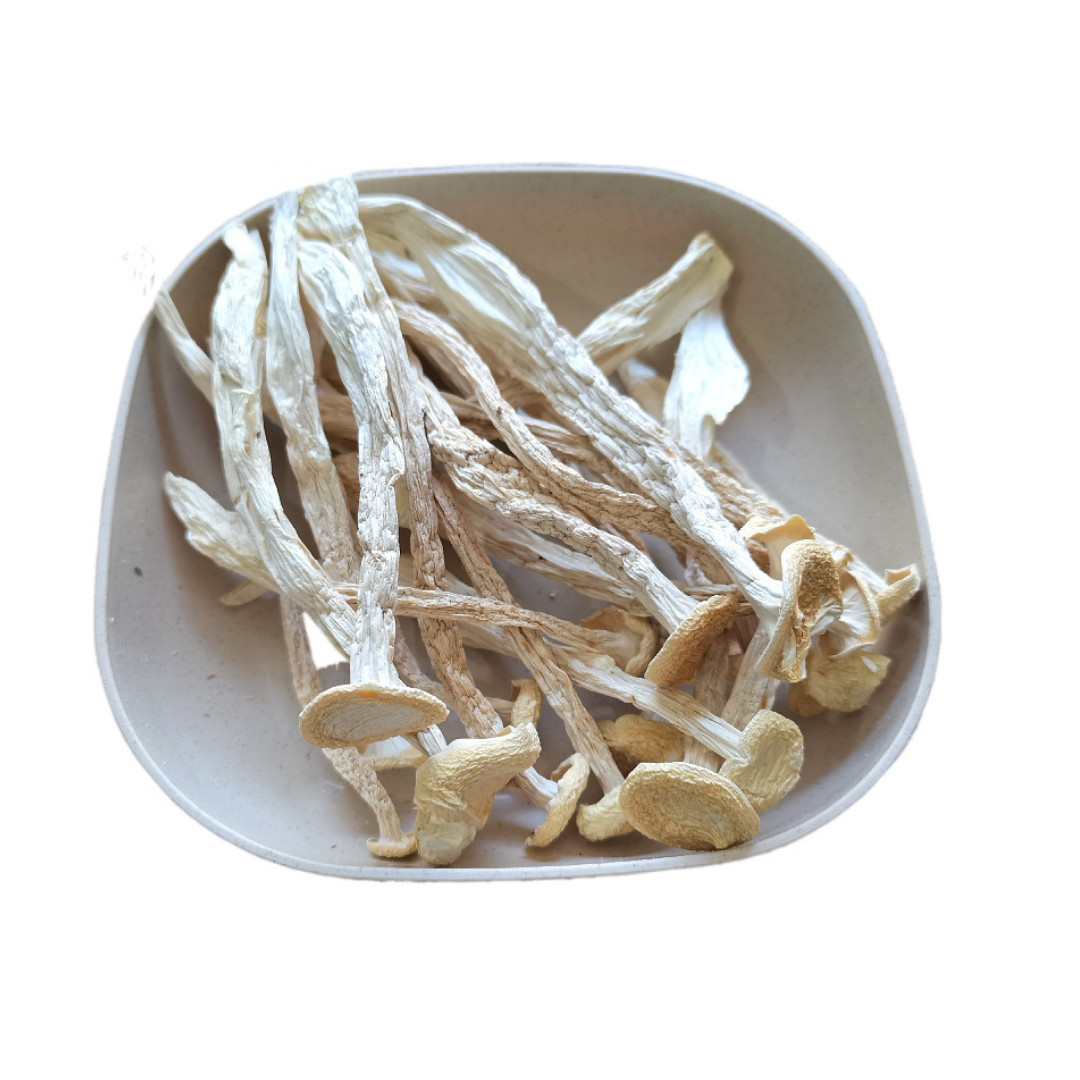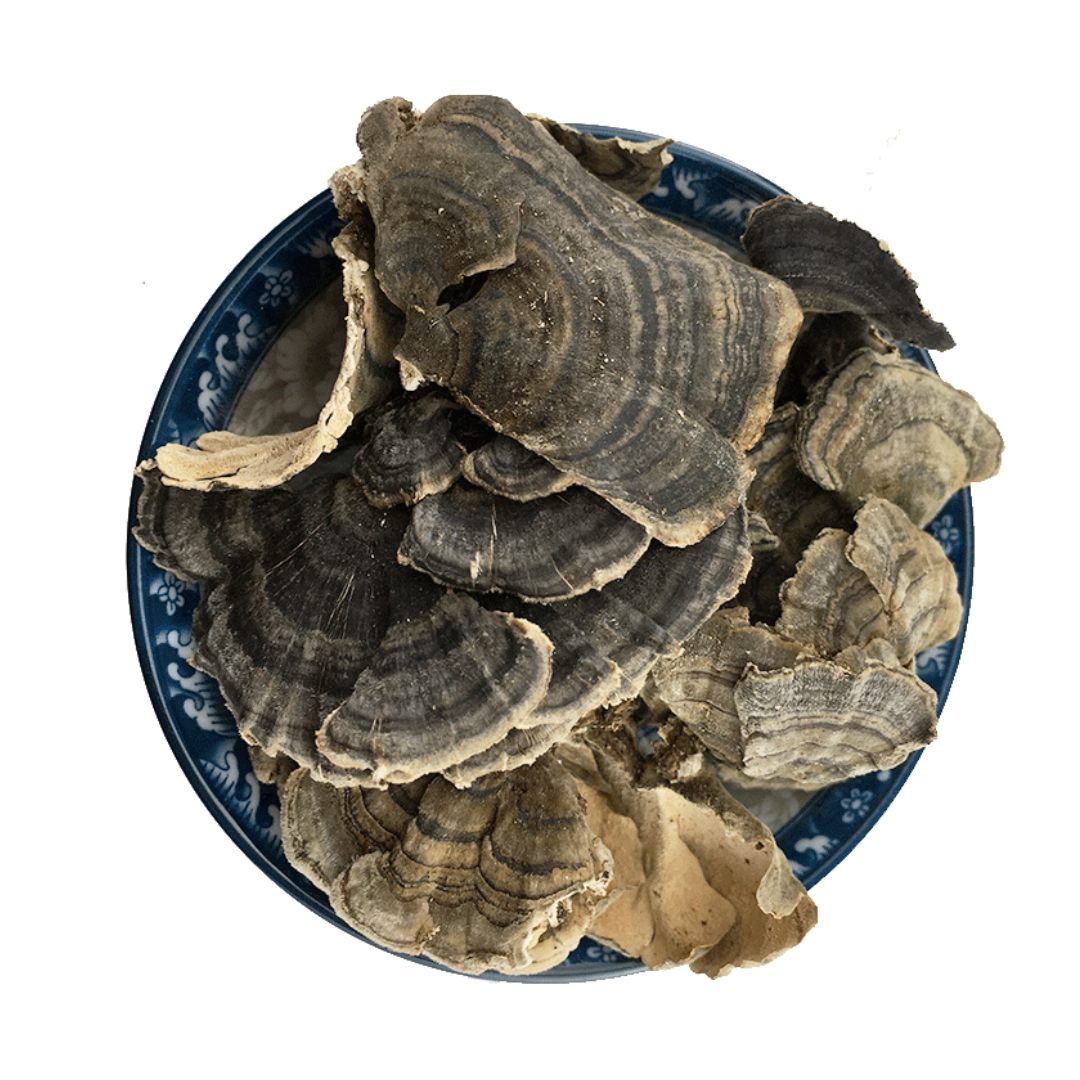


Product Introduction
Dehydrated turkey tail mushroom, scientifically known as Coriolus versicolor or Trametes versicolor, is a polypore mushroom recognized for its distinctive, colorful bands resembling a turkey's tail feathers. This mushroom, commonly found on decaying logs across the globe, has been used in traditional medicine practices for centuries, particularly in Asia. Dehydration, an effective preservation method, concentrates the mushroom’s bioactive compounds. This process makes it easier to store, transport, and utilize in various applications.
Production Process
The production of dehydrated turkey tail mushroom involves several key steps. First, the mushrooms are harvested, often from sustainably managed forests or cultivated environments. Following harvest, the mushrooms undergo a cleaning process to remove any debris, dirt, or other contaminants. Subsequently, the mushrooms are sliced thinly to facilitate effective drying; uniformity in slice thickness aids in achieving consistent moisture removal.
The slices are then dehydrated using methods such as air-drying or low-temperature oven drying, with temperatures carefully controlled to preserve the integrity of heat-sensitive bioactive compounds. Once dried, the mushrooms are inspected for quality, ensuring they meet established standards for moisture content, color, and overall appearance. Finally, the dehydrated turkey tail mushroom is packaged in airtight containers to prevent moisture reabsorption and maintain product quality during storage and transportation.
Product Applications
Dehydrated turkey tail mushroom finds applications across various fields. In the realm of dietary supplements, it is often ground into powder form or used to create extracts, which are then encapsulated or formulated into tinctures. These supplements are consumed for their potential immune-modulating and antioxidant properties.
Turkey tail is also used to make teas. The dehydrated mushroom slices are steeped in hot water, allowing consumers to ingest beneficial compounds in a beverage format. Furthermore, the mushroom is investigated for potential applications in mycological bioremediation, where its enzymatic capabilities could assist in breaking down environmental pollutants. The versatility of dehydrated turkey tail underscores its significance in both health-related and environmental contexts.
Packaging and Storage
Proper packaging and storage are crucial for maintaining the quality and efficacy of dehydrated turkey tail mushroom. The product should be packaged in airtight, moisture-proof containers to prevent the reabsorption of moisture, which can lead to spoilage and loss of beneficial compounds [1]. Materials such as vacuum-sealed bags or airtight jars are commonly used.
Storage conditions should include a cool, dark, and dry environment, ideally away from direct sunlight and temperature fluctuations. Recommended storage temperatures typically range between 15-25°C [2]. Storing dehydrated turkey tail mushroom under these conditions helps extend its shelf life, preserving its aroma, flavor, and bioactive constituents for extended use. Following these guidelines ensures that the product remains potent and safe for consumption over a prolonged period.
Citations:
[1] Ratti, M. (2008). Hot air and freeze-drying of high-value foods: a review. Journal of Food Engineering, 91(1), 81-91.
[2] Sharma, H. K., Zhang, M., & Mujumdar, A. S. (2019). Handbook of food processing, dehydration, and preservation. CRC press.

As a sales manager, I’m here to make sure you get exactly what you need for your dietary supplements. From sourcing to delivery, I’m always by your side, ensuring smooth and friendly service. Let’s make your products even better! 🥰🌿