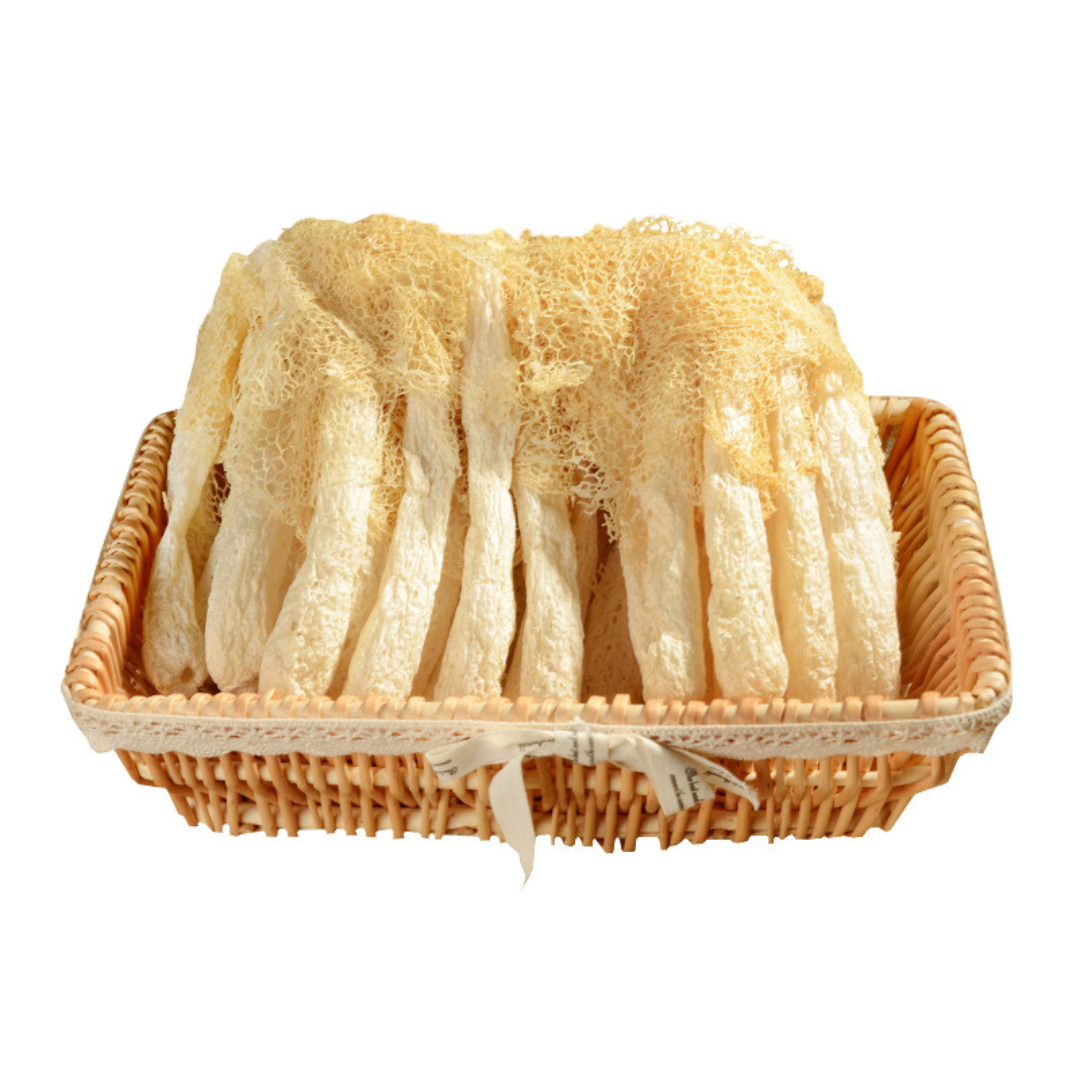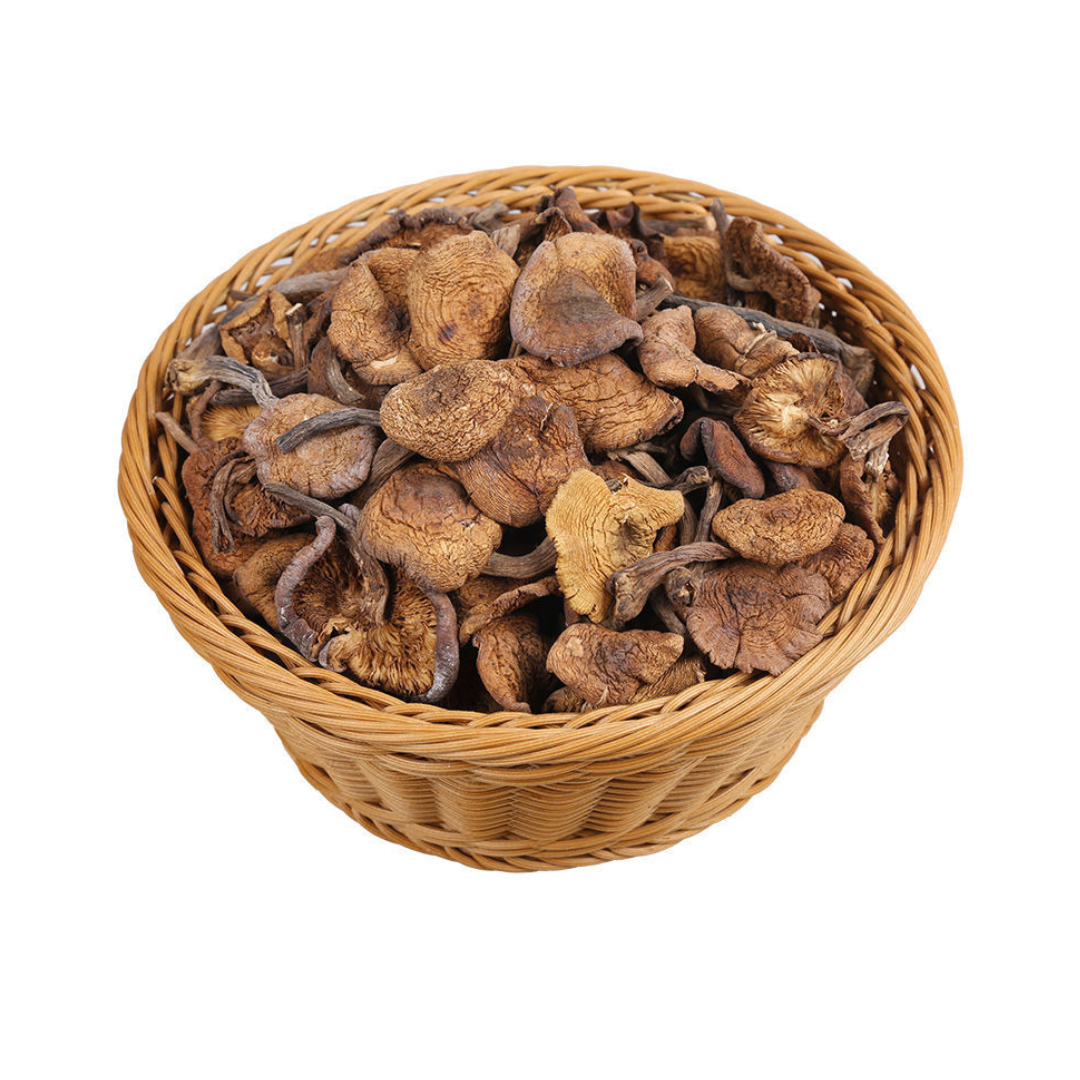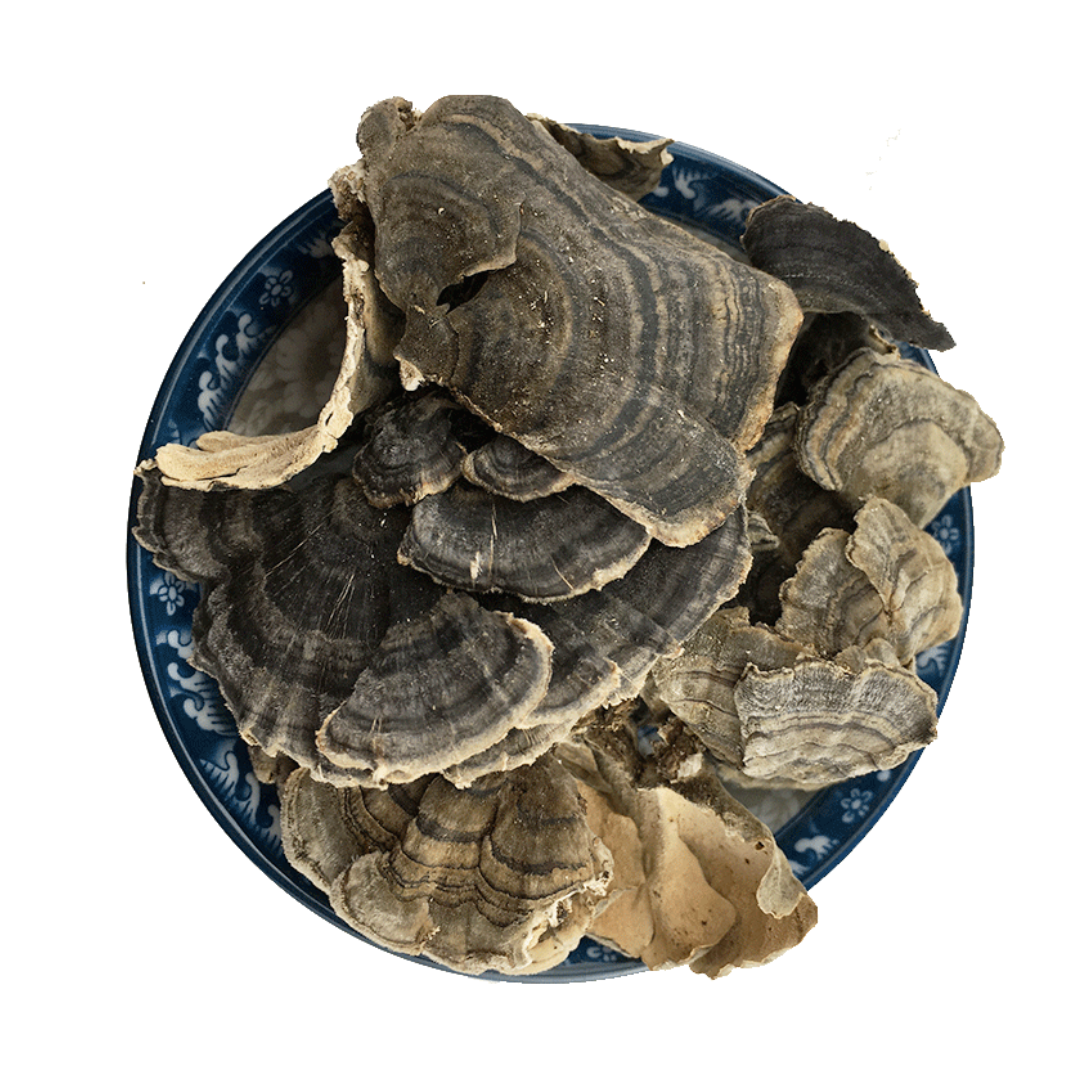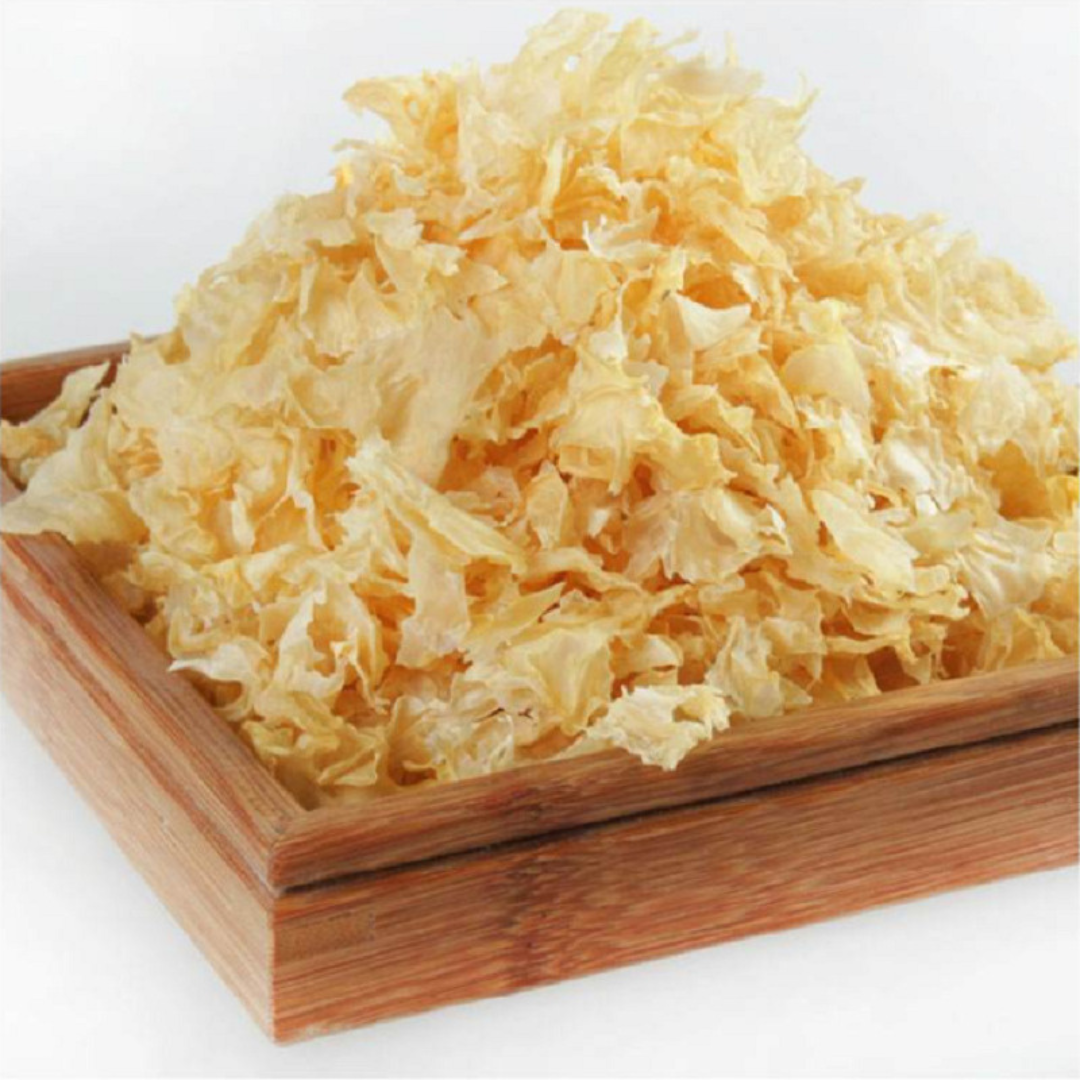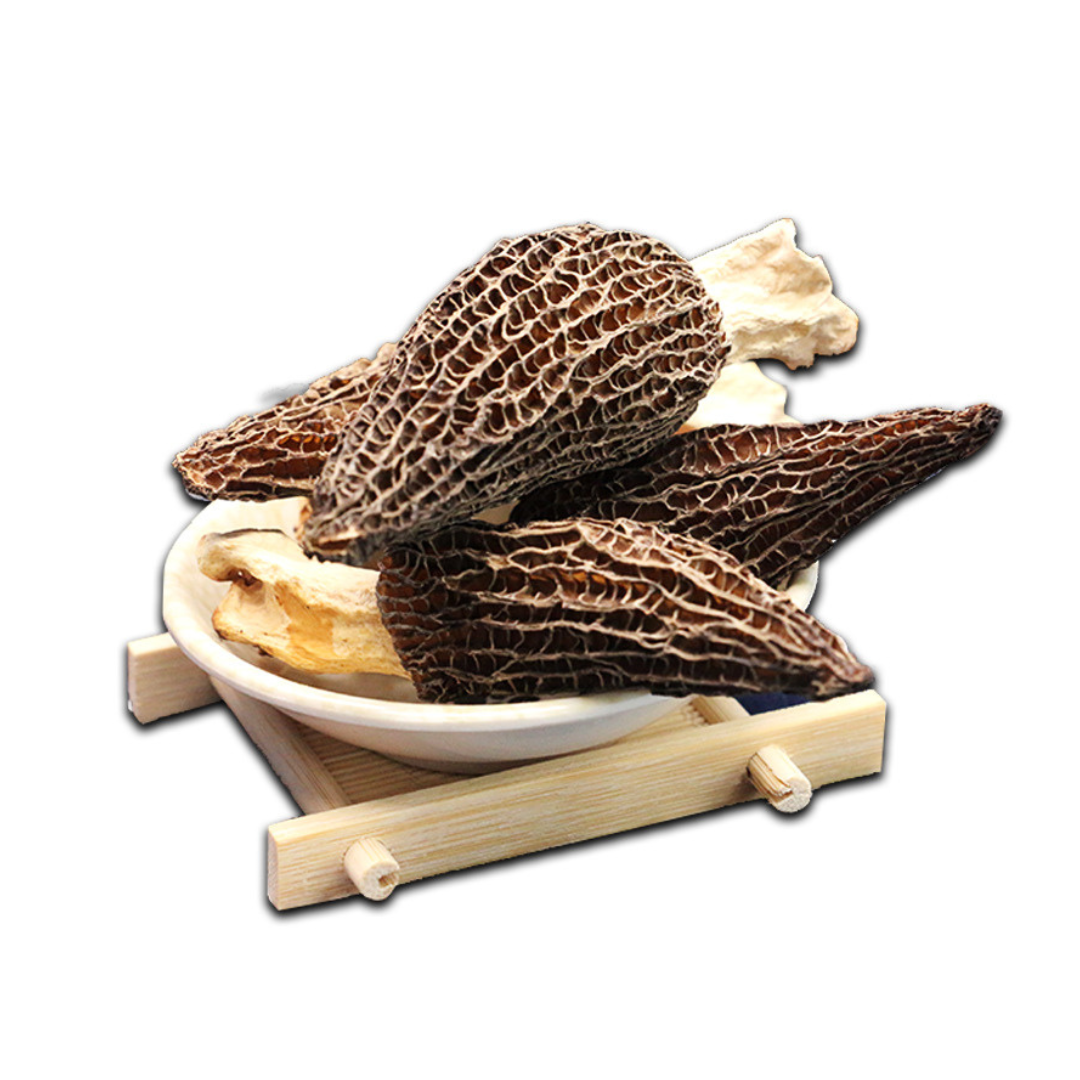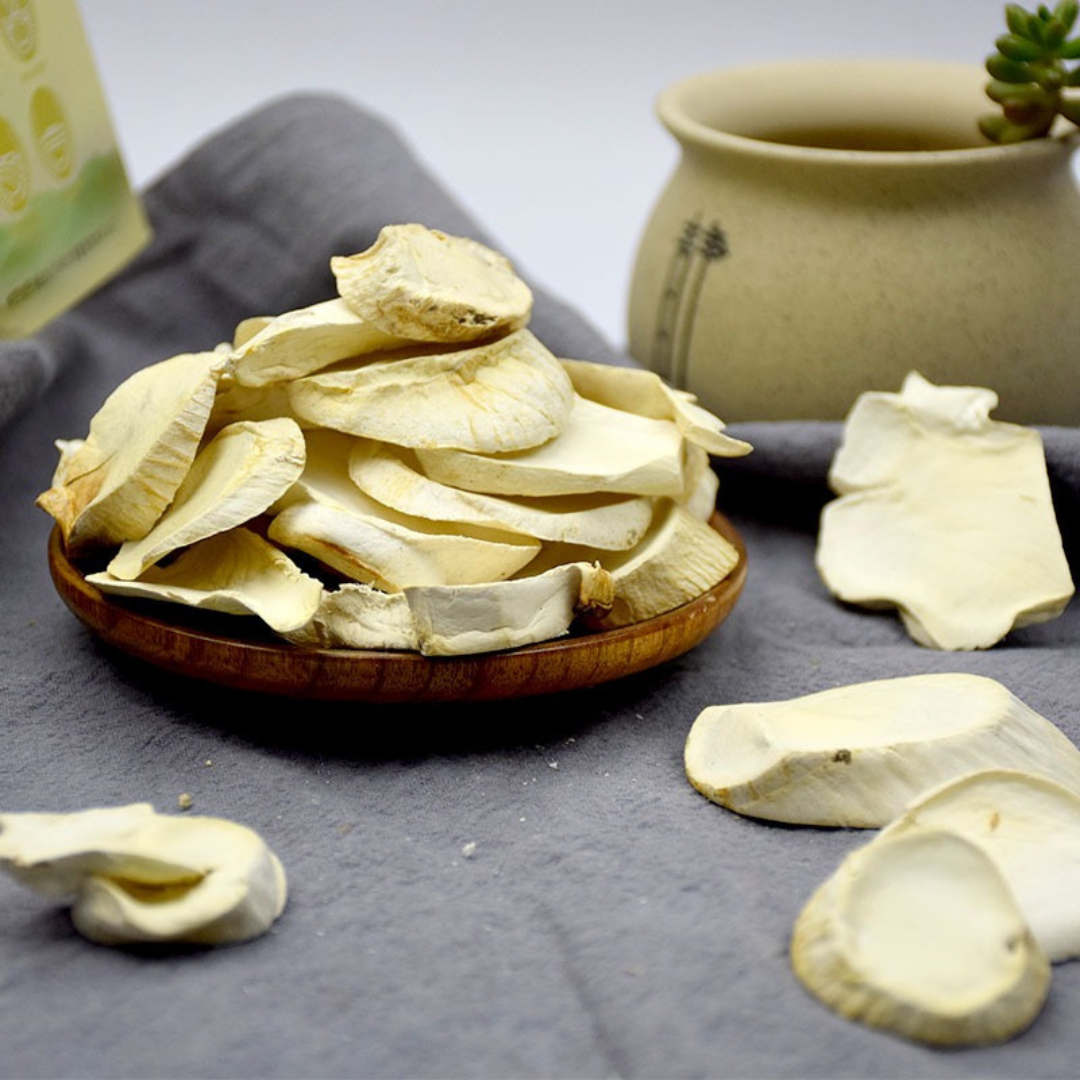


Pleurotus nebrodensis, commonly known as the Sicilian white mushroom, is an edible mushroom endemic to the Nebrodi mountains in Sicily, Italy [1]. This mushroom is highly prized for its unique flavor and texture, leading to its popularity in gourmet cuisine. Due to its rarity and protected status, commercial availability relies on cultivated varieties. Dehydration serves as an effective method to preserve this delicacy, making it accessible year-round.
The production process of dehydrated Pleurotus nebrodensis begins with selecting high-quality, fresh mushrooms. These mushrooms are then thoroughly cleaned and sliced to ensure uniform drying. Various drying methods can be employed, including air-drying, sun-drying, and freeze-drying [2]. Air-drying involves placing the sliced mushrooms in a well-ventilated area with controlled temperature and humidity. Sun-drying, a more traditional method, involves spreading the mushrooms in direct sunlight. Freeze-drying, also known as lyophilization, is a modern technique that involves freezing the mushrooms and then reducing the surrounding pressure to allow the frozen water to sublimate directly from the solid phase to the gas phase [3]. This method retains the mushroom's structure, flavor, and nutritional properties more effectively than other methods. After drying, the mushrooms are inspected, sorted, and packaged to ensure they meet quality standards.
Dehydrated Pleurotus nebrodensis boasts a versatile range of culinary applications. Its concentrated flavor enhances a variety of dishes, including soups, stews, and sauces [4]. The mushrooms can be rehydrated by soaking them in warm water for 15-20 minutes, after which they can be used as fresh mushrooms. The rehydration liquid can also be used as a flavorful broth in recipes. Dehydrated Pleurotus nebrodensis adds a gourmet touch to risotto, pasta dishes, and meat-based preparations. They are also suitable for vegetarian and vegan recipes, offering a savory, umami-rich element.
Proper packaging and storage are crucial for maintaining the quality and extending the shelf life of dehydrated Pleurotus nebrodensis. The product should be packaged in airtight containers or resealable bags to protect it from moisture and air [5]. Optimal storage conditions include a cool, dark, and dry environment, away from direct sunlight and heat. Properly stored dehydrated Pleurotus nebrodensis can maintain its quality for up to 12-18 months [6].
Citations:
[1] Venturella, G., et al. "Pleurotus nebrodensis (Agaricomycetes, Basidiomycota), a Fungus Species with a Narrow Distribution Range: Data for Conservation." International Journal of Molecular Sciences, vol. 21, no. 11, 2020, p. 3885.
[2] Ratti, Cristina. "Drying of Fruits and Vegetables." Handbook of Food Preservation, Second Edition, 2014, pp. 261-282.
[3] Ciurzyńska, A., et al. "Application of Lyophilization in Food Processing. Development in Food Science." Elsevier, vol. 56, 2018, pp. 385-426.
[4] Chang, S.T., and P.G. Miles. "Edible Mushrooms and Their Cultivation." CRC Press, 2004.
[5] Robertson, G.L. "Food Packaging: Principles and Practice, Third Edition." CRC Press, 2013.
[6] Fellows, P.J. "Food Processing Technology: Principles and Practice, Fourth Edition." Woodhead Publishing, 2016.

As a sales manager, I’m here to make sure you get exactly what you need for your dietary supplements. From sourcing to delivery, I’m always by your side, ensuring smooth and friendly service. Let’s make your products even better! 🥰🌿