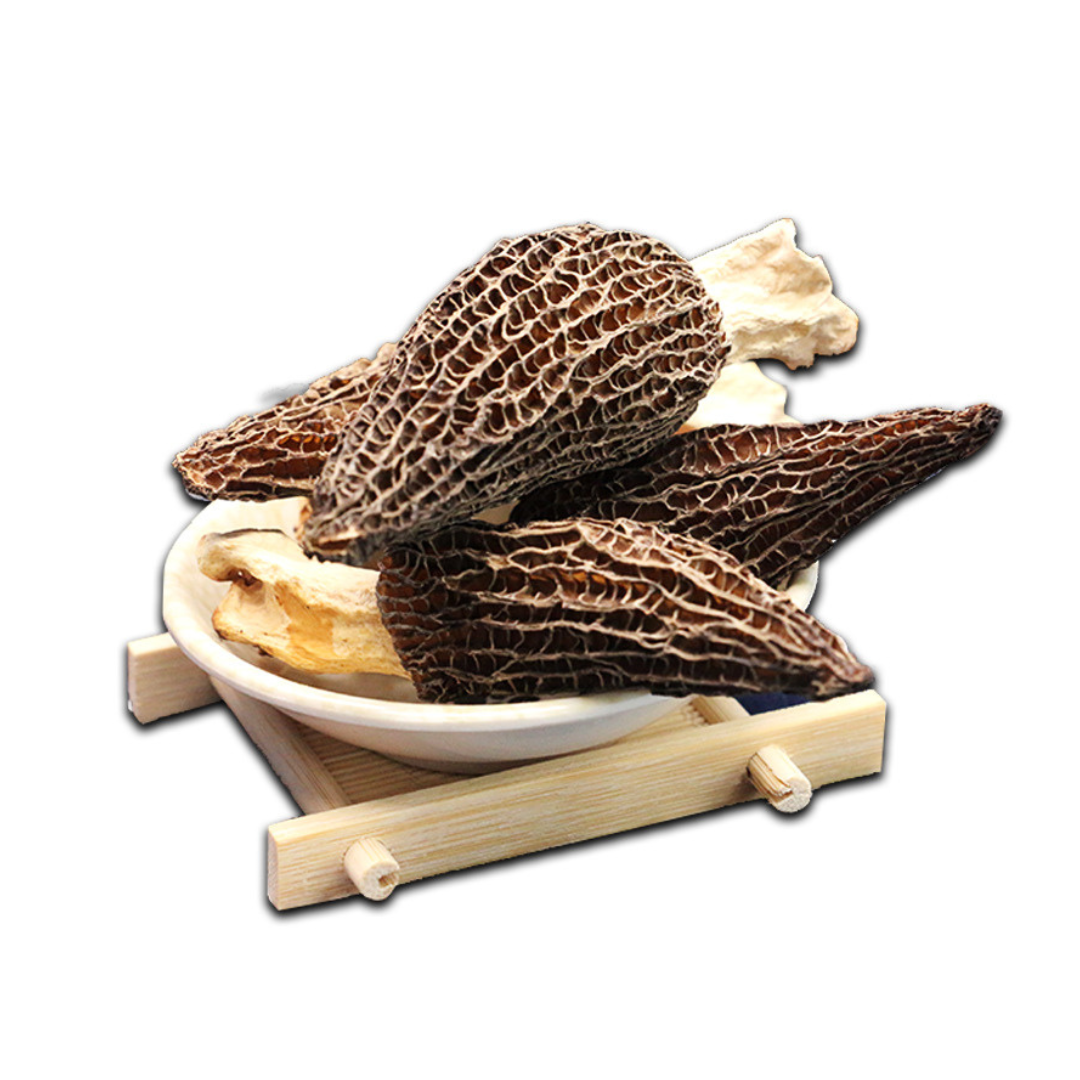
Product Introduction
Dehydrated tuckahoe, also known as Fu Ling or Poria, is derived from the dried sclerotium of Wolfiporia extensa, a fungus belonging to the Polyporaceae family. This fungus is commonly found growing on pine trees and is widely used in traditional Chinese medicine. Tuckahoe has been employed for centuries due to its purported health benefits. The dehydration process preserves the active ingredients and extends the shelf life of the product, making it accessible for various applications. It is valued for its diuretic, sedative, and tonic properties and is frequently incorporated into herbal formulations and culinary preparations.
Production Process
The production of dehydrated tuckahoe begins with the harvesting of Wolfiporia extensa sclerotia. Mature specimens are carefully collected and cleaned to remove any adhering soil or debris. The cleaned sclerotia are then sliced into smaller, manageable pieces to facilitate efficient drying. These slices are typically air-dried or dried in low-temperature ovens to minimize the degradation of heat-sensitive compounds. The drying process continues until the moisture content is sufficiently reduced, usually below 12%, to prevent microbial growth and spoilage. After drying, the tuckahoe pieces are sorted, graded, and packaged for distribution. Quality control measures are implemented throughout the process to ensure the final product meets specified standards for purity, potency, and appearance.
Product Applications
Dehydrated tuckahoe finds applications in both the culinary and medicinal fields. In traditional Chinese medicine, it is used as a key ingredient in various herbal remedies aimed at treating conditions such as edema, insomnia, anxiety, and digestive issues. It may be combined with other herbs to enhance its therapeutic effects. In culinary applications, dehydrated tuckahoe can be added to soups and teas, imparting a subtle, earthy flavor and potential health benefits. It is also used as a component in certain traditional Chinese desserts. The product’s versatility makes it a valuable ingredient for those seeking natural health solutions and unique flavors in food.
Packaging and Storage
Proper packaging and storage are essential to maintaining the quality and efficacy of dehydrated tuckahoe. The product must be packaged in airtight containers to prevent moisture absorption and exposure to air, which can lead to degradation. Materials such as vacuum-sealed bags or containers with tight-fitting lids are recommended. Storage should be in a cool, dry place, away from direct sunlight and extreme temperatures. Ideally, the storage temperature should be below 25°C. Under these conditions, dehydrated tuckahoe can maintain its quality for an extended period, typically up to two years. Regular inspection for any signs of spoilage, such as mold growth or off-odors, is advisable.
Citations:
Chen, J. K., & Chen, T. T. (2004). Chinese Medical Herbology and Pharmacology. City of Industry, CA: Art of Medicine Press.
Bensky, D., Gamble, A., & Kaptchuk, T. J. (1993). Chinese Herbal Medicine: Materia Medica. Seattle, WA: Eastland Press.

As a sales manager, I’m here to make sure you get exactly what you need for your dietary supplements. From sourcing to delivery, I’m always by your side, ensuring smooth and friendly service. Let’s make your products even better! 🥰🌿