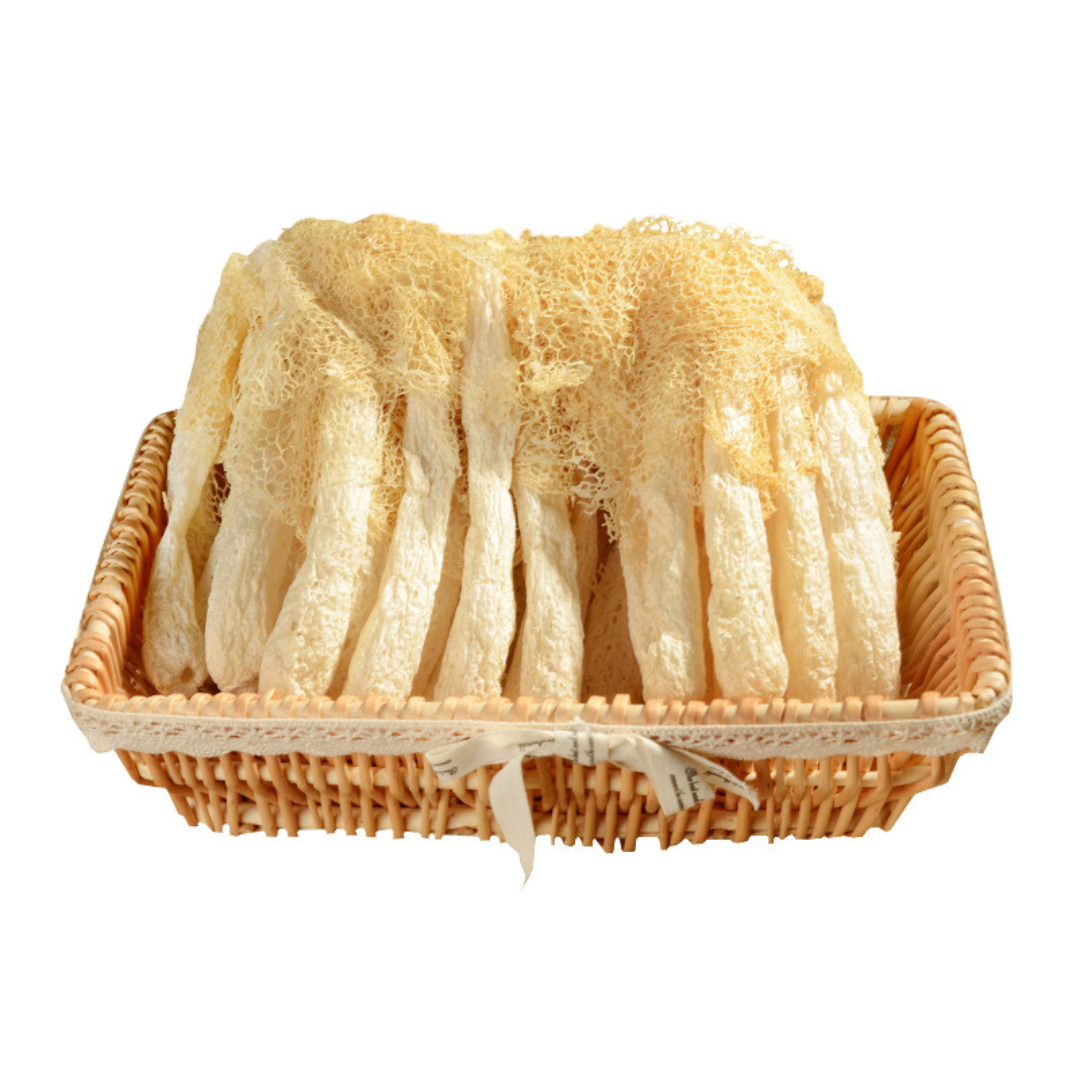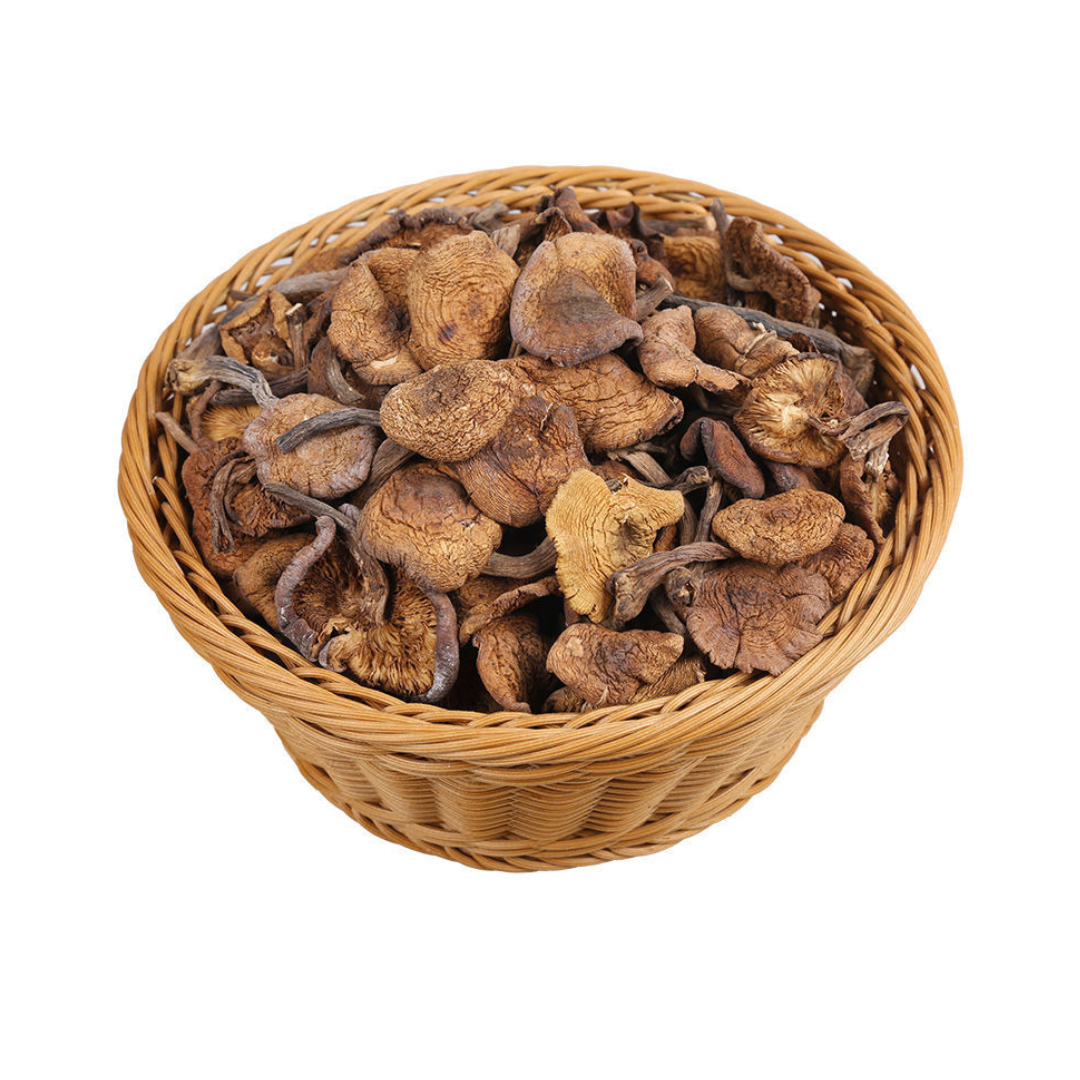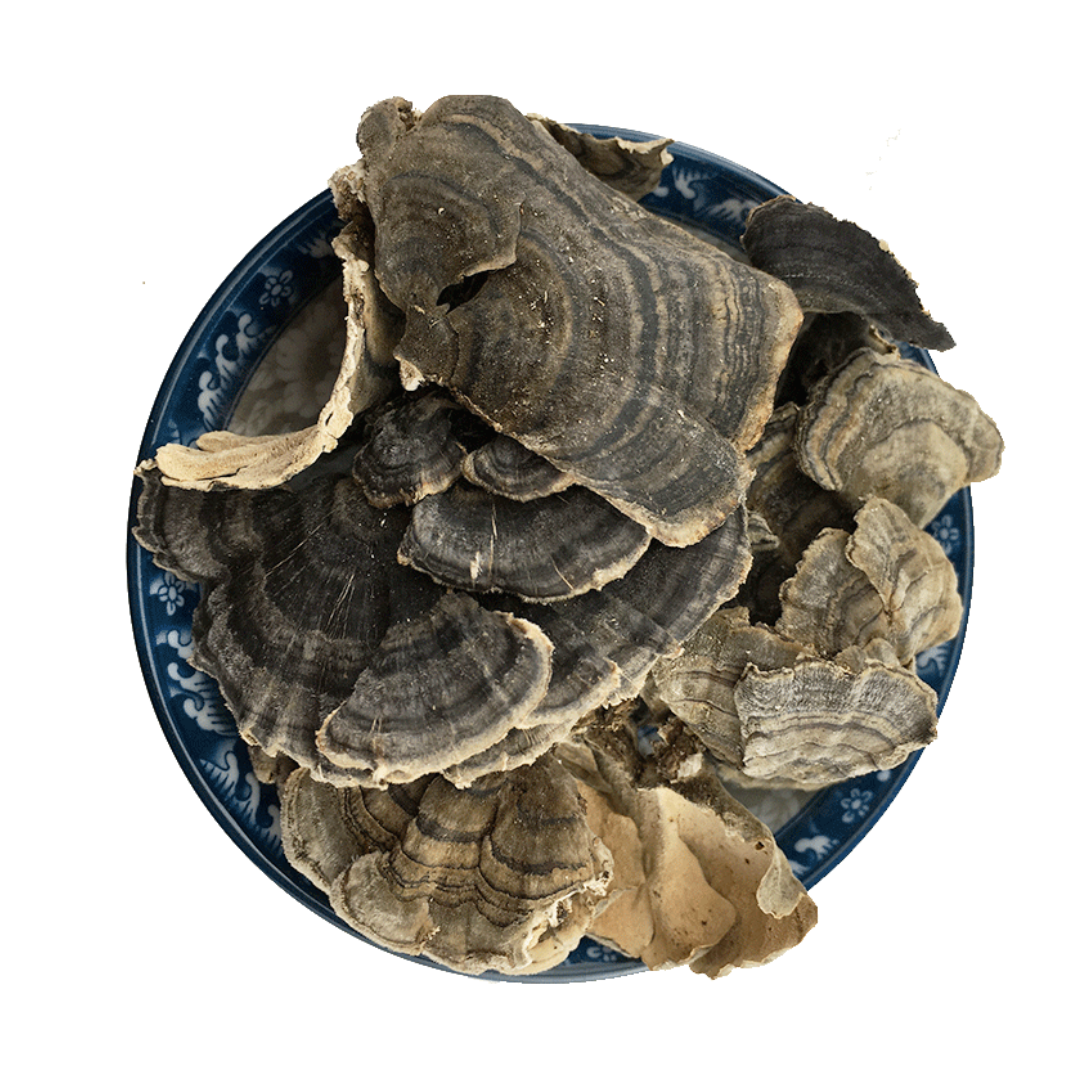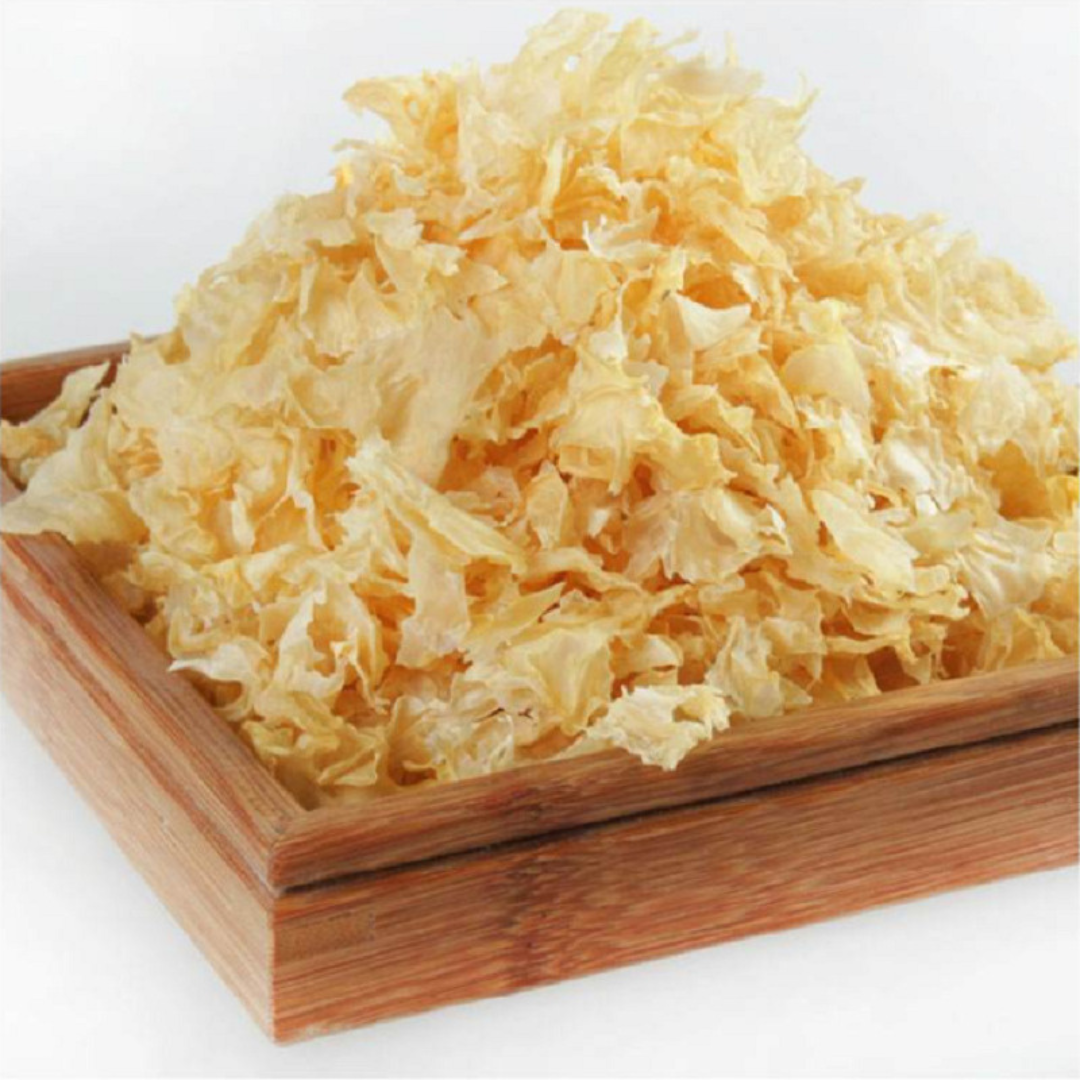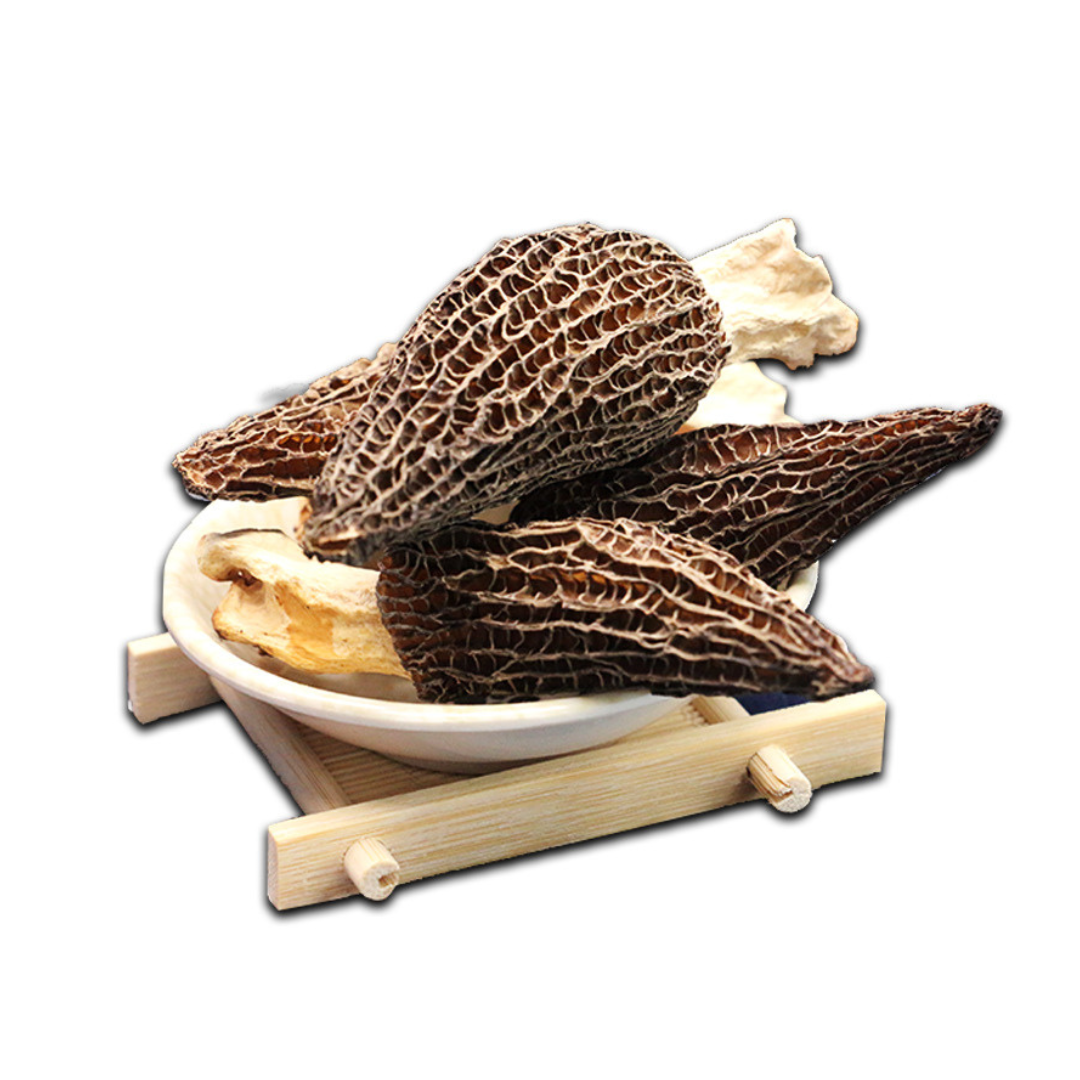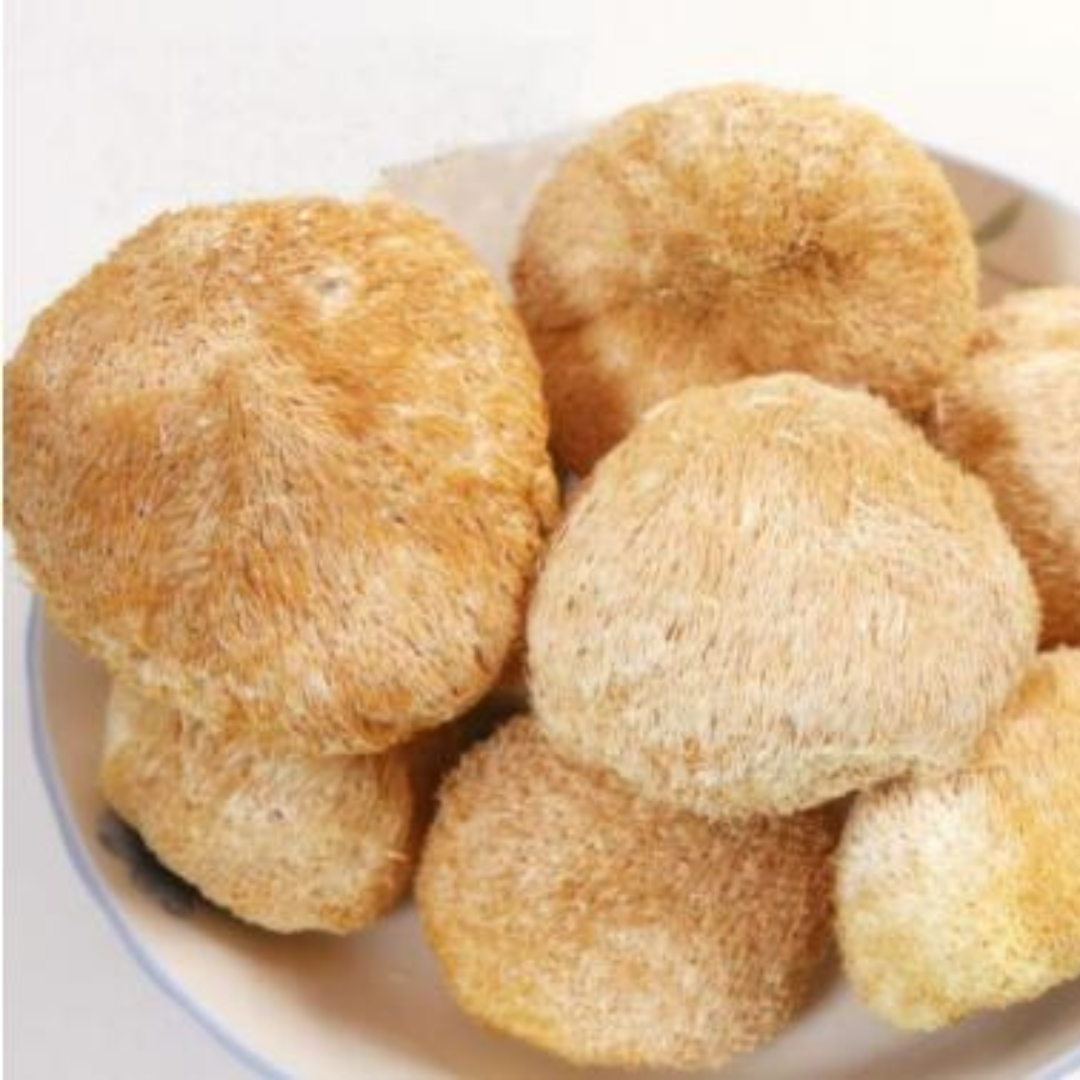


Product Introduction
Dehydrated lion's mane mushroom, scientifically known as Hericium erinaceus, is derived from the fresh lion's mane mushroom, a type of fungus recognized for its distinctive appearance resembling a lion's mane. Its unique composition, featuring compounds such as hericenones and erinacines, contributes to its appeal in both culinary and health-focused applications [1]. The dehydration process concentrates these compounds while effectively removing moisture, which both preserves the mushroom and extends its shelf life.
Production Process
The production of dehydrated lion's mane mushroom begins with the cultivation of fresh lion's mane mushrooms, often grown on hardwood substrates under controlled environmental conditions to ensure consistent quality. Optimal harvesting time is critical, typically occurring when the mushrooms are mature but before they begin to degrade, which helps to maximize the concentration of bioactive compounds. The mushrooms are then carefully cleaned to remove any substrate or debris; the cleaning process must be gentle to avoid damaging the delicate structure of the mushroom.
Slicing the mushrooms into uniform pieces facilitates efficient drying. Various drying methods may be employed, including air-drying, vacuum-drying, and freeze-drying. Air-drying involves using warm air to gradually reduce the moisture content, vacuum-drying lowers the pressure to reduce the boiling point of water within the mushroom, speeding up the drying process at lower temperatures, and freeze-drying, also known as lyophilization, freezes the mushrooms and then removes the ice by sublimation, which preserves the structure and bioactive compounds more effectively than other methods [2]. After drying, the mushrooms are inspected to ensure they meet quality standards for moisture content, appearance, and aroma. Finally, the dehydrated lion's mane mushroom is packaged in airtight containers with desiccants to prevent moisture reabsorption during storage.
Product Applications
Dehydrated lion's mane mushroom has a wide range of applications due to its concentrated flavor and potential health benefits. In culinary settings, the dehydrated mushrooms can be rehydrated and used in various dishes, including soups, stews, and sauces, to add a unique umami flavor and texture. They can also be ground into a powder and used as a seasoning for meats and vegetables.
Beyond culinary uses, dehydrated lion's mane mushroom is frequently utilized in the dietary supplement industry. The powder form is often encapsulated or added to beverages, such as coffee and tea, because of its potential nootropic effects. Preliminary research suggests that compounds in lion's mane mushroom may support cognitive function and nerve growth, although more studies are needed to confirm these benefits [3].
Packaging and Storage
Proper packaging and storage are essential to maintaining the quality and extending the shelf life of dehydrated lion's mane mushrooms. It should be packaged in airtight, moisture-proof containers, such as sealed bags or jars, which prevents moisture reabsorption, a key factor in preserving the product's texture and preventing spoilage. To further control moisture, desiccants like silica gel packets may be included in the packaging.
Storage conditions should be cool, dry, and dark, as exposure to heat, humidity, and light can degrade the mushroom's bioactive compounds and reduce its overall quality [4]. The ideal storage temperature is generally below 20°C (68°F) with a relative humidity below 65%. Storing the product away from direct sunlight and in a dark pantry or cupboard helps protect it from light-induced degradation. Under these conditions, dehydrated lion's mane mushroom can maintain its quality for up to 12-18 months.
Citations
[1] Ma, B. J., Shen, J. W., Zhang, J. W., Zhao, S. H., & Xu, H. Y. (2010). Hericenones and erinacines: stimulators of nerve growth factor (NGF) biosynthesis in Hericium erinaceus. Mycology, 1(2), 92–98.
[2] Ratti, C. (2001). Hot air and freeze-drying of high-value foods: a review. Journal of Food Engineering, 49(4), 311-319.
[3] Lai, P. L., Naidu, M., Sabaratnam, V., Wong, K. H., David, R. P., Kuppusamy, U. R., … & Malek, S. N. A. (2013). Neurotrophic properties of the Lion's mane medicinal mushroom, Hericium erinaceus (Higher Basidiomycetes) from Malaysia. International Journal of Medicinal Mushrooms, 15(6).
[4] Singh, B., Singh, J. P., Kaur, A., & Singh, N. (2014). Effect of packaging materials and storage conditions on the quality of dehydrated ginger slices. Journal of Food Science and Technology, 51(6), 1187-1194.

As a sales manager, I’m here to make sure you get exactly what you need for your dietary supplements. From sourcing to delivery, I’m always by your side, ensuring smooth and friendly service. Let’s make your products even better! 🥰🌿