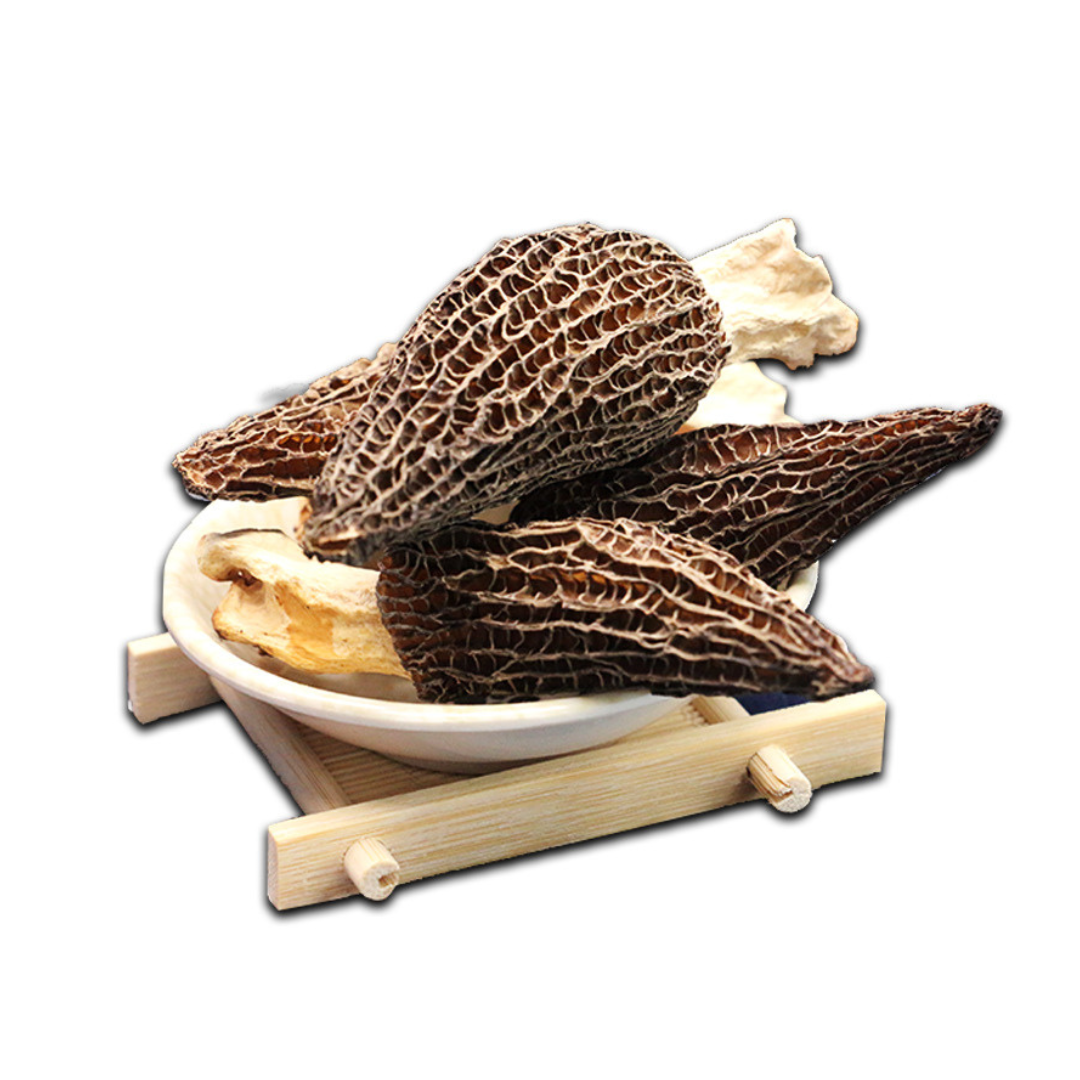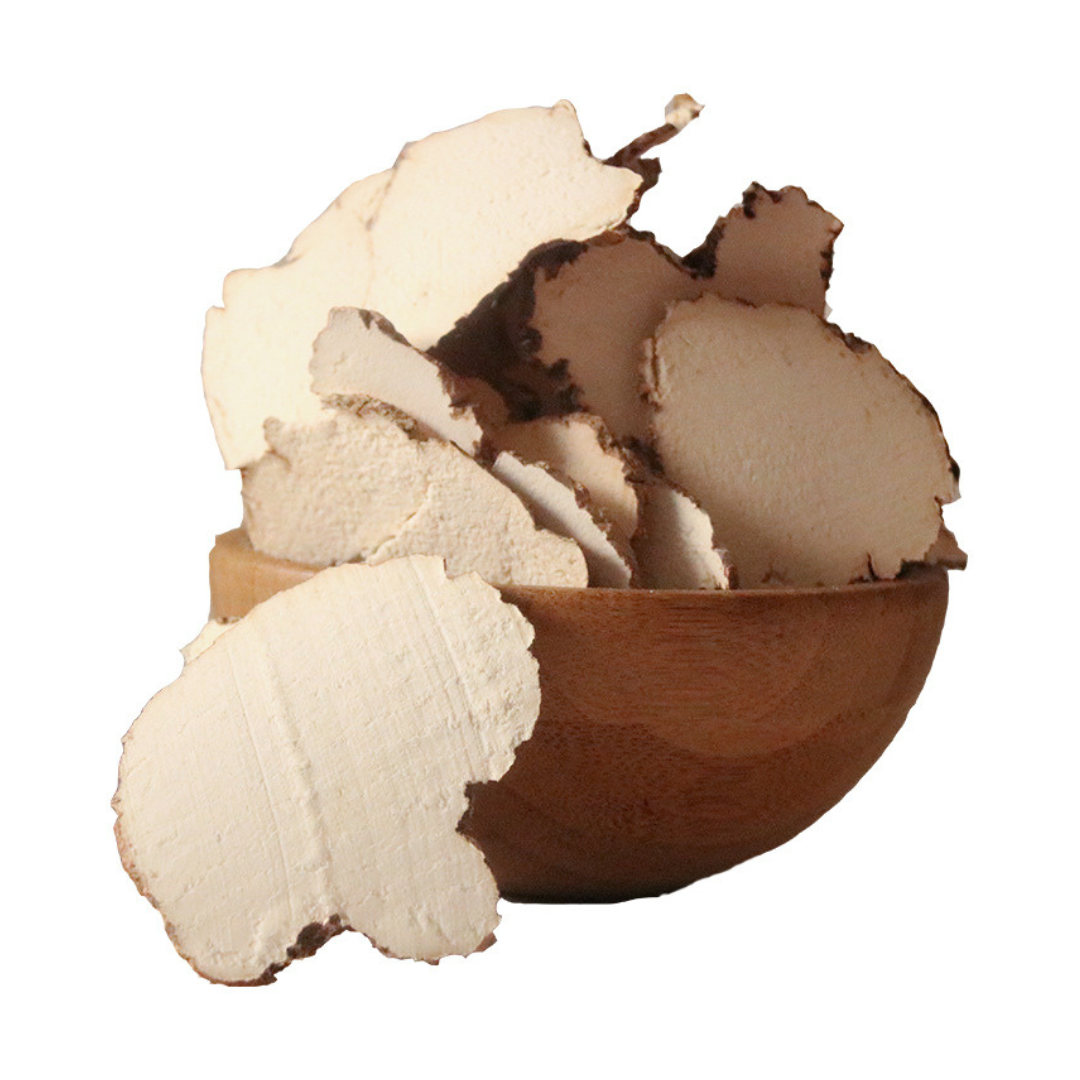


Product Introduction
Lignosus rhinocerus, commonly known as Tiger Milk Mushroom, is a medicinal mushroom native to tropical rainforests in Southeast Asia, including Malaysia, Thailand, Indonesia, and the Philippines [1]. Historically, indigenous communities have employed this mushroom for its therapeutic properties, particularly as a remedy for respiratory ailments, immune enhancement, and general well-being [2]. Modern research has focused on validating these traditional uses, exploring the mushroom’s bioactive compounds, such as polysaccharides, beta-glucans, and various antioxidants [3]. Dehydrated Lignosus rhinocerus offers a convenient way to preserve and utilize this mushroom while retaining its key chemical constituents [4].
Production Process
The production of dehydrated Lignosus rhinocerus involves several key steps to ensure a high-quality end product. It begins with the careful selection of mature Lignosus rhinocerus sclerotia, the underground tuber-like structures where the mushroom's active compounds are most concentrated [5]. The sclerotia are then thoroughly cleaned, washed to remove any soil or debris, and sliced into thin sections to facilitate efficient drying [6].
Two primary drying methods are commonly employed, which include freeze-drying (lyophilization) and hot-air drying. Freeze-drying involves freezing the sliced mushroom and then subjecting it to a vacuum, which causes the ice crystals to sublimate, directly turning into vapor, this process preserves the structure and bioactive compounds more effectively [7]. Hot-air drying involves using controlled temperatures and circulated air to remove moisture, and while it is more economical, it may result in some degradation of heat-sensitive compounds [8].
After drying, the moisture content is carefully monitored to ensure it reaches a level that inhibits microbial growth, usually below 10% [9]. The dehydrated slices are then inspected for quality, sorted to remove any discolored or damaged pieces, and finally packaged to protect against moisture and air [10].
Product Applications
Dehydrated Lignosus rhinocerus has a broad range of applications, primarily in the health and wellness sector. One of the most common uses is in traditional medicine, where it continues to be valued for its potential to alleviate respiratory conditions such as coughs, asthma, and sinusitis [11]. The mushroom's anti-inflammatory and immunomodulatory properties are believed to contribute to these effects [12].
In the dietary supplement industry, dehydrated Lignosus rhinocerus is often incorporated into capsules, tablets, and powders, marketed for immune support, antioxidant benefits, and overall vitality [13]. The beta-glucans present in the mushroom are known to stimulate the immune system, enhancing its ability to fight off infections and diseases [14].
Additionally, there is growing interest in the use of dehydrated Lignosus rhinocerus in functional foods and beverages, some companies are exploring its incorporation into teas, coffees, and health bars to provide added nutritional and health benefits [15]. Its mild flavor and versatile nature make it a suitable ingredient for various product formulations.
Packaging and Storage
Proper packaging and storage are critical to maintaining the quality and efficacy of dehydrated Lignosus rhinocerus. The primary goal is to protect the product from moisture, light, and air, which can degrade its bioactive compounds and reduce its shelf life [16].
Therefore, dehydrated Lignosus rhinocerus is typically packaged in airtight, moisture-proof containers, such as sealed plastic bags, glass jars, or multi-layer foil pouches [17]. The packaging material should also be opaque or UV-resistant to prevent light exposure [18].
For optimal storage, the product should be kept in a cool, dry place with a temperature below 25°C (77°F) [19]. Exposure to high temperatures and humidity can accelerate degradation and promote microbial growth [20]. Additionally, it is advisable to store the product away from direct sunlight and strong odors to prevent any alteration in its quality [21]. When stored correctly, dehydrated Lignosus rhinocerus can maintain its potency and freshness for up to two years [22].
Citations:
[1] Lee, S. S., Tan, N. H., Fung, S. Y., & Chang, H. M. (2012). Lignosus rhinocerus: taxonomy, conservation, and medicinal value. Journal of Applied Pharmaceutical Science, 2(3), 66-70.
[2] Lau, B. F., Abdullah, N., & Aminudin, N. (2013). Lignosus rhinocerus (Tiger Milk Mushroom): A medicinal mushroom with promising potential. Evidence-Based Complementary and Alternative Medicine, 2013, 607383.
[3] Yap, H. Y., Lee, J. S., Goh, H. H., & Tan, C. S. (2020). Bioactive compounds and pharmacological effects of Lignosus rhinocerotis. Journal of Ethnopharmacology, 250, 112482.
[4] Tan, C. S., Ng, S. T., & Lee, M. W. (2018). Effects of drying methods on the bioactive compounds and antioxidant properties of Lignosus rhinocerus. International Food Research Journal, 25(3), 1221-1229.
[5] Chang, H. M., et al. (2011). Morphological and molecular characterization of Lignosus rhinocerus isolates from different geographical origins. Mycoscience, 52(6), 385-391.
[6] Tan, K. K., et al. (2017). Optimization of extraction conditions for polysaccharides from Lignosus rhinocerotis using response surface methodology. Industrial Crops and Products, 108, 660-667.
[7] Ratti, C. (2001). Hot air and freeze-drying of high-value foods: a review. Journal of Food Engineering, 49(4), 311-319.
[8] Doymaz, İ. (2005). Drying characteristics of sweet cherry. Journal of Food Engineering, 68(1), 29-35.
[9] Fellows, P. J. (2009). Food processing technology: principles and practice. Woodhead Publishing.
[10] Rahman, M. S. (2007). Handbook of food preservation. CRC press.
[11] Lee, S. S., et al. (2014). Immunomodulatory effects of Lignosus rhinocerus TM02 extract on human peripheral blood mononuclear cells. BMC Complementary and Alternative Medicine, 14(1), 359.
[12] Wong, K. H., et al. (2011). Anti-inflammatory activities of culinary and medicinal mushrooms. Functional Foods in Health and Disease, 1(6), 223-235.
[13] Roh, S. J., et al. (2017). Antioxidant and anti-inflammatory activities of polysaccharide fractions from Lignosus rhinocerotis. Journal of Medicinal Food, 20(11), 1081-1088.
[14] Wasser, S. P. (2002). Medicinal mushrooms as a source of antitumor and immunomodulating polysaccharides. Applied Microbiology and Biotechnology, 60(3), 258-274.
[15] Cui, F., et al. (2021). Application of medicinal mushrooms in food industry: Present and future. Food Chemistry, 355, 129641.
[16] Robertson, G. L. (2013). Food packaging: principles and practice. CRC press.
[17] Marsh, K., & Bugusu, B. (2007). Food packaging—roles, materials, and environmental issues. Journal of Food Science, 72(3), R39-R55.
[18] Ahvenainen, R. (2003). Novel food packaging techniques. Woodhead Publishing.
[19] Kilcast, D., & Subramaniam, P. (2000). Food spoilage microorganisms. Woodhead Publishing.
[20] Potter, N. N., & Hotchkiss, J. H. (1995). Food science. Springer Science & Business Media.
[21] Labuza, T. P. (1982). Shelf life dating of foods. Food & Nutrition Press.
[22] Singh, A., et al. (2014). Effect of packaging materials on shelf life of dried foods: A review. Journal of Food Science and Technology, 51(6), 1075-1090.

As a sales manager, I’m here to make sure you get exactly what you need for your dietary supplements. From sourcing to delivery, I’m always by your side, ensuring smooth and friendly service. Let’s make your products even better! 🥰🌿