

Product Introduction
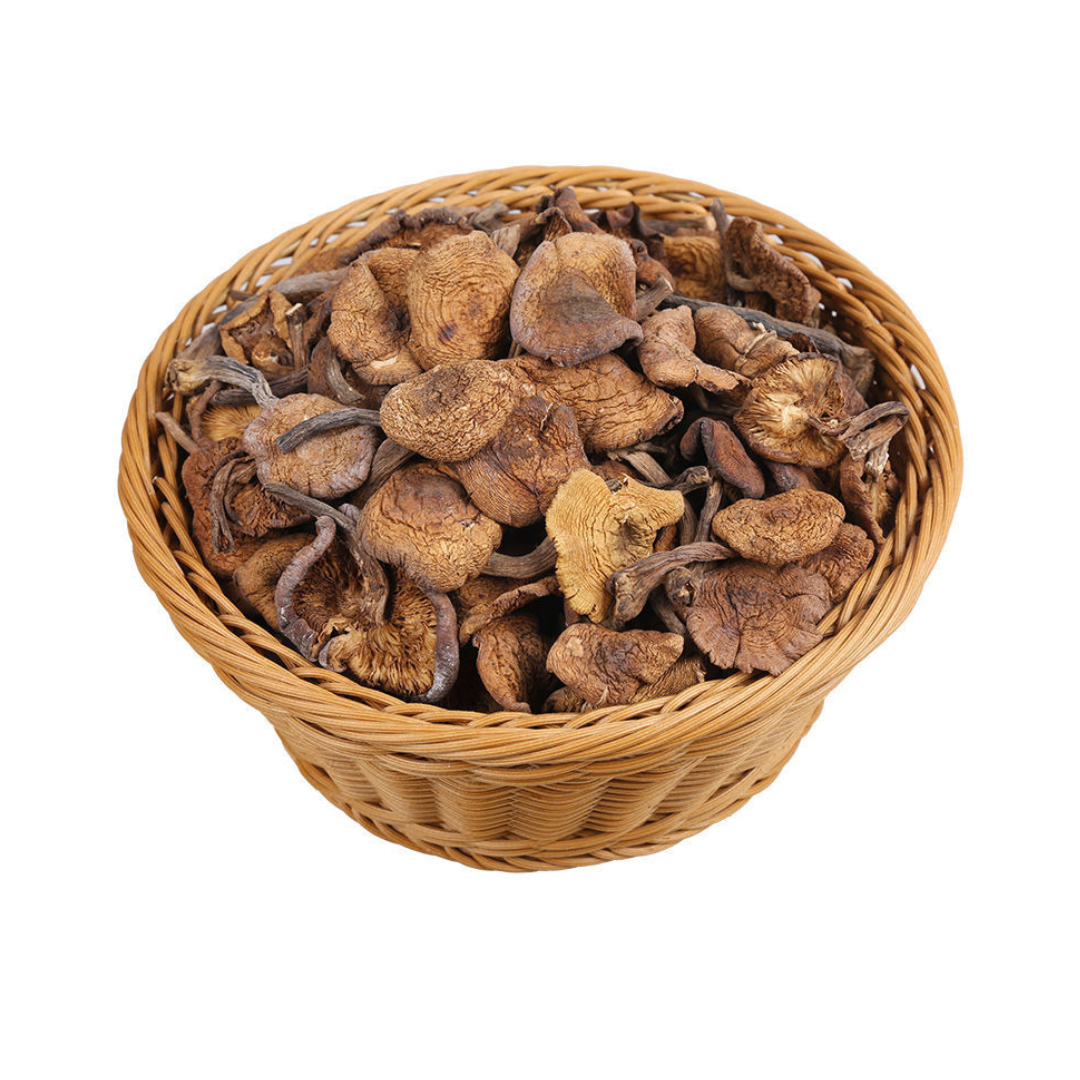
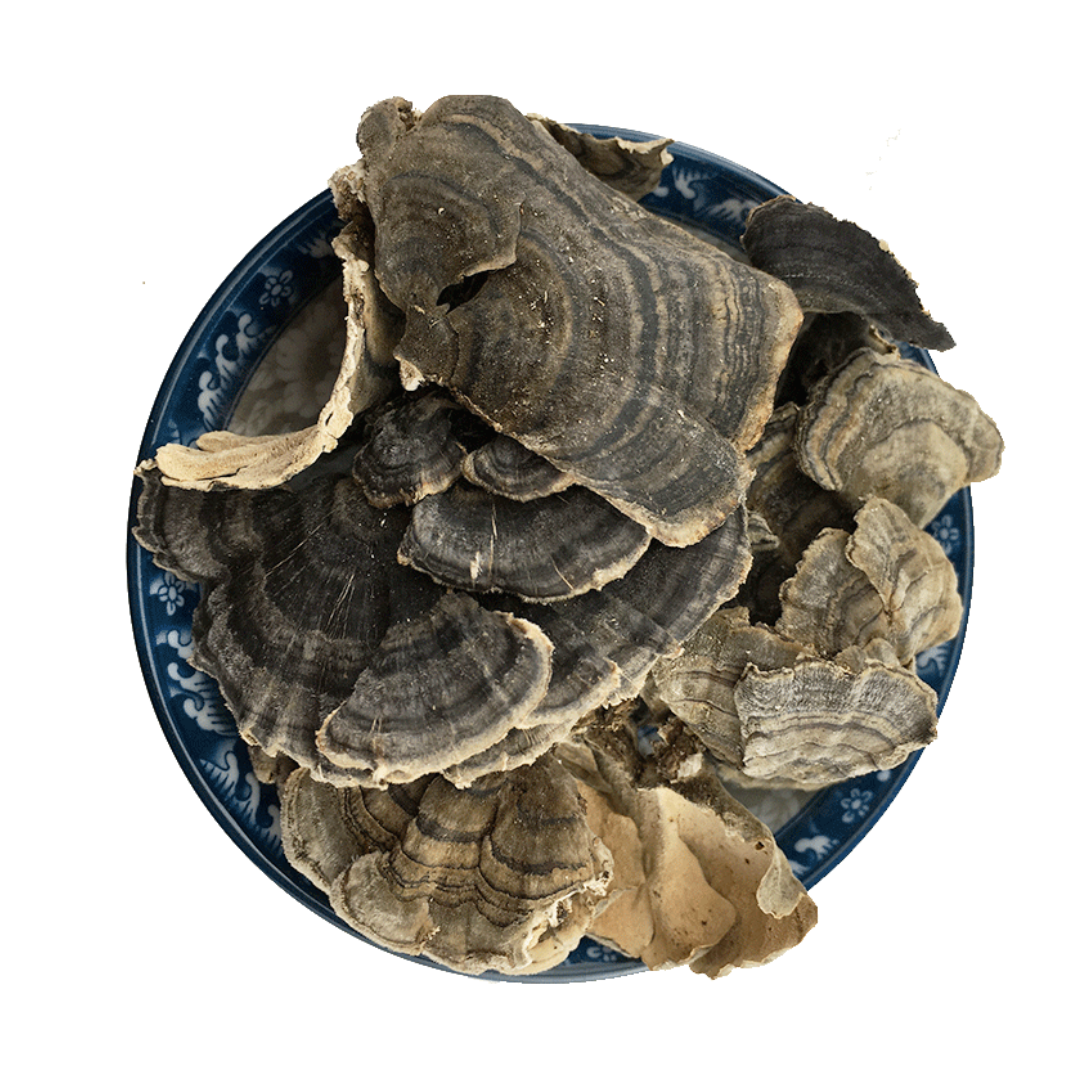
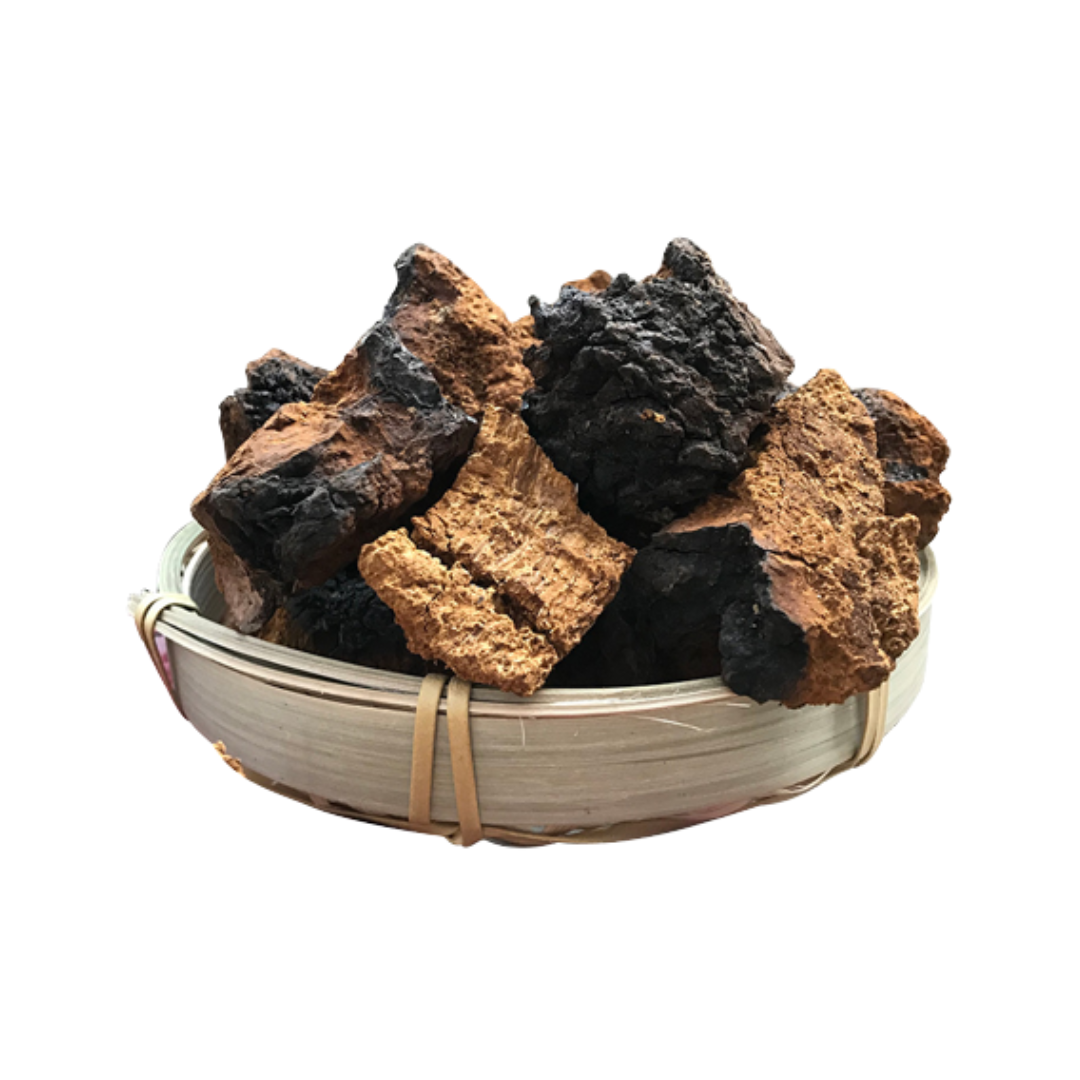
Chaga mushroom (Inonotus obliquus), a fungus that mainly grows on birch trees in cold climates, offers a range of beneficial properties when dehydrated. The dehydration process concentrates its key constituents, making it easier to store and use, and it has been used traditionally in folk medicine for centuries. Scientific research has lately started to explore its potential health benefits, focusing on its antioxidant and immune-modulating effects.
Production Process
The production of dehydrated chaga mushroom involves meticulous harvesting, preparation, and drying, essential steps to ensure product quality. The process begins with the careful selection of mature chaga concretions, harvested mainly from birch trees in northern regions. Once harvested, the chaga is cleaned to remove any adhering bark or debris. It generally undergoes a size reduction process, typically by cutting or grinding, to increase the surface area for drying. Drying methods vary, but common techniques used are air-drying, or freeze-drying. Air-drying involves spreading the chaga pieces on trays in a well-ventilated area, employing controlled temperature and humidity to prevent mold and bacteria growth. Freeze-drying, also known as lyophilization, involves freezing the chaga and then subjecting it to a vacuum to remove the ice through sublimation, preserving its bioactive compounds. After drying, the chaga is inspected for moisture content and quality, since excessive moisture can lead to spoilage. It is then packaged in airtight containers or vacuum-sealed bags to prevent moisture re-absorption and oxidation, ensuring a longer shelf life, so that it is ready when used for various applications.
Product Applications
Dehydrated chaga mushroom finds diverse applications, mostly driven by its bioactive compounds. A popular application is in teas and infusions, with small pieces of dehydrated chaga steeped in hot water to extract its beneficial compounds, creating a healthful beverage, according to research published in the "Journal of Ethnopharmacology." The extracts derived from dehydrated chaga are incorporated into dietary supplements, often in capsule or powder form, marketed for their antioxidant and immune-boosting properties, according to "Evidence-Based Complementary and Alternative Medicine." Furthermore, dehydrated chaga is used in skincare products, such as creams and serums, with its antioxidant properties thought to protect the skin from damage, based on studies in the "International Journal of Molecular Sciences." Additionally, chaga may be found as an ingredient in some functional foods, such as energy bars and drinks, adding nutritional value.
Packaging and Storage
Proper packaging and storage are vital to maintaining the quality and efficacy of dehydrated chaga mushroom. It should be packaged in airtight containers or vacuum-sealed bags to protect it from moisture and air, which can degrade its active components, based on guidelines from the "Journal of Food Science." Storage should take place in a cool, dry, and dark environment, as exposure to heat, humidity, and light can accelerate degradation. The ideal storage temperature is typically between 15°C and 25°C, with humidity levels below 65%. Avoid storing chaga near strong odors or chemicals, as it can absorb them, affecting its flavor and quality. Properly stored dehydrated chaga can maintain its quality for up to two years, but checking the product periodically for any signs of mold or deterioration is essential, so that the best product is used.
Citations
- Journal of Ethnopharmacology
- Evidence-Based Complementary and Alternative Medicine
- International Journal of Molecular Sciences
- Journal of Food Science

As a sales manager, I’m here to make sure you get exactly what you need for your dietary supplements. From sourcing to delivery, I’m always by your side, ensuring smooth and friendly service. Let’s make your products even better! 🥰🌿