

Product Introduction
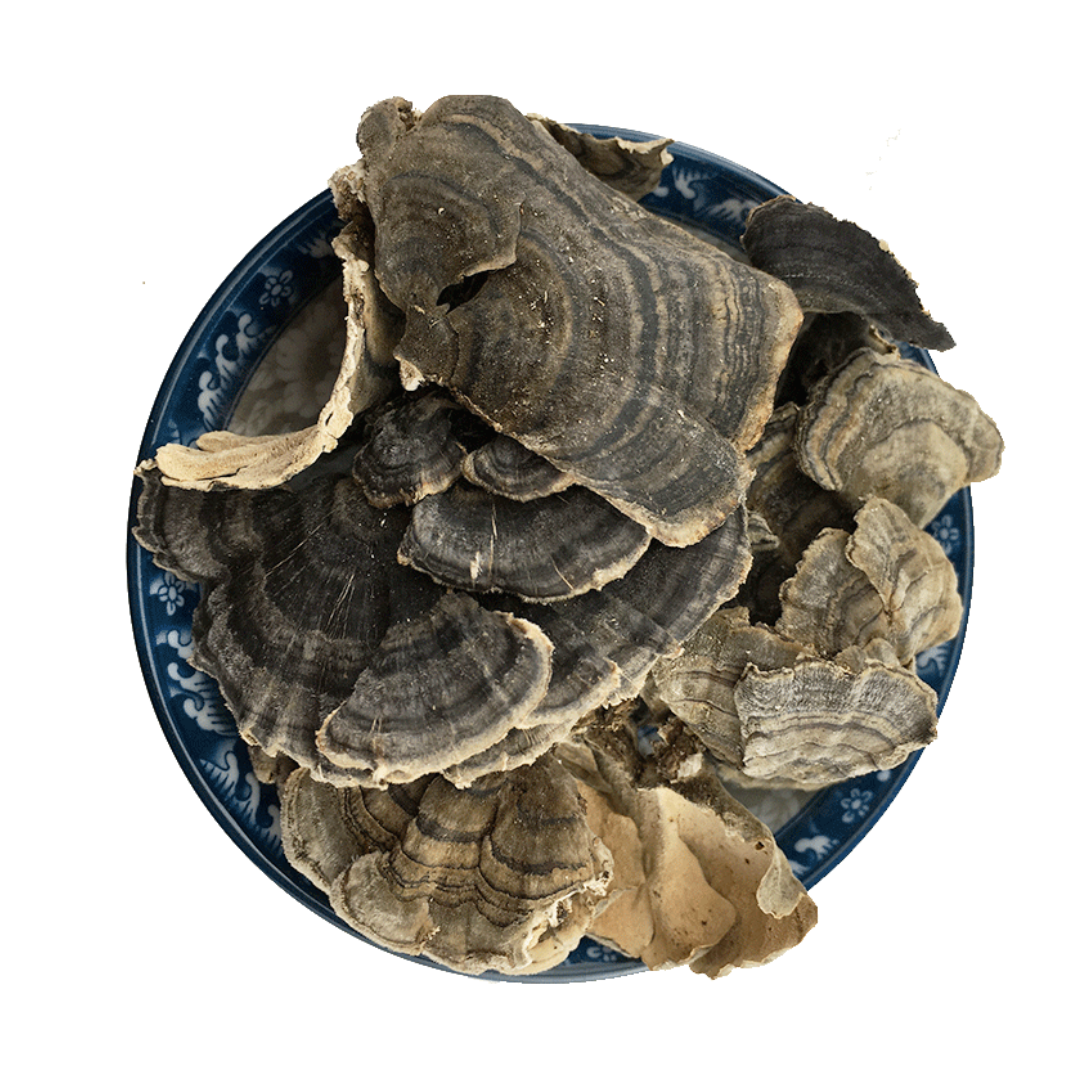
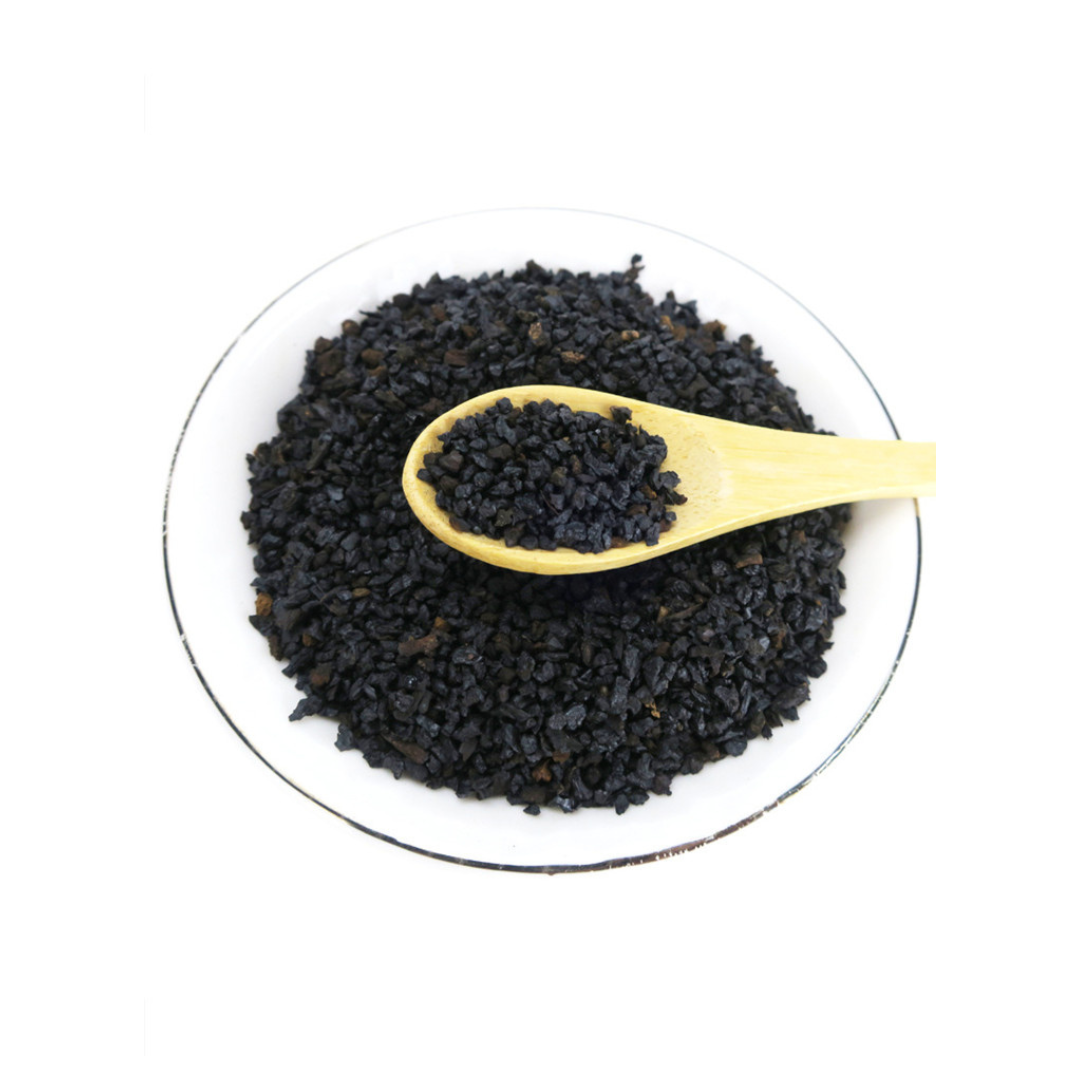
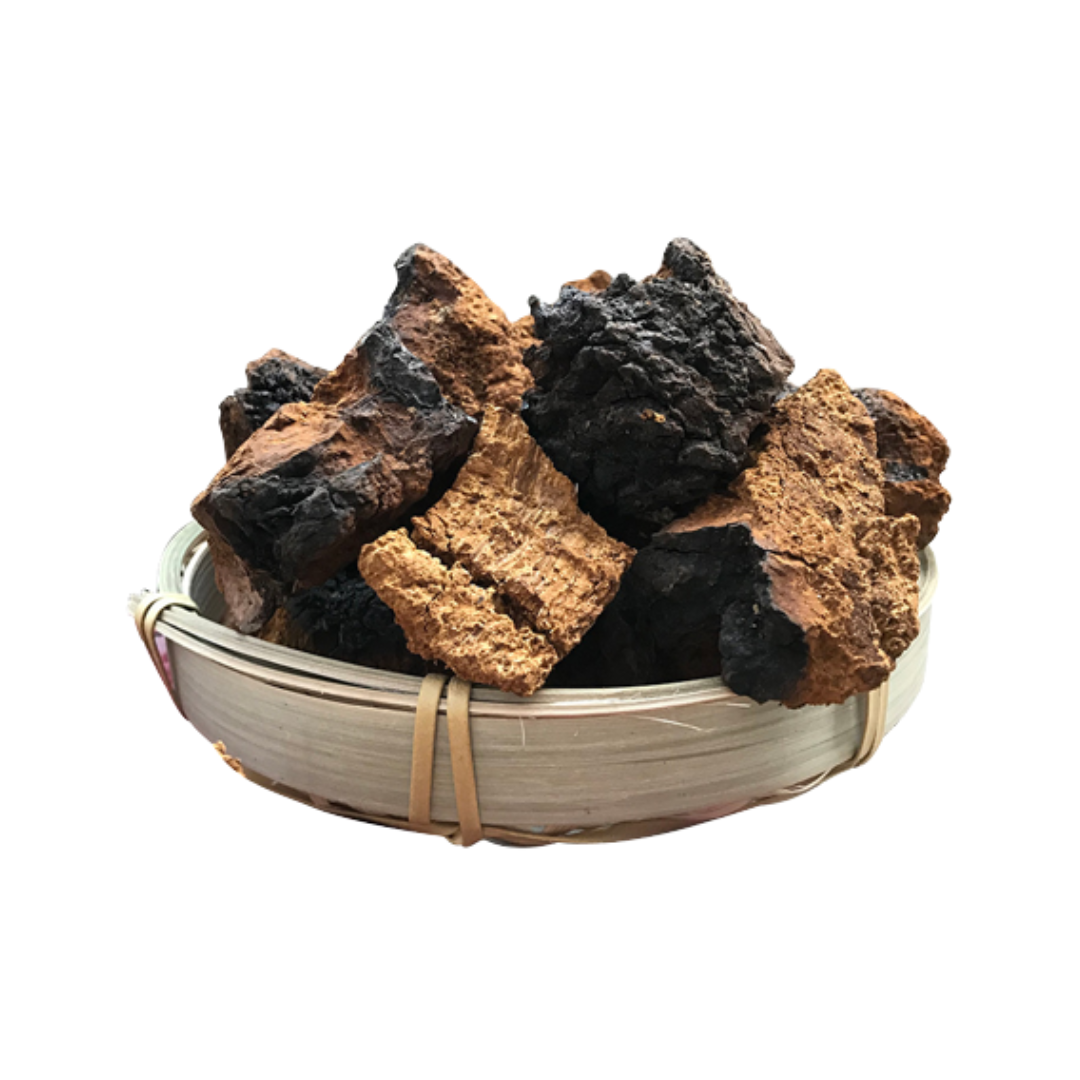
Chaga mushroom, scientifically known as Inonotus obliquus, is a fungal species that primarily grows on birch trees in cold climates. It has been used for centuries in traditional medicine across Northern Europe and Asia; it is also referred to as the "Black Gold" due to its dark exterior and valuable properties. Chaga mushroom black gold granules are a processed form of the raw chaga mushroom, transformed into small, uniform pieces for easier use and enhanced extraction of its beneficial compounds. This form is particularly convenient for consumers and manufacturers seeking a versatile ingredient for various health and wellness applications. The granules retain the natural properties of the chaga mushroom while providing a more accessible and consistent format for consumption and product development.
Production Process
The production of chaga mushroom black gold granules involves several key steps, starting with the sustainable harvesting of mature chaga mushrooms, primarily from birch trees. Sustainable harvesting ensures the long-term viability of chaga populations and minimizes environmental impact. Freshly harvested chaga mushrooms undergo thorough cleaning to remove any external debris or impurities. The cleaned chaga mushrooms are then sliced into smaller pieces to facilitate efficient drying. A low-temperature, vacuum-drying method is employed to dehydrate the chaga mushroom slices, this method helps preserve the heat-sensitive bioactive compounds present in the mushroom, such as polysaccharides, polyphenols, and triterpenoids. The dried chaga mushroom pieces are then milled and granulated to achieve a uniform particle size, optimizing extraction and ease of use. Quality control measures are implemented throughout the production process to ensure the granules meet strict standards for purity, potency, and safety. The final product is carefully packaged to protect it from moisture, light, and air, maintaining its quality and extending its shelf life.
Product Applications
Chaga mushroom black gold granules are versatile and can be used in a wide range of applications, primarily in the health and wellness industry. One of the most common applications is in the preparation of teas and coffees; the granules can be steeped in hot water to create a nutrient-rich beverage with a mild, earthy flavor. They are also used extensively in the production of extracts and tinctures, where the granules are processed to concentrate their bioactive compounds into liquid form. These extracts and tinctures can be incorporated into dietary supplements, such as capsules and tablets, which are used to support immune function and overall health. Furthermore, chaga mushroom black gold granules can be added to various food products, including soups, smoothies, and baked goods, to enhance their nutritional value. The granules are also utilized in skincare products, such as creams and lotions, due to their antioxidant and anti-inflammatory properties.
Packaging and Storage
Proper packaging and storage are crucial for maintaining the quality and extending the shelf life of chaga mushroom black gold granules. The granules should be packaged in airtight containers to prevent moisture absorption, as moisture can lead to degradation and microbial growth. Dark-colored or opaque packaging materials should be used to protect the granules from light exposure, which can degrade light-sensitive compounds. The packaging material should also be impermeable to air to prevent oxidation and maintain the potency of the bioactive compounds. It is recommended to store the packaged granules in a cool, dry, and dark place, away from direct sunlight and heat sources. The ideal storage temperature is between 15°C and 25°C (59°F and 77°F). Under these conditions, chaga mushroom black gold granules can typically maintain their quality and potency for up to two years. Regular monitoring of the storage conditions and the product's appearance and aroma is advisable to ensure optimal quality.
Citations
- Aggarwal, M., et al. (2022). Chemical characterization and biological activities of Chaga (Inonotus obliquus). * trends in Food Science & Technology, 129*, 476-486. https://doi.org/10.1016/j.tifs.2022.09.007
- Najafzadeh, M., et al. (2007). Antioxidant and DNA protective activity of Inonotus obliquus. Pharmaceutical Biology, 45(8), 745-750. https://doi.org/10.1080/13880200701551274

As a sales manager, I’m here to make sure you get exactly what you need for your dietary supplements. From sourcing to delivery, I’m always by your side, ensuring smooth and friendly service. Let’s make your products even better! 🥰🌿