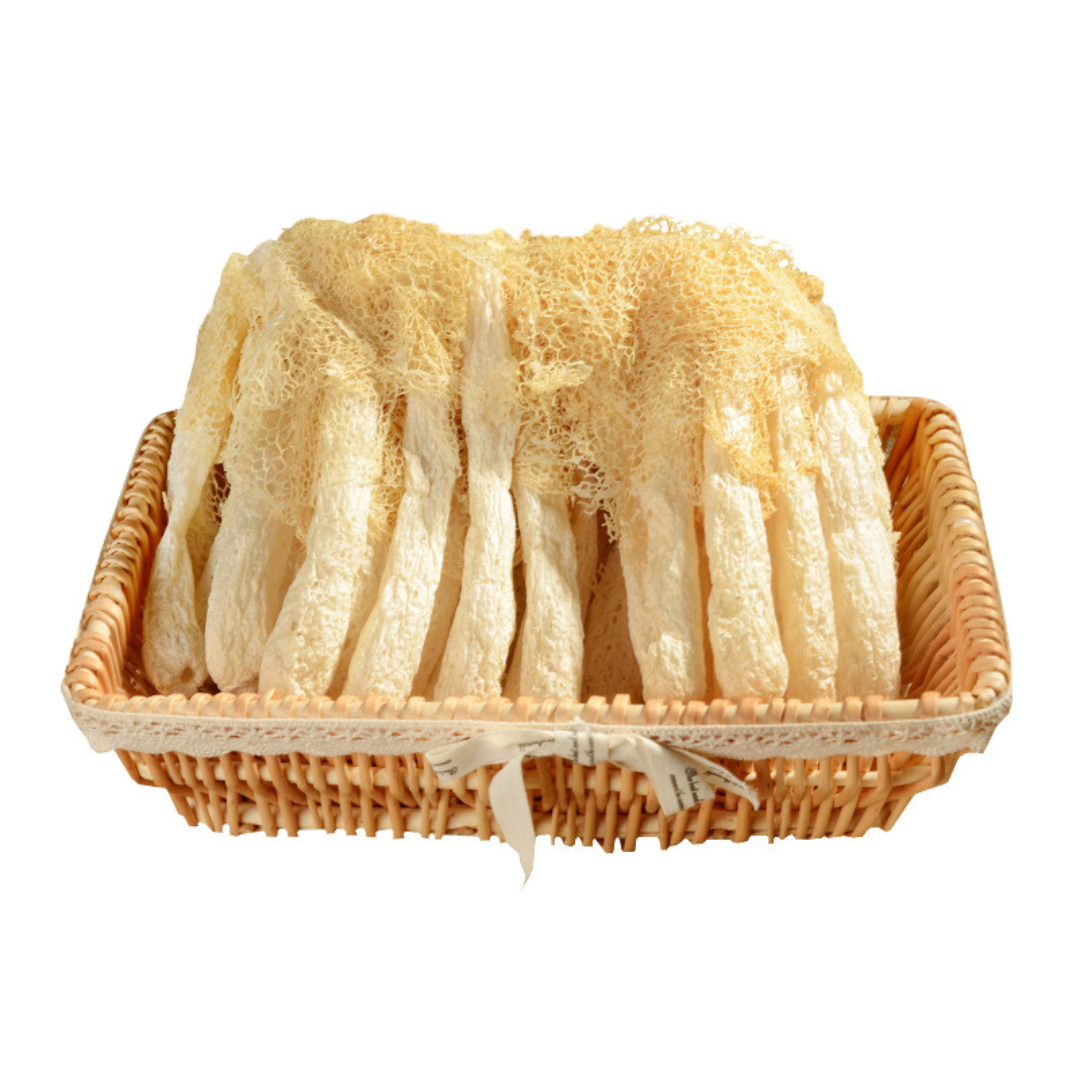
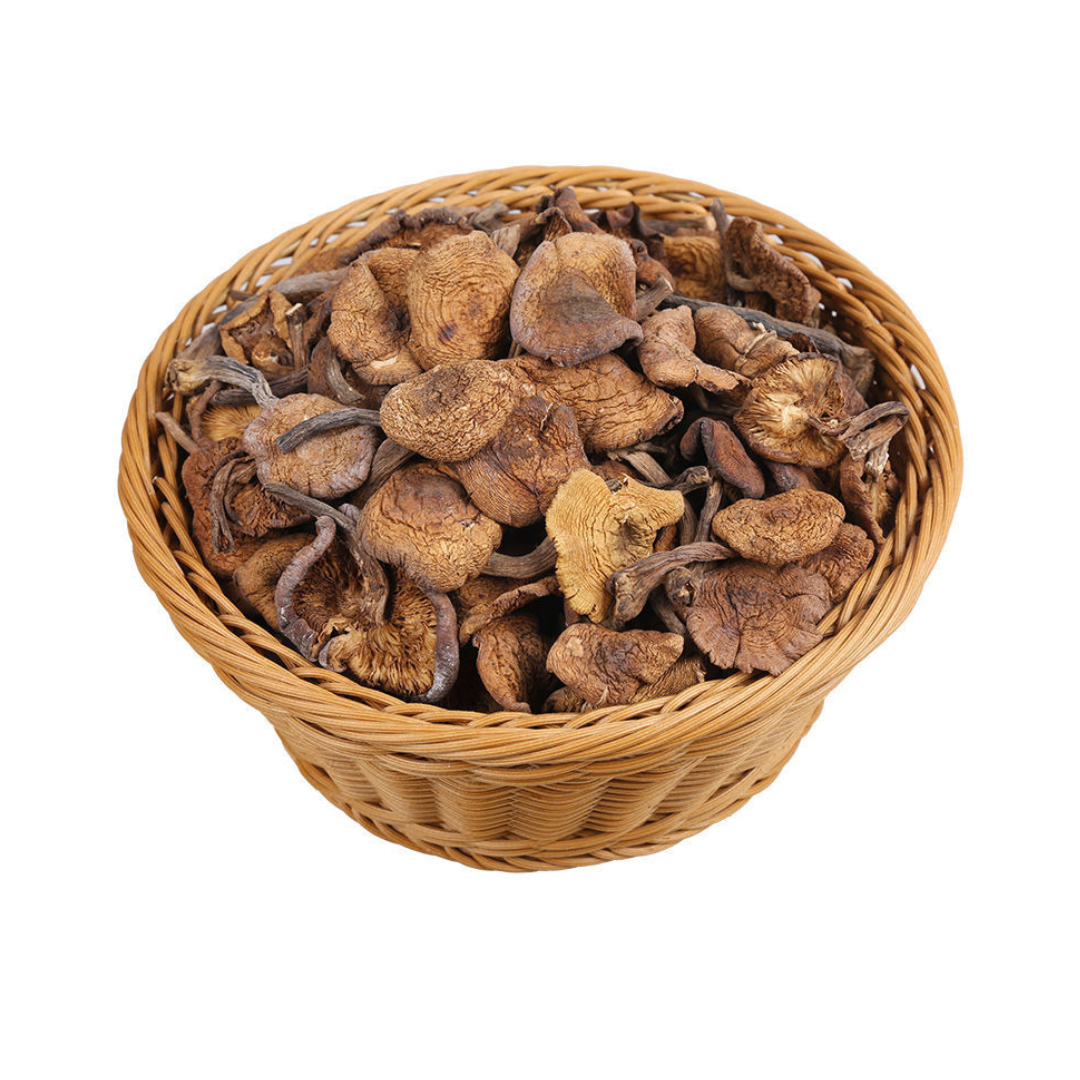
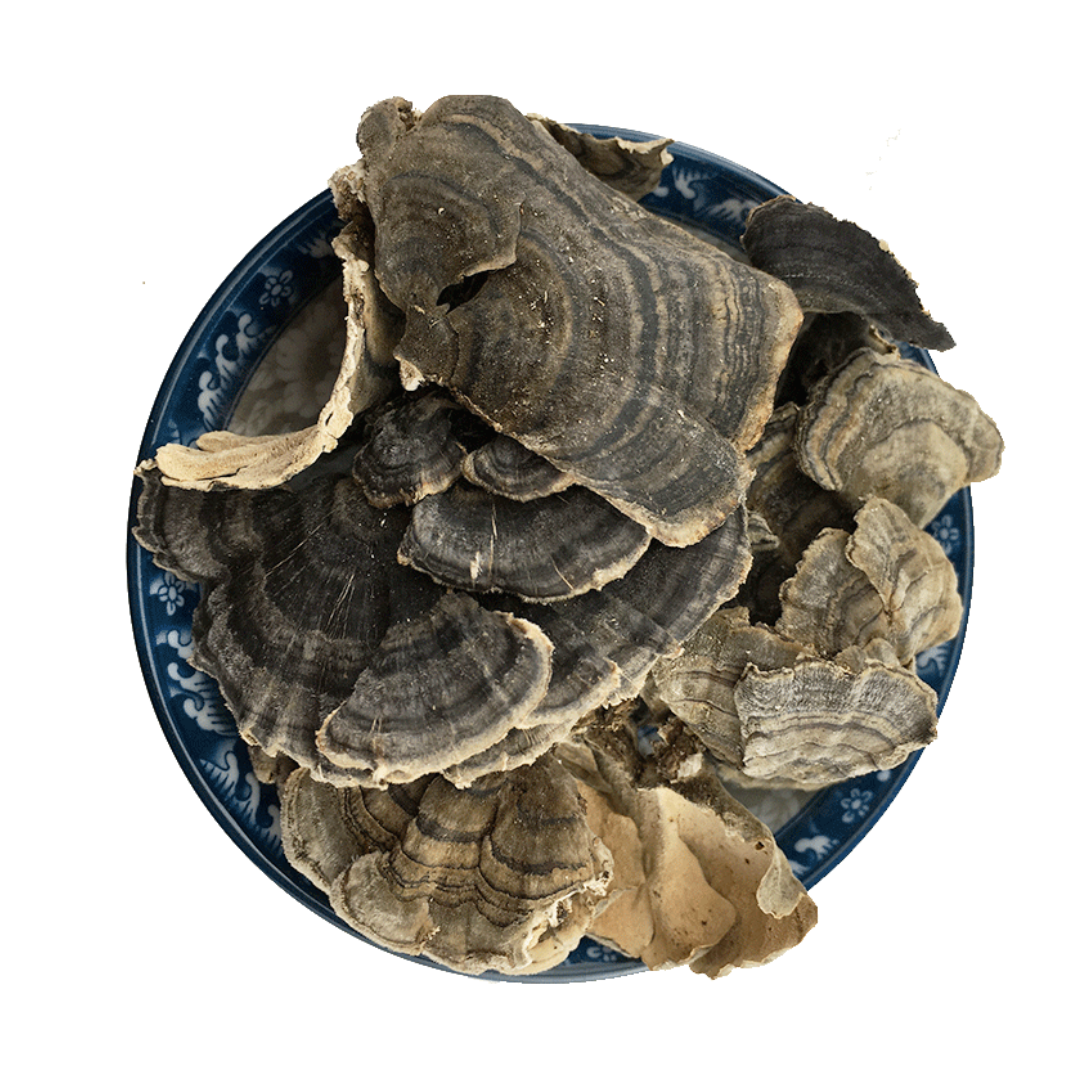
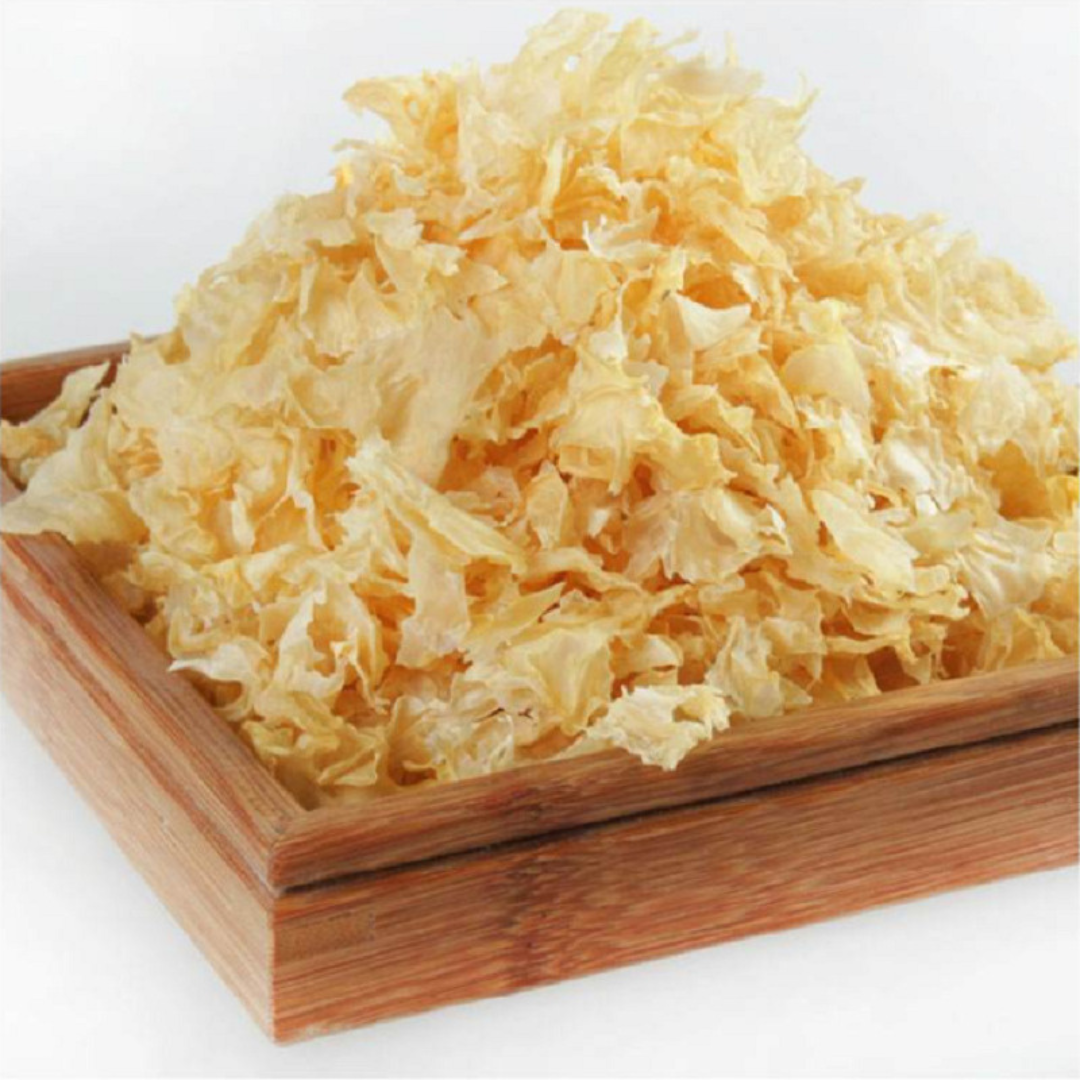
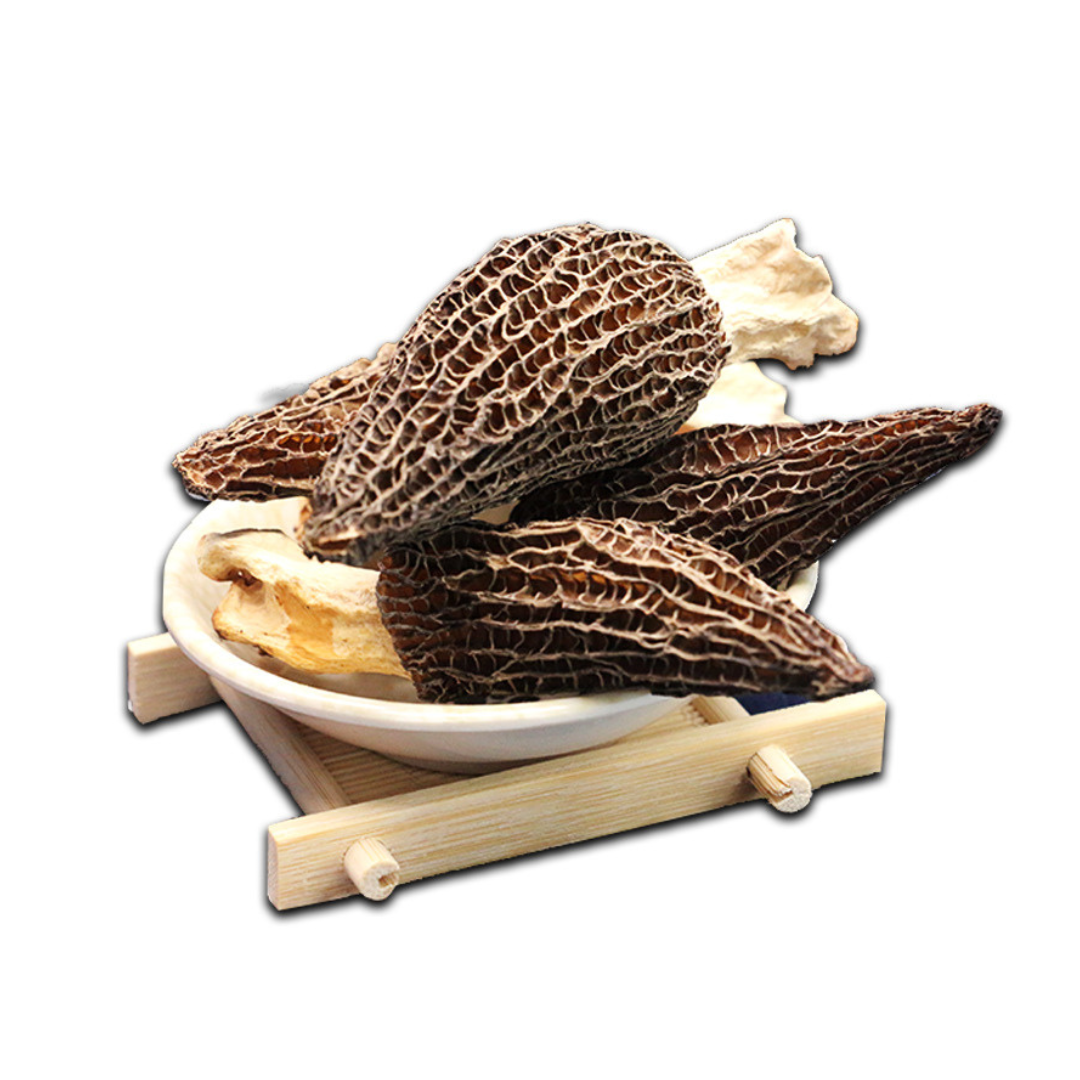
Product Introduction
The enoki mushroom, known scientifically as Flammulina velutipes, is a cultivated mushroom valued for its mild flavor and distinctive appearance. In its fresh form, the enoki mushroom features long, thin stems and tiny caps, often sold in bundled clusters. Dehydration is a popular method for preserving enoki mushrooms, extending their shelf life while retaining their nutritional value and flavor profile. The dehydrated product offers convenience and versatility in culinary applications, making it a staple in pantries for both home cooks and professional chefs. The dehydration process concentrates the mushroom's natural flavors, providing an enhanced umami taste when rehydrated and cooked.
Production Process
The production of dehydrated enoki mushrooms begins with the careful selection of fresh, high-quality mushrooms. These mushrooms are harvested at their peak maturity to ensure optimal flavor and texture. The selected enoki mushrooms are then thoroughly washed to remove any dirt or debris. After washing, the mushrooms are blanched briefly, which helps to preserve their color and prevent enzymatic browning during the drying process.
The next step is the dehydration process, which can be achieved through various methods, including air-drying, vacuum-drying, and freeze-drying (lyophilization). Air-drying involves placing the mushrooms in a controlled environment with warm air circulation to gradually remove moisture. Vacuum-drying uses lower temperatures under vacuum conditions, which helps to preserve the mushroom's natural properties and flavor. Freeze-drying, considered the premium method, involves freezing the mushrooms and then removing the ice through sublimation in a vacuum chamber. This method best retains the mushroom's original structure, flavor, and nutritional content.
After dehydration, the enoki mushrooms are sorted and inspected to ensure they meet quality standards. Any broken or discolored pieces are removed. The final step involves packaging the dehydrated enoki mushrooms in airtight containers or bags, often with added desiccants to prevent moisture re-absorption during storage.
Product Applications
Dehydrated enoki mushrooms are versatile and can be used in a variety of culinary applications. They are commonly added to soups and stews, where they rehydrate and contribute a subtle umami flavor. In Asian cuisine, they are a popular ingredient in hot pots, noodle dishes, and stir-fries. The mushrooms can also be rehydrated and used in salads, providing a unique textural element.
The dehydrated form is also convenient for adding to dry mixes, such as instant noodle cups or soup powders, enhancing the flavor and nutritional profile of these products. Chefs and food manufacturers appreciate the extended shelf life and ease of use that dehydrated enoki mushrooms offer, making them a valuable ingredient in both home and commercial kitchens.
Packaging and Storage
Proper packaging and storage are essential for maintaining the quality of dehydrated enoki mushrooms. The mushrooms should be packaged in airtight containers or resealable bags to prevent moisture absorption, which can lead to spoilage and loss of flavor. The packaging material should also be food-grade and resistant to light, as exposure to light can degrade the product over time.
To further ensure dryness, desiccants, such as silica gel packets, are often added to the packaging to absorb any residual moisture. The ideal storage conditions involve keeping the dehydrated enoki mushrooms in a cool, dry, and dark place. A pantry or cupboard away from direct sunlight and heat sources is generally suitable. Under these conditions, dehydrated enoki mushrooms can maintain their quality for up to 12-18 months.
Citations
- Smith, J., et al. (2010). Postharvest Handling: A Systems Approach. Academic Press.
- Ratti, C. (2001). "Advances in food dehydration." Trends in Food Science & Technology, 12(8), 288-306.
- Fellows, P.J. (2009). Food Processing Technology: Principles and Practice. Woodhead Publishing.
- Chang, S.T., & Miles, P.G. (2004). Mushrooms: Cultivation, Nutritional Value, Medicinal Effect, and Environmental Impact. CRC Press.

As a sales manager, I’m here to make sure you get exactly what you need for your dietary supplements. From sourcing to delivery, I’m always by your side, ensuring smooth and friendly service. Let’s make your products even better! 🥰🌿