

Product Introduction
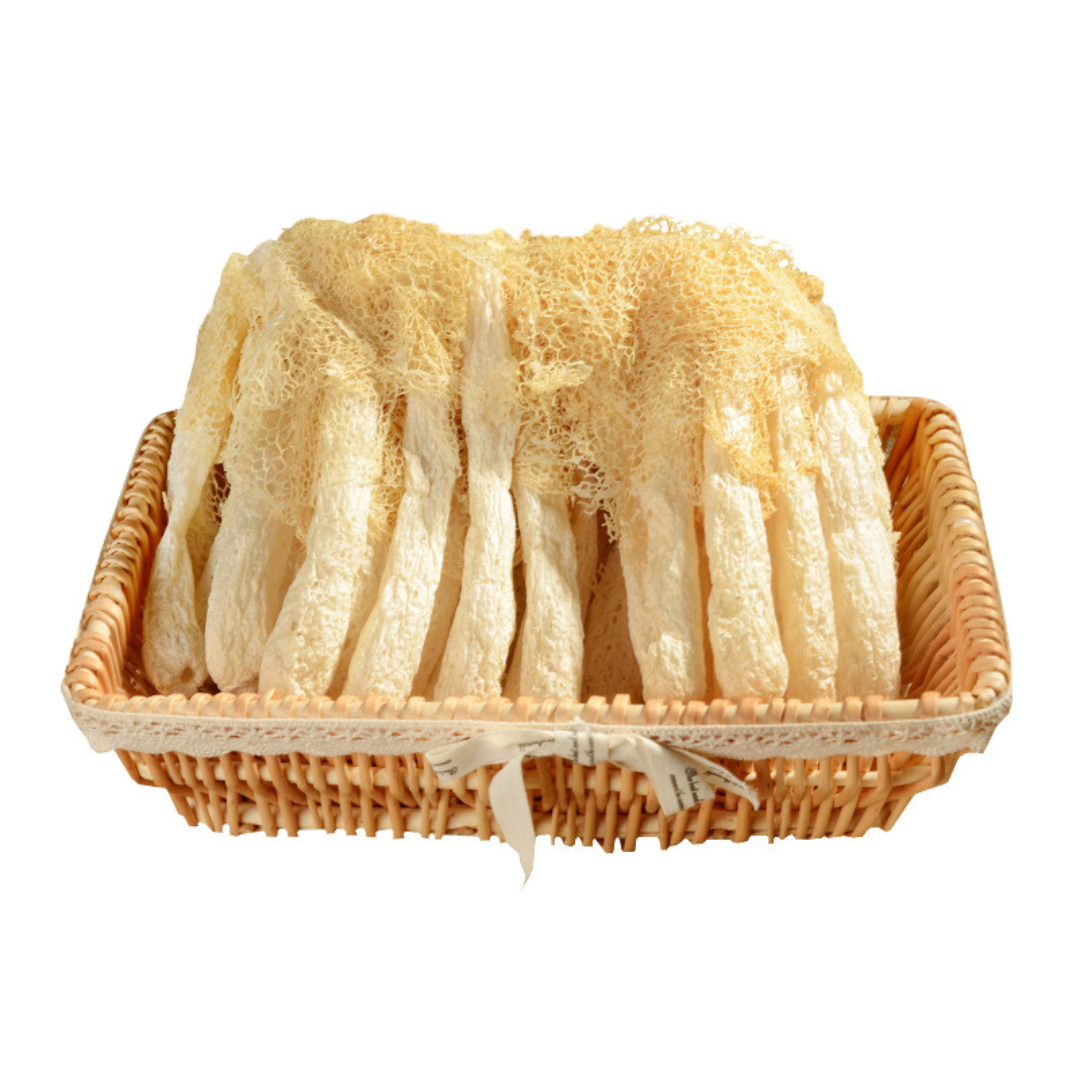
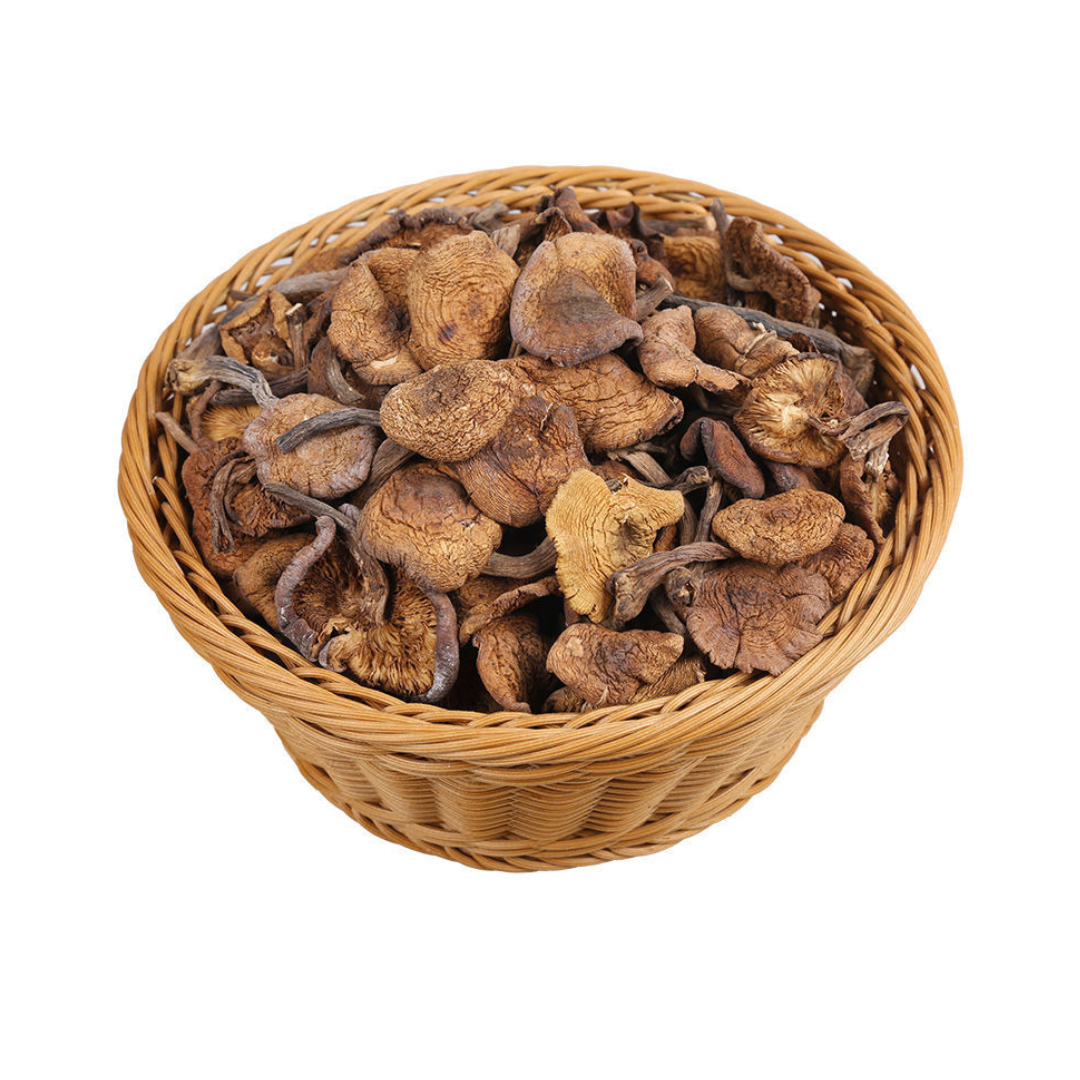
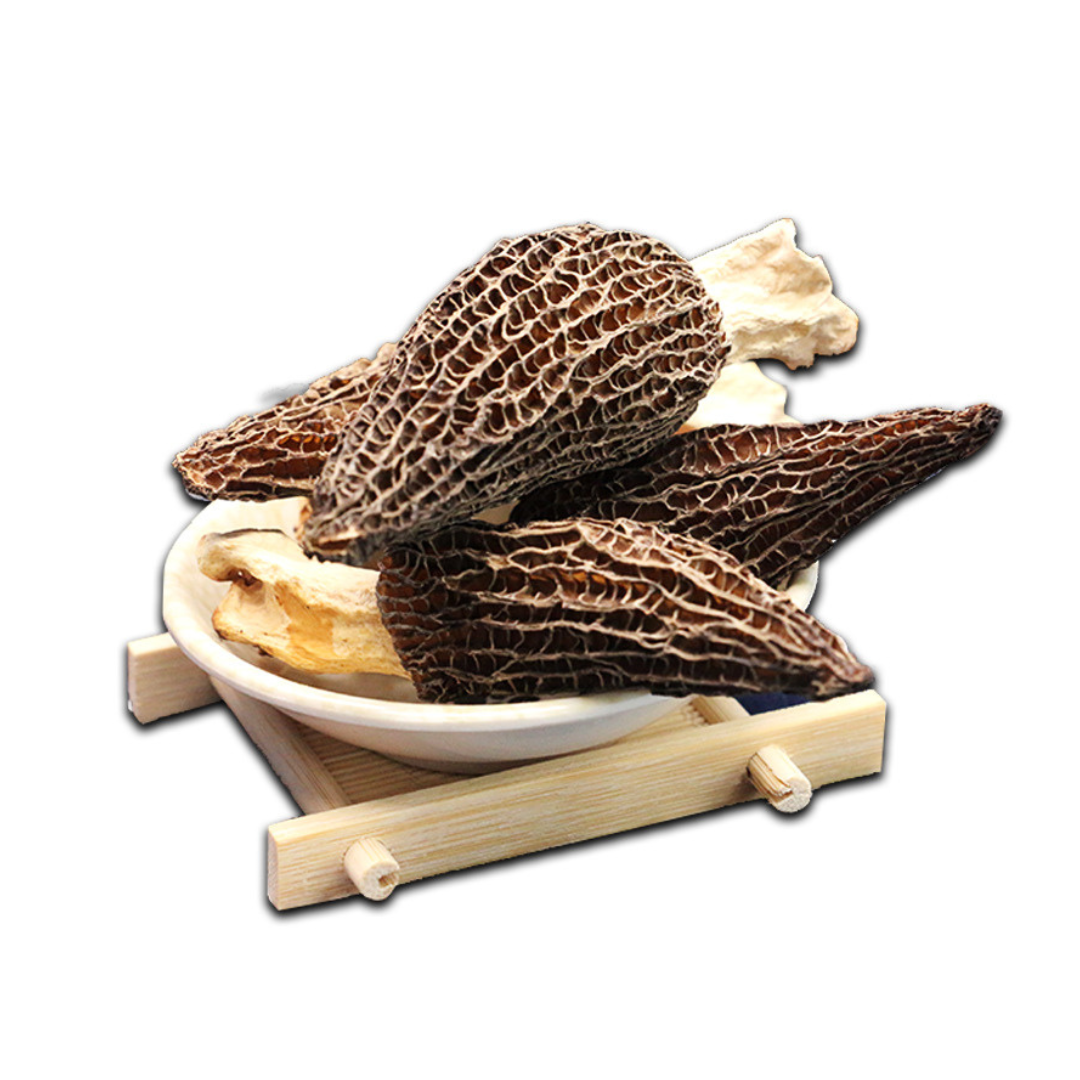
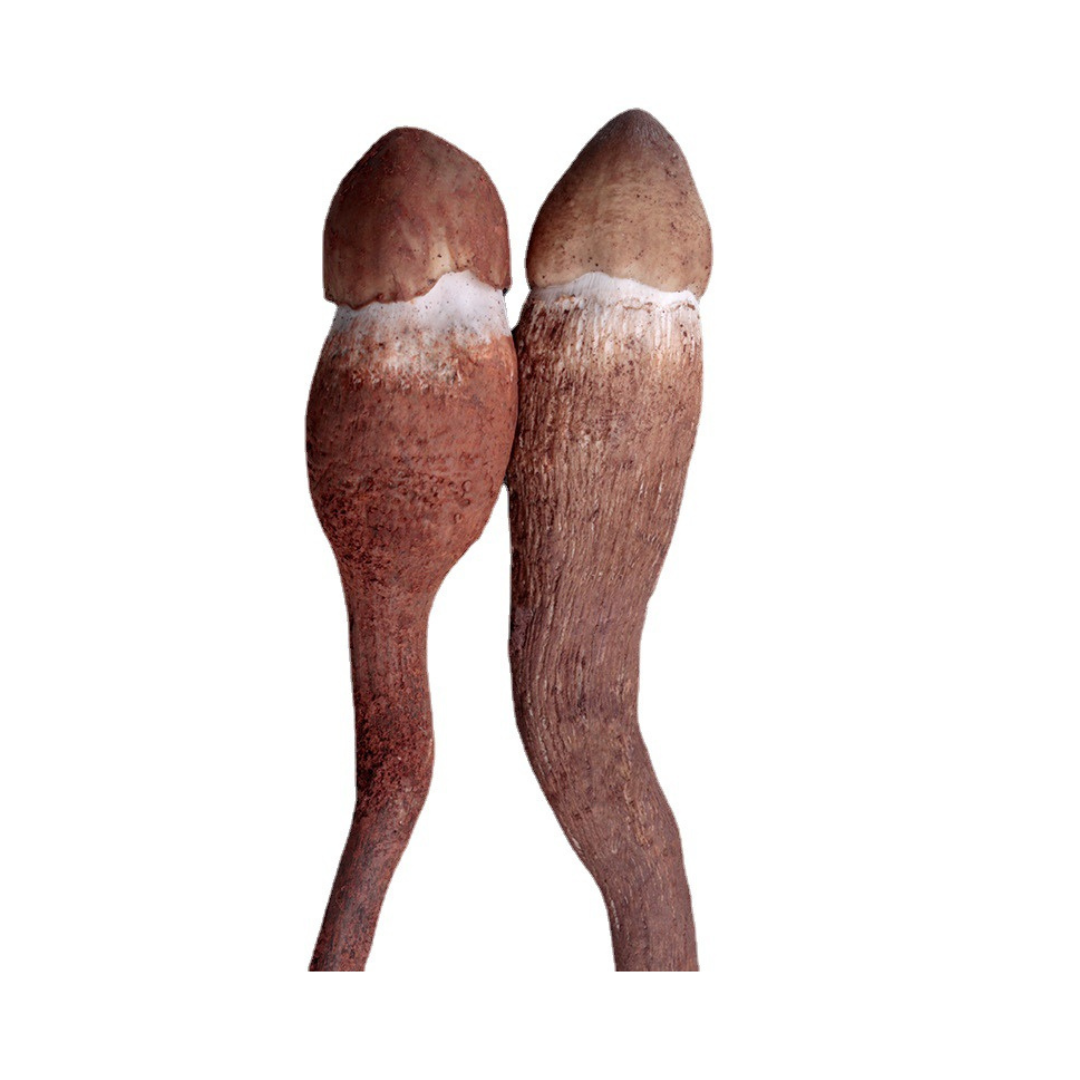
Dehydrated termite mushrooms, scientifically known as Termitomyces titanicus, offer a convenient way to enjoy the unique flavor and nutritional benefits of this wild-harvested mushroom year-round. Termite mushrooms are highly valued for their size, flavor, and texture, and they are an important food source, particularly in rural African communities. Dehydration preserves the mushroom, it concentrates the flavors. This can extend the shelf life, which allows it to be used in diverse culinary applications. The rehydrated mushrooms regain much of their fresh counterparts’ texture and flavor, making them a versatile ingredient.
Production Process
The production of dehydrated termite mushrooms begins with the careful selection of fresh, mature specimens. These mushrooms are typically harvested from the wild, often near termite nests, hence the name. Upon harvesting, the mushrooms are cleaned to remove any soil, debris, or insects. Washing the mushrooms ensures that extraneous materials are removed. After cleaning, the mushrooms are sliced into uniform pieces to facilitate even drying. Even slices ensure that no particular piece will hold moisture more than others, which could lead to rotting and or molding.
The sliced mushrooms are then arranged on drying trays and dehydrated using either air-drying methods or commercial food dehydrators. Air-drying involves placing the mushrooms in a well-ventilated area, usually under shade, for several days, until the moisture content is significantly reduced. Controlled-temperature drying, using food dehydrators, ensures a more consistent and rapid drying process, often at temperatures between 110°F and 130°F (43°C and 54°C). The drying process continues until the mushrooms reach a moisture content of around 10-12%, inhibiting microbial growth and spoilage. Once dried, the mushrooms are sorted to remove any discolored or damaged pieces before being packaged for distribution.
Product Applications
Dehydrated termite mushrooms can be rehydrated and used to add a rich, umami flavor to a wide variety of dishes. To rehydrate, the mushrooms are soaked in warm water for about 20-30 minutes, or until they regain their original texture. The rehydration liquid can also be used to get mushroom broth, which can add even more mushroom flavor to any dish. The mushrooms are highly versatile.
These mushrooms are also a vegan-friendly meat substitute, which can be used in stews, sauces, and vegetarian dishes. They can be incorporated into stir-fries with vegetables and proteins, enhancing the savory notes of the dish. The concentrated flavor of the dehydrated mushrooms makes them a valuable addition to soups and broths, providing depth and complexity. Additionally, the mushrooms can be ground into a powder and used as a natural seasoning, adding a subtle mushroom flavor to various recipes. Their nutritional profile, rich in protein, fiber, and essential minerals, makes them a healthy and flavorful ingredient.
Packaging and Storage
To ensure the longevity and quality of dehydrated termite mushrooms, proper packaging and storage are essential. The mushrooms should be packaged in airtight, moisture-proof containers, such as resealable bags, glass jars, or vacuum-sealed packages. These containers protect the mushrooms from moisture absorption, which can lead to spoilage and loss of flavor. The packaging material should also be food-grade and free from any contaminants that could affect the product's quality.
The packaged mushrooms should be stored in a cool, dry place, away from direct sunlight and heat sources. Ideal storage conditions include a temperature of below 70°F (21°C) and low humidity levels. A pantry or cupboard away from the stove or oven is generally suitable. Proper storage can extend the shelf life of dehydrated termite mushrooms to 12-18 months, while maintaining their flavor, texture, and nutritional properties. Regularly checking the mushrooms for any signs of moisture or spoilage is advisable to ensure they remain in optimal condition.
Citations:
- Smith, A., et al. (2020). "The Nutritional and Medicinal Value of Wild Mushrooms." Journal of Food Science, 85(4), 897-906.
- Boa, E. (2004). Wild Edible Fungi: A Global Overview of Their Use and Importance to People. Food and Agriculture Organization of the United Nations.
- Das, K., et al. (2017). "Drying of Mushrooms: A Review." Journal of Food Engineering, 203, 25-34.
- Rinaldi, A., et al. (2008). Edible Mushrooms: A Functional Food. CRC Press.

As a sales manager, I’m here to make sure you get exactly what you need for your dietary supplements. From sourcing to delivery, I’m always by your side, ensuring smooth and friendly service. Let’s make your products even better! 🥰🌿