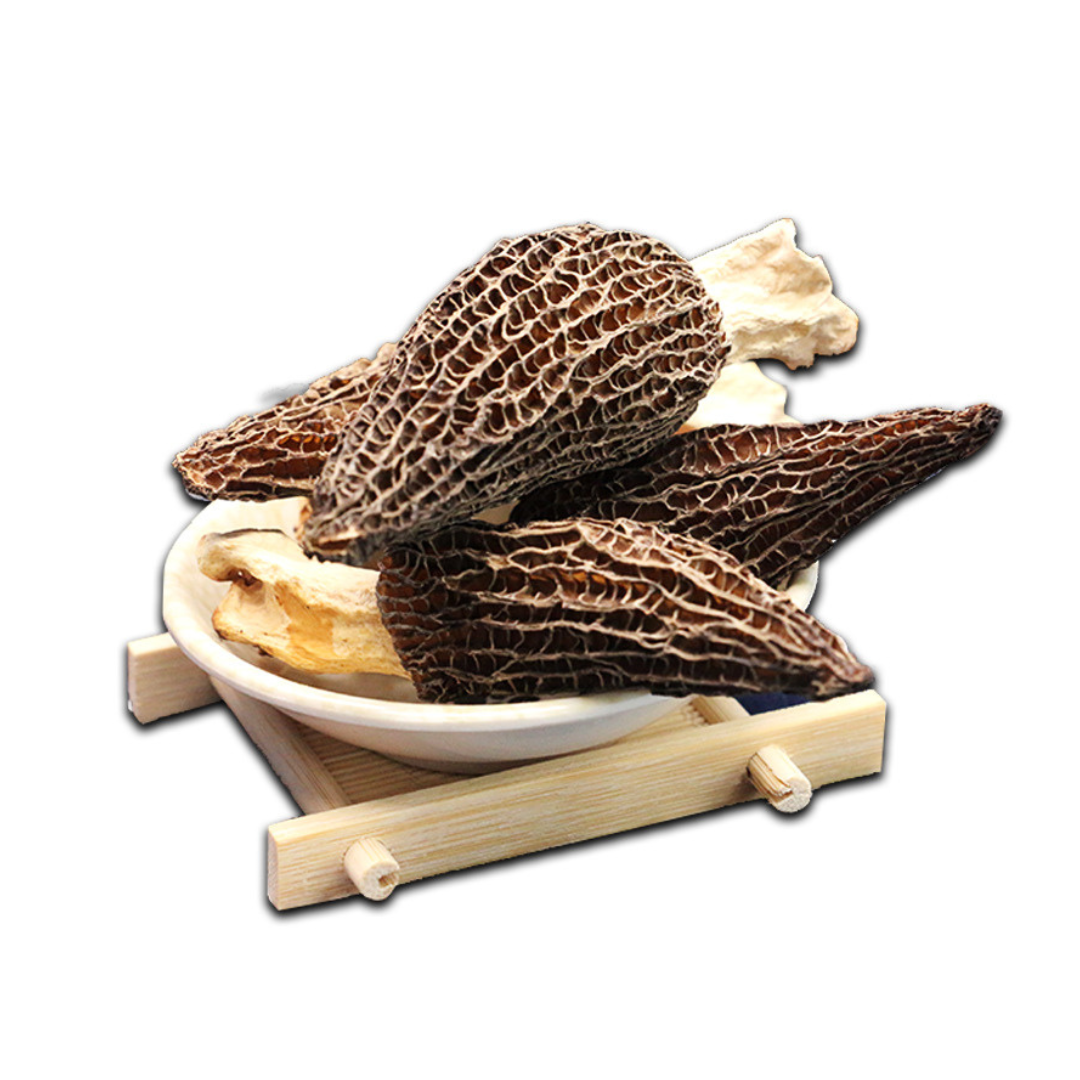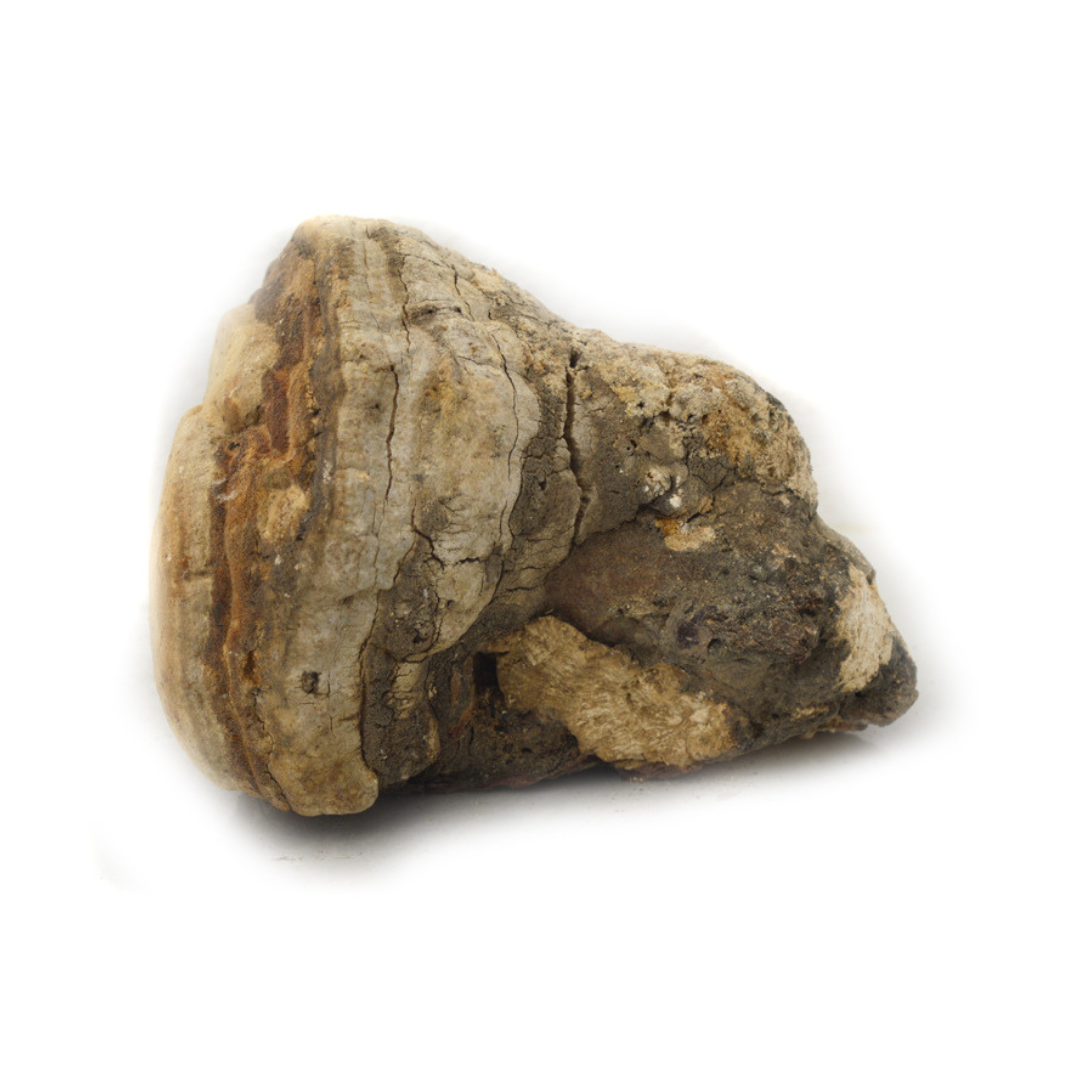


Product Introduction
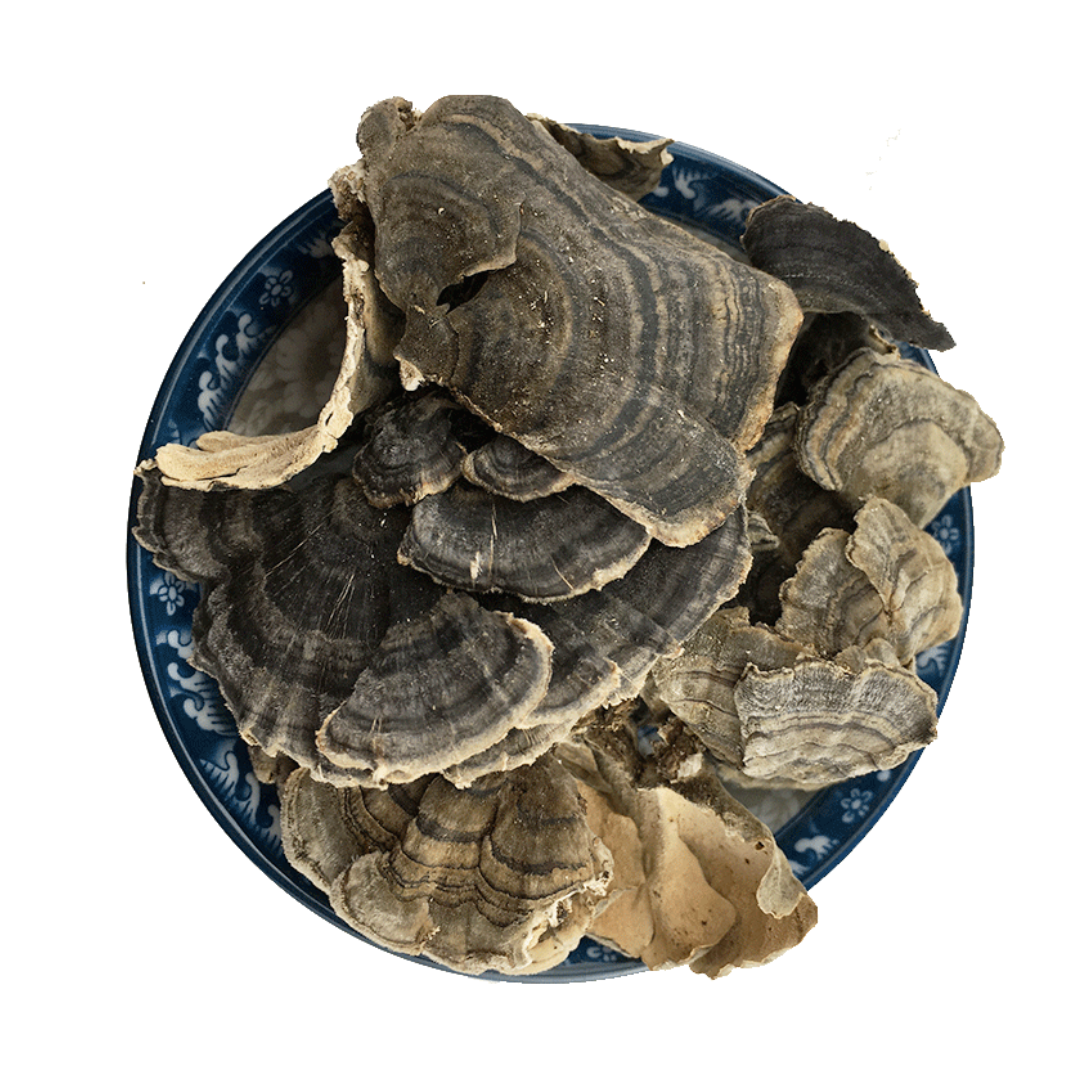
Fomitopsis officinalis, known historically as Agarikon, is a medicinal mushroom with a rich history of traditional use. It grows primarily on old-growth coniferous trees throughout specific regions of Europe, Asia, and North America. Its historical use dates back to ancient Greece, where it was documented for its therapeutic properties, particularly in treating various ailments. Traditional applications have included its use as a general tonic, and as a treatment for respiratory issues, and internal parasites, highlighting its broad spectrum of purported health benefits. Modern research continues to investigate the mushroom's potential medicinal properties, focusing on its bioactive compounds, and their effects on human health.
Production Process
The production of dehydrated Fomitopsis officinalis involves a series of carefully controlled steps to ensure the final product retains its beneficial properties. The process begins with the sustainable harvesting of the mushroom from its natural habitat, with harvesters selecting mature specimens. The harvested mushrooms are then cleaned, to remove any debris or contaminants. Following cleaning, the mushrooms are sliced into smaller pieces to facilitate efficient drying. The drying process typically involves air-drying in a controlled environment, where temperature and humidity are carefully monitored to prevent degradation of the mushroom's bioactive compounds. Once dried, the mushroom pieces are inspected for quality, sorted, and packaged for distribution, with attention paid to maintaining product integrity, throughout the production process.
Product Applications
Dehydrated Fomitopsis officinalis finds applications across various fields, primarily centered around its potential health benefits. In traditional medicine, it is used for its purported immune-boosting, anti-inflammatory, and antiviral properties. It is also commonly found in dietary supplements, where it is consumed in capsule or powder form, to promote overall wellness. Researchers are actively exploring its potential in novel therapeutic applications, with studies focusing on its bioactive compounds and their effects on various health conditions. The polysaccharides and triterpenoids present in Fomitopsis officinalis are of particular interest, due to their potential to modulate the immune system, and inhibit the growth of certain pathogens.
Packaging and Storage
Proper packaging and storage are essential to maintain the quality and potency of dehydrated Fomitopsis officinalis. The product is typically packaged in airtight, moisture-proof containers to prevent degradation from exposure to air and humidity. Desiccants may be included in the packaging to further control moisture levels, extending the shelf life of the product. Storage recommendations include keeping the product in a cool, dry place, away from direct sunlight and heat, as these conditions can accelerate the degradation of bioactive compounds. Following these guidelines, ensures that the dehydrated Fomitopsis officinalis retains its quality and efficacy over an extended period, providing consumers with a reliable and beneficial product.
Citations:
- Stamets, P. (2002). Growing gourmet and medicinal mushrooms. Berkeley, CA: Ten Speed Press.
- Hobbs, C. (1995). Medicinal mushrooms: An exploration of tradition, healing, and culture. Loveland, CO: Interweave Press.
- народов, Д. А., & Сергеев, А. В. (2012). Грибы России. Москва: Фитон XXI.

As a sales manager, I’m here to make sure you get exactly what you need for your dietary supplements. From sourcing to delivery, I’m always by your side, ensuring smooth and friendly service. Let’s make your products even better! 🥰🌿