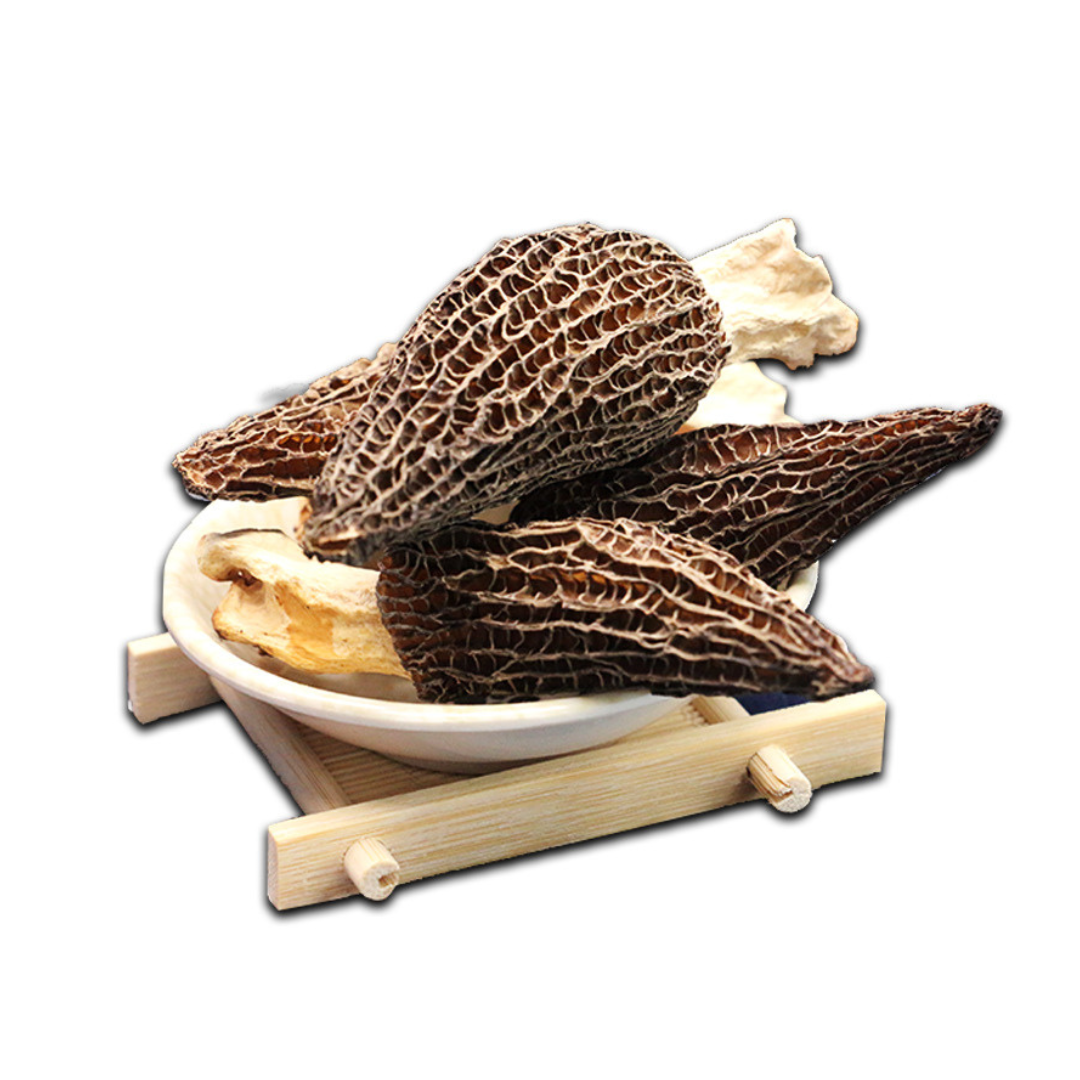


Product Introduction
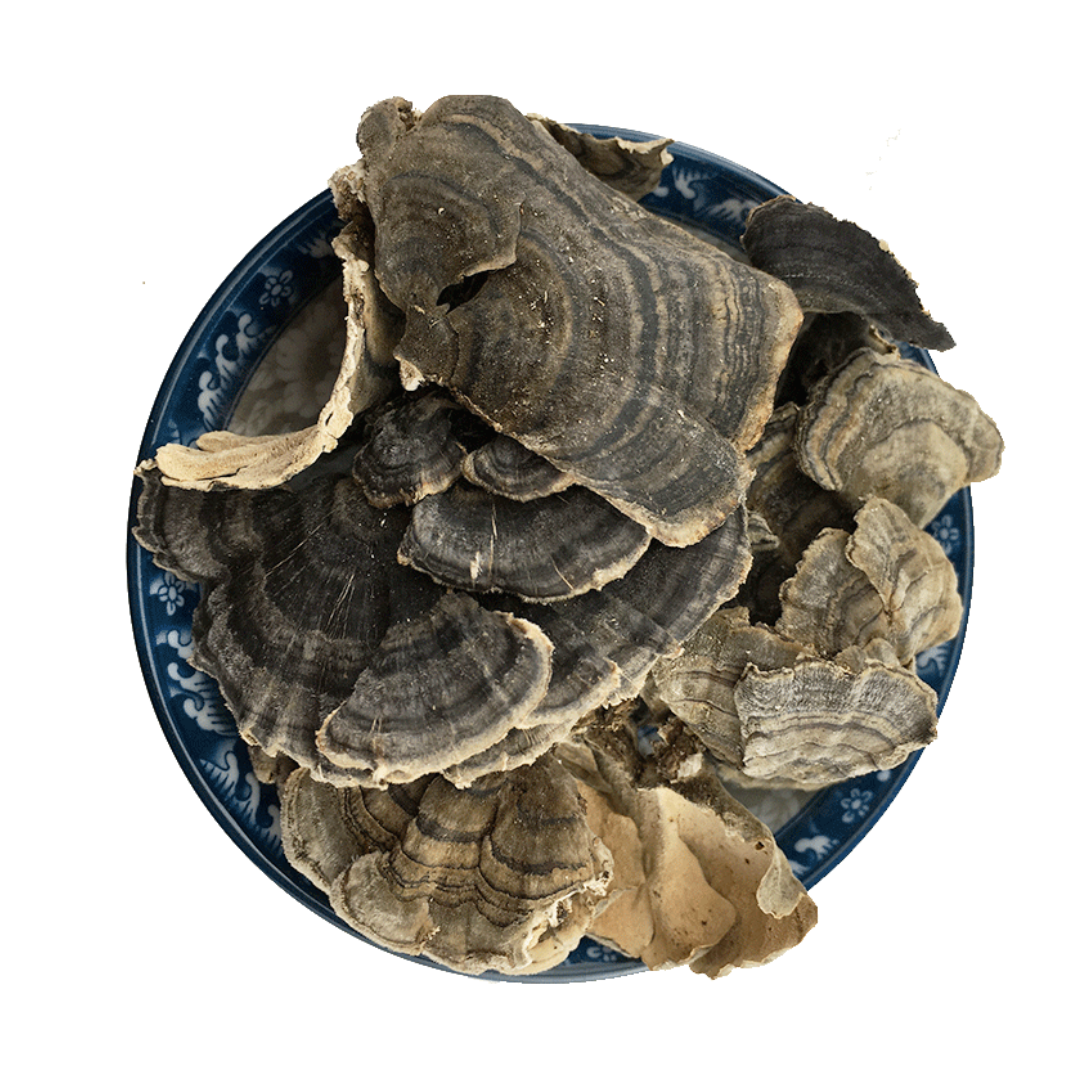
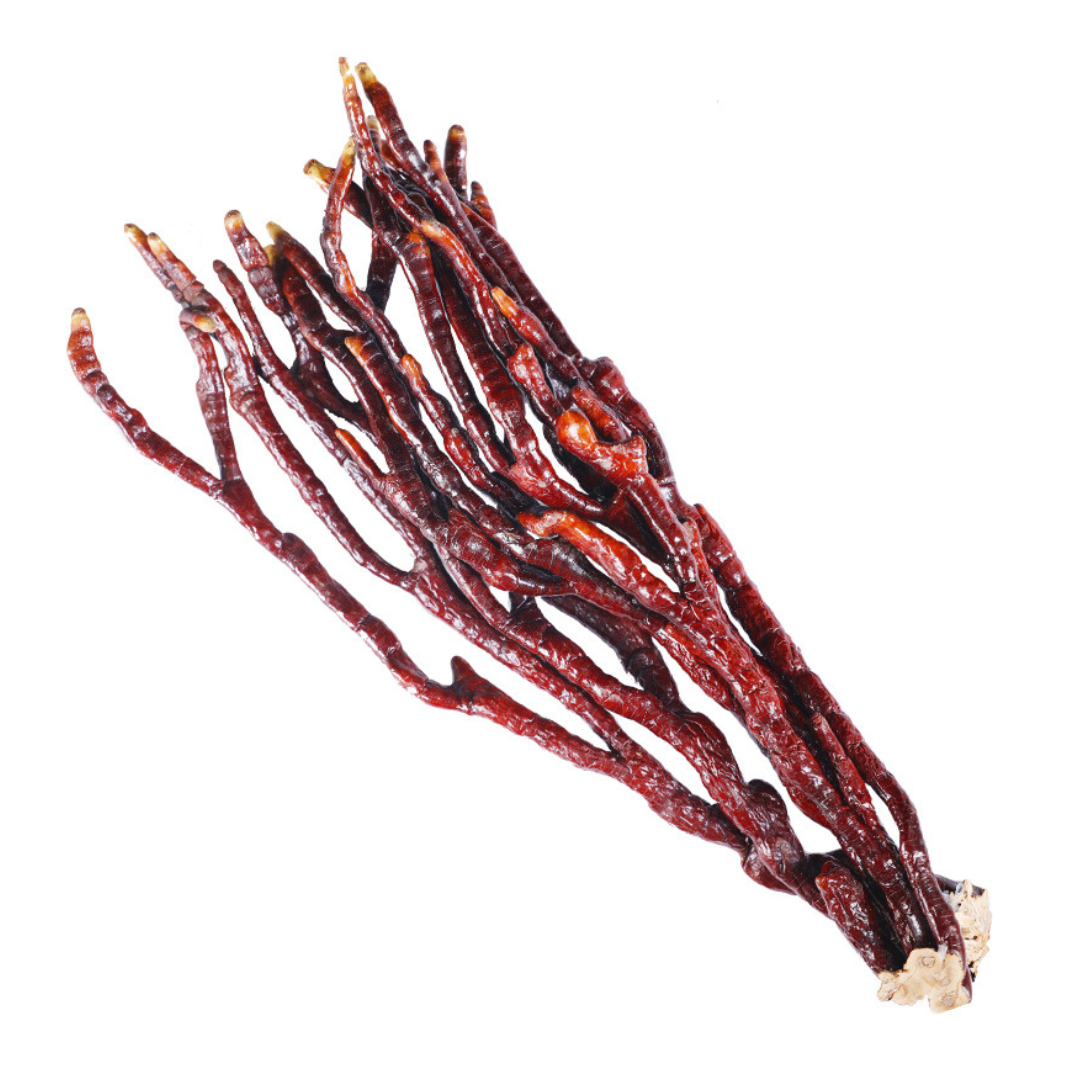
Ganoderma lucidum, commonly known as Reishi or Lingzhi, is a mushroom that has been used for centuries in traditional medicine, particularly in Asia [1]. Antler ganoderma is a specific morphological form of Ganoderma lucidum, characterized by its branched, antler-like appearance, which arises from specific cultivation techniques. The dehydrated form of antler ganoderma preserves its bioactive compounds, making it suitable for various applications. Dehydration minimizes microbial growth and enzymatic degradation, extending the shelf life while retaining essential components.
Production Process
The production of dehydrated Ganoderma lucidum-antler ganoderma involves several key steps. Initially, the antler ganoderma is cultivated under controlled environmental conditions to ensure optimal growth and development of the desired antler morphology [2]. Mature antler ganoderma fruiting bodies are then harvested, carefully selected, and cleaned to remove any substrate or impurities. The cleaned mushrooms are sliced to increase the surface area, facilitating efficient drying. Hot air drying is commonly employed, where the sliced ganoderma is placed in a drying chamber with controlled temperature and airflow, reducing the moisture content to a level that inhibits microbial growth and enzymatic activity [3]. Throughout the drying process, careful monitoring of temperature and humidity is essential to prevent overheating and ensure the preservation of heat-sensitive bioactive compounds. Finally, the dehydrated product is inspected, sorted, and packaged to maintain quality and prevent moisture absorption.
Product Applications
Dehydrated Ganoderma lucidum-antler ganoderma finds applications across various industries. In the dietary supplement sector, it is often used as a raw material for capsules, tablets, and powder formulations, marketed for its potential health benefits [4]. The dehydrated mushroom can also be used to prepare teas or extracts, providing a convenient way to consume its bioactive compounds, that are extracted through hot water. Furthermore, it’s versatile and can be incorporated into functional foods and beverages, adding nutritional value. Due to its long shelf life and ease of handling, the dehydrated form is advantageous, allowing product developers to incorporate the mushroom into a wide range of consumer products.
Packaging and Storage
Proper packaging and storage are crucial to maintaining the quality and extending the shelf life of dehydrated Ganoderma lucidum-antler ganoderma. The product should be packaged in airtight containers or moisture-proof bags to prevent moisture absorption, which can lead to microbial growth and degradation of the mushroom [5]. The packaging material should also be food-grade and protect the product from light exposure, as light can accelerate the degradation of certain bioactive compounds. Storage should be in a cool, dry place, away from direct sunlight and sources of heat. Temperatures below 25°C (77°F) are recommended. Under these conditions, dehydrated Ganoderma lucidum-antler ganoderma can maintain its quality for an extended period, typically up to two years.
Citations:
[1] Wachtel-Galor, S., Yuen, J., Buswell, J. A., & Benzie, I. F. F. (2011). Ganoderma lucidum (Lingzhi or Reishi): A medicinal mushroom. In Herbal Medicine: Biomolecular and Clinical Aspects. 2nd edition. CRC press/Taylor & Francis.
[2] Patel, S., Goyal, A. (2012). Recent developments in mushrooms as anti-cancer therapeutics: a review. 3 Biotech 2, 1–15.
[3] Ratti, C. (2001). Hot air and freeze-drying of high-value foods: a review. Journal of Food Engineering, 49(4), 311-319.
[4] Boh, B., Berovic, M., Zhang, J., & Zhi-Bin, L. (2007). Ganoderma lucidum and its pharmaceutically active compounds. Biotechnology Annual Review, 13, 265-301.
[5] Fellows, P. J. (2009). Food Processing Technology: Principles and Practice. 3rd ed. Cambridge: Woodhead Publishing.

As a sales manager, I’m here to make sure you get exactly what you need for your dietary supplements. From sourcing to delivery, I’m always by your side, ensuring smooth and friendly service. Let’s make your products even better! 🥰🌿