

Product Introduction
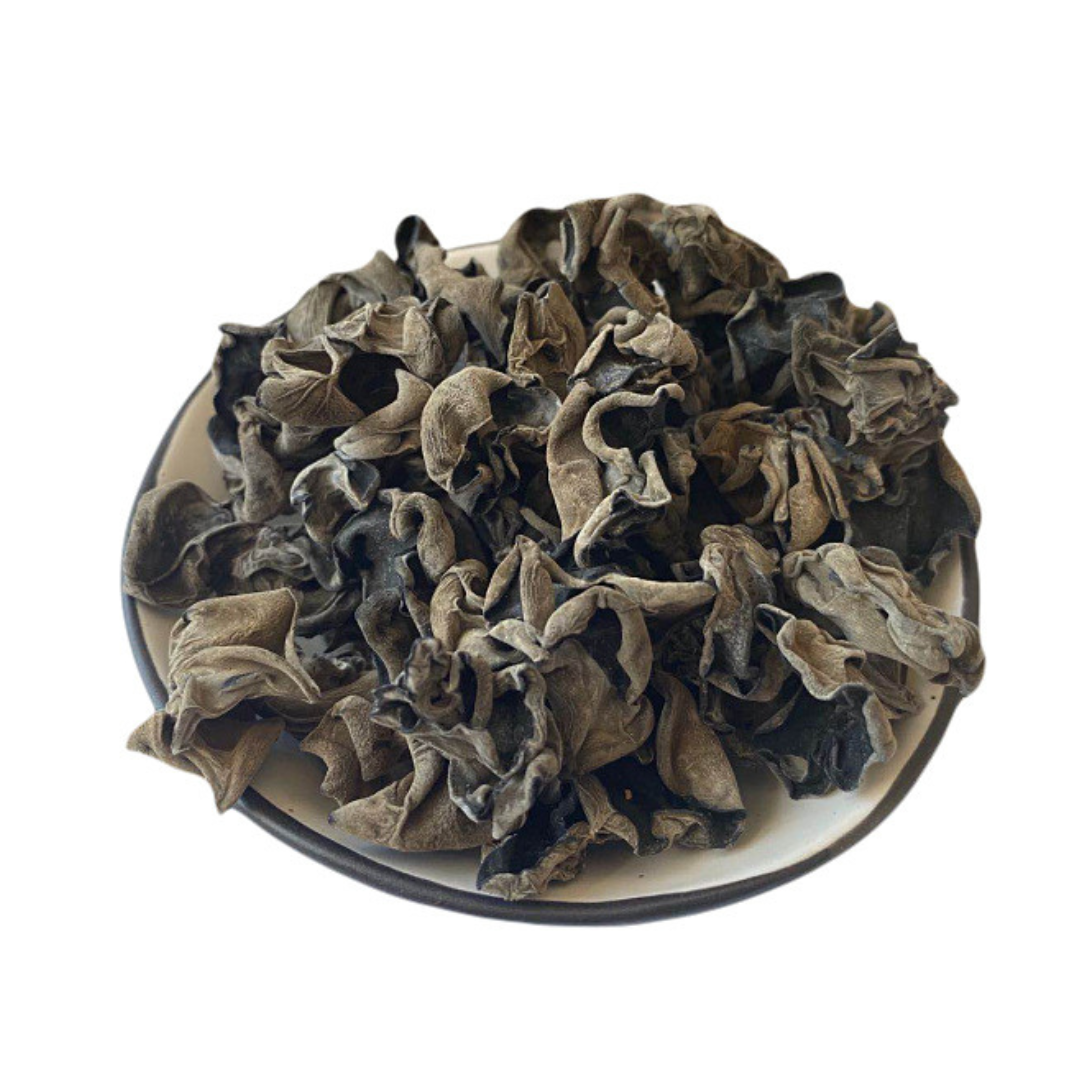
Auricularia polytricha, commonly known as cloud ear fungus, tree ear fungus, or black fungus, is a widely consumed edible fungus, particularly popular in Asian cuisine, because of its unique texture and potential health benefits. The fungus is characterized by its ear-like shape and dark color, generally found growing on decaying wood. After dehydration, Auricularia polytricha becomes brittle, and it needs to be rehydrated before consumption, which restores its characteristic gelatinous, slightly crunchy texture. Its mild, earthy flavor makes it a good complement to a variety of dishes, without overpowering other ingredients. Beyond its culinary uses, Auricularia polytricha has been used in traditional medicine for its purported health-promoting properties, including its potential benefits for cardiovascular health and its anti-inflammatory action. Its ability to absorb flavors makes it a versatile ingredient in both savory and sweet dishes.
Production Process
The production process of dehydrated Auricularia polytricha involves careful harvesting, cleaning, slicing, and drying to ensure a high-quality final product. Harvesting usually occurs in the wild or in cultivated farms, where the fungus is grown on logs or substrates rich in organic matter. The harvested Auricularia polytricha is then thoroughly cleaned to remove any dirt, debris, or unwanted particles. This cleaning process may involve washing and rinsing the fungus multiple times; it is sometimes sliced or cut into smaller pieces for more efficient drying.
Drying is a critical step in preserving Auricularia polytricha. Several methods are employed, including sun-drying, air-drying, and mechanical drying using specialized dehydrators. Sun-drying is a traditional method but it is weather-dependent and may result in uneven drying. Air-drying, typically performed in well-ventilated areas, is slower but helps retain the fungus’s natural color, and nutritional properties. Mechanical drying, using dehydrators, offers greater control over temperature and humidity, ensuring uniform drying and preventing mold growth. The dried Auricularia polytricha is then sorted, graded, and packaged for distribution. Quality control measures are implemented throughout the entire process to maintain product safety and consistency.
Product Applications
Dehydrated Auricularia polytricha is a versatile ingredient with a wide range of applications in culinary and traditional medicine. In the culinary arts, it is primarily used in Asian cuisines, in stir-fries, soups, hot pots, and salads, where its unique texture and subtle flavor enhance the overall sensory experience. The fungus easily absorbs flavors from the surrounding ingredients, making it a versatile addition to many recipes. Dehydrated Auricularia polytricha must be rehydrated before use, which involves soaking it in water until it regains its original size and texture.
In traditional medicine, Auricularia polytricha has been used for centuries due to its perceived health benefits. It is believed to have anti-inflammatory, anticoagulant, and cholesterol-lowering effects. Some studies suggest that it might help in improving blood circulation and preventing cardiovascular diseases, even acting as a prebiotic by promoting the growth of beneficial gut bacteria. It is important to note that while traditional uses are well-documented, further scientific research is needed to validate these health claims and determine appropriate dosages.
Packaging and Storage
Proper packaging and storage are essential for maintaining the quality and extending the shelf life of dehydrated Auricularia polytricha. The primary goal of packaging is to protect the product from moisture, light, and air, which can degrade its quality over time. The fungus is typically packaged in airtight, moisture-proof containers, such as resealable bags, vacuum-sealed packs, or sealed jars. These materials prevent moisture absorption, which can lead to mold growth and spoilage.
The storage environment should be cool, dry, and away from direct sunlight. High temperatures and humidity can accelerate the deterioration of the product, leading to a loss of flavor, texture, and nutritional value. A pantry or cupboard away from heat sources is an ideal storage location. Furthermore, dehydrated Auricularia polytricha should be stored separately from strong-smelling foods, as it can absorb odors. When stored properly, dehydrated Auricularia polytricha can maintain its quality for an extended period, typically ranging from one to two years. Regular inspection of the packaging and product for any signs of moisture or spoilage is recommended to ensure its safety and quality before use.
Citations
- Cheung, P. C. K. (2008). Mushrooms as functional foods. John Wiley & Sons.
- Wasser, S. P. (2011). Current knowledge on edible and medicinal mushrooms. International Journal of Medicinal Mushrooms, 13(4), 301-319.
- Chang, S. T., & Miles, P. G. (2004). Mushrooms: Cultivation, nutritional value, medicinal effect, and environmental impact. CRC press.
- Hobbs, C. (1995). Medicinal mushrooms: An exploration of tradition, healing, & culture. Botanica Press.
- feature=related "Auricularia polytricha (Black Fungus)". https://www.healthbenefitstimes.com/auricularia-polytricha/

As a sales manager, I’m here to make sure you get exactly what you need for your dietary supplements. From sourcing to delivery, I’m always by your side, ensuring smooth and friendly service. Let’s make your products even better! 🥰🌿