

Product Introduction
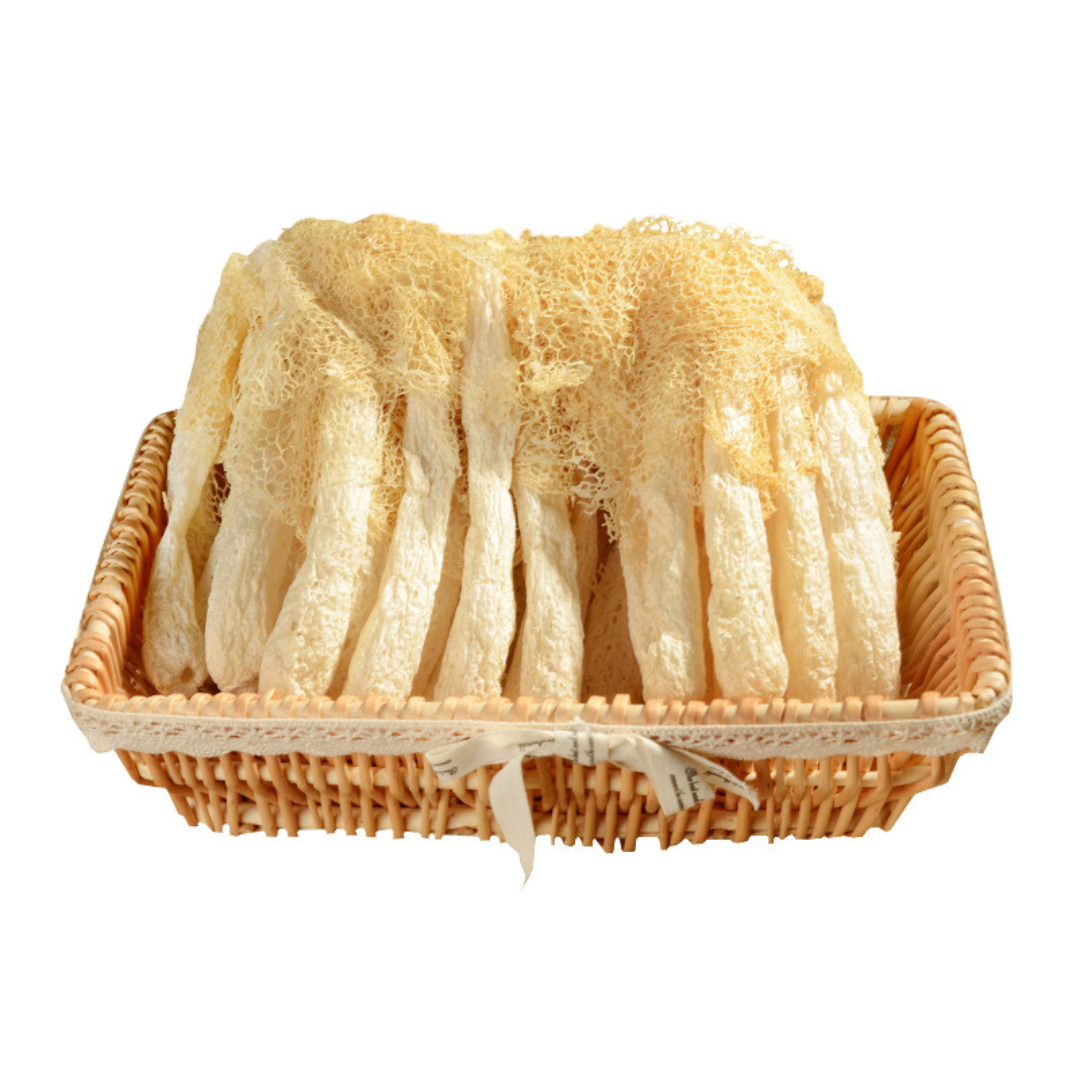
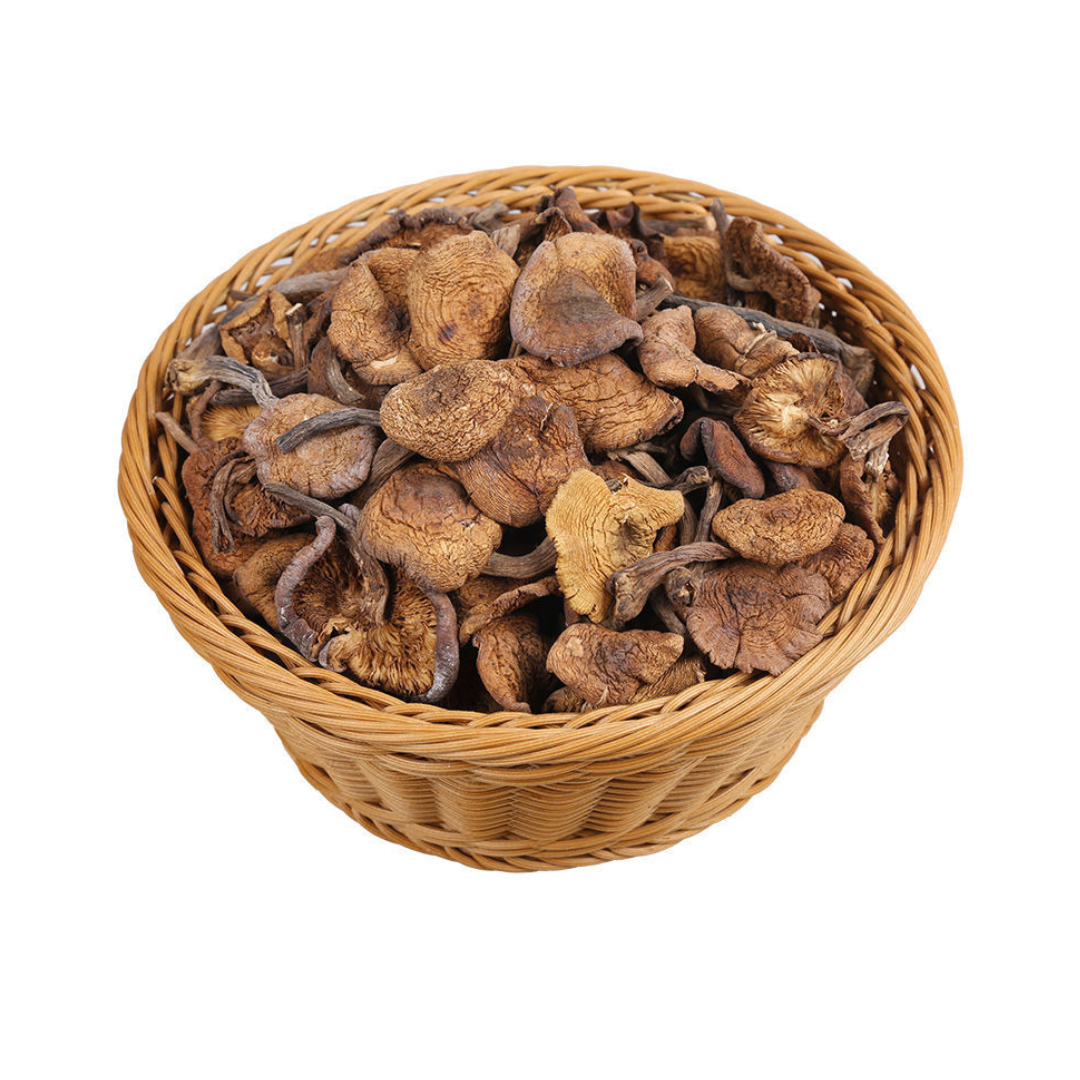
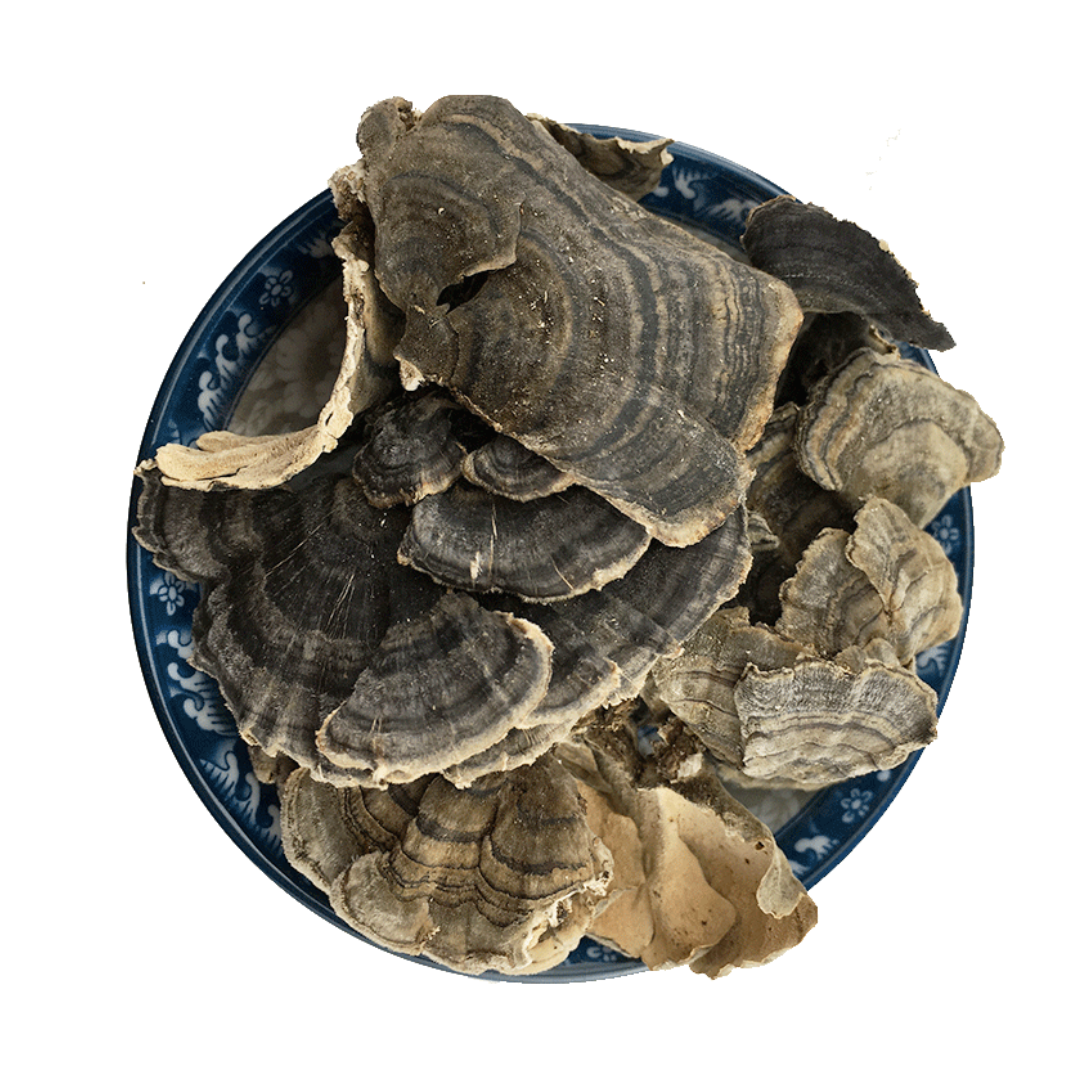
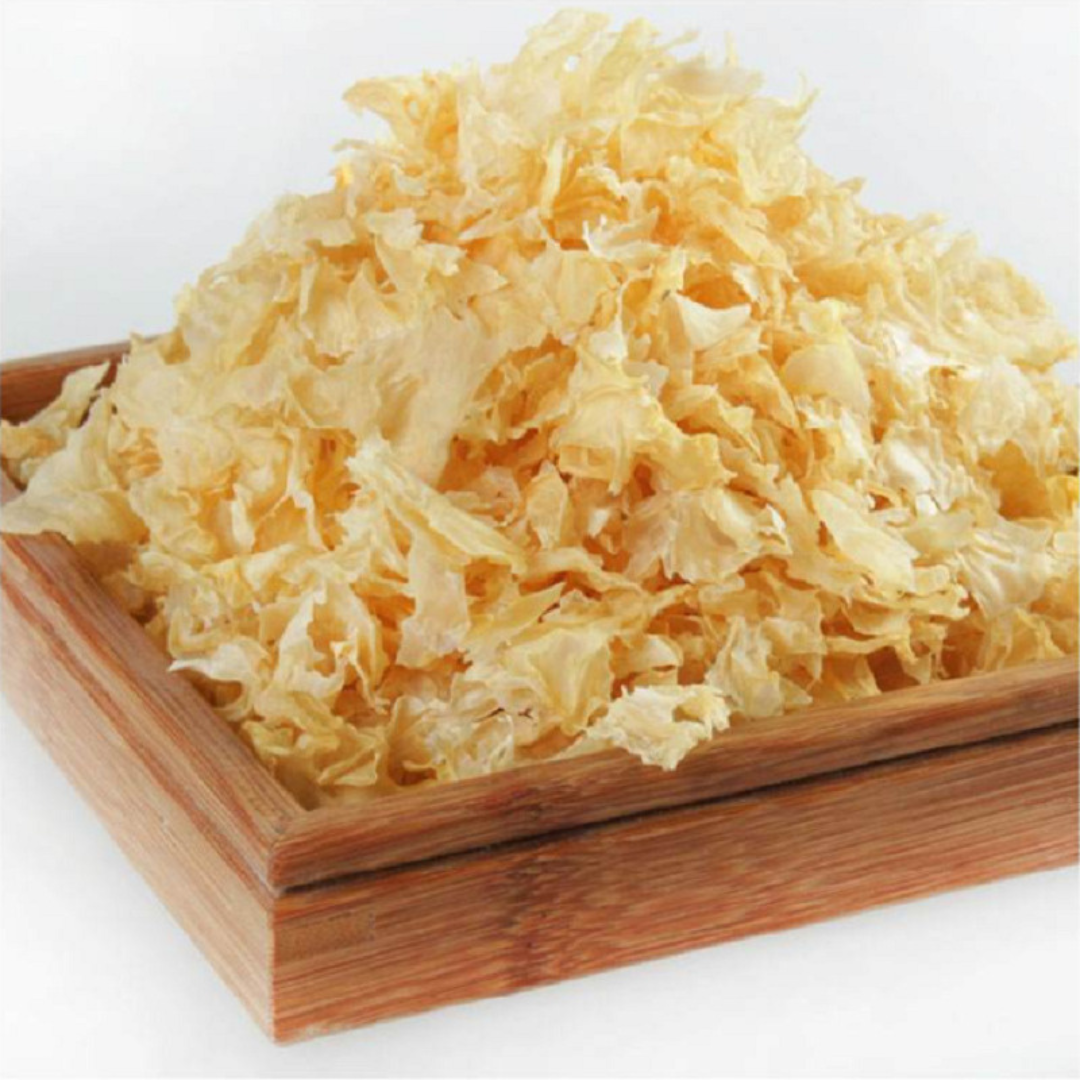
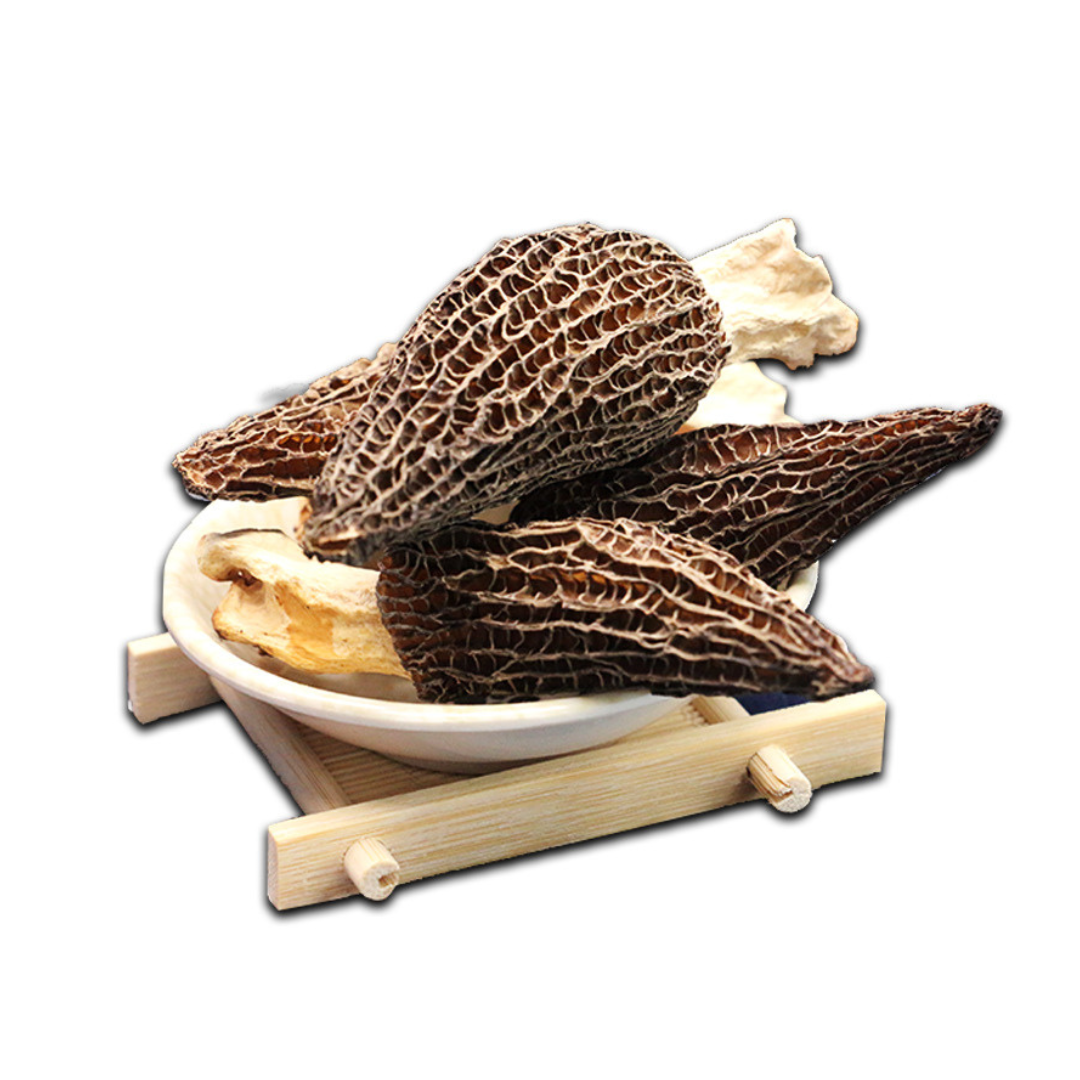
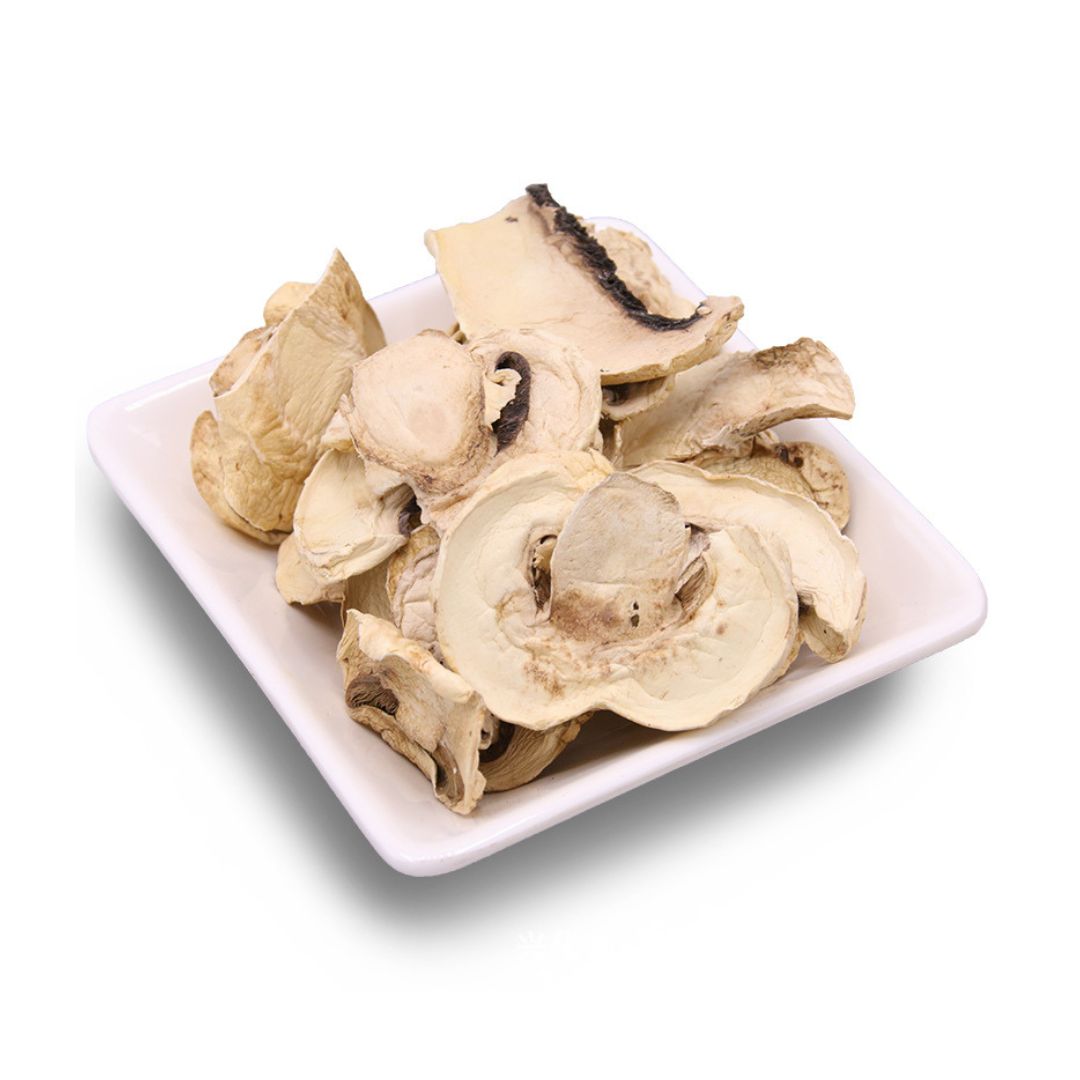
The phoenix tail mushroom, Hypsizygus ulmarius, is a choice edible fungus prized, throughout Asia and increasingly, in Western cuisine. The dehydrated version offers convenience and extends shelf life, making it readily accessible for diverse culinary applications. The mushroom, in its dehydrated form, retains much of its nutritional value and distinct flavor profile.
Production Process
The production of dehydrated phoenix tail mushrooms involves several key steps. First, carefully selected fresh mushrooms undergo thorough cleaning to remove any debris. Following the cleaning process, the mushrooms are sliced to promote uniform drying. The sliced mushrooms are then spread evenly on trays and placed in industrial dryers, often utilizing hot air drying technology. The drying process continues until the moisture content is reduced to a level that inhibits microbial growth, typically below 10%. Afterward, the dehydrated mushrooms are sorted, inspected for quality, and packaged for distribution. Quality control measures are implemented throughout the process to guarantee a safe and high-quality final product.
Product Applications
Dehydrated phoenix tail mushrooms are versatile in the kitchen. They can be rehydrated and then incorporated into soups, stews, and stir-fries, where they contribute a rich, umami flavor. They are also suitable for use in sauces, broths, and vegetarian dishes, enhancing the overall taste profile. The mushrooms pair well with a variety of ingredients, including meats, vegetables, and grains. Their ability to absorb flavors makes them an excellent addition to complex recipes, this ensures a depth of flavor in the dish.
Packaging and Storage
To preserve quality, dehydrated phoenix tail mushrooms must be properly packaged and stored. The mushrooms are typically packaged in airtight containers or resealable bags that prevent moisture absorption. It is crucial to store the packaged mushrooms in a cool, dry place, away from direct sunlight and strong odors. Under these conditions, the product can maintain its quality for an extended period, typically up to 12-18 months. Proper storage practices ensure the mushrooms remain flavorful and free from spoilage, this guarantees customer satisfaction.
Citations
- Breene, W. M. (1991). Journal of Food Protection, 54(8), 602-606.
- மடவ, குமார், மற்றும் பலர். "Mushroom nutritional composition and factors affecting it." Journal of food science and technology 57.12 (2020): 4481-4492.
- Roupas, P., Keogh, J., & Gill, J. (2012). Journal of Functional Foods, 4(1), 94-107.

As a sales manager, I’m here to make sure you get exactly what you need for your dietary supplements. From sourcing to delivery, I’m always by your side, ensuring smooth and friendly service. Let’s make your products even better! 🥰🌿