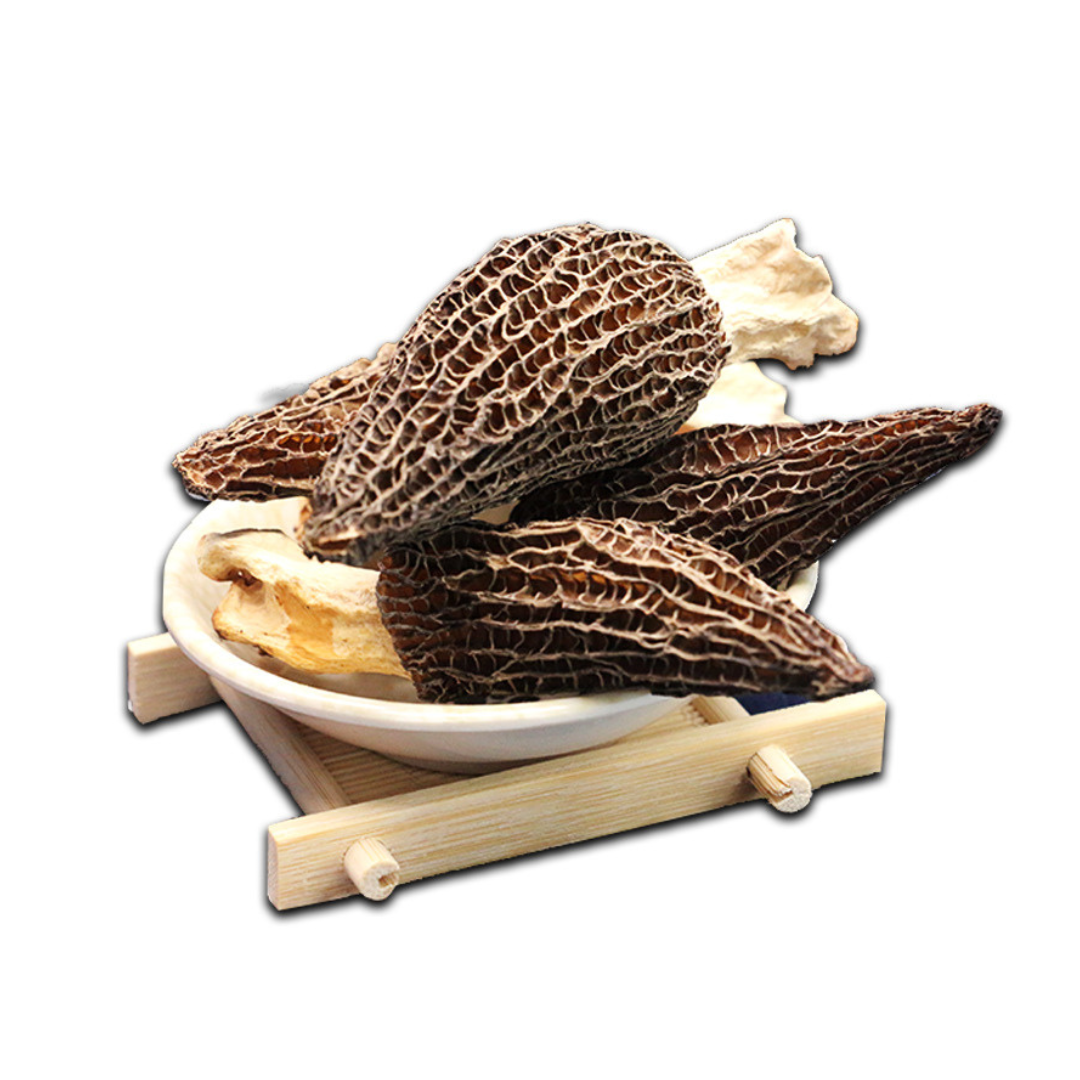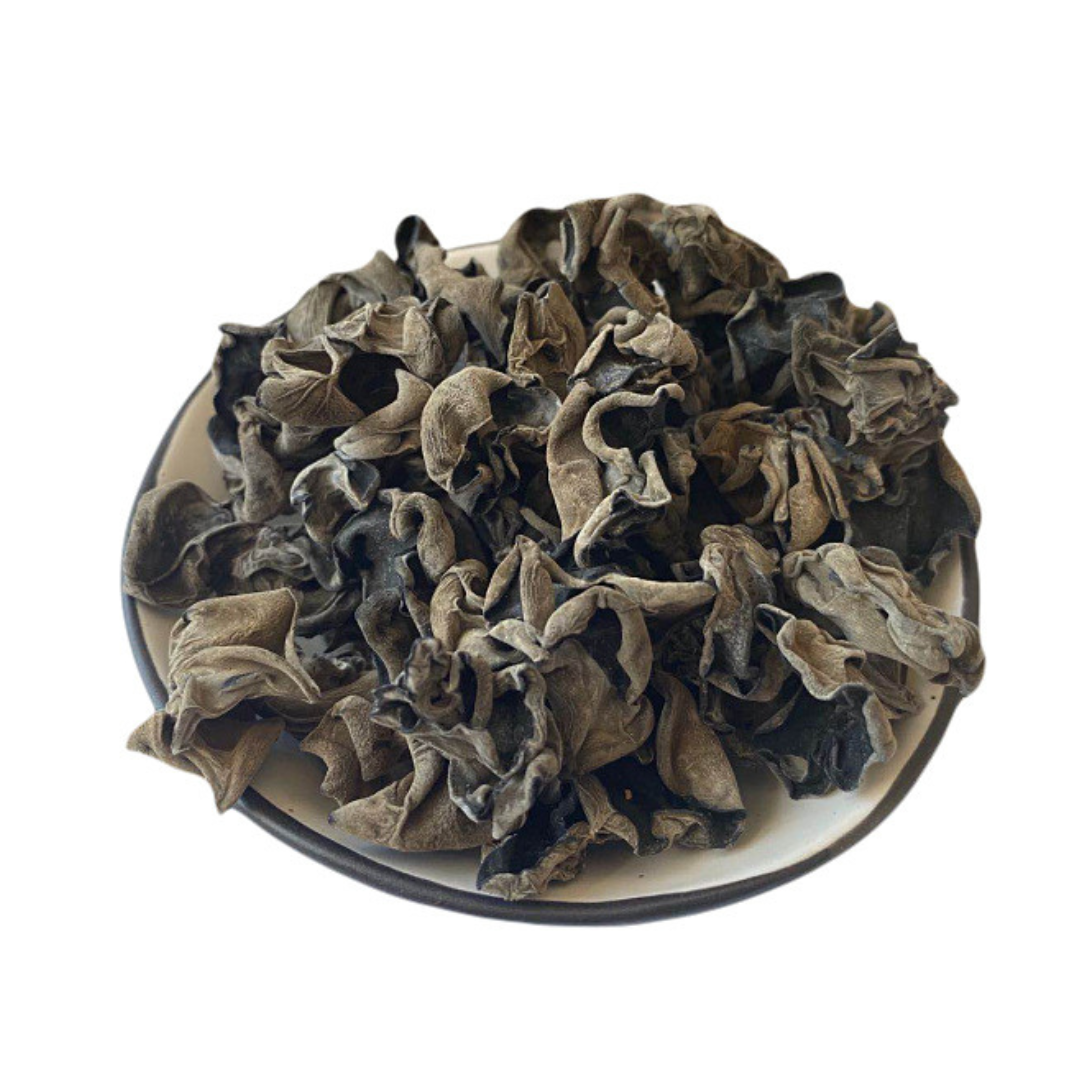


Product Introduction
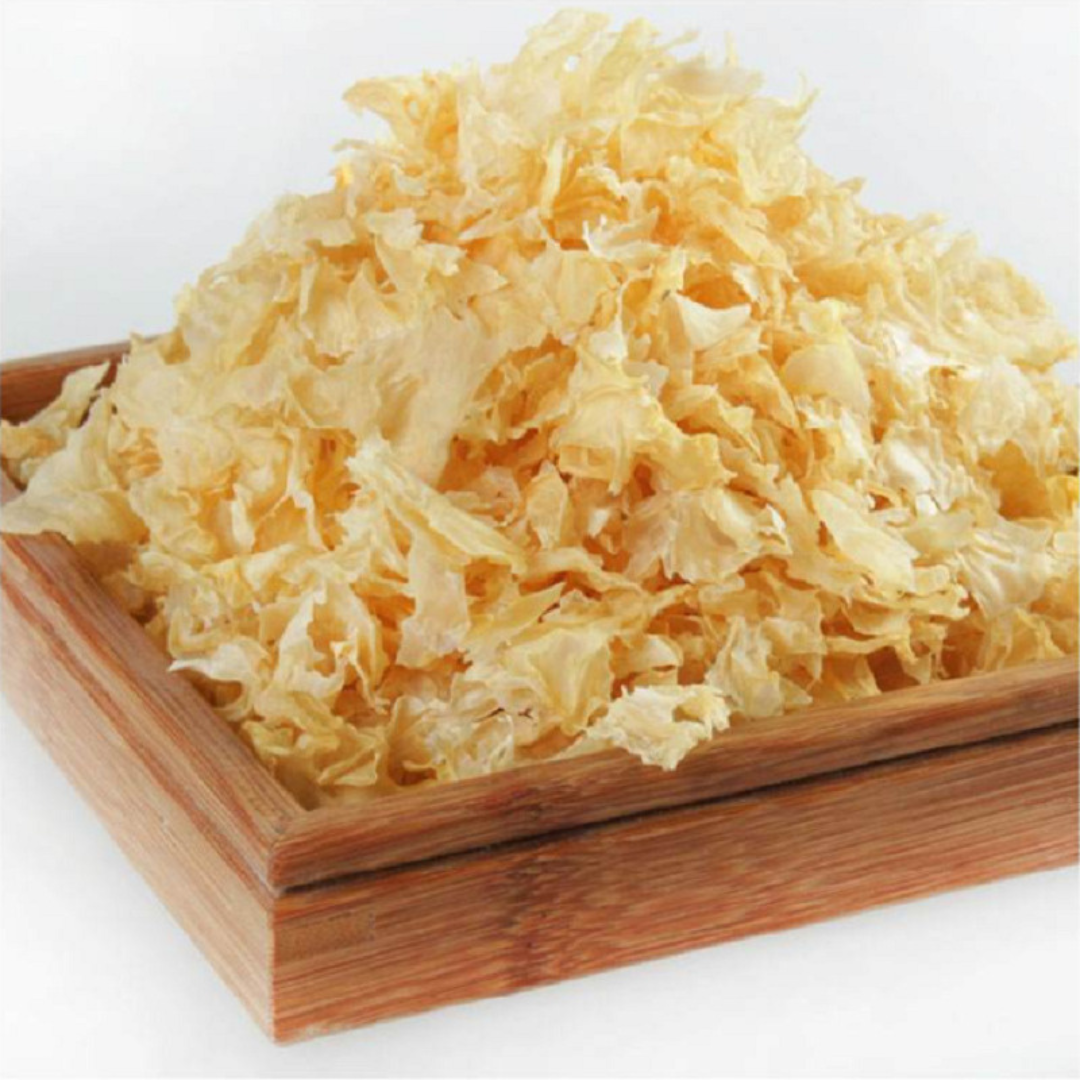
Tremella fuciformis, commonly known as white fungus, or snow fungus, is a species of fungus. It is cultivated for culinary and medicinal purposes. Dehydrated fungus silk is derived from fresh Tremella fuciformis through a drying process. This concentrates its natural polysaccharides and nutrients. The drying process also extends the shelf life and retains its unique texture.
Production Process
The production of dehydrated fungus silk begins with the careful selection of mature Tremella fuciformis mushrooms. The mushrooms are then thoroughly cleaned to remove any residual substrate. After cleaning, the mushrooms are sliced or shredded into thin, silk-like strands. These strands are then spread evenly on trays, and dried using hot air for several hours. This process reduces the moisture content to a level that inhibits microbial growth, which ensures the product's stability. Regular monitoring of temperature and humidity during the drying phase is critical to maintain the color, texture, and nutritional properties of the fungus silk. The dried fungus silk is then sorted to remove any discolored or damaged pieces, and subsequently packaged.
Product Applications
Dehydrated fungus silk is versatile in various applications. In culinary uses, it is commonly added to soups and desserts for its unique gelatinous texture and subtle flavor. After rehydration, it absorbs flavors well, making it a good addition to savory and sweet dishes. It is often used in traditional Chinese desserts. In the beverage industry, it can be incorporated into functional drinks and teas for texture and potential health benefits. Fungus silk, is also utilized in skincare formulations for its hydrating and antioxidant properties, specifically polysaccharides that help retain moisture on the skin and protect against environmental damage [1].
Packaging and Storage
Proper packaging is essential for preserving the quality of dehydrated fungus silk. It is typically packaged in airtight, moisture-proof containers, or vacuum-sealed bags to prevent moisture absorption and oxidation. These containers are often made of food-grade plastic or aluminum foil. For optimal storage, the product should be kept in a cool, dry place, away from direct sunlight and strong odors [2]. The ideal storage temperature is between 10-20°C (50-68°F) with relative humidity below 60%. Under these conditions, dehydrated fungus silk can maintain its quality for up to 12-18 months. Proper storage helps prevent the growth of mold and bacteria, which could compromise the product's safety and quality [3].
Citations:
[1] Yue, X., Zhang, H., Zhang, Y., & Li, J. (2014). Tremella fuciformis polysaccharide exerts antioxidative and anti-aging effects in KM mice and Drosophila melanogaster. Evidence-Based Complementary and Alternative Medicine, 2014.
[2] Fellows, P. J. (2009). Food processing technology: Principles and practice. Woodhead Publishing.
[3] Rahman, M. S. (Ed.). (2007). Handbook of food preservation. CRC press.

As a sales manager, I’m here to make sure you get exactly what you need for your dietary supplements. From sourcing to delivery, I’m always by your side, ensuring smooth and friendly service. Let’s make your products even better! 🥰🌿