

Product Introduction
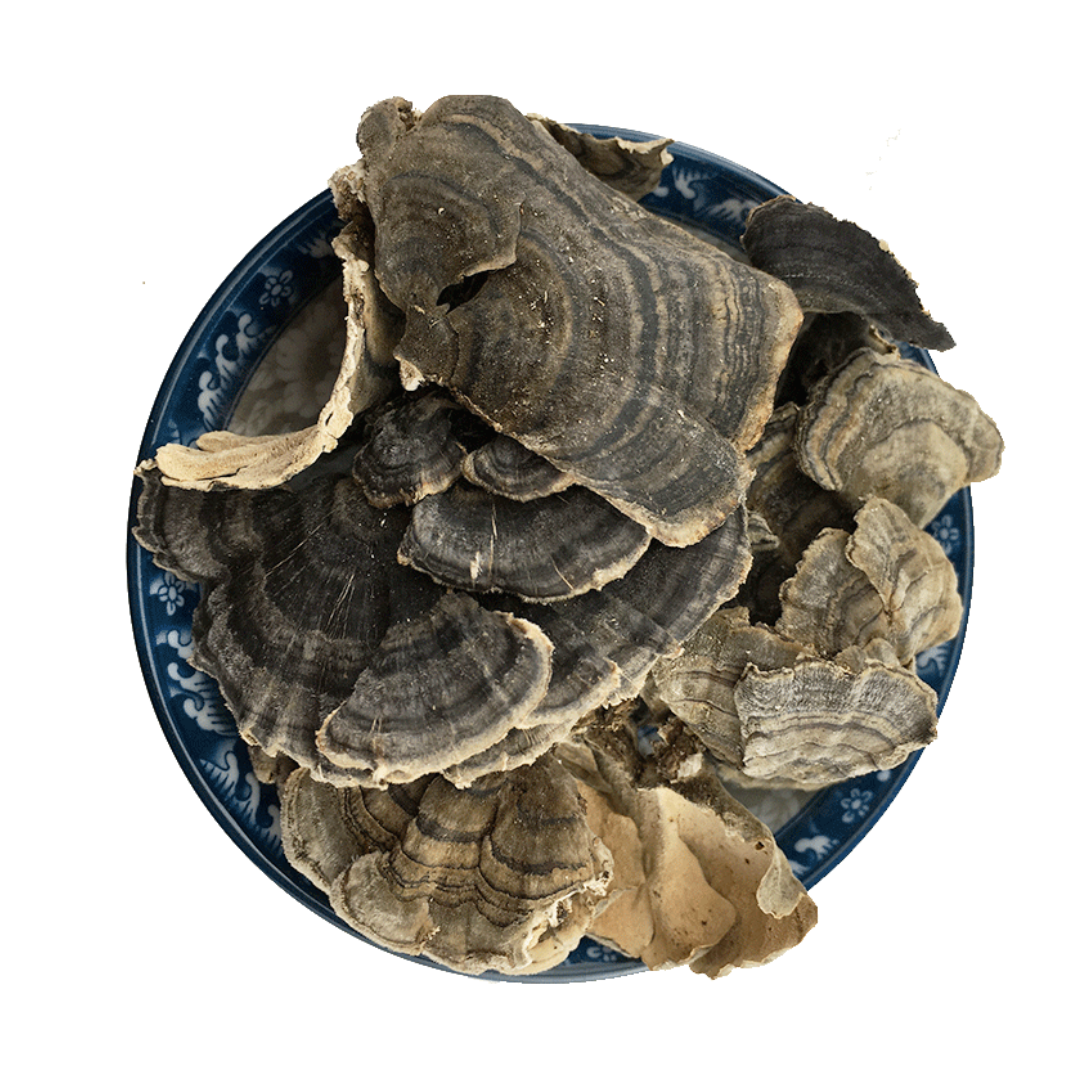
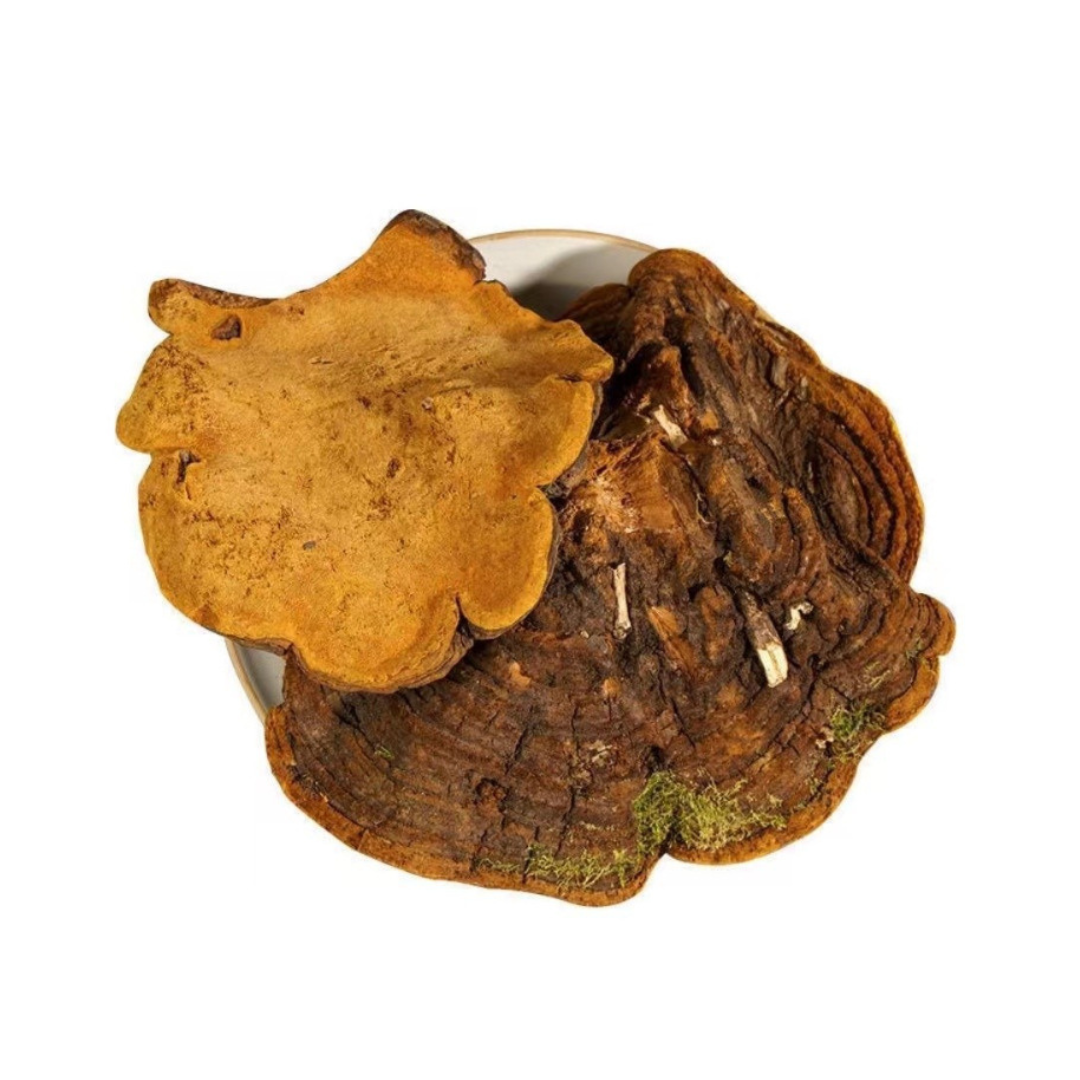
Phellinus igniarius, commonly known as Tinder Fungus, is a medicinal mushroom found on various trees, such as willow, alder, and birch [1]. This fungus is globally recognized, and its uses have been documented throughout history [2]. Traditional medicine practices often utilize Phellinus igniarius for its purported health benefits. Modern research explores these historical applications to understand the fungus's potential therapeutic properties [3]. The dehydrated form of Phellinus igniarius concentrates its active components, making it suitable for supplements, extracts, and further research.
Production Process
The production of dehydrated Phellinus igniarius begins with the careful selection of mature fruiting bodies. The harvested Phellinus igniarius undergoes a cleaning process to remove debris. The material is then sliced into smaller pieces to facilitate efficient drying. Drying methods vary, but air-drying and low-temperature oven drying are common, taking place in controlled environments. After drying, the material is milled into a coarse powder or kept as small fragments, according to product specifications. Quality control checks ensure consistent quality and purity. Proper packaging protects the final product from moisture and light, maintaining its integrity.
Product Applications
Dehydrated Phellinus igniarius is primarily used in traditional medicine, particularly in East Asia. It is also used in dietary supplements, often in capsule or powder form. Further applications include scientific research which aims to isolate and study its bioactive compounds. Extracts derived from the dehydrated material are used in various health products. These extractions are believed to support immune function and overall wellness [4]. The applications reflect historical use and contemporary research into the fungus's potential benefits.
Packaging and Storage
Proper packaging protects the quality of dehydrated Phellinus igniarius. Airtight containers prevent moisture absorption, which is critical for maintaining its integrity. Dark containers or opaque packaging reduce exposure to light, preserving its bioactive compounds. It should be stored in a cool, dry place to prevent degradation, which ensures a longer shelf life. Proper storage conditions are essential for maintaining the product's quality and efficacy. Packaging also includes labeling with information on the product's origin, processing date, and recommended storage conditions, providing transparency.
Citations:
[1] Ulbricht, C., et al. "An Evidence-Based Systematic Review of Phellinus igniarius by the Natural Standard Research Collaboration." Journal of Dietary Supplements 8.3 (2011): 283-319.
[2] Wasser, S.P. "Medicinal mushrooms as a source of antitumour and immunomodulating polysaccharides." Applied Microbiology and Biotechnology 60.3 (2002): 258-274.
[3] Kim, H.M., et al. "Anti-inflammatory and anti-nociceptive effects of methanolic extract from Phellinus igniarius." Journal of Ethnopharmacology 112.1 (2007): 90-96.
[4] Park, Y.K., et al. "Antioxidant and anticancer activities of extracts from the medicinal mushroom Phellinus linteus." Cancer Biology & Therapy 3.7 (2004): 637-644.

As a sales manager, I’m here to make sure you get exactly what you need for your dietary supplements. From sourcing to delivery, I’m always by your side, ensuring smooth and friendly service. Let’s make your products even better! 🥰🌿