

Product Introduction
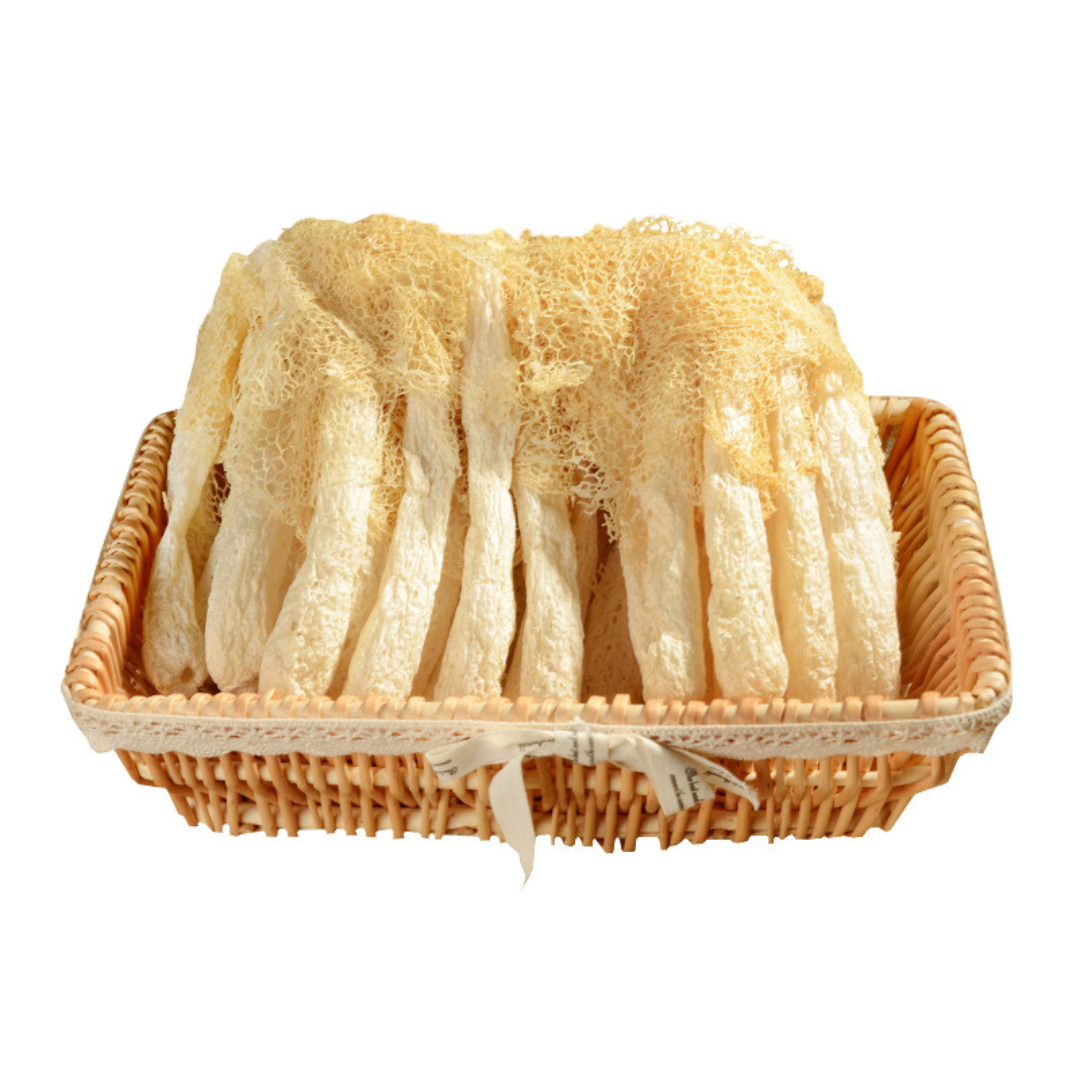
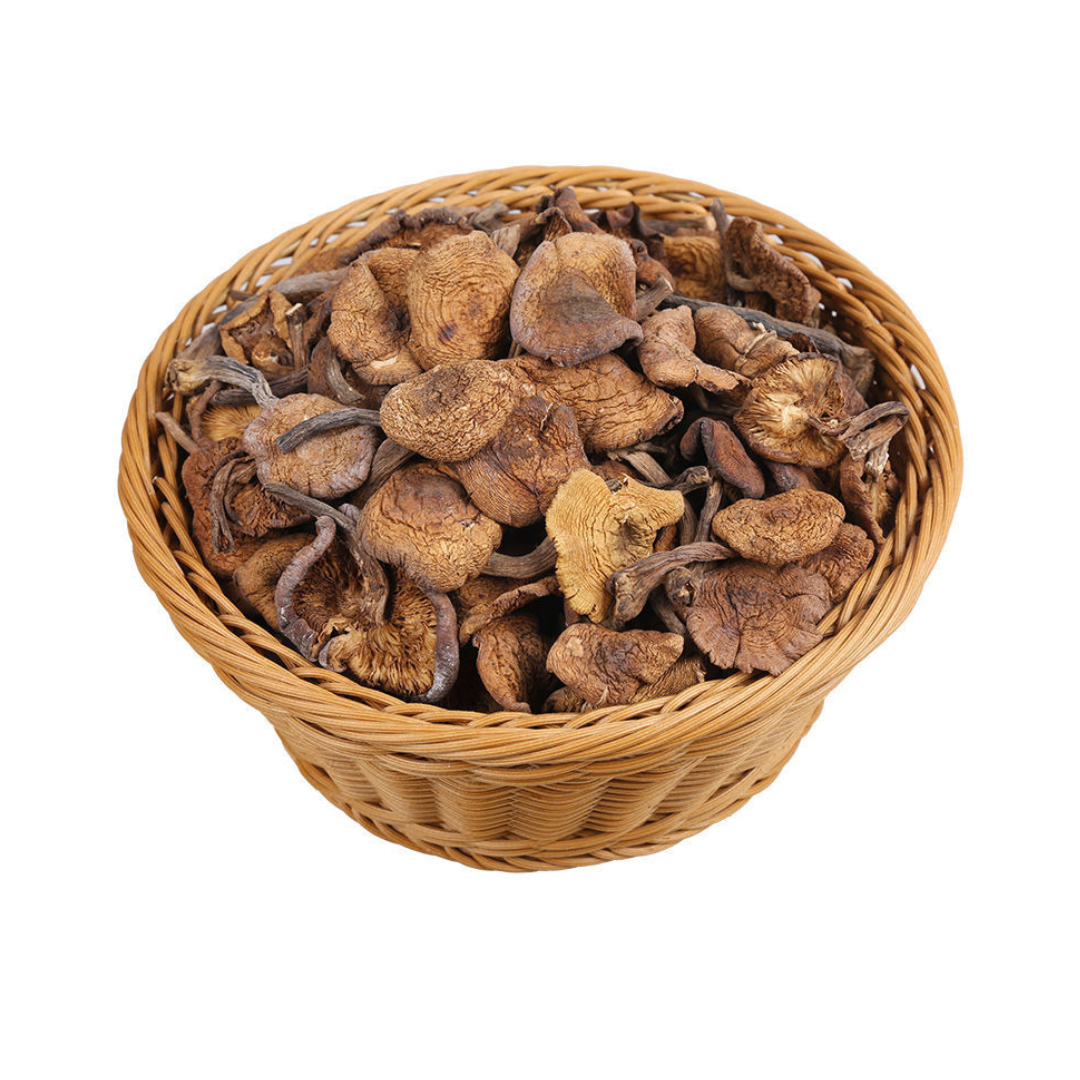
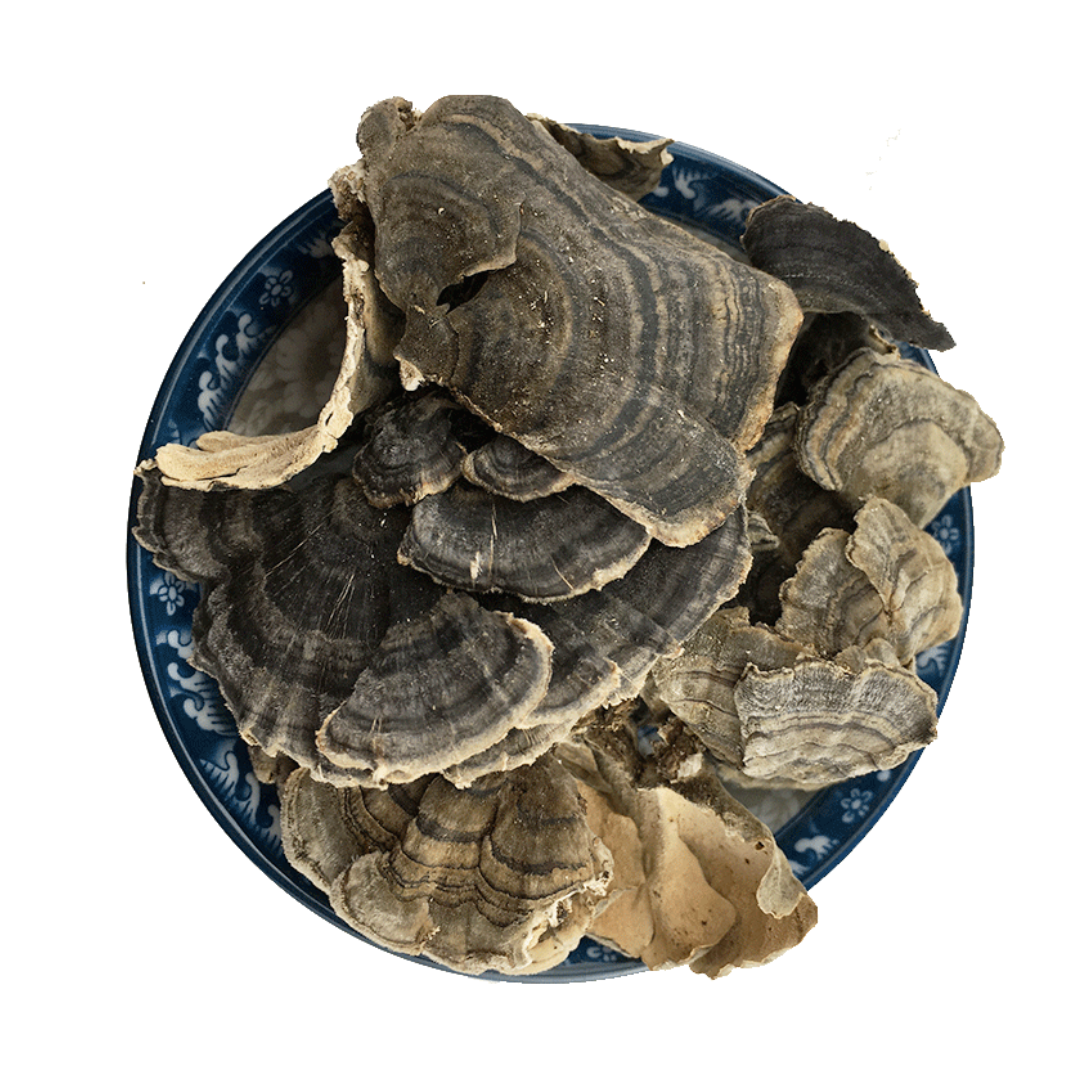
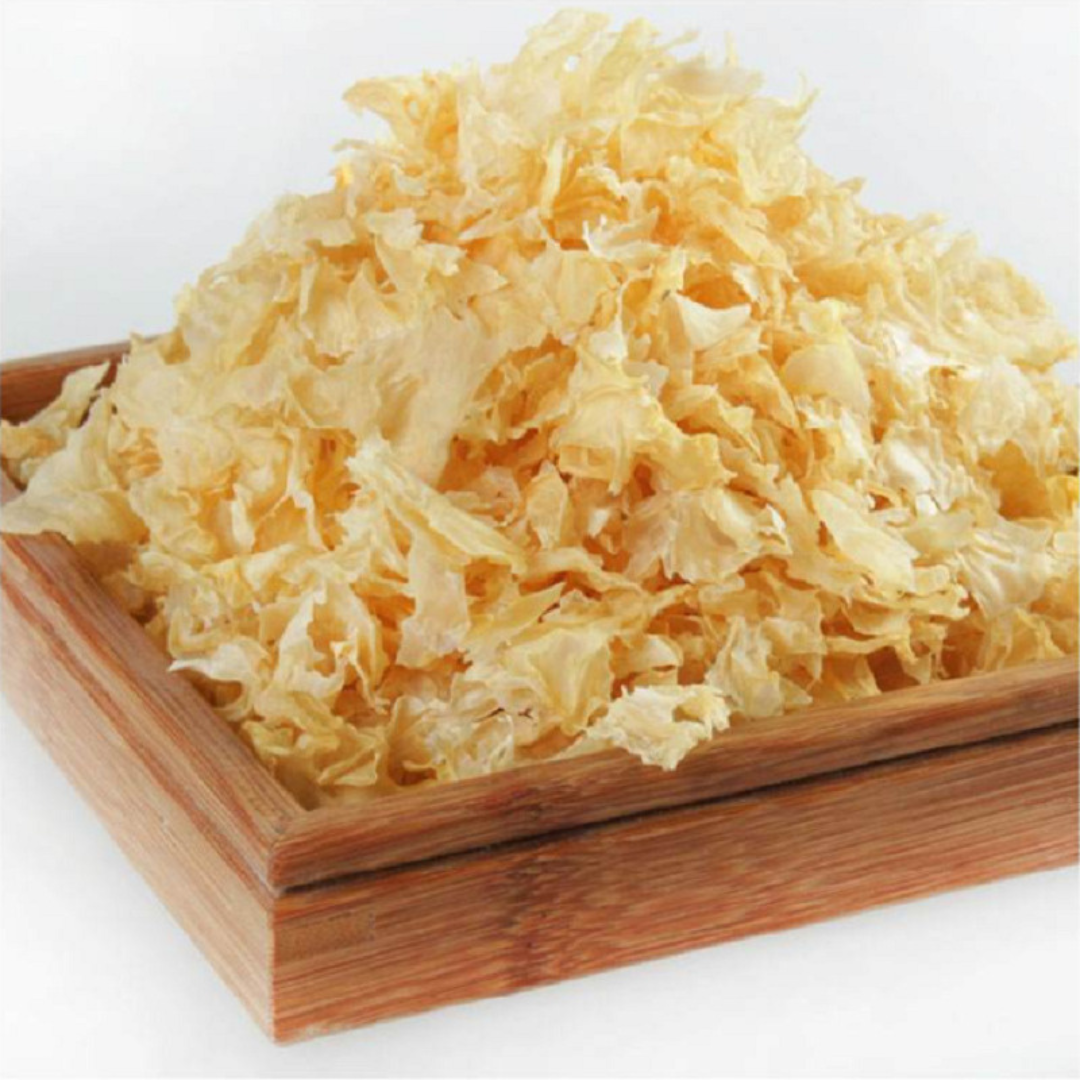
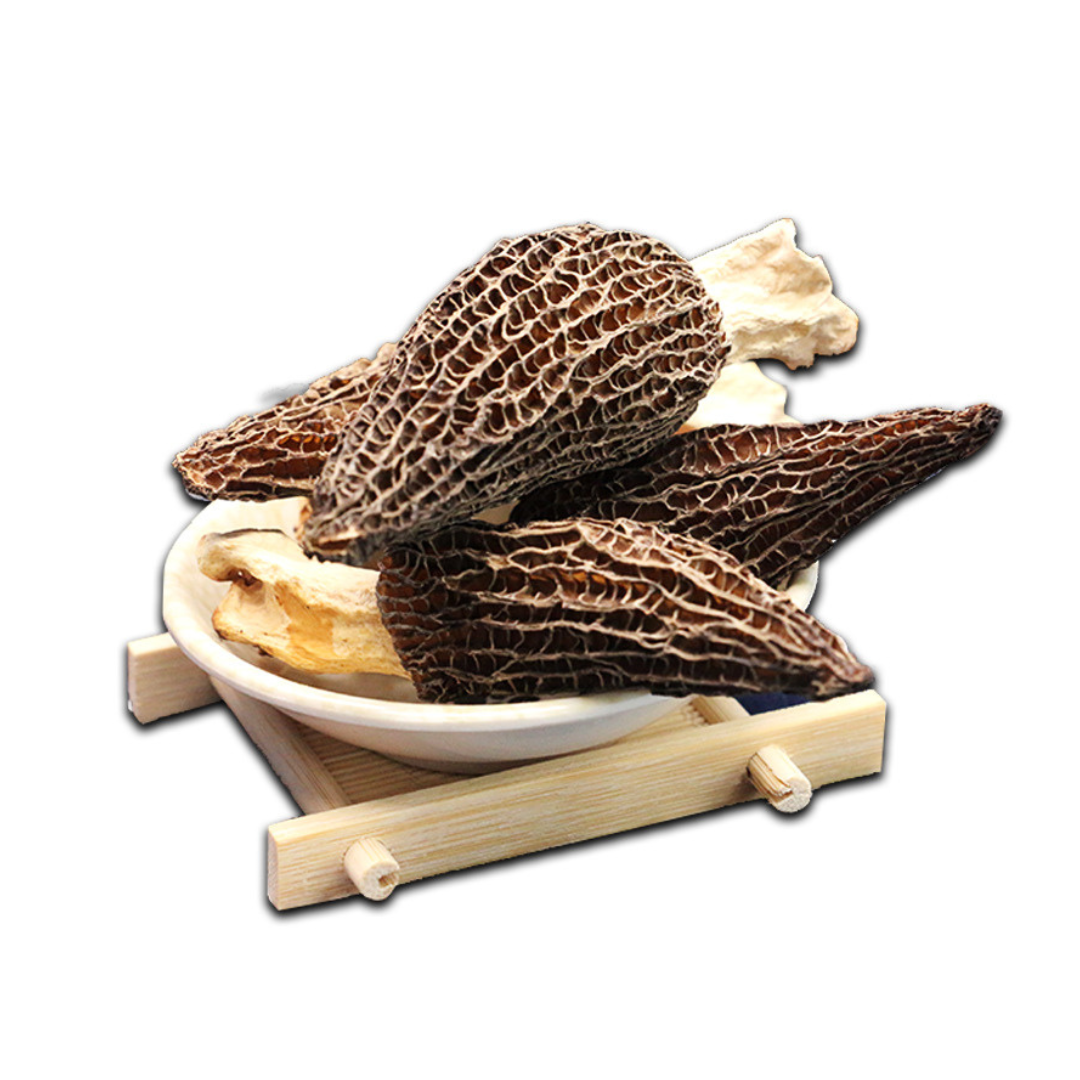
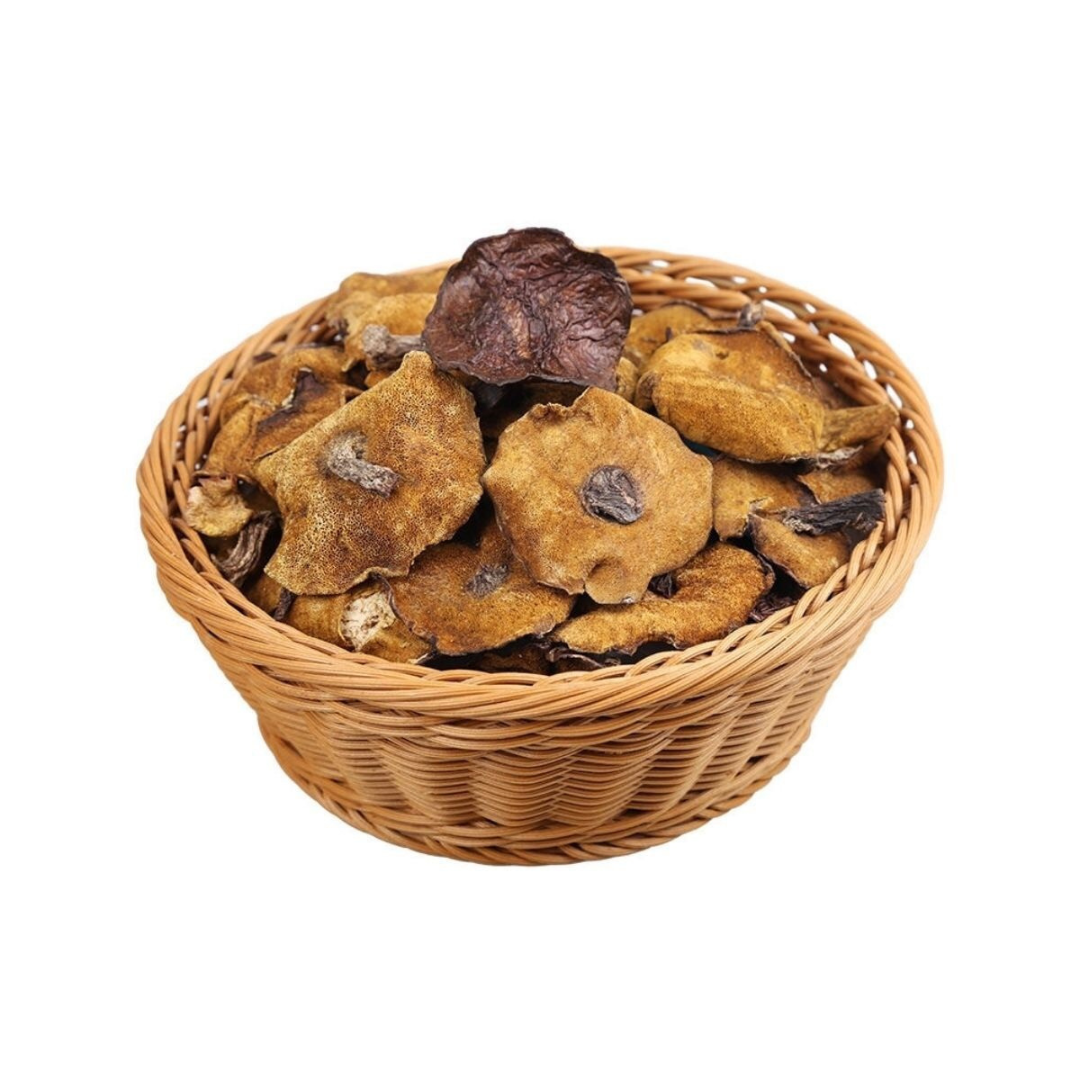
The dehydrated pine mushroom, also known as matsutake is a highly prized ingredient in many cuisines, especially Japanese, Korean, and Chinese. The mushroom is known for its unique spicy and aromatic scent, reminiscent of pine trees, from which it derives its common name. These mushrooms are mycorrhizal, meaning they form a symbiotic relationship with the roots of specific trees, particularly pine trees. This relationship makes them challenging to cultivate commercially, adding to their rarity and high market value. Dehydration serves as an effective preservation method, concentrating the flavor and extending the shelf life of this sought-after delicacy.
Production Process
The production of dehydrated pine mushrooms involves several key steps to ensure a high-quality final product. It begins with careful selection and harvesting of fresh pine mushrooms, which are often found in the autumn months. Once harvested, the mushrooms are meticulously cleaned to remove any soil, pine needles, or debris without damaging their delicate structure. Following cleaning, the mushrooms are sliced to a uniform thickness to promote consistent drying. Depending on the desired quality and texture, the mushrooms may undergo air-drying, vacuum-drying, or freeze-drying.
Air-drying is a traditional method where the mushrooms are placed on trays in a well-ventilated area with controlled temperature and humidity. Vacuum-drying involves placing the mushrooms in a vacuum chamber to lower the boiling point of water, allowing for faster drying at lower temperatures, which helps preserve flavor and aroma. Freeze-drying, or lyophilization, the most advanced method, involves freezing the mushrooms and then subjecting them to a vacuum to sublimate the ice directly into vapor, resulting in minimal shrinkage and superior preservation of the mushroom's original characteristics and volatile compounds. After drying, the mushrooms are sorted, graded, and packaged in airtight containers to prevent moisture absorption and maintain product integrity.
Product Applications
Dehydrated pine mushrooms are a versatile ingredient that can enhance a variety of culinary dishes. Before use, the mushrooms typically require rehydration, which can be achieved by soaking them in warm water for about 20 to 30 minutes, or until they regain their plumpness. The rehydrated mushrooms can then be sliced or used whole, depending on the recipe requirements. One of the most common applications is in soups and stews, where the mushrooms impart a rich, umami flavor and a distinctive aroma. They are also frequently used in rice dishes, such as Takikomi gohan (Japanese mixed rice), where their flavor infuses the entire dish.
In addition to soups and rice, dehydrated pine mushrooms can be used in sauces, broths, and stir-fries. They pair well with seafood, poultry, and vegetarian dishes, adding a depth of flavor that complements other ingredients. The soaking liquid from the rehydration process can also be reserved and used as a flavorful broth base. The dehydrated form is particularly advantageous for chefs and home cooks who want to have this specialty ingredient on hand year-round, without the risk of spoilage associated with fresh mushrooms.
Packaging and Storage
Proper packaging and storage are crucial to maintaining the quality and extending the shelf life of dehydrated pine mushrooms. The mushrooms should be packaged in airtight, moisture-proof containers to prevent them from absorbing moisture from the environment, which can lead to spoilage and loss of flavor. Vacuum-sealed bags or airtight jars are commonly used for packaging, as they provide an effective barrier against moisture and air. The packaging material should also be opaque or kept in a dark place to protect the mushrooms from light, which can degrade their color and flavor over time.
Storage conditions are equally important, dehydrated pine mushrooms should be stored in a cool, dry, and dark place, away from direct sunlight and heat sources. The ideal storage temperature is between 10°C and 20°C (50°F and 68°F). High humidity levels should be avoided, as they can cause the mushrooms to rehydrate and spoil. Properly stored dehydrated pine mushrooms can maintain their quality for up to 12-18 months. Regularly checking the packaging for any signs of damage or moisture is recommended to ensure the product remains in optimal condition.
Citations
- Kirk, P.M., Cannon, P.F., Minter, D.W., & Stalpers, J.A. (2008). Dictionary of the Fungi (10th ed.). CAB International.
- Arora, D. (1986). Mushrooms Demystified. Ten Speed Press.
- Boa, E. (2004). Wild Edible Fungi: A global overview of their use and importance to people. Food and Agriculture Organization of the United Nations.

As a sales manager, I’m here to make sure you get exactly what you need for your dietary supplements. From sourcing to delivery, I’m always by your side, ensuring smooth and friendly service. Let’s make your products even better! 🥰🌿