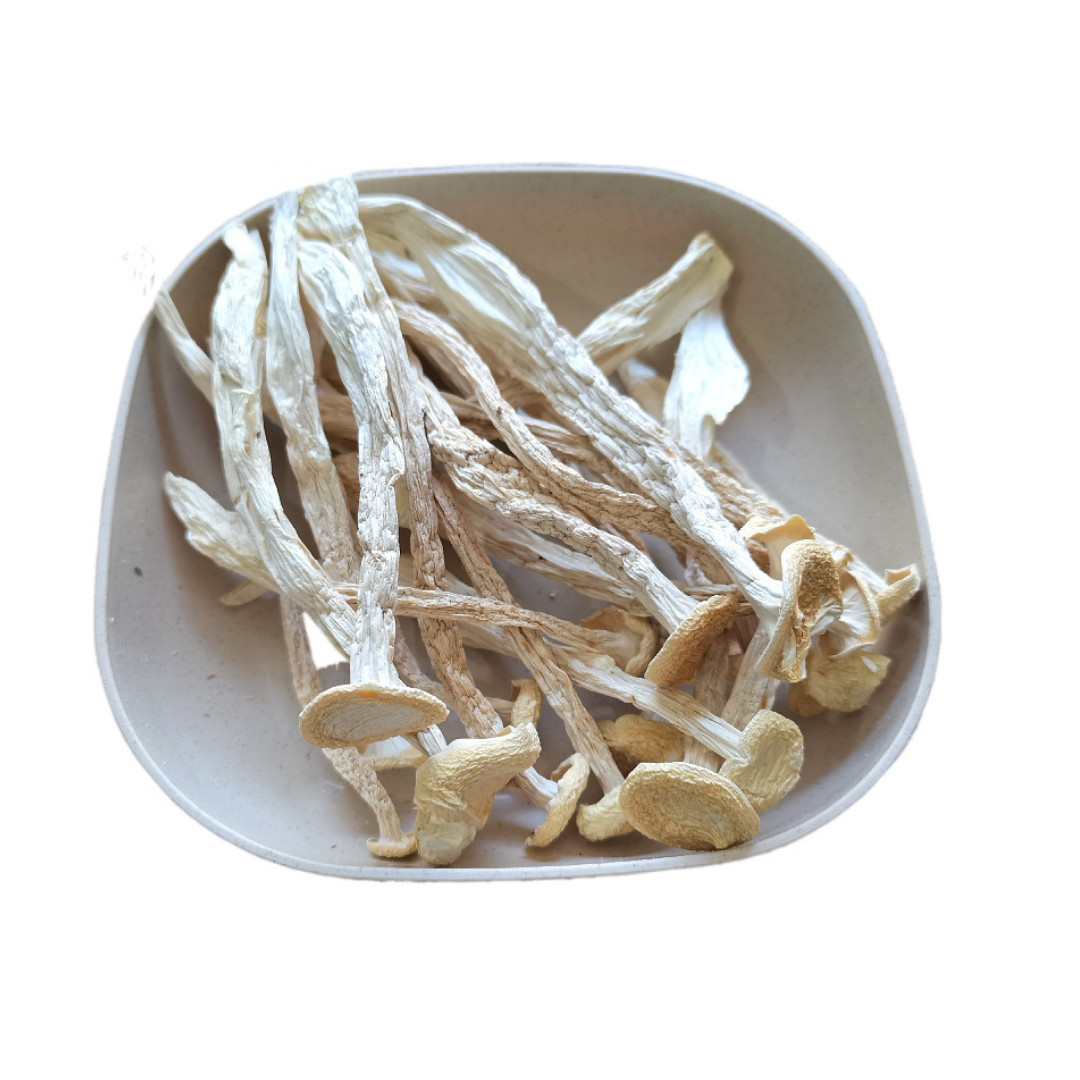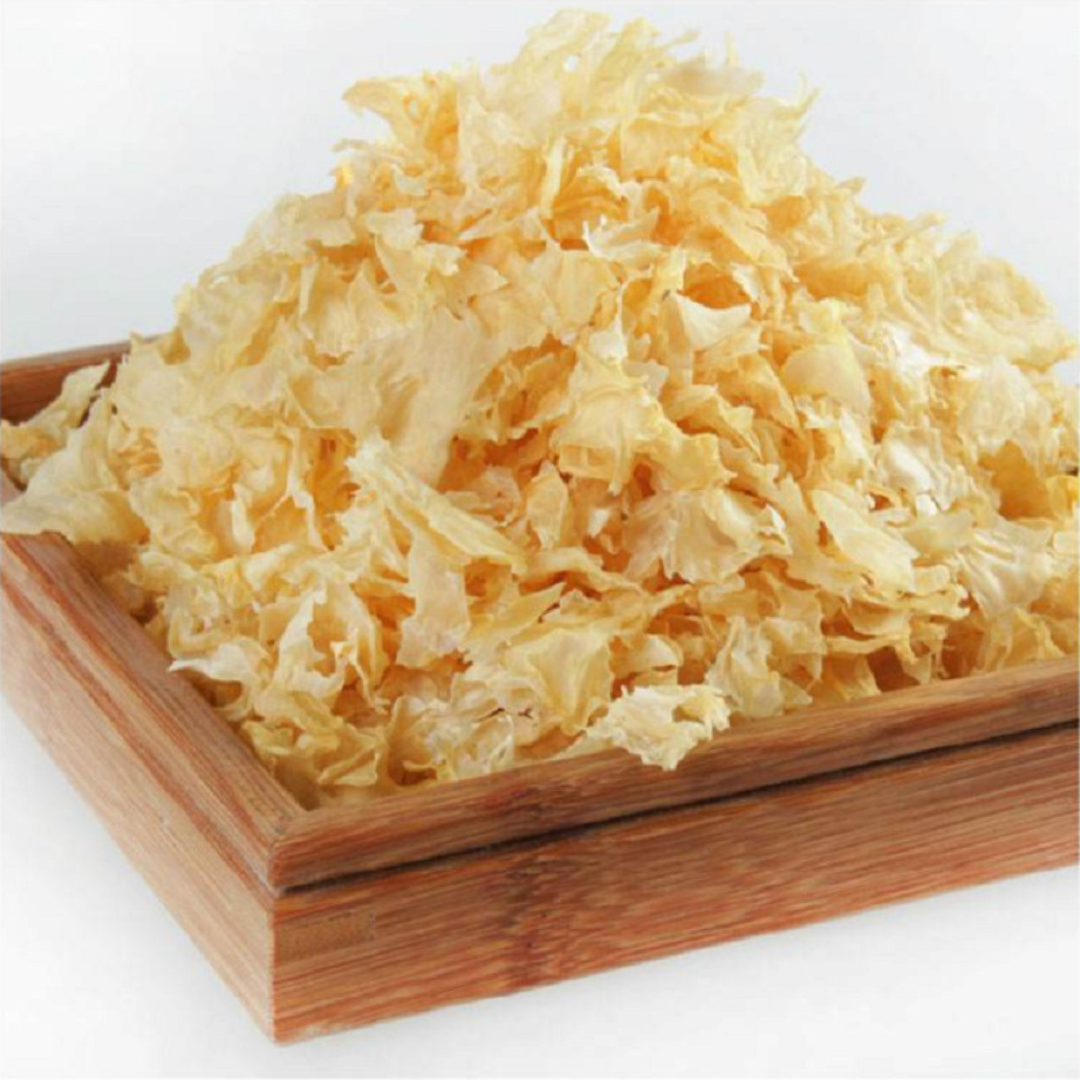


Product Introduction
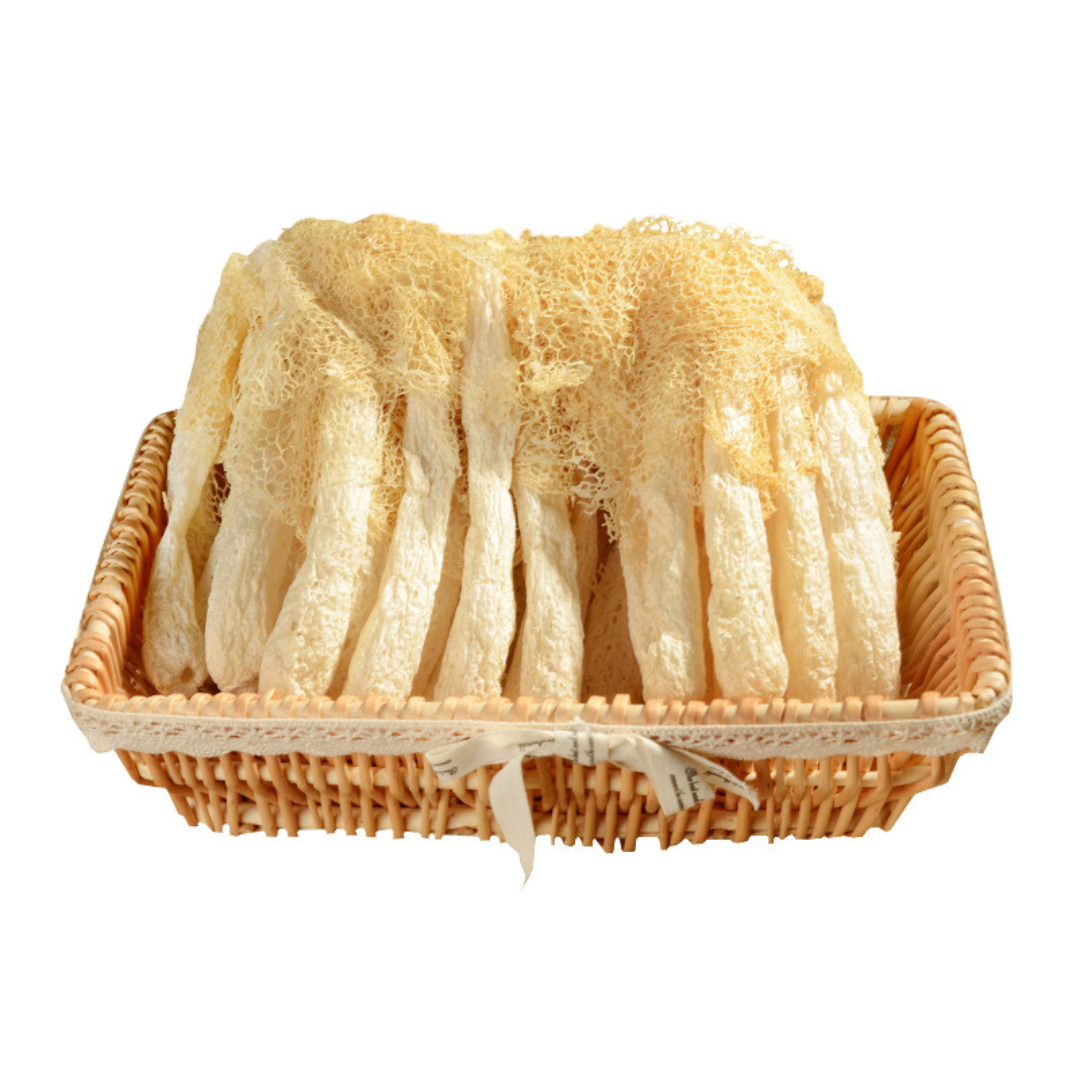
Dehydrated tremella mushroom, derived from Tremella fuciformis, is prized for its unique texture, and potential health benefits. This edible fungus, found in subtropical and tropical regions, has been used for centuries, particularly in traditional Chinese medicine, and cuisine [1]. The dehydration process allows for convenient storage and use, without significantly compromising the mushroom's inherent properties. Tremella contains various bioactive compounds, including polysaccharides, which contribute to its potential use as a functional food ingredient [2].
Production Process
The production of dehydrated tremella involves several key steps, beginning with the cultivation of Tremella fuciformis. Optimal growing conditions, including controlled temperature and humidity, are essential for high-quality yield, and consistent product characteristics [3]. Once harvested, the fresh tremella mushrooms are thoroughly cleaned to remove any substrate, or impurities. Next, the cleaned mushrooms undergo a drying process, which typically involves air-drying or freeze-drying. Air-drying is a more traditional method, that utilizes controlled airflow to reduce moisture content. Freeze-drying, also known as lyophilization, involves freezing the tremella, and then subjecting it to a vacuum, causing the ice crystals to sublimate directly into vapor, and bypass the liquid phase [4]. Freeze-drying helps to better preserve the mushroom's structure, color, and nutritional compounds. After drying, the tremella is inspected for quality, sorted, and then packaged for distribution.
Product Applications
Dehydrated tremella finds application as a culinary ingredient, and as a component in skincare formulations. When rehydrated, it exhibits a gelatinous texture, making it a popular addition to soups, desserts, and beverages, particularly in Asian cuisine [5]. It is often used in sweet soups, and tonics, believed to promote skin hydration, and overall well-being [6]. In the skincare industry, tremella extract is valued for its moisturizing properties, it is often included in creams, masks, and serums, and is marketed for its ability to improve skin hydration, and reduce the appearance of fine lines [7]. The polysaccharides present in tremella are thought to contribute to its moisturizing effects, by helping the skin retain water [8].
Packaging and Storage
Proper packaging and storage are crucial for maintaining the quality, and extending the shelf life of dehydrated tremella. The product should be packaged in airtight, moisture-proof containers, such as sealed bags, or jars, to prevent moisture absorption [9]. Exposure to moisture can lead to spoilage, discoloration, and a loss of desirable texture. It is recommended to store the packaged tremella in a cool, dry place, away from direct sunlight, and sources of heat. Ideal storage conditions involve a temperature below 25°C, and relative humidity below 65% [10]. Under these conditions, dehydrated tremella can typically maintain its quality for 12-24 months.
Citations
[1] Ooi, V. E., & Liu, F. (2000). Immunomodulation and anti-cancer activity of polysaccharide-protein complexes. Current medicinal chemistry, 7(7), 715-729.
[2] Cheung, P. C. K. (2008). Mushrooms as functional foods. John Wiley & Sons.
[3] Ruan, C., Yang, X., Ito, S. I., & Zhang, J. (2021). An overview of the bioactive potential of Tremella fuciformis. Foods, 10(9), 2083.
[4] Ciurzyńska, A., Lenart, A., & Jeleń, P. (2014). Freeze-drying—application in food processing. Polish Journal of Food and Nutrition Sciences, 64(3), 165-171.
[5] Chang, S. T., & Miles, P. G. (2004). Mushrooms: cultivation, nutritional value, medicinal effect, and environmental impact. CRC press.
[6] Wasser, S. P. (2011). Hericium erinaceus (Lion’s Mane): A medicinal mushroom from high to low latitudes. International Journal of Medicinal Mushrooms, 13(6).
[7] Pilkington, S. M., Massey, K. A., Lane, M. E., & Watson, R. E. B. (2009). The trehalose moiety: A versatile tool for topical applications. Journal of Cosmetic Dermatology, 8(1), 17-24.
[8] Nakajima, Y., Kitamura, K., Ishikawa, F., & Yoshimura, Y. (2019). Glycosaminoglycan-like activities of polysaccharides produced by Tremella fuciformis. Journal of Applied Glycoscience, 66(2), 49-54.
[9] Fellows, P. J. (2009). Food processing technology: principles and practice. Woodhead Publishing.
[10] Labuza, T. P. (1982). Shelf life dating of foods. Food & Nutrition Press.

As a sales manager, I’m here to make sure you get exactly what you need for your dietary supplements. From sourcing to delivery, I’m always by your side, ensuring smooth and friendly service. Let’s make your products even better! 🥰🌿