

Product Introduction
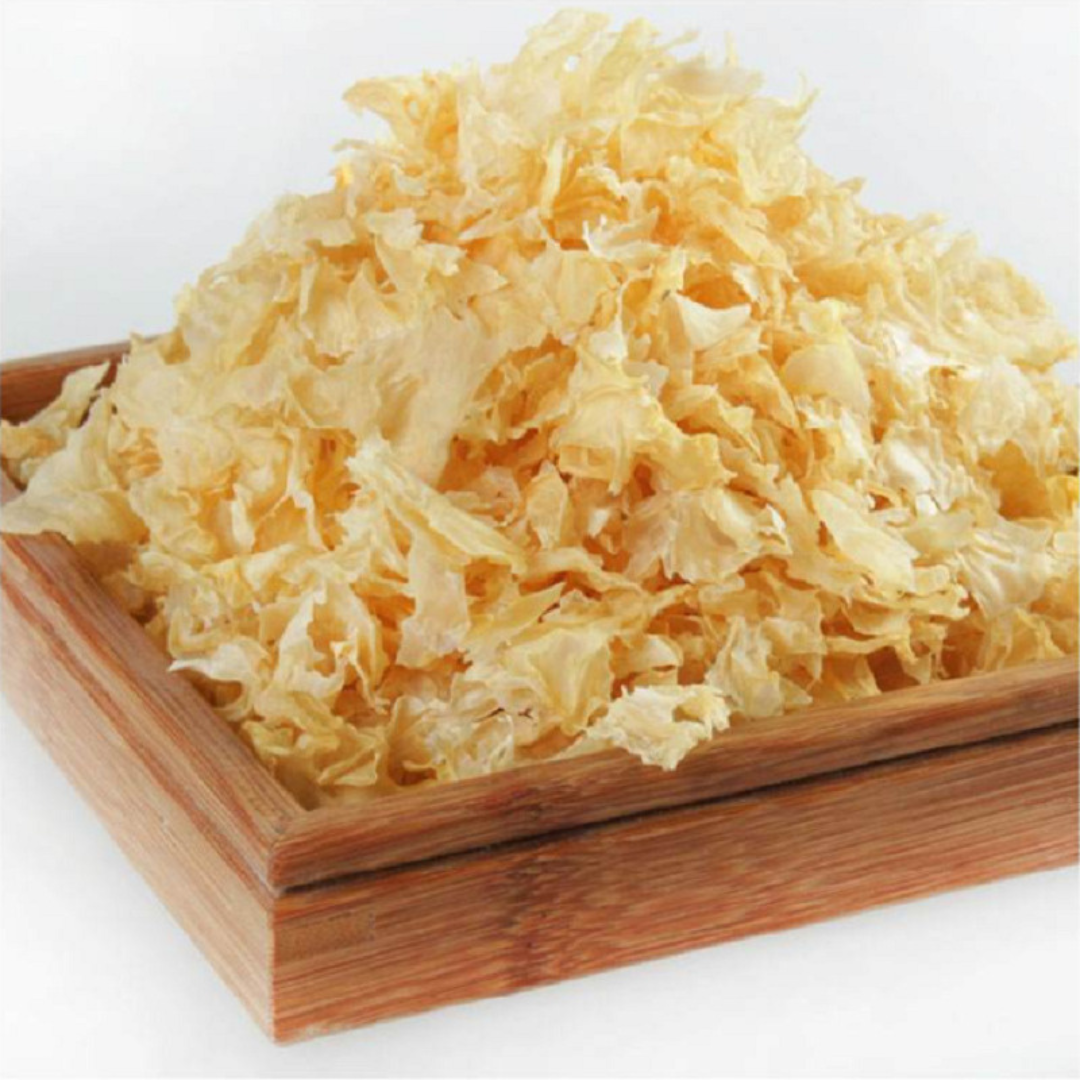
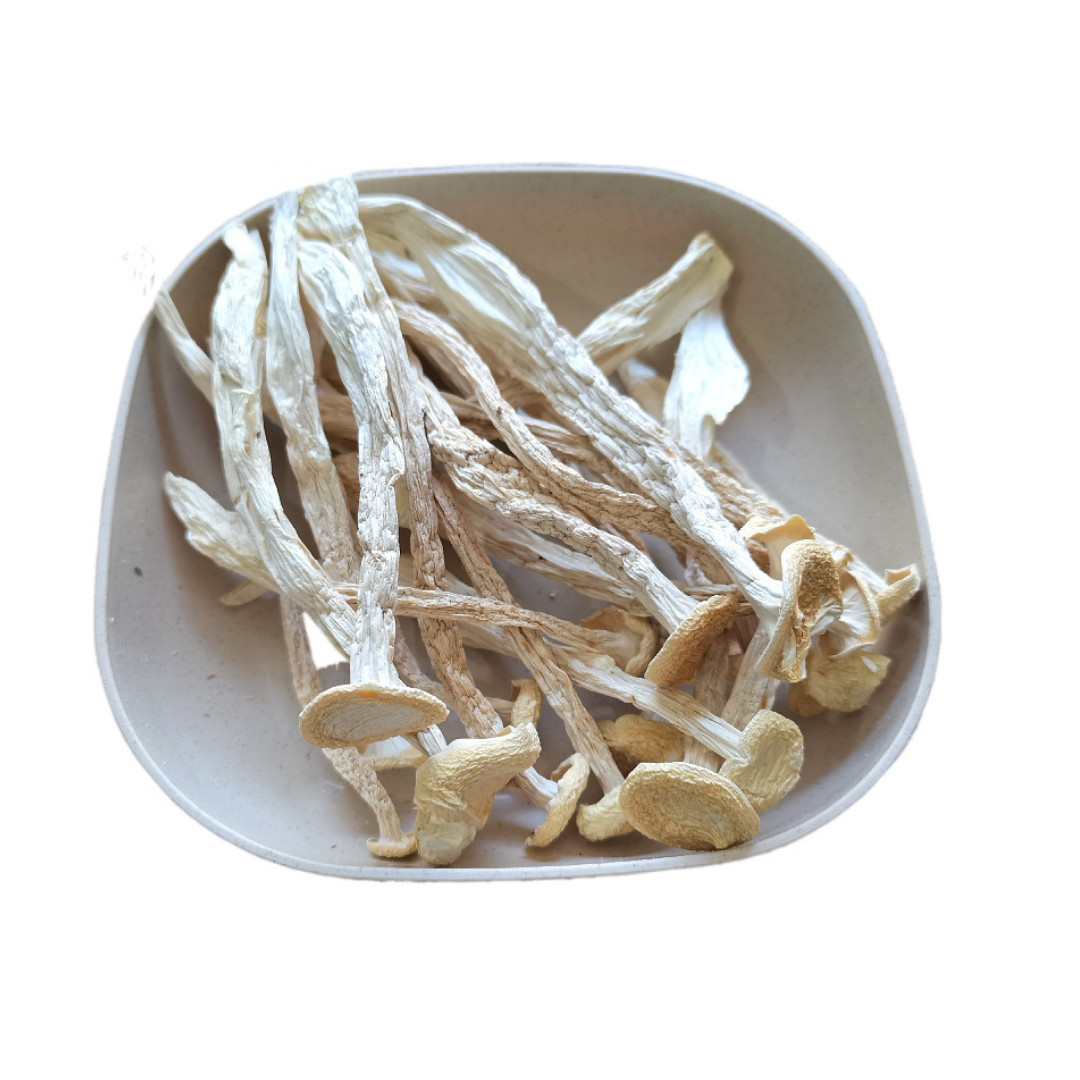
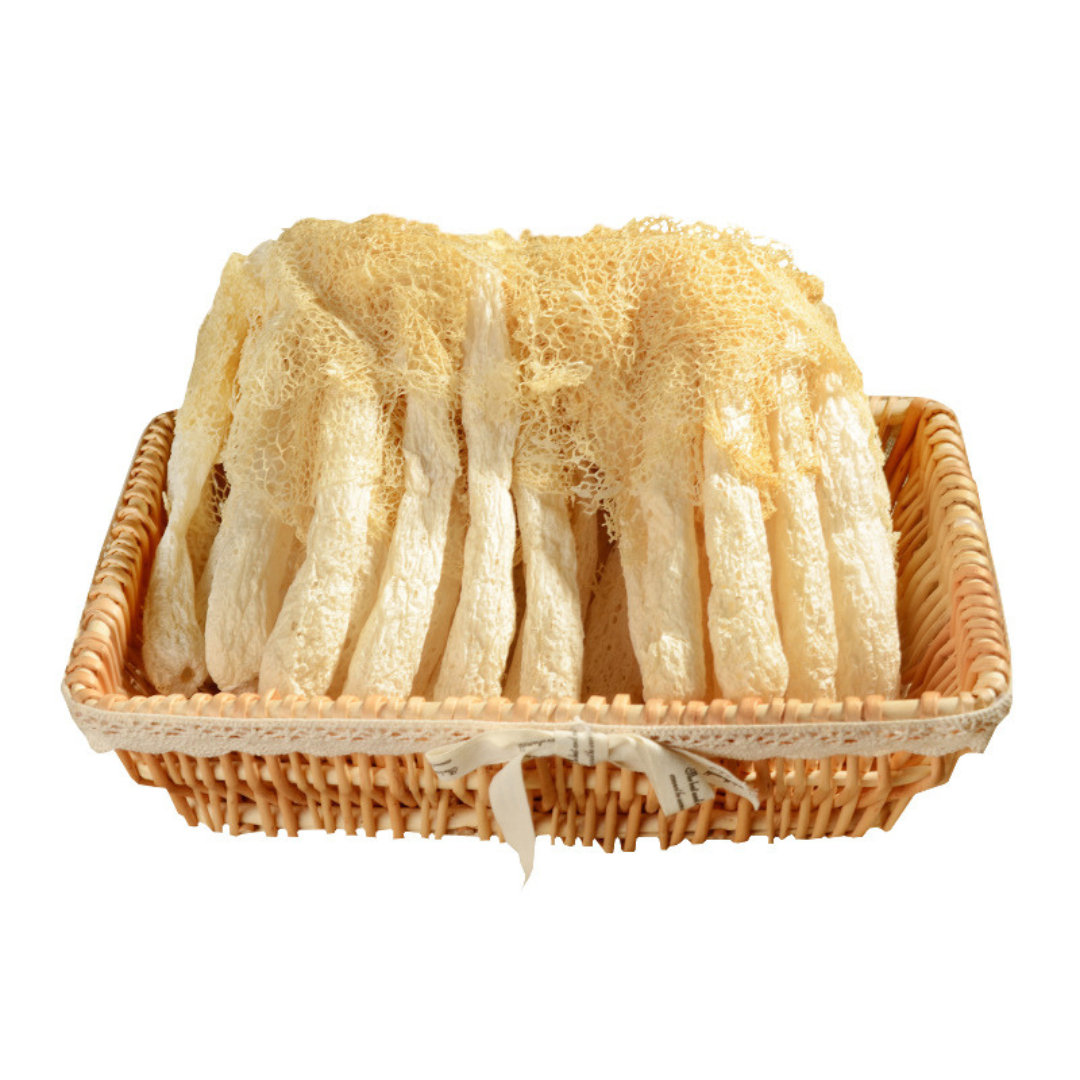
Dictyophora indusiata, commonly known as bamboo fungus, bamboo mushroom, or veiled lady mushroom, is an edible fungus appreciated for its unique texture, nutritional profile, and culinary applications. This mushroom is characterized by its distinctive lacy skirt, or indusium, which hangs from the cap. The dehydrated Dictyophora retains many of the characteristics of the fresh mushroom, making it a versatile ingredient in various culinary creations. Its mild, earthy flavor enhances a variety of dishes, and its use extends beyond the culinary world into traditional medicine. The drying process stabilizes it for preservation and allows for convenient storage and transportation, ensuring that this delicacy can be enjoyed year-round.
Production Process
The production of dehydrated Dictyophora involves several key steps to ensure a high-quality final product. The process begins with the careful selection of fresh Dictyophora mushrooms, where the specimens are chosen based on their maturity and physical integrity. After harvesting, the mushrooms are thoroughly cleaned to remove any soil or debris. Next, the mushrooms undergo a blanching process, which typically involves briefly steaming or dipping them in hot water, this step helps to preserve their color and prevent enzymatic browning during the subsequent drying stage.
Then, the blanched mushrooms are carefully arranged on trays for drying which can be achieved through various methods including air-drying, vacuum-drying, and freeze-drying. Air-drying is a traditional method that relies on circulating warm air to remove moisture, while vacuum-drying involves drying the mushrooms under reduced pressure, lowering the boiling point of water and facilitating faster drying at lower temperatures. Freeze-drying, also known as lyophilization, is often preferred for its superior preservation of flavor, color, and texture. This method involves freezing the mushrooms and then removing the ice through sublimation, which minimizes cellular damage.
After the drying process, the dehydrated Dictyophora mushrooms are sorted and graded based on size, color, and appearance; mushrooms that meet the established quality standards are then packaged. Quality control checks are performed throughout the entire process to ensure that the final product meets the required standards for moisture content, appearance, and microbial safety.
Product Applications
Dehydrated Dictyophora is a versatile ingredient with a wide range of culinary applications, it is commonly used in soups, where its delicate flavor and unique texture add depth and complexity to broths. In stir-fries, the rehydrated mushroom absorbs flavors well and contributes a slightly chewy texture, enhancing the overall dish. Vegetarian dishes benefit from the umami-rich flavor of Dictyophora, making it a popular ingredient in vegetarian and vegan cuisine. It has uses in traditional medicine due to its purported health benefits, and it is often included in various medicinal formulations. Before using, the dehydrated Dictyophora needs to be rehydrated by soaking it in water until it regains its original texture. This rehydration process typically takes about 20-30 minutes, depending on the thickness of the mushroom pieces and the temperature of the water.
Packaging and Storage
Proper packaging and storage are essential for maintaining the quality and extending the shelf life of dehydrated Dictyophora. The primary goal of packaging is to protect the dehydrated mushrooms from moisture, light, and air, all of which can degrade the product over time. Therefore, airtight containers, such as sealed bags or containers with tight-fitting lids, are commonly used, these containers prevent moisture absorption, which can lead to spoilage and loss of texture. Vacuum-sealed packaging is particularly effective, as it removes air from the package, further reducing the risk of oxidation and maintaining the mushroom’s flavor and color. The packaging material should also be opaque or light-resistant to protect the mushrooms from light exposure, which can cause discoloration and loss of nutrients.
For storage, the dehydrated Dictyophora should be kept in a cool, dry place. Ideal storage conditions include a consistent temperature between 15-25°C (59-77°F) and low humidity levels, as fluctuations in temperature and humidity can compromise the product's quality. Avoid storing the mushrooms near sources of heat or direct sunlight, as these can accelerate degradation. When stored properly, dehydrated Dictyophora can maintain its quality for up to 12-18 months, allowing for long-term use and enjoyment of this delicacy.
Citations:
Chang, S. T., & Wasser, S. P. (2012). The Cultivation and Medicinal Value of Culinary-Medicinal Mushrooms. ISME Journal, 6(8), 1463–1473.
https://www.researchgate.net/publication/51822963_The_cultivation_and_medicinal_value_of_culinary-medicinal_mushrooms
Li, Q., et al. (2018). Chemical Composition and Bioactivities of Dictyophora indusiata. International Journal of Medicinal Mushrooms, 20(7), 619–628.
https://www.dl.begellhouse.com/journals/708ae68d64b17c52.html

As a sales manager, I’m here to make sure you get exactly what you need for your dietary supplements. From sourcing to delivery, I’m always by your side, ensuring smooth and friendly service. Let’s make your products even better! 🥰🌿