Product Introduction
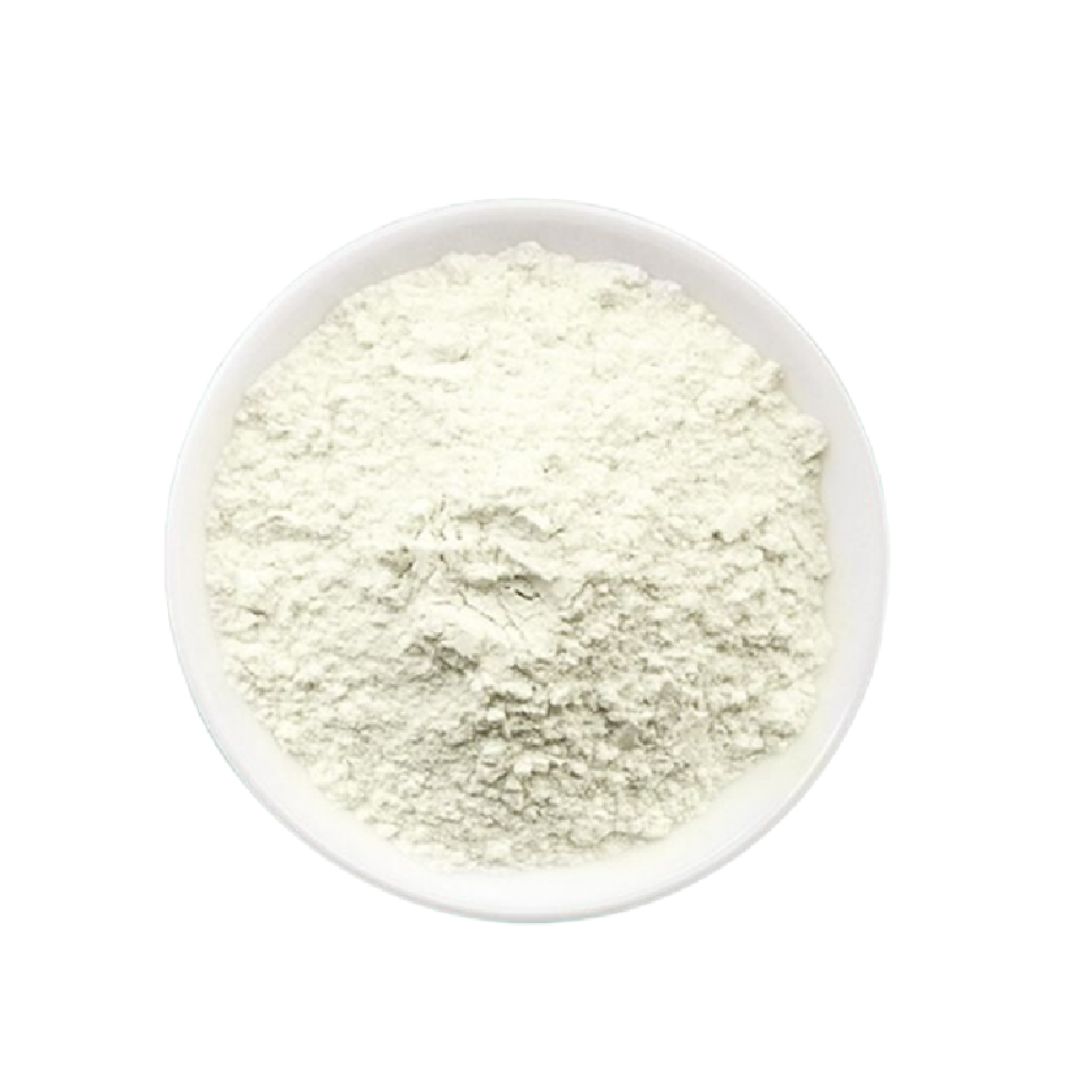
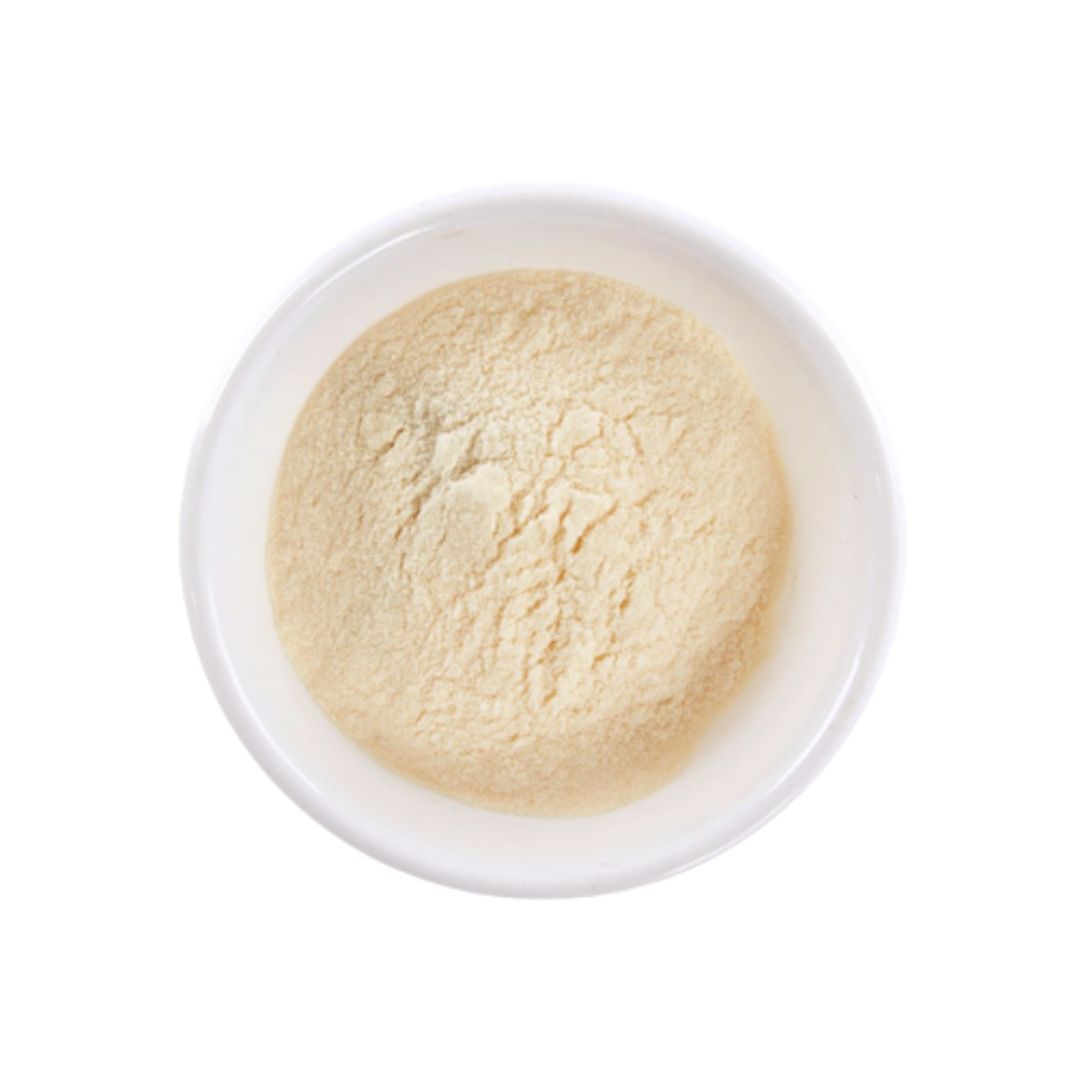
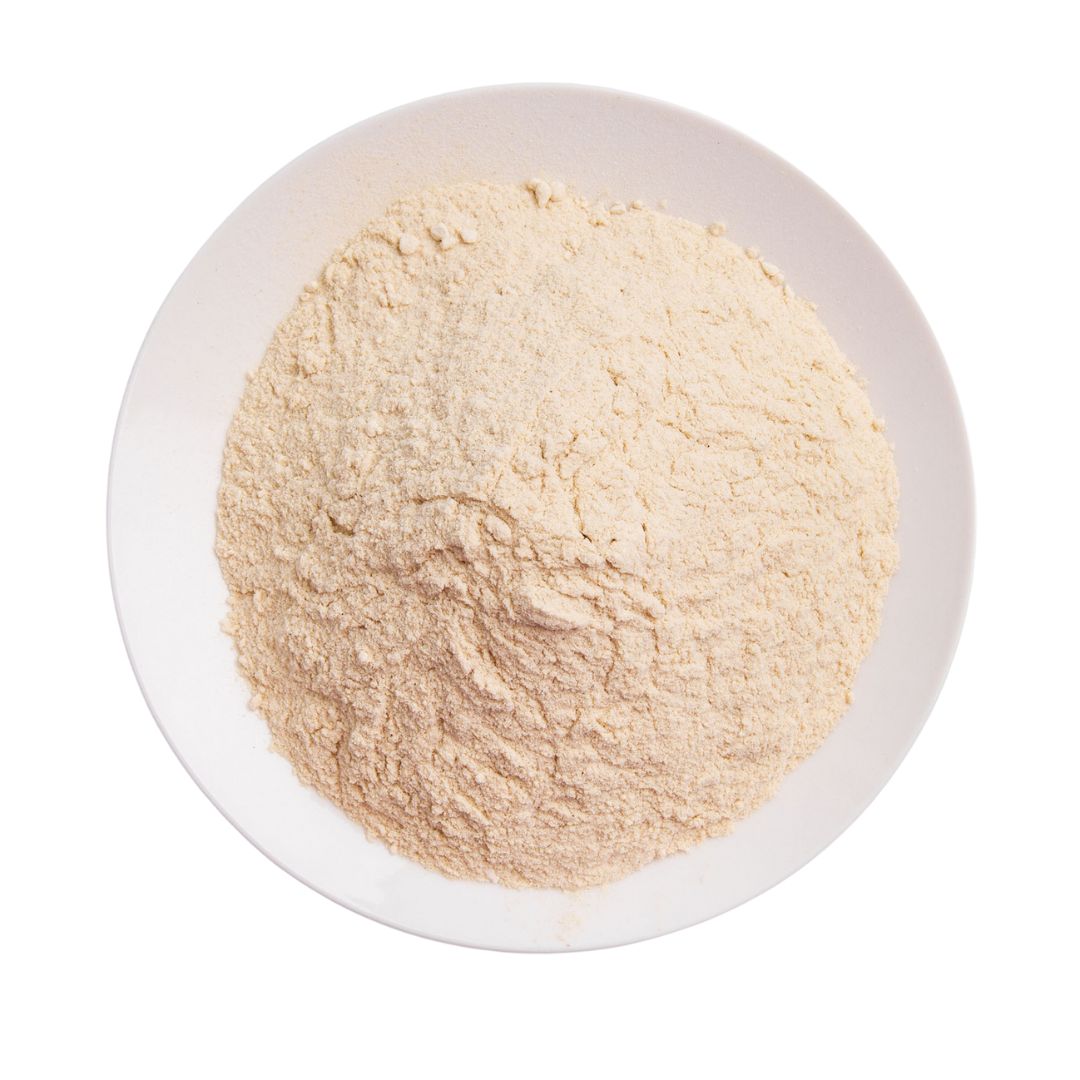
Freeze-dried sugared yellow peach powder is made from fresh yellow peaches that have been processed into a powder form through freeze-drying and sugaring, a process that preserves many of the fruit's original nutrients and flavors. The addition of sugar enhances the sweetness and palatability of the powder. This product can be used in various food applications, offering a convenient way to incorporate the taste and nutritional benefits of yellow peaches into different products.
Production Process
The production of freeze-dried sugared yellow peach powder involves several key steps:
- Selection: Ripe, high-quality yellow peaches are selected.
- Cleaning and Preparation: The peaches are thoroughly washed, peeled, and sliced.
- Sugaring: The sliced peaches are mixed with sugar to achieve the desired sweetness and flavor profile.
- Freezing: The sugared peach slices are rapidly frozen to very low temperatures.
- Freeze-Drying: The frozen peaches undergo freeze-drying, a process where the water content is removed through sublimation under vacuum conditions, preserving the structure and nutrients of the fruit [1].
- Grinding: The freeze-dried peach slices are ground into a fine powder.
- Packaging: The powder is then packaged in airtight containers to prevent moisture absorption and maintain its quality.
Nutritional Composition Table
While the exact nutritional composition can vary based on the specific batch and sugar content, a general overview of the nutrients present in freeze-dried sugared yellow peach powder includes:
| Nutrient | Approximate Value (per 100g) |
|---|---|
| Calories | 350-400 kcal |
| Carbohydrates | 80-90g |
| Sugars | 60-70g |
| Dietary Fiber | 5-10g |
| Protein | 2-4g |
| Fat | Less than 1g |
| Vitamin C | Varies |
| Vitamin A | Varies |
| Potassium | Varies |
| Antioxidants | Present |
These values are approximate and can change depending on the specific processing and sugar content.
Product Benefits and Functions
Freeze-dried sugared yellow peach powder offers several benefits:
- Nutrient Retention: The freeze-drying process helps retain the vitamins, minerals, and antioxidants present in fresh yellow peaches [1].
- Extended Shelf Life: Freeze-drying significantly extends the shelf life of the product compared to fresh peaches [1].
- Convenience: The powder form is easy to use and can be incorporated into various food and beverage applications.
- Enhanced Flavor: The added sugar enhances the flavor, making it more palatable for various uses.
- Dietary Fiber: Provides a source of dietary fiber, which supports digestive health [2].
- Antioxidant Properties: Contains antioxidants that help protect the body against oxidative stress [3].
Product Application Scenarios
Freeze-dried sugared yellow peach powder is versatile and can be used in numerous applications:
- Food and Beverage Industry:
- Adding to smoothies and shakes for flavor and nutrition.
- Use as a flavoring agent in teas and other beverages.
- Incorporating into breakfast cereals and snack bars [4].
- Dietary Supplements:
- Including in vitamin and mineral supplements.
- Using as a natural ingredient in health and wellness products.
- Baking:
- Adding to cakes, muffins, and pastries for peach flavor [5].
- Using in frosting and glazes.
- Confectionery:
- Incorporating into candies and chocolates.
- Using as a flavoring in desserts and ice cream [5].
Botanical Source
The yellow peach (Prunus persica) is a deciduous tree native to China. It is widely cultivated in temperate regions around the world for its fruit [6]. Yellow peaches are characterized by their yellow flesh, sweet taste, and slightly acidic flavor. They are a good source of vitamins, minerals, and antioxidants, making them a nutritious addition to the diet [7].
Packaging and Storage
- Packaging: The freeze-dried sugared yellow peach powder should be packaged in airtight, moisture-proof containers. Options include resealable bags, jars, or containers with tight-fitting lids to prevent exposure to air and moisture.
- Storage: Store the packaged powder in a cool, dry place away from direct sunlight and heat. Ideal storage conditions are temperatures below 70°F (21°C) and low humidity. Proper storage helps maintain the product's quality, flavor, and nutritional properties over an extended period.
Citations:
[1] Ratti, M. (2001). Advances in food dehydration. CRC press.
[2] Anderson, J. W., et al. "Health implications of dietary fiber." Nutrition Reviews 56.1 (1998): 1-18.
[3] Liu, R. H. "Health benefits of fruit and vegetables are from additive and synergistic combinations of phytochemicals." The American Journal of Clinical Nutrition 78.3 (2003): 517S-520S.
[4] Slavin, J. L. "Fiber and prebiotics: mechanisms and health benefits." Nutrients 5.4 (2013): 1417-1435.
[5] Figoni, P. (2008). How baking works: exploring the fundamentals of baking science. John Wiley & Sons.
[6] Layne, D. R. (1987). "Peach and nectarine." Fruit Breeding, 16
[7] USDA FoodData Central. (n.d.). Peaches, yellow, raw.

As a sales manager, I’m here to make sure you get exactly what you need for your dietary supplements. From sourcing to delivery, I’m always by your side, ensuring smooth and friendly service. Let’s make your products even better! 🥰🌿