

Product Introduction
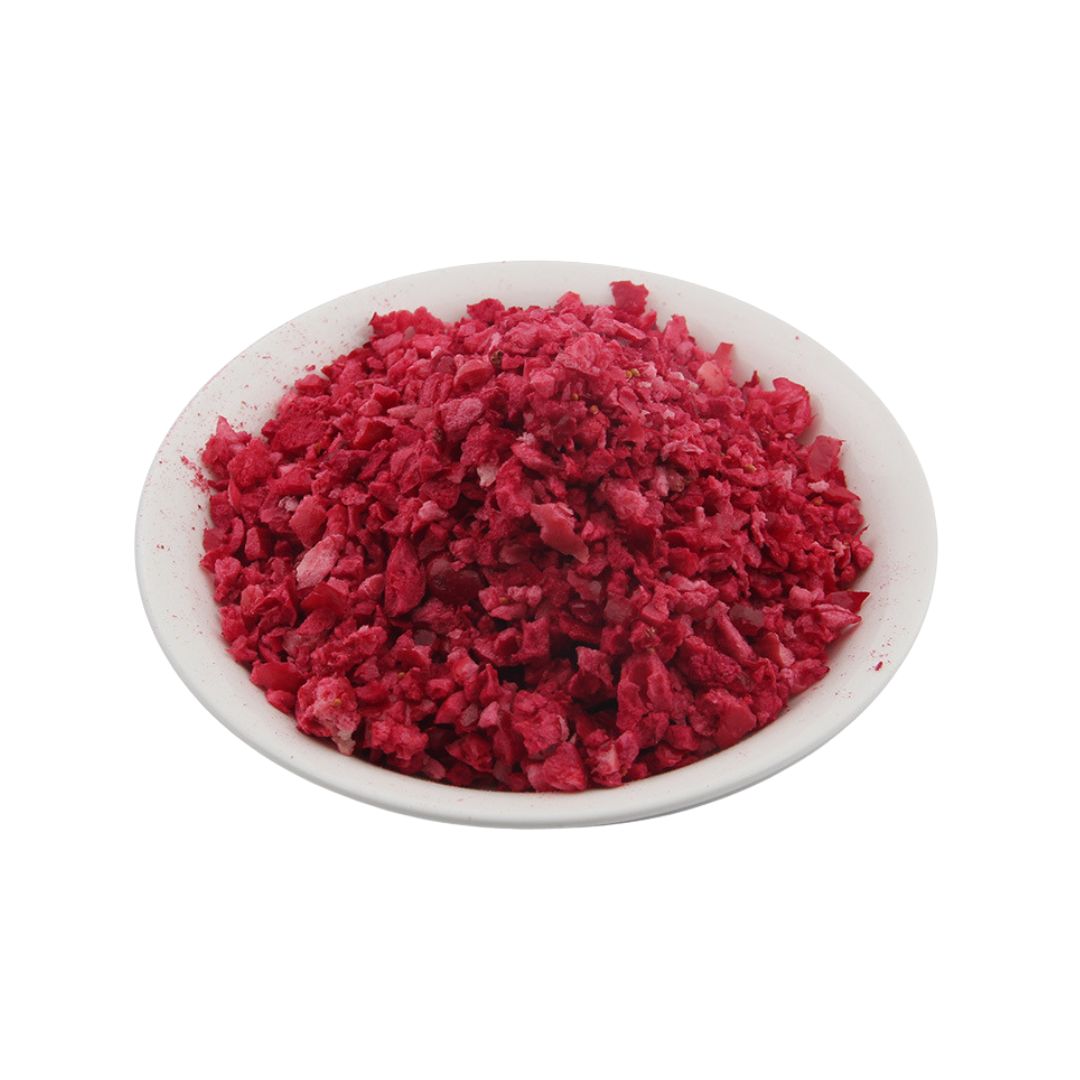
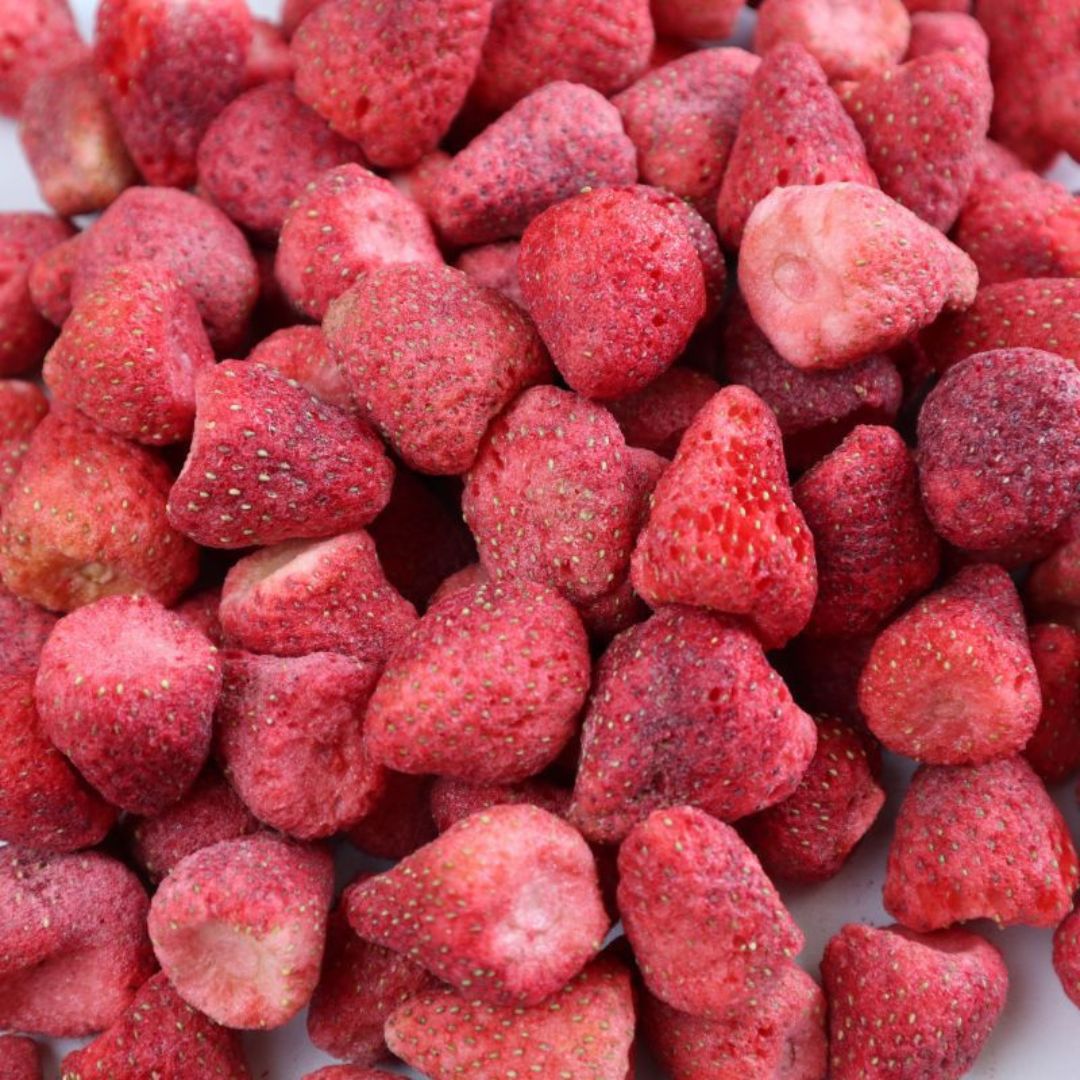
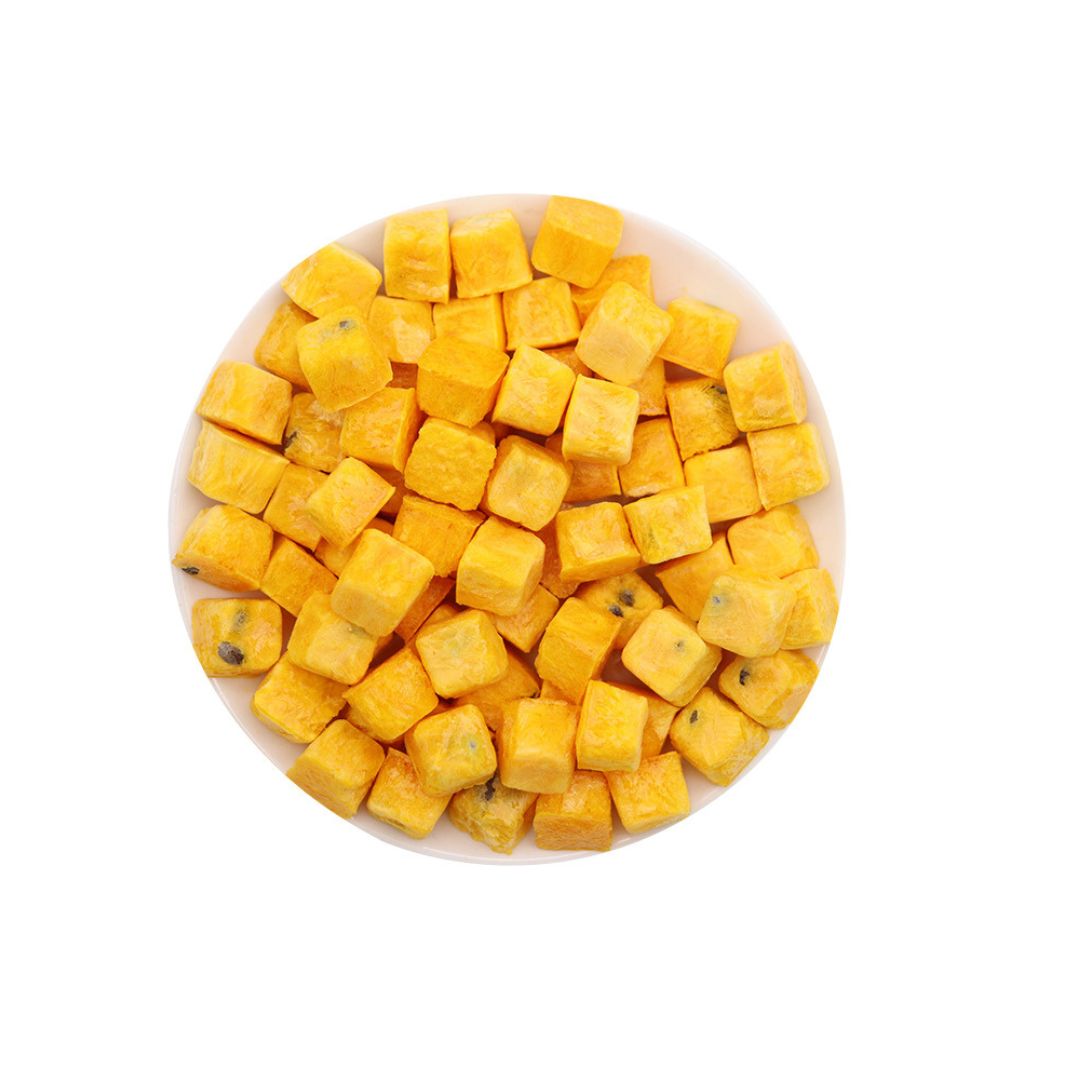
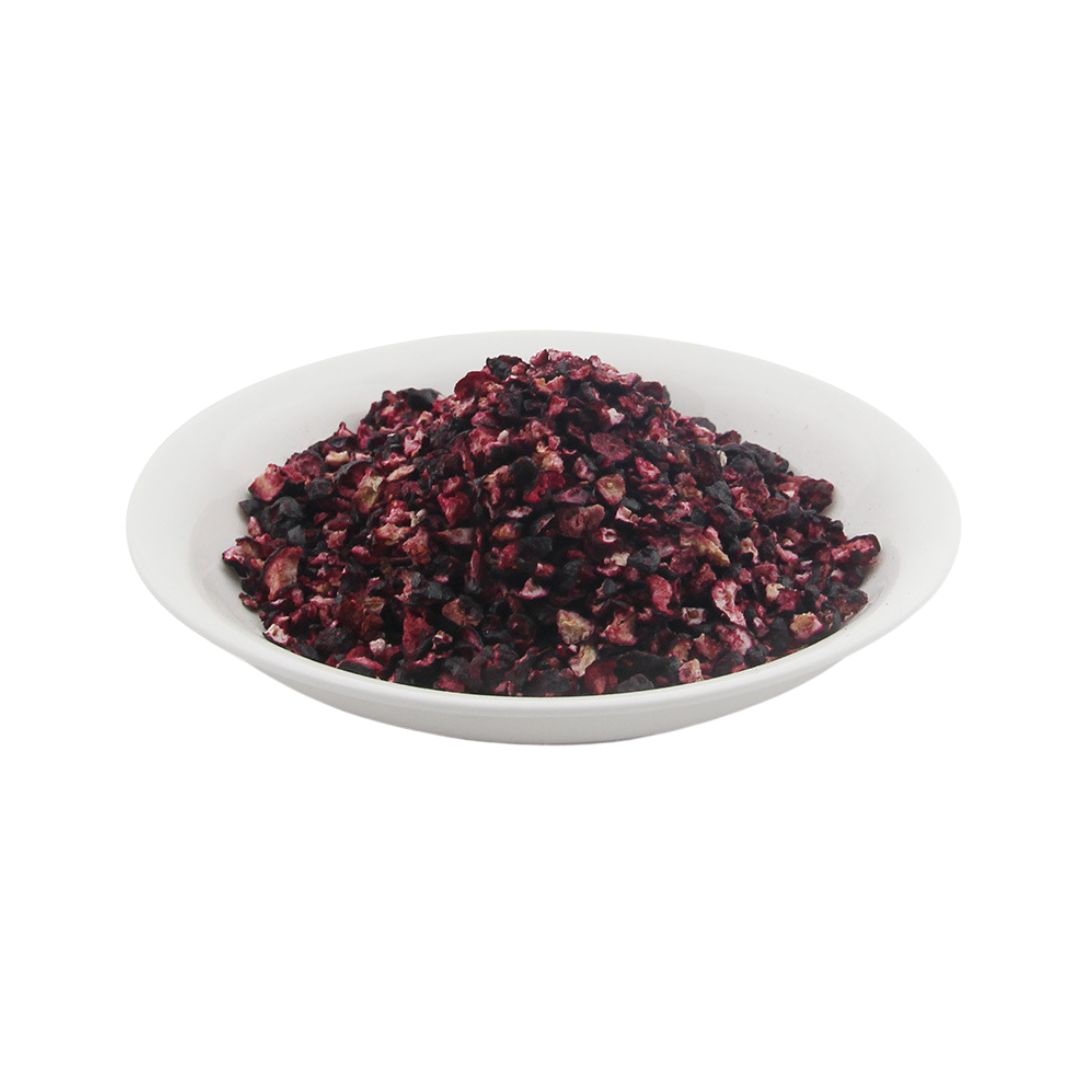
Freeze-dried blueberries are a type of dried fruit produced through a freeze-drying process, which removes moisture from fresh blueberries. This process preserves the fruit’s natural flavor, color, and nutrients, making it a convenient and nutritious snack. Freeze-dried blueberries can be used in various applications, including cereals, yogurt, and baked goods. They offer a longer shelf life compared to fresh blueberries, reducing waste and ensuring availability year-round.
Production Process
The production of freeze-dried blueberries involves several key steps. First, fresh blueberries are harvested and cleaned to remove any debris. Next, the blueberries are frozen rapidly to a very low temperature. The frozen blueberries are then placed in a vacuum chamber where the moisture is sublimated, meaning it transitions directly from a solid (ice) to a gas (vapor), bypassing the liquid phase [1]. This process preserves the cellular structure of the fruit, maintaining its original shape and nutritional content. Finally, the freeze-dried blueberries are packaged in airtight containers to prevent moisture reabsorption and maintain their quality.
Nutritional Composition Table
| Nutrient | Amount per 100g |
|---|---|
| Calories | 342 kcal |
| Carbohydrates | 84 g |
| Dietary Fiber | 10 g |
| Sugars | 68 g |
| Protein | 4 g |
| Fat | 1 g |
| Vitamin C | 30 mg |
| Vitamin K | 30 mcg |
| Manganese | 1 mg |
| Antioxidants (e.g., Anthocyanins) | Varies |
Note: Nutritional values may vary based on the specific variety and processing methods.
Product Benefits and Functions
Freeze-dried blueberries offer several health benefits. They are rich in antioxidants, particularly anthocyanins, which help protect the body against oxidative stress and reduce the risk of chronic diseases [2]. The high fiber content promotes digestive health and helps regulate blood sugar levels. Additionally, freeze-dried blueberries are a good source of vitamins and minerals, including vitamin C and manganese, which support immune function and bone health [3]. Their concentrated nutrient profile makes them a convenient way to boost overall health and well-being.
Product Application Scenarios
Freeze-dried blueberries can be used in a variety of applications. They are a popular addition to breakfast cereals, granola, and yogurt, providing a burst of flavor and nutrition. In baking, they can be added to muffins, cakes, and cookies, offering a healthy alternative to traditional dried fruits. Freeze-dried blueberries are also a great snack on their own or can be mixed with nuts and seeds for a trail mix. The food industry also uses them to create flavored powders and coatings for various products.
Botanical Source
Blueberries (Vaccinium spp.) belong to the Ericaceae family. The most common species used for commercial production are Vaccinium corymbosum (highbush blueberry) and Vaccinium angustifolium (lowbush blueberry) [4]. Highbush blueberries are cultivated in many parts of the world, while lowbush blueberries are native to North America. These plants thrive in acidic soils and require specific growing conditions to produce high-quality fruit. The blueberries used for freeze-drying are typically selected for their size, flavor, and nutritional content.
Packaging and Storage
Proper packaging and storage are essential to maintain the quality of freeze-dried blueberries. They should be packaged in airtight, moisture-proof containers to prevent rehydration and maintain their crisp texture. It is recommended to store them in a cool, dark, and dry place, away from direct sunlight and heat [5]. Under these conditions, freeze-dried blueberries can have a shelf life of up to 12-18 months. Once opened, the container should be resealed tightly to prevent moisture absorption and maintain freshness.
Citations
[1] Ratti, M. (2001). Advances in food dehydration. Trends in Food Science & Technology, 12(8), 288-296.
[2] Kalt, W., et al. (2020). Recent Research on the Health Benefits of Blueberries and Their Anthocyanins. Advances in Nutrition, 11(2), 224-236.
[3] Basu, A., et al. (2010). Blueberries decrease cardiovascular risk factors: systematic review and meta-analysis. The American Journal of Clinical Nutrition, 91(6), 1582-1589.
[4] Lyrene, P. M., & Hancock, J. F. (2007). Blueberries. Crop Production Science in Horticulture, 16.
[5] Hogan, D. E., et al. (2005). Effects of packaging and storage temperature on the stability of freeze-dried foods. Journal of Food Science, 70(7), 445-452.

As a sales manager, I’m here to make sure you get exactly what you need for your dietary supplements. From sourcing to delivery, I’m always by your side, ensuring smooth and friendly service. Let’s make your products even better! 🥰🌿