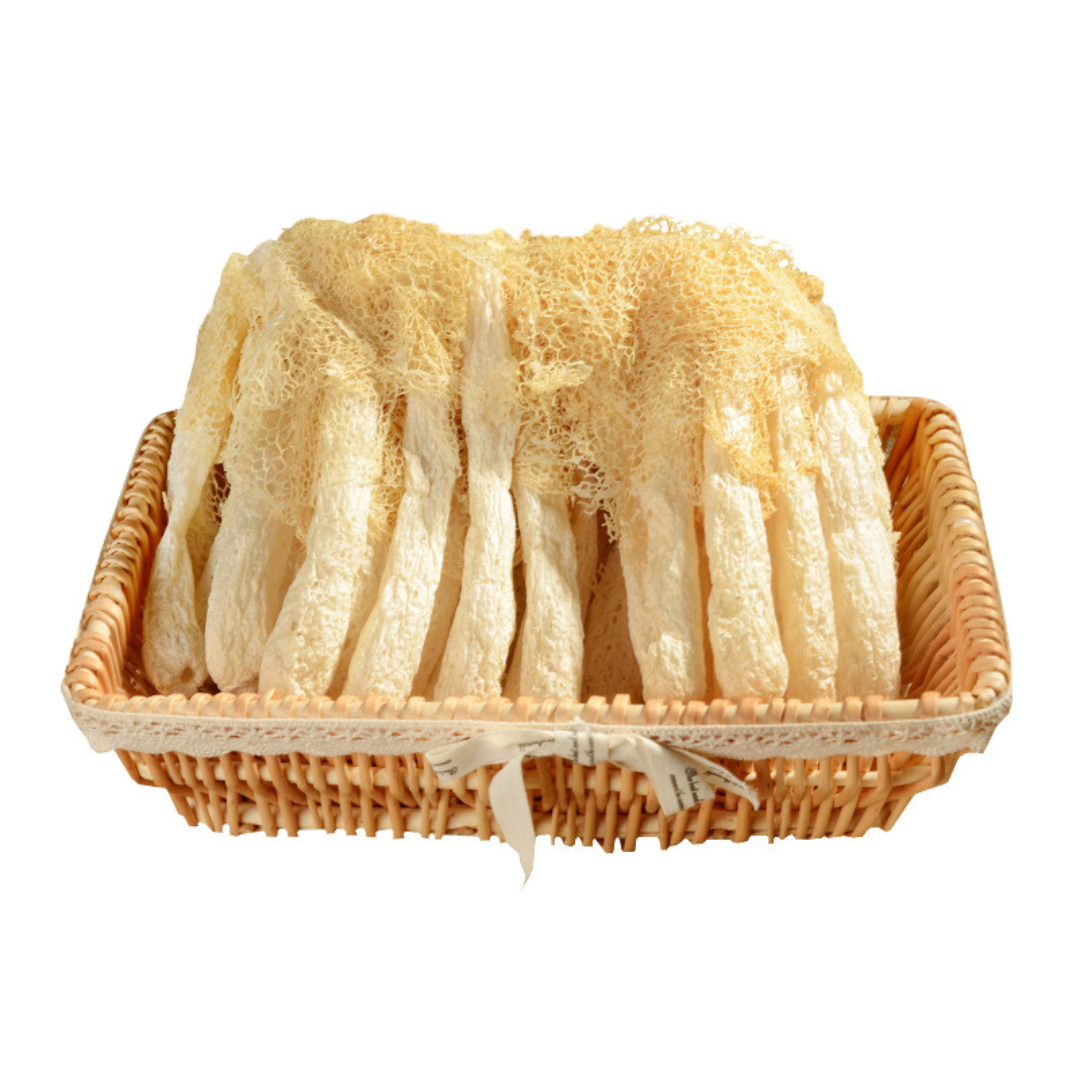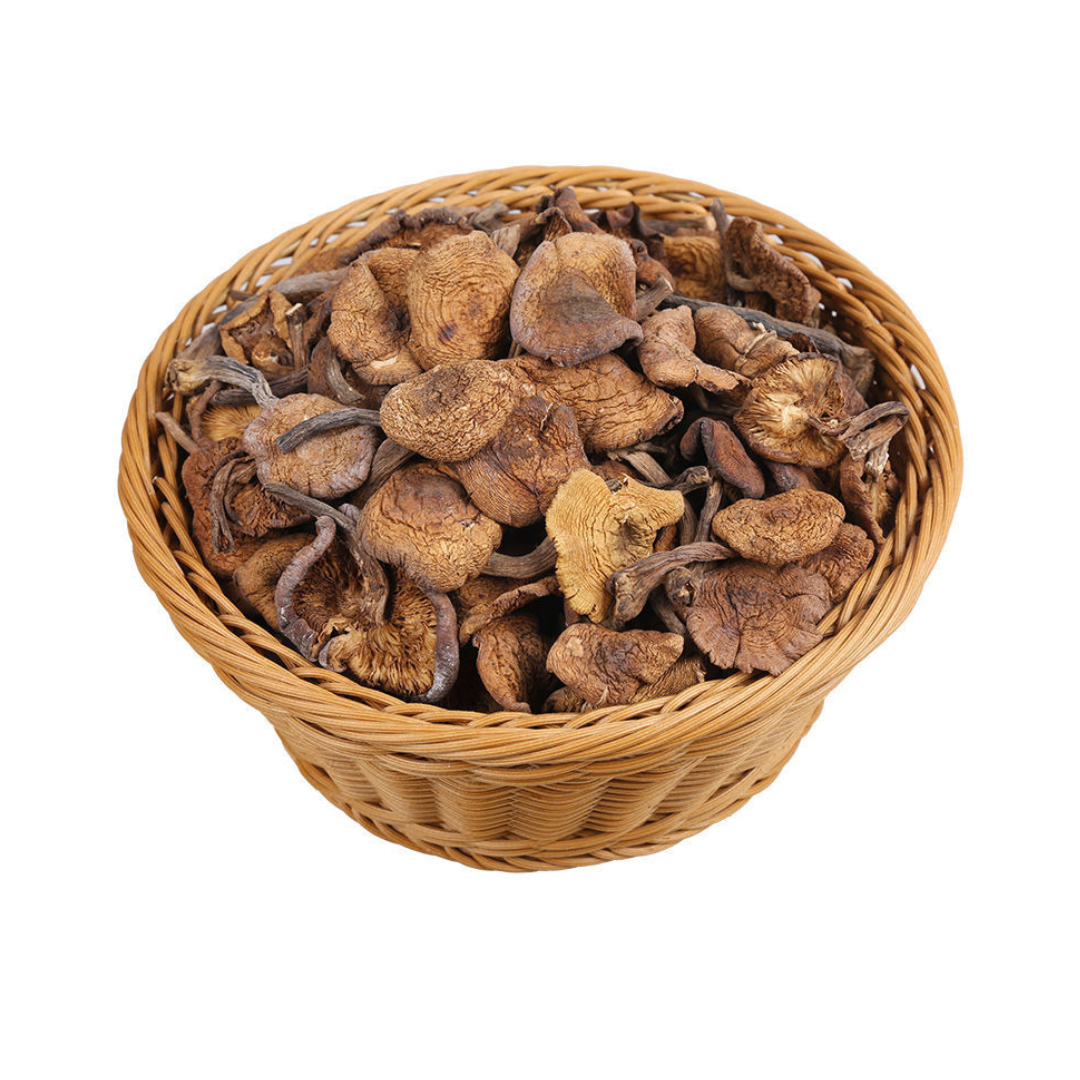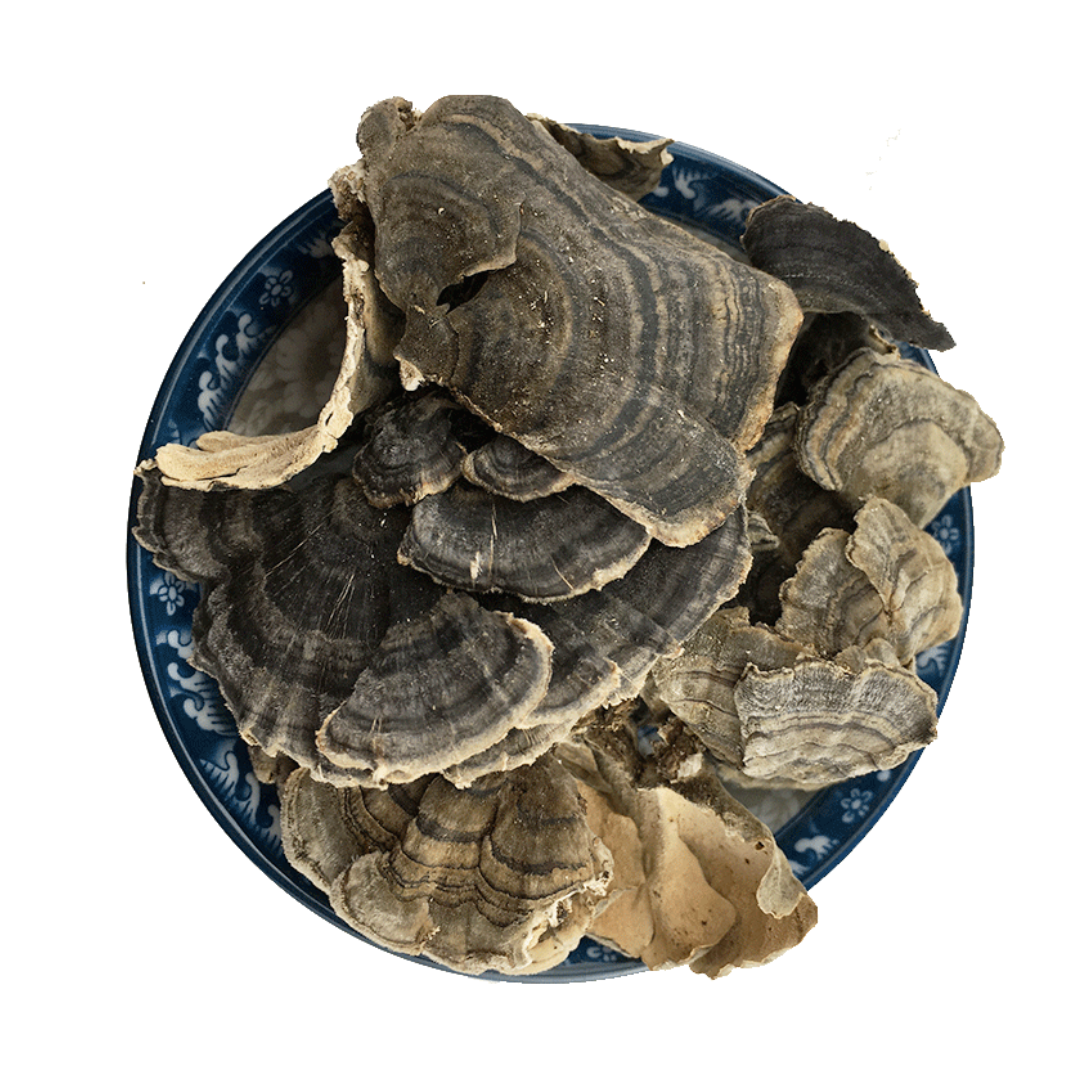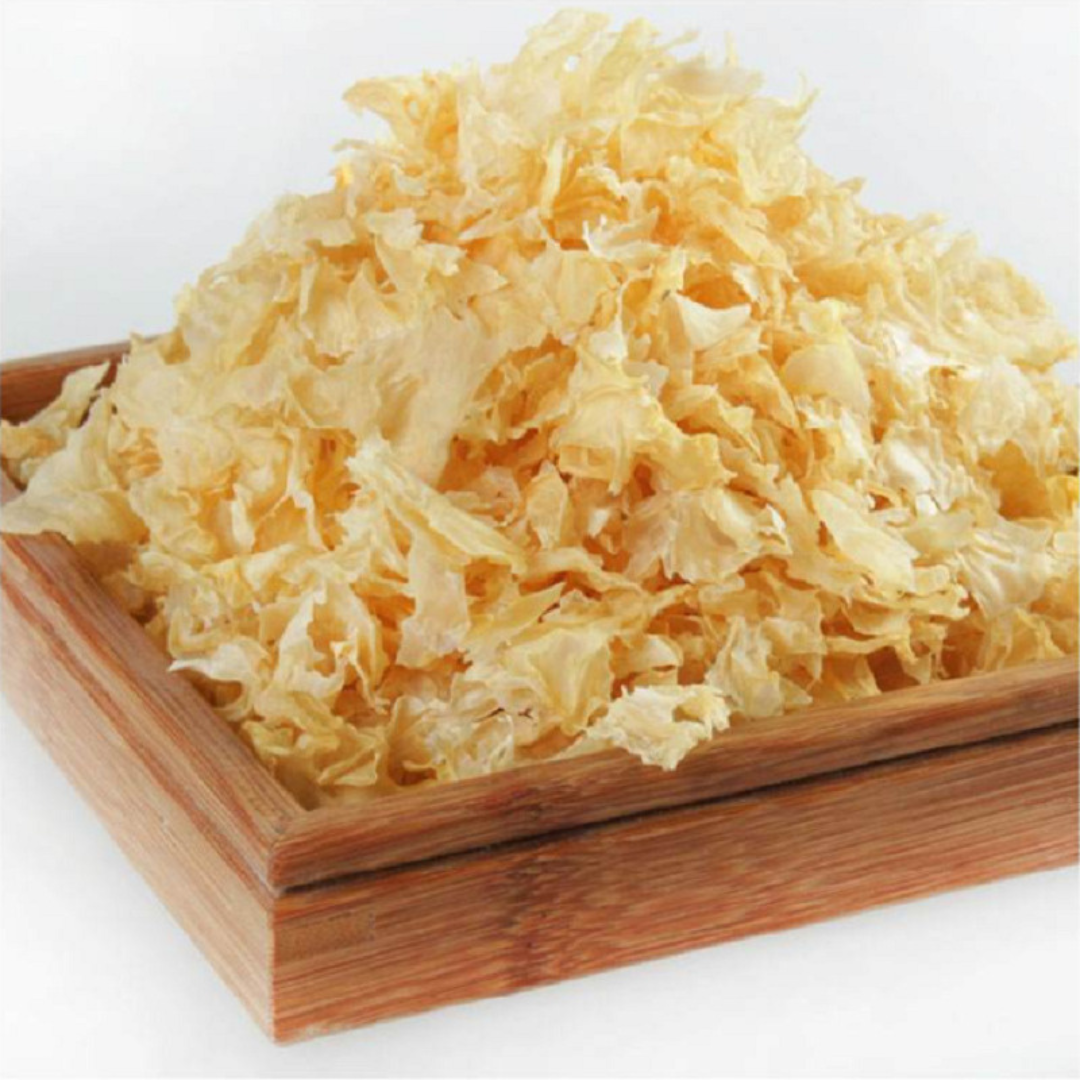


Product Introduction
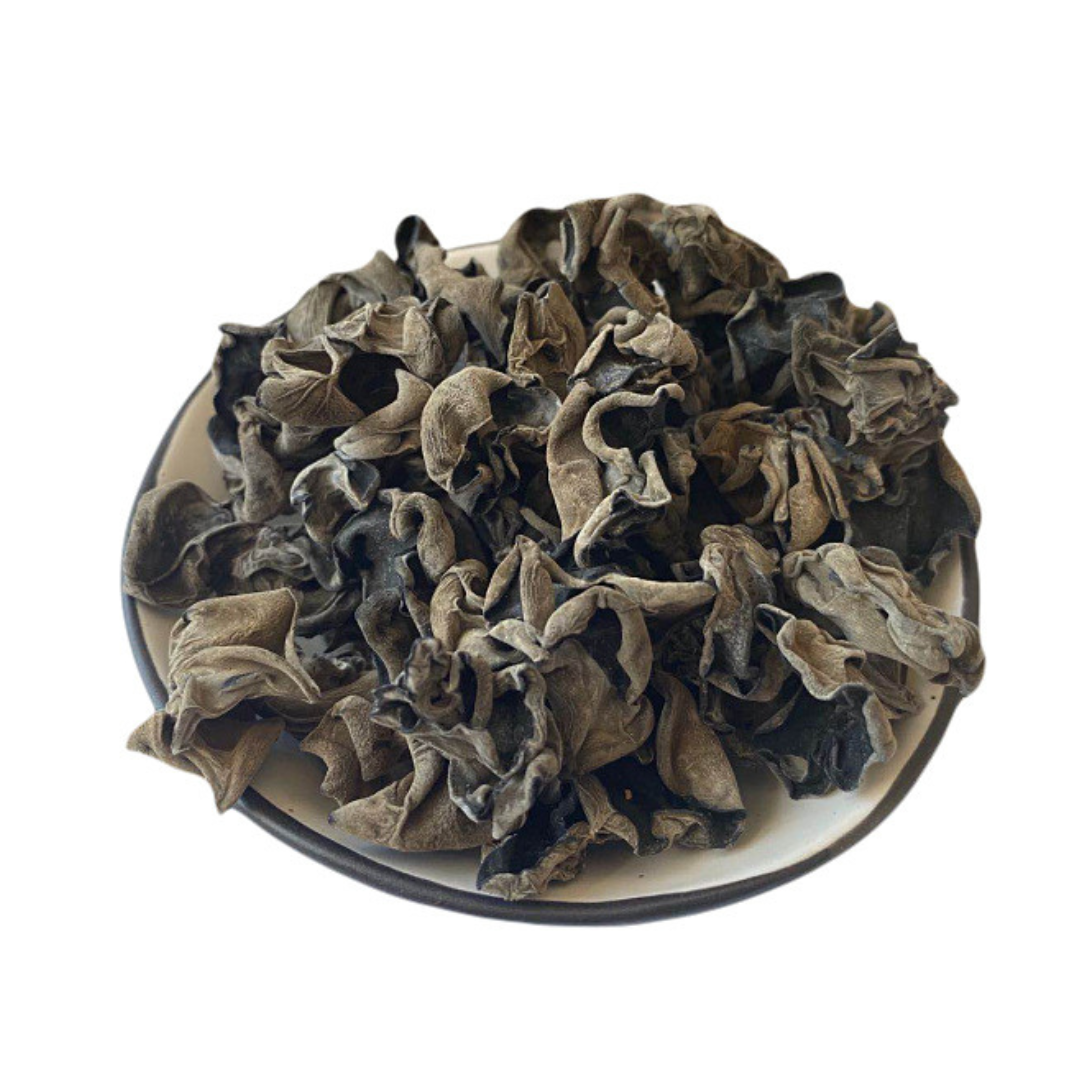
Dehydrated black fungus is a popular ingredient valued for its unique texture and versatility in various culinary applications. The scientific name Auricularia auricula-judae, this fungus is commonly known as wood ear mushroom or tree fungus, because of its propensity to grow on trees. The dehydration process allows for extended shelf life and easier storage, making it a convenient option for both home cooks and food industry professionals. Once rehydrated, black fungus regains its characteristic gelatinous and slightly crunchy texture, therefore making it a desirable component in many dishes.
Production Process
The production of dehydrated black fungus begins with the careful selection of fresh, high-quality mushrooms. After harvesting, the mushrooms are thoroughly cleaned to remove any dirt or debris. Next, they are sliced or left whole, depending on the desired end product. The drying stage is crucial; it typically involves either natural air-drying or the use of industrial dehydrators. Air-drying relies on sunlight and wind to gradually reduce the moisture content of the mushrooms, which can take several days. Industrial dehydrators, on the other hand, use controlled heat and airflow to accelerate the drying process, typically completing it in a matter of hours. The dried mushrooms are then sorted, graded, and packaged for distribution. Quality control measures are implemented throughout the process to ensure that the final product meets the required standards for moisture content, appearance, and purity [1].
Product Applications
Dehydrated black fungus is a versatile ingredient with a wide range of applications in the culinary world. In Asian cuisine, it is commonly used in stir-fries, soups, and salads, in which contributing a unique texture and subtle earthy flavor. It is often rehydrated by soaking in water before being added to dishes, and it can absorb flavors from sauces and broths, enhancing the overall taste profile of the meal. Black fungus is also used in traditional medicine, because of its potential health benefits, like lowering cholesterol levels [2]. Furthermore, this product is utilized in the production of vegetarian and vegan dishes as a meat substitute, for providing a satisfying bite and nutritional value. The food industry incorporates dehydrated black fungus into instant noodle cups, ready-made meals, and snack products, for enhancing texture and visual appeal.
Packaging and Storage
Proper packaging and storage are essential for maintaining the quality and extending the shelf life of dehydrated black fungus. The product is typically packaged in airtight, moisture-proof containers, like sealed plastic bags or foil pouches, in which to prevent moisture absorption and contamination. To ensure longevity, it must be stored in a cool, dry place, away from direct sunlight and heat sources [3]. Ideally, the storage temperature should be below 25°C (77°F) with relative humidity below 65% [3]. After opening, it is important to reseal the packaging tightly after each use, and it is crucial to prevent exposure to moisture, therefore it can cause the fungus to rehydrate and spoil. Under optimal conditions, dehydrated black fungus can maintain its quality for 12 to 24 months.
Citations:
[1] Boa, E. (2004). Wild edible fungi: A global overview of their use and importance to people. Food and Agriculture Organization of the United Nations.
[2] Wasser, S. P. (2011). Review of medicinal mushrooms effect on cholesterol. Critical reviews in food science and nutrition, 51(7), 619-634.
[3] Fellows, P. J. (2009). Food processing technology: principles and practice. Woodhead Publishing.

As a sales manager, I’m here to make sure you get exactly what you need for your dietary supplements. From sourcing to delivery, I’m always by your side, ensuring smooth and friendly service. Let’s make your products even better! 🥰🌿