

Product Introduction
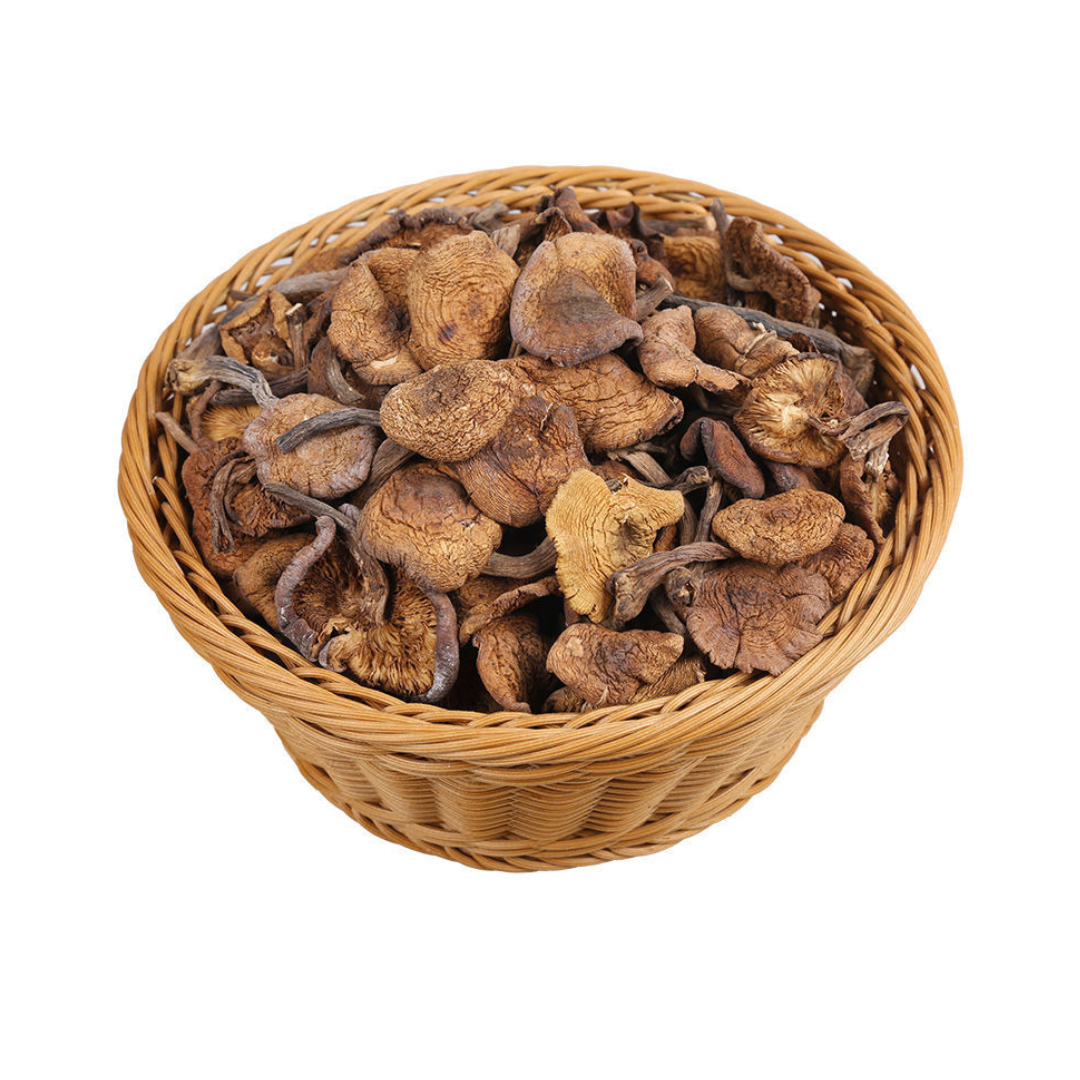
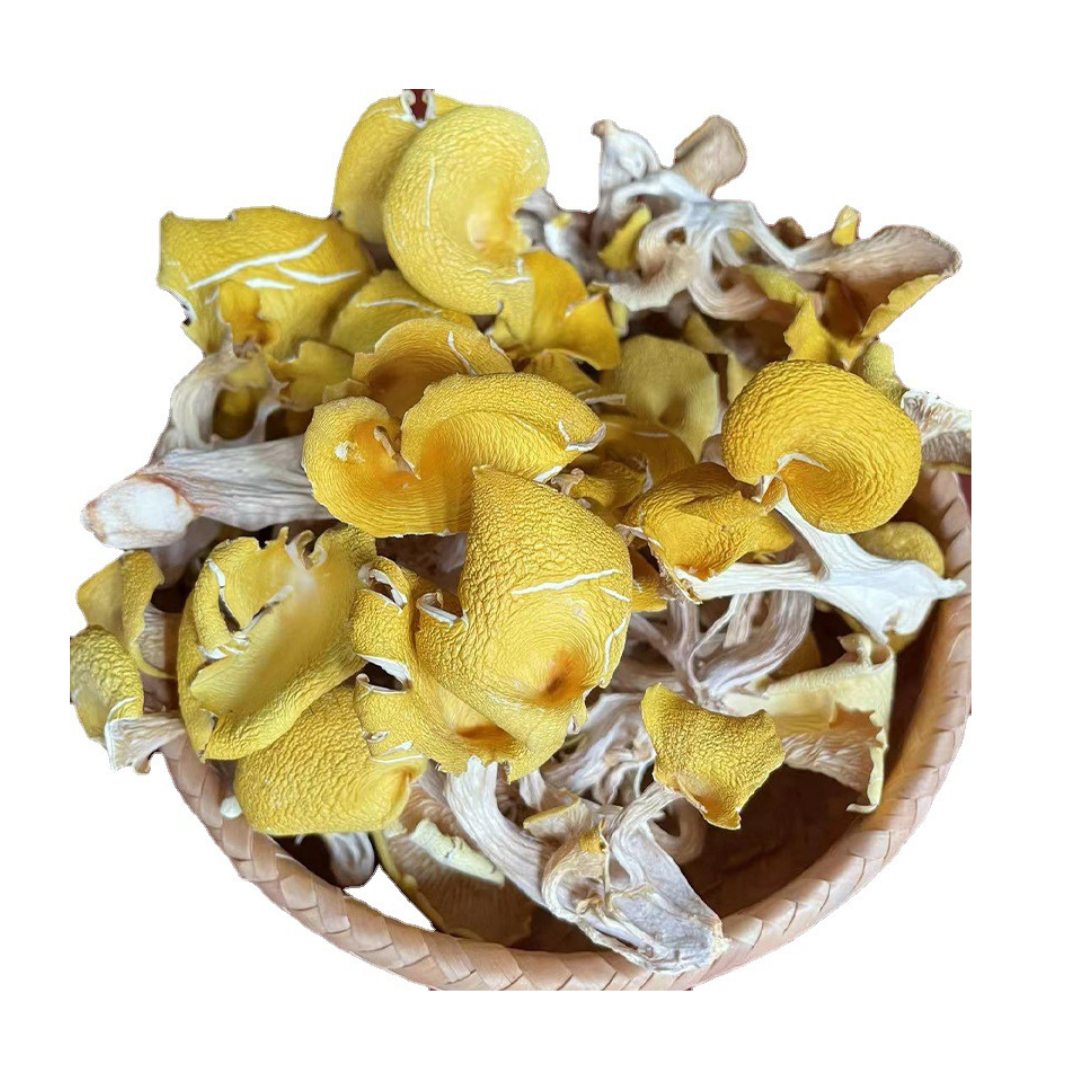
Cantharellus cibarius, commonly known as the chanterelle mushroom, is highly prized for its distinct flavor and aroma. Chanterelles are mycorrhizal fungi, forming symbiotic relationships with the roots of trees, typically hardwoods and conifers [1]. The fresh mushroom has a fruity aroma, often described as apricot-like, and a slightly peppery taste, making it a sought-after ingredient in gourmet cooking [2]. Dehydration is used to preserve these mushrooms, extending their shelf life, and concentrating their flavors. The drying process reduces the water activity, inhibiting microbial growth and enzymatic activity, thus preventing spoilage [3]. Dehydrated chanterelles retain much of their original flavor profile, making them a convenient option for year-round use.
Production Process
The production of dehydrated Cantharellus cibarius involves several key steps. The fresh mushrooms are carefully harvested, ensuring they are mature and free from contaminants. The harvested mushrooms are then cleaned to remove any adhering soil, debris, or other foreign materials. This cleaning process is critical to maintaining the quality and safety of the final product. After cleaning, the mushrooms are typically sliced to facilitate efficient drying. Slicing increases the surface area, allowing for faster removal of moisture.
The sliced mushrooms are then placed in a dehydrator, where controlled hot air is circulated to remove moisture. The drying temperature and duration are carefully monitored to ensure optimal preservation of flavor, color, and texture. Temperatures that are too high can result in case hardening, where the surface dries too quickly, trapping moisture inside [4]. Conversely, temperatures that are too low can prolong the drying time, increasing the risk of microbial growth. The drying process continues until the mushrooms reach a moisture content of around 8-12%, which inhibits microbial growth and enzymatic activity [5]. After dehydration, the mushrooms are sorted to remove any that do not meet quality standards. They are then packaged in airtight containers to prevent moisture absorption and maintain their quality during storage and transportation.
Product Applications
Dehydrated Cantharellus cibarius finds versatile applications in the culinary world. They are used to enhance the flavor of soups, sauces, and stews, imparting a rich, umami taste. Additionally, they can be rehydrated and added to risotto and pasta dishes, contributing to their unique flavor and texture. The concentrated flavor of dehydrated chanterelles makes them an excellent ingredient in vegetarian and vegan recipes, providing depth and complexity. They can also be ground into a powder and used as a seasoning for meats, vegetables, and other dishes due to their intense flavor [6]. Before use, dehydrated chanterelles are typically rehydrated by soaking them in warm water or broth for about 20-30 minutes. This process helps to restore their texture and flavor. The rehydration liquid can also be used as a flavorful base for sauces and soups, maximizing the utilization of the mushroom's essence [7].
Packaging and Storage
The packaging of dehydrated Cantharellus cibarius is essential for maintaining its quality and extending its shelf life. The mushrooms are typically packaged in airtight containers such as resealable bags, glass jars, or vacuum-sealed pouches. These containers provide a barrier against moisture, oxygen, and light, all of which can degrade the quality of the product. Proper labeling is also crucial, including information such as the product name, net weight, production date, expiration date, and storage instructions. For optimal storage, dehydrated chanterelles should be kept in a cool, dry, and dark place [8]. Exposure to heat, moisture, and light can accelerate the degradation of the mushrooms, leading to a loss of flavor, color, and texture. Storing the product in a pantry or cupboard away from direct sunlight and heat sources is ideal. Properly stored dehydrated chanterelles can maintain their quality for up to 12-18 months [9]. Regular inspection of the packaging is recommended to ensure that it remains intact and that there are no signs of moisture or contamination.
Citations
[1] Dahlberg, A. (2001). Molecular ecology of ectomycorrhizal fungi: what is the real biodiversity? New Phytologist, 150(3), 481-490.
[2] Boa, E. (2004). Wild edible fungi: A global overview of their use and importance to people. Food and Agriculture Organization of the United Nations.
[3] Fellows, P. J. (2009). Food processing technology: principles and practice. Woodhead Publishing.
[4] McMinn, W. A. M. (2006). A review of microwave drying of fruits, vegetables, and other food materials. Journal of Food Engineering, 72(1), 1-14.
[5] Rahman, M. S. (2007). Food preservation. Springer Science & Business Media.
[6] Chang, S. T., & Miles, P. G. (2004). Mushrooms: cultivation, nutritional value, medicinal effect, and environmental impact. CRC press.
[7] Bhattarai, R. R., & Crowe, F. (2012). Rehydration characteristics of dried vegetables. Journal of Food Processing and Preservation, 36(6), 511-518.
[8] Robertson, G. L. (2012). Food packaging: principles and practice. CRC press.
[9] Kilcast, D., & Subramaniam, P. (2000). The stability and shelf-life of food. Woodhead Publishing.

As a sales manager, I’m here to make sure you get exactly what you need for your dietary supplements. From sourcing to delivery, I’m always by your side, ensuring smooth and friendly service. Let’s make your products even better! 🥰🌿