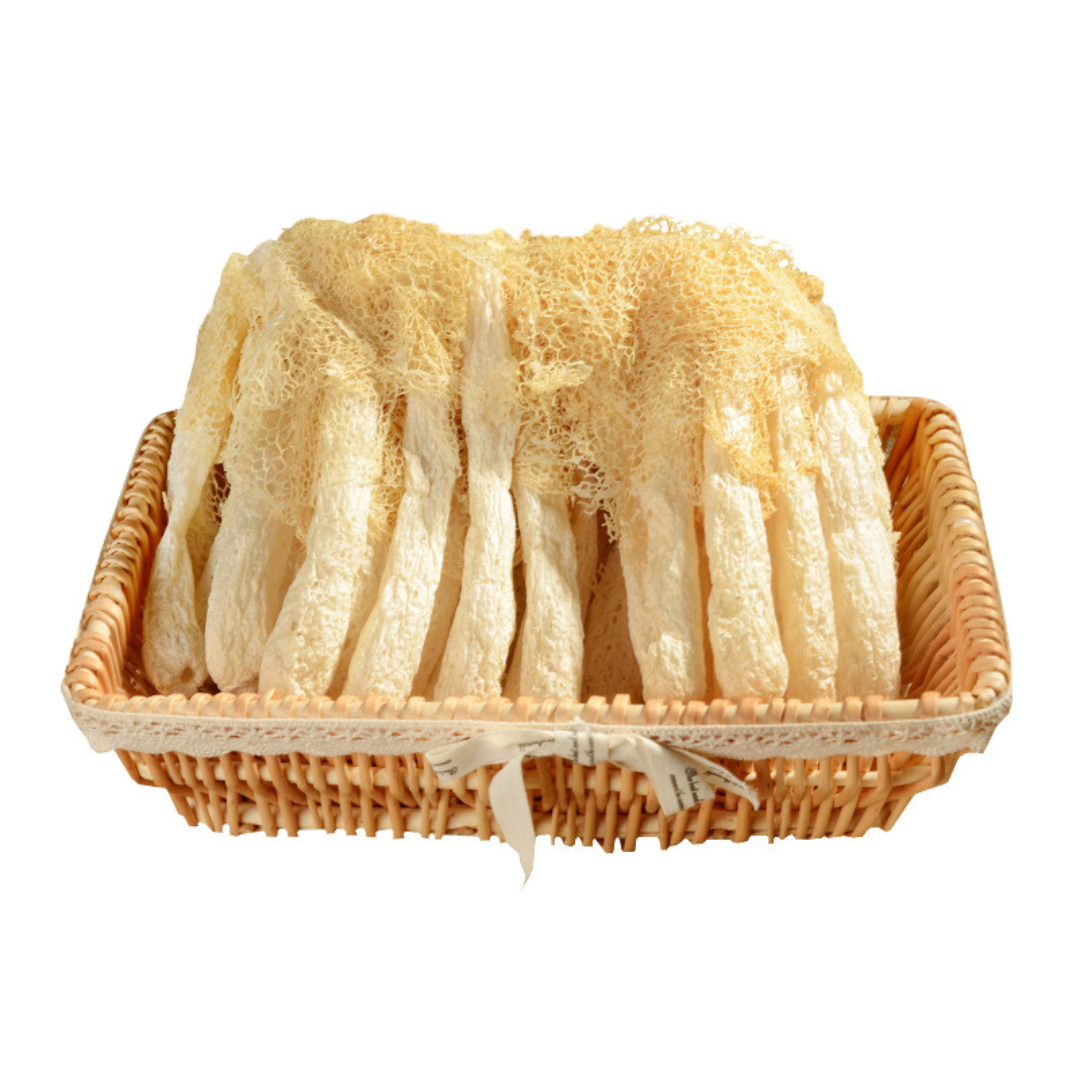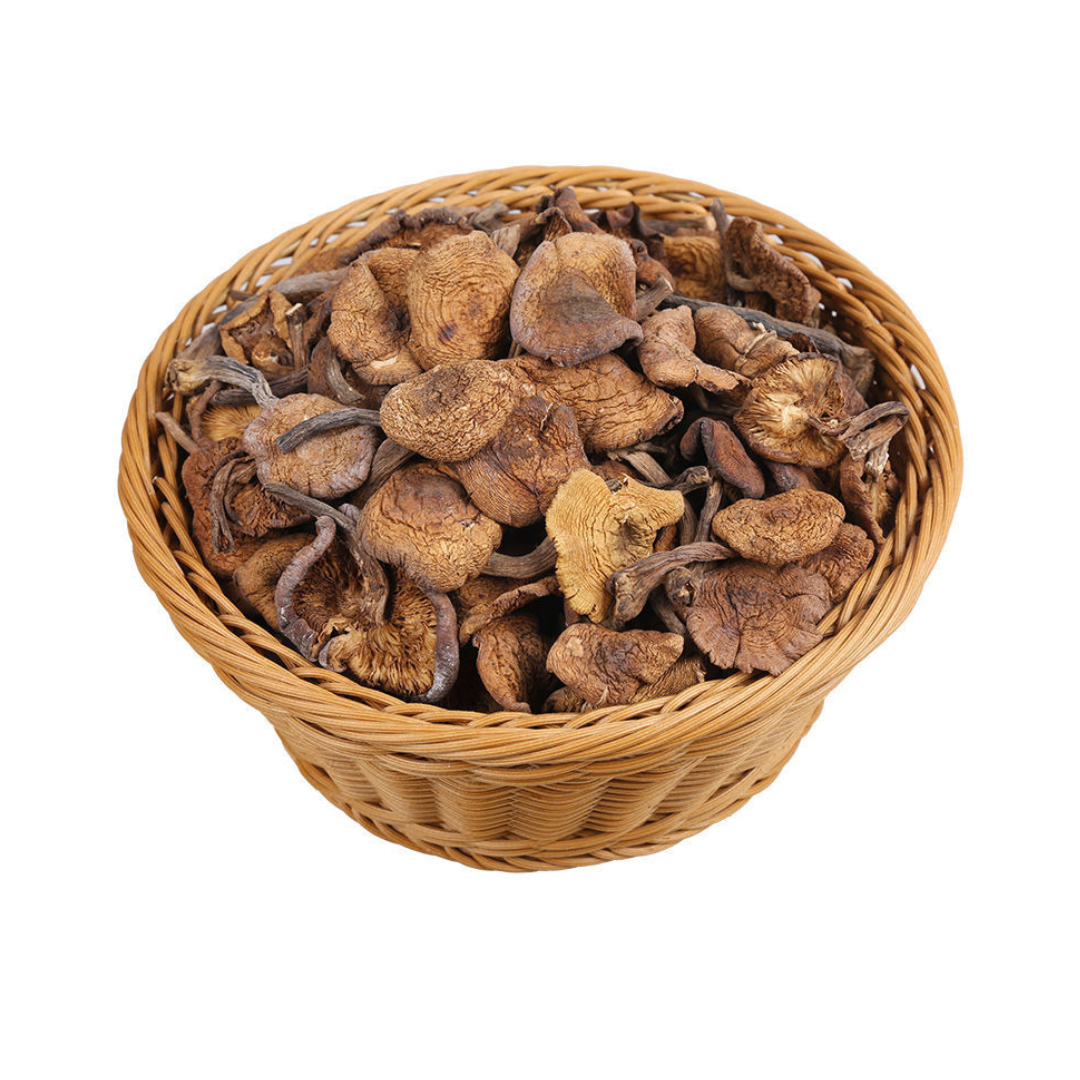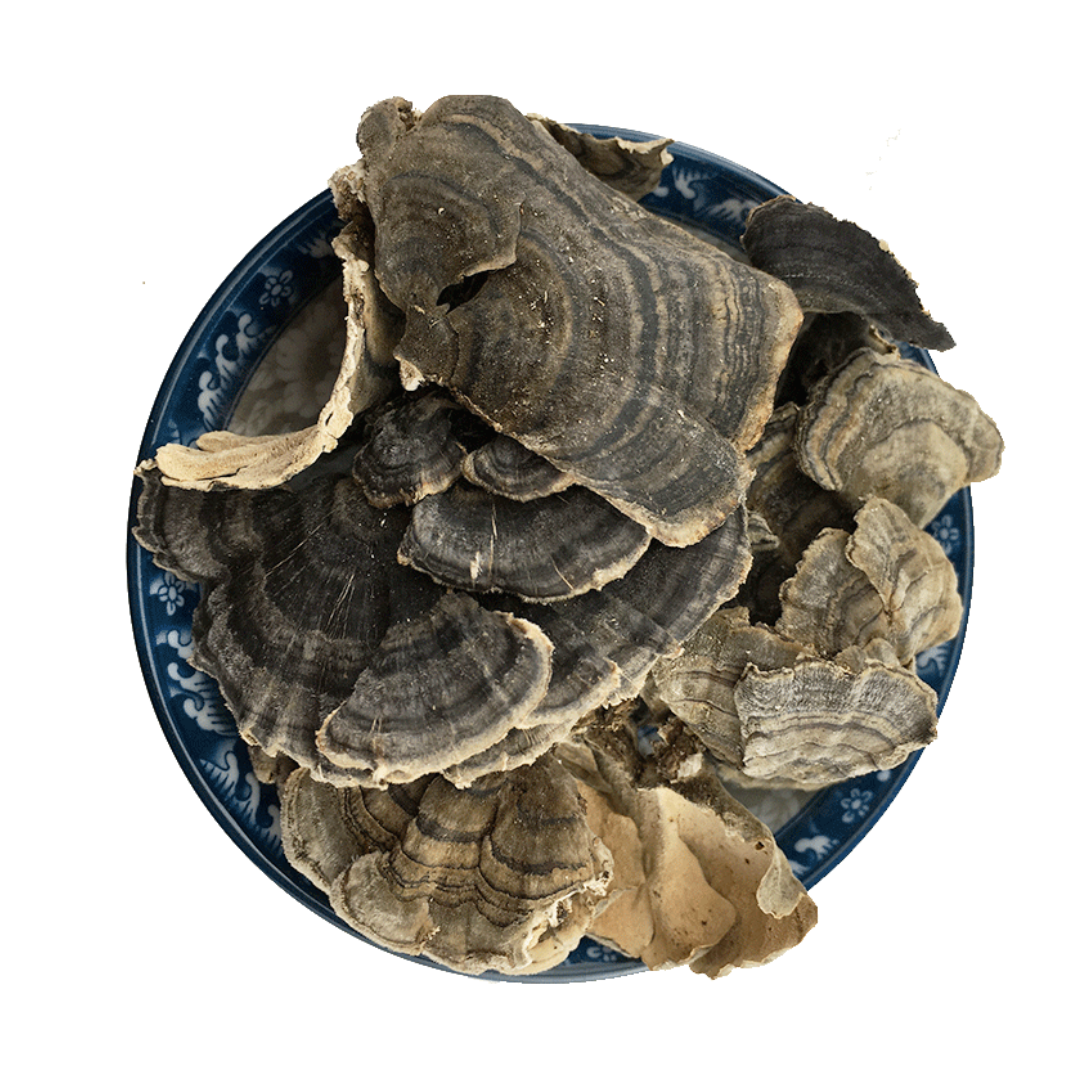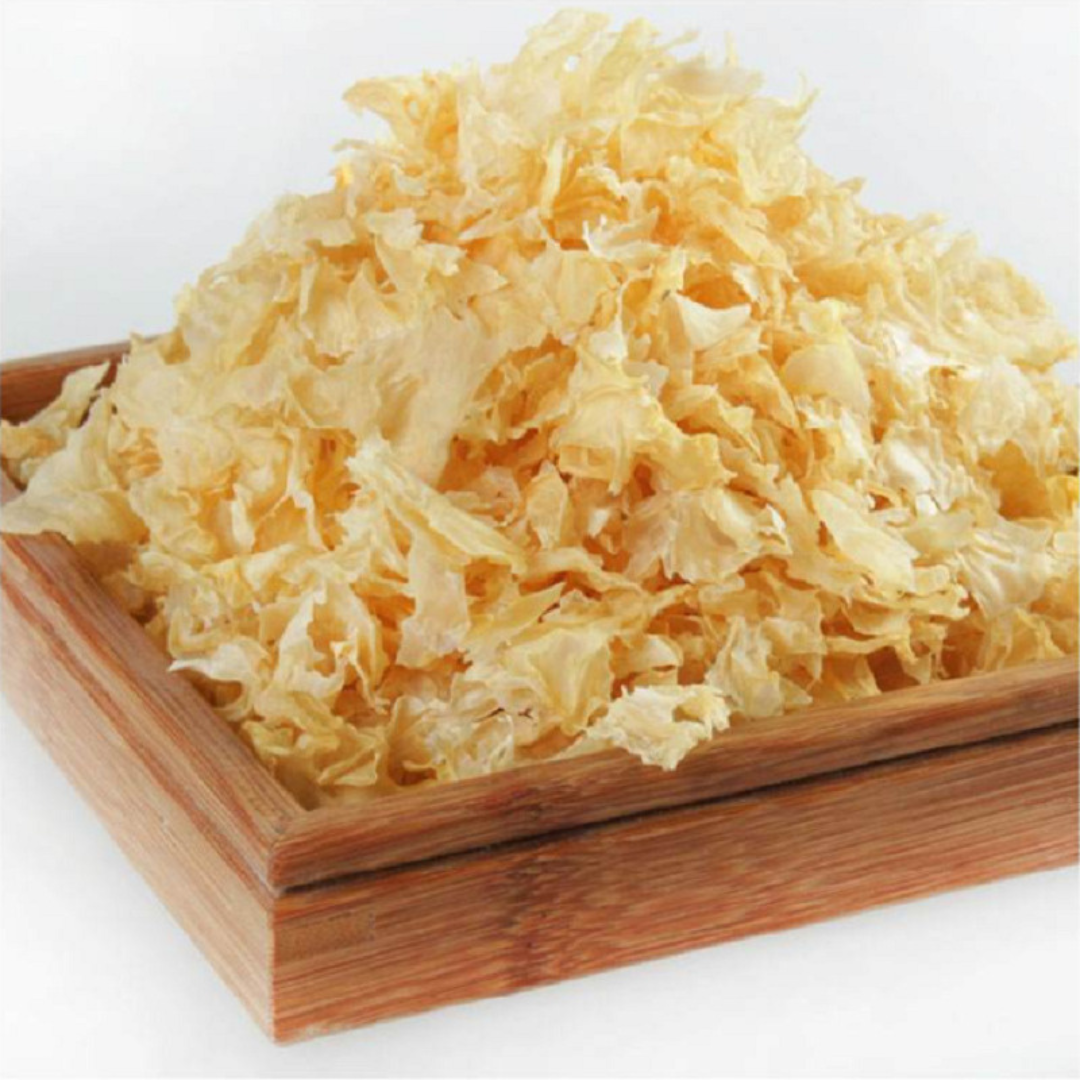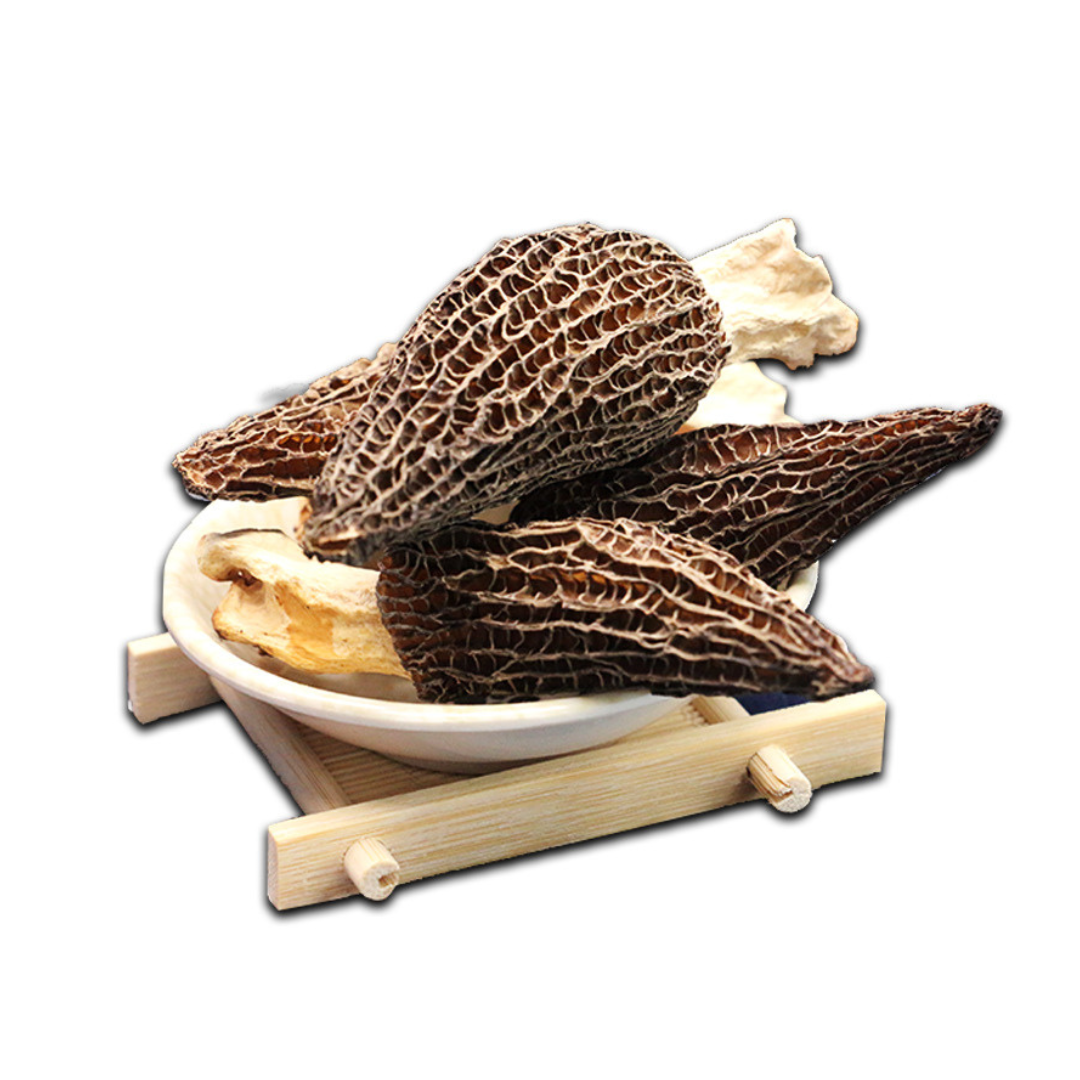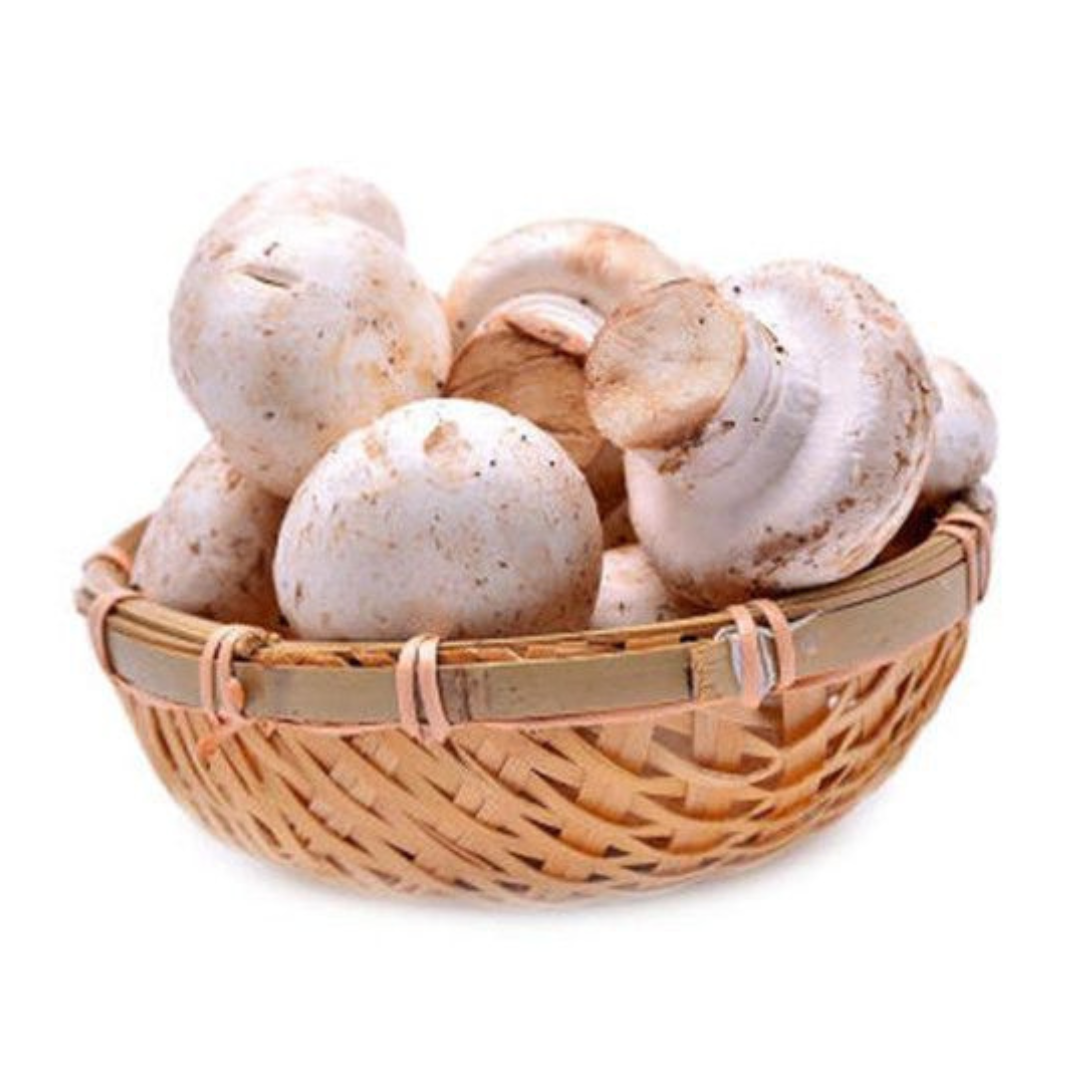


Product Introduction
Dehydrated gambosum, also known as okra or lady's fingers, is a versatile and convenient vegetable product. Okra is scientifically known as Abelmoschus esculentus, which is widely cultivated in warm and tropical climates for its edible green seed pods [1]. The dehydration process preserves the nutritional content and flavor of fresh okra, while significantly extending its shelf life. This makes it an ideal ingredient for various culinary applications, providing a consistent supply of okra regardless of seasonal availability. It is particularly useful in regions where fresh okra is not readily accessible, by being easy to store and transport [2].
Production Process
The production of dehydrated gambosum involves several key steps to ensure a high-quality final product. The process begins with selecting fresh, mature okra pods. These pods are thoroughly washed to remove any dirt and debris [3]. Next, the okra pods are sliced into uniform pieces, which facilitates even drying, then, the sliced okra undergoes a hot air drying process. In this method, the okra slices are spread evenly on trays and placed in a drying chamber where hot air is circulated at a controlled temperature [4].
The temperature and drying time are carefully monitored to prevent scorching and to retain the okra’s nutritional properties. The moisture content is reduced to a level that inhibits microbial growth, typically below 10% [5]. After drying, the dehydrated okra is sorted to remove any discolored or damaged pieces. Finally, the dehydrated okra is packaged in moisture-proof containers to maintain its dryness and prevent reabsorption of moisture from the environment.
Product Applications
Dehydrated gambosum has diverse applications in the culinary world, offering convenience and nutritional benefits. It is commonly used in soups and stews, where it can be added directly during cooking; the dehydrated okra rehydrates in the liquid, imparting its characteristic flavor and thickening the broth [6]. Another popular application is as a standalone side dish, where the dehydrated okra is rehydrated and then sautéed, fried, or baked with various seasonings and spices. It serves as a healthy addition to vegetarian and vegan diets, providing essential vitamins, minerals, and dietary fiber [7].
In the food processing industry, dehydrated okra is used in the formulation of instant soup mixes, vegetable blends, and snack products. Its long shelf life, and ease of handling make it a valuable ingredient for manufacturers. It is also used in traditional medicine in certain cultures in addition to being used as a natural remedy for various ailments [8].
Packaging and Storage
Proper packaging and storage are essential to maintain the quality and extend the shelf life of dehydrated gambosum. The product should be packaged in airtight, moisture-proof containers to prevent rehydration and contamination [9]. Suitable packaging materials include sealed plastic bags, glass jars with tight-fitting lids, and vacuum-sealed pouches. For bulk storage, large polyethylene-lined containers are often used to protect the dehydrated okra from moisture and pests.
It should be stored in a cool, dark, and dry environment. Exposure to heat, light, and moisture can degrade the product's quality, leading to discoloration, loss of flavor, and increased risk of microbial growth [10]. The ideal storage temperature is below 20°C with relative humidity below 60%. Under these conditions dehydrated gambosum can maintain its desirable qualities for up to 12 months. Regularly inspect the packaging for any signs of damage. If the container is compromised, transfer the contents to a new, airtight container promptly.
Citations:
[1] National Center for Biotechnology Information (NCBI). "Abelmoschus esculentus."
[2] Food and Agriculture Organization of the United Nations (FAO). "Post-harvest Handling and Preservation of Fruits and Vegetables."
[3] United States Department of Agriculture (USDA). "Good Agricultural Practices (GAP) & Good Handling Practices (GHP) Audit Checklist."
[4] Mujumdar, A.S. "Handbook of Industrial Drying." 4th ed. Boca Raton: CRC Press, 2014.
[5] Fellows, P.J. "Food Processing Technology: Principles and Practice." 3rd ed. Cambridge: Woodhead Publishing, 2009.
[6] McGee, Harold. "On Food and Cooking: The Science and Lore of the Kitchen." New York: Scribner, 2004.
[7] Anderson, J.W., et al. "Health implications of dietary fiber." Nutrition Reviews 56.1 (1998): 1-18.
[8] Tindall, H.D. "Vegetables in the Tropics." London: Macmillan, 1983.
[9] Robertson, G.L. "Food Packaging: Principles and Practice." 3rd ed. Boca Raton: CRC Press, 2013.
[10] Labuza, T.P. "Shelf Life Dating of Foods." Trumbull, CT: Food & Nutrition Press, 1982.

As a sales manager, I’m here to make sure you get exactly what you need for your dietary supplements. From sourcing to delivery, I’m always by your side, ensuring smooth and friendly service. Let’s make your products even better! 🥰🌿