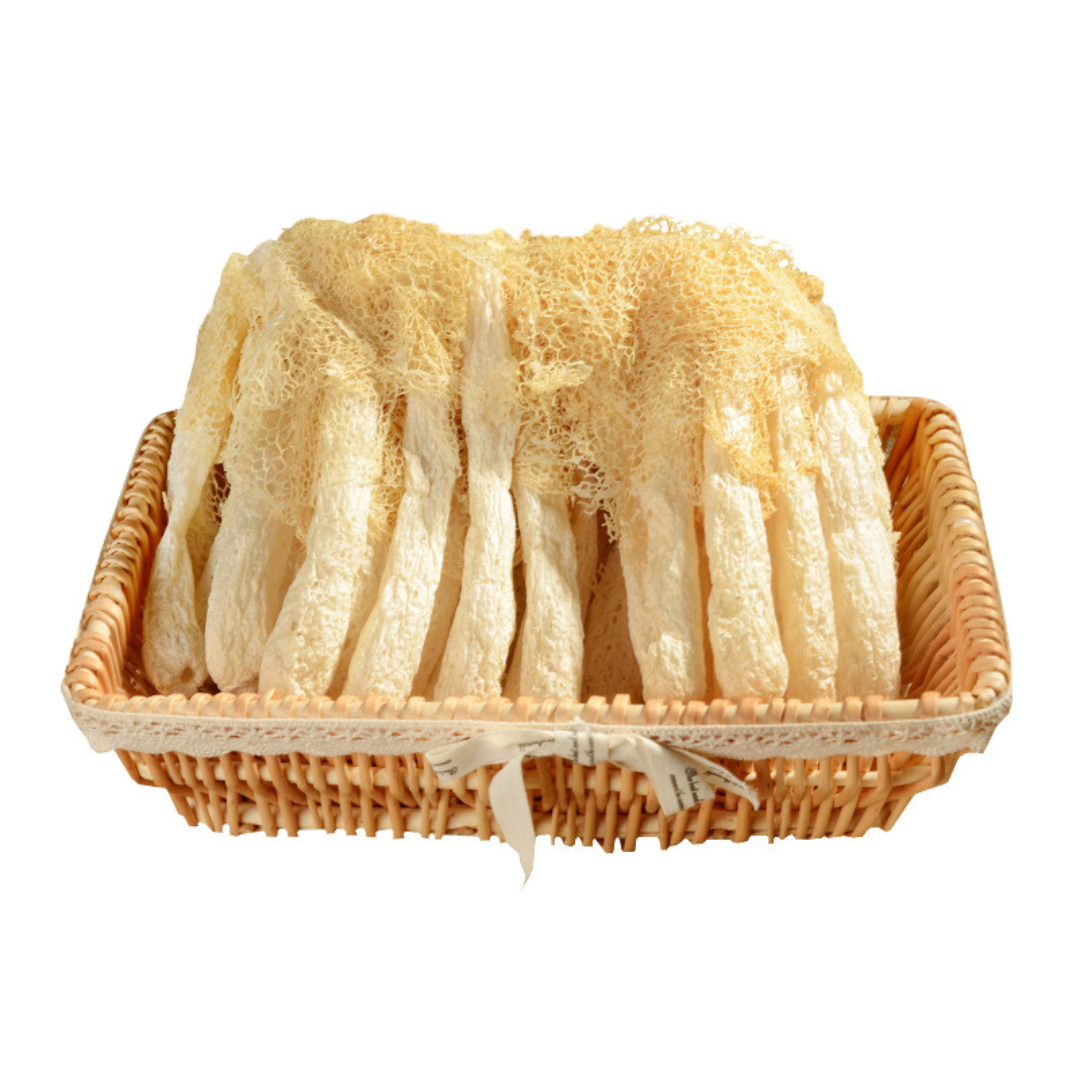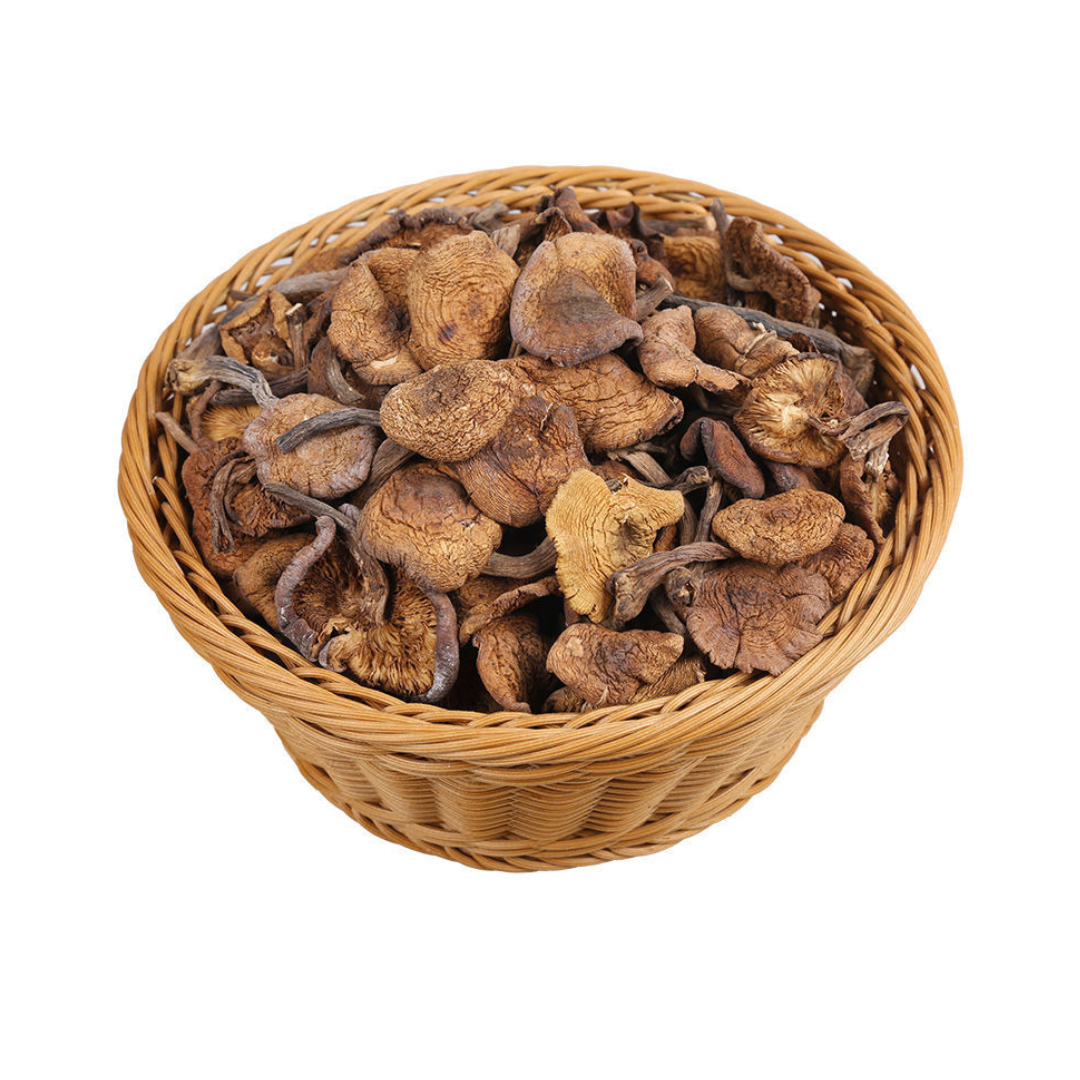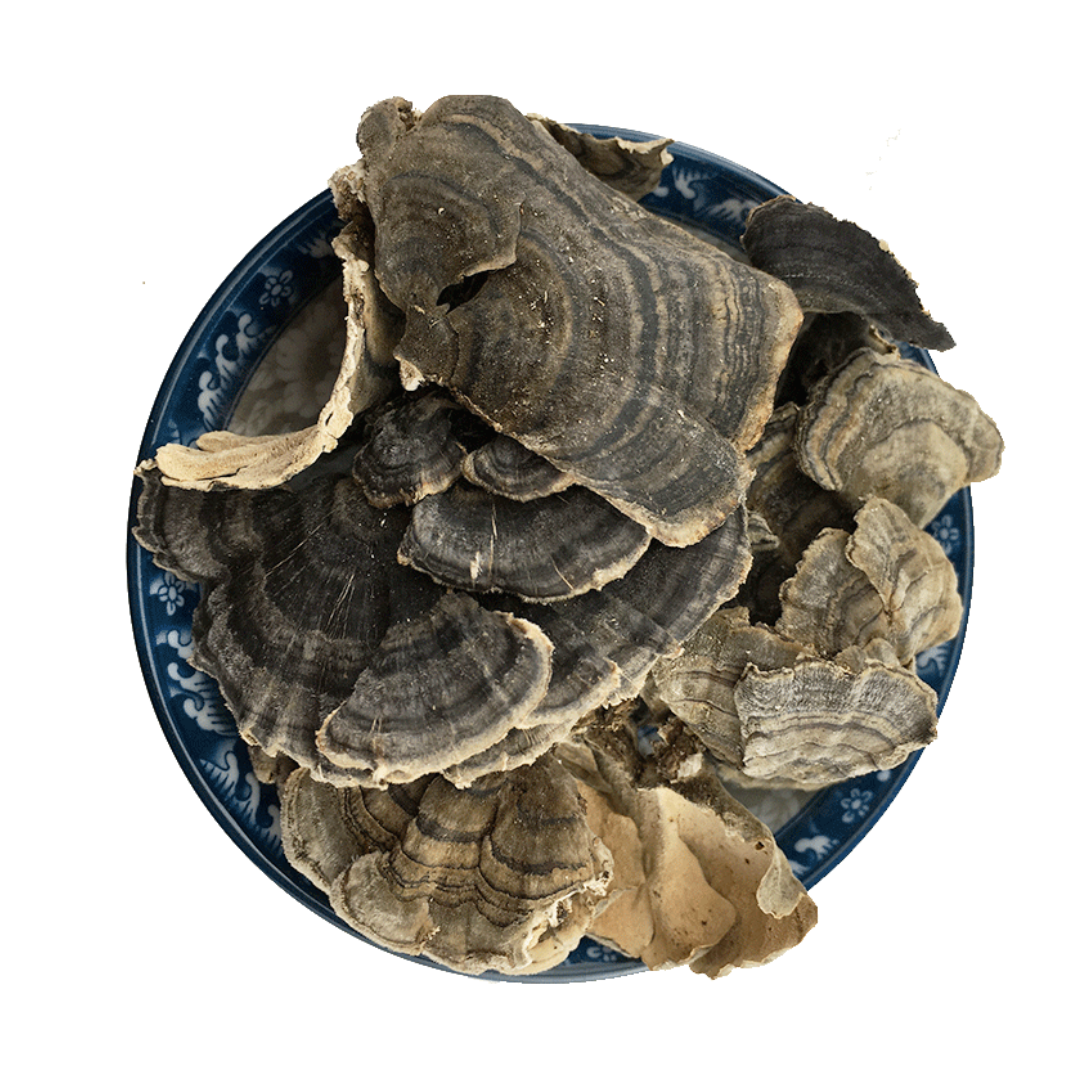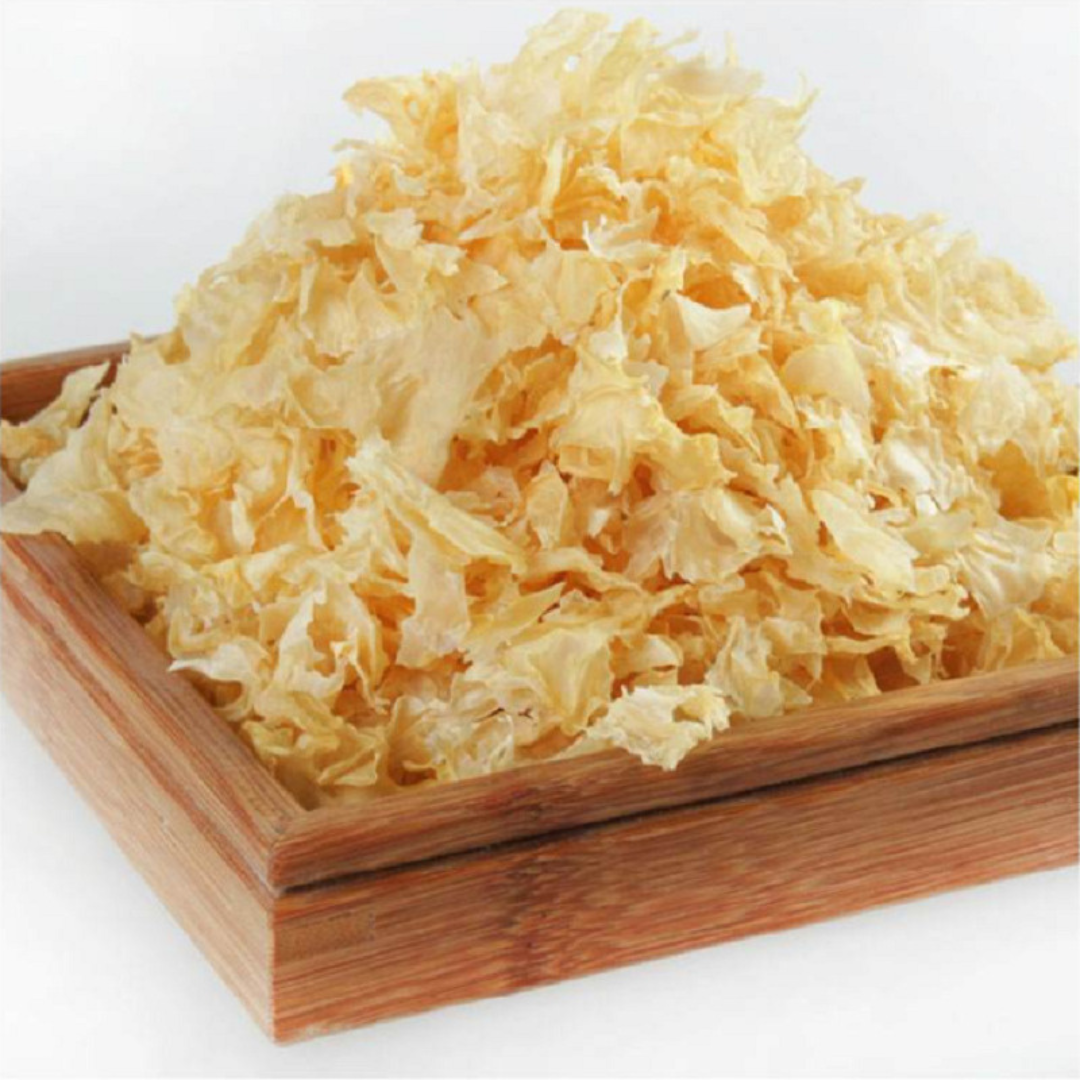


Product Introduction
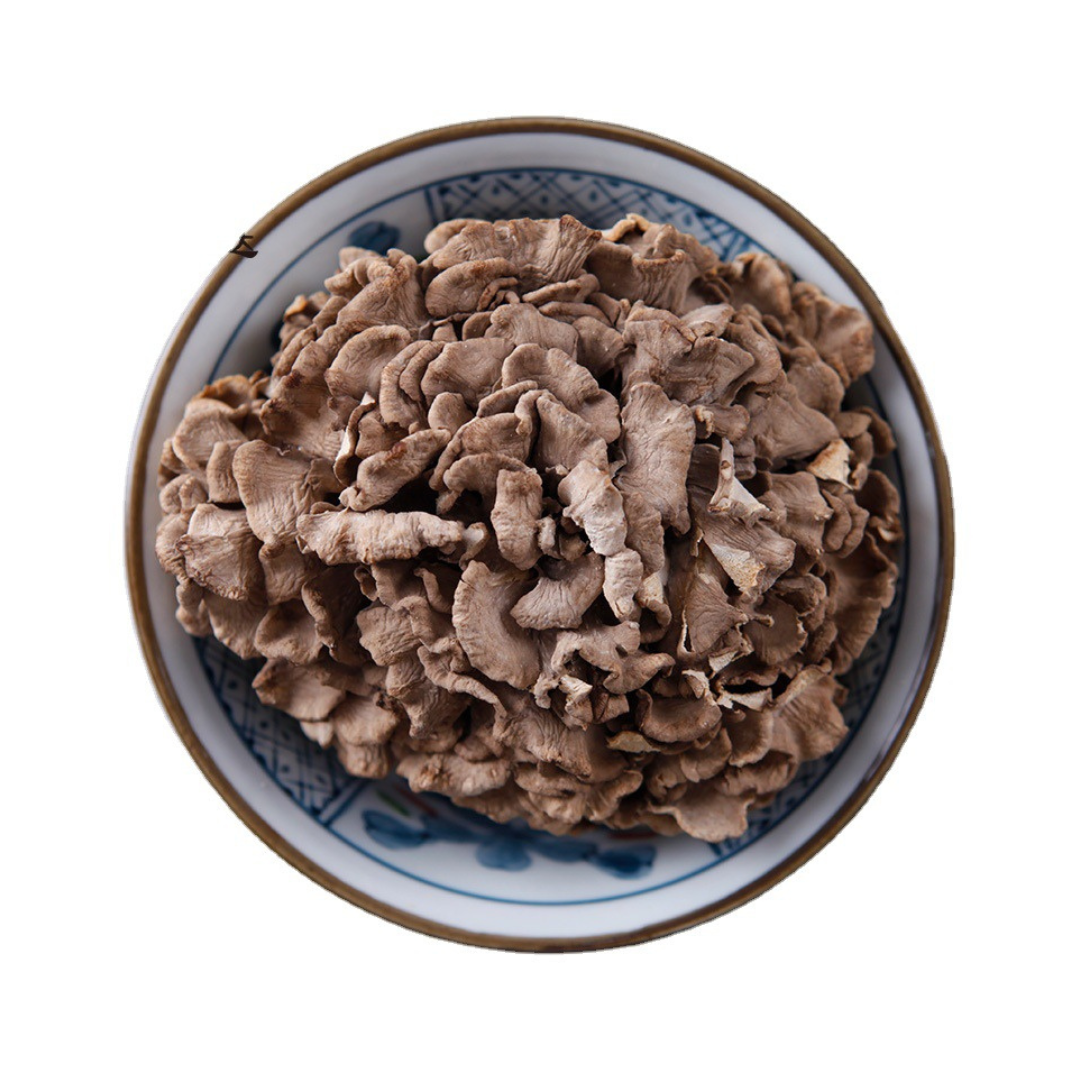
Grifola frondosa, commonly known as Maitake mushroom or Hen of the Woods, is a polypore mushroom that grows at the base of trees, particularly oaks. This mushroom is native to both Japan and North America, is highly valued for its culinary and medicinal properties, and it has been incorporated into traditional medicine for centuries, primarily in East Asia. Dehydrated Grifola frondosa retains many of the fresh mushroom's beneficial compounds while offering the convenience of extended shelf life and ease of use. The dehydration process concentrates its flavor and nutritional content, making it a versatile ingredient for various applications.
Production Process
The production of dehydrated Grifola frondosa begins with the careful selection of mature, high-quality mushrooms. Fresh Grifola frondosa mushrooms are harvested and cleaned to remove any dirt or debris. Next, the mushrooms are sliced to a uniform thickness to ensure even drying. The sliced mushrooms are then placed on trays and fed into industrial dehydrators, where they are exposed to controlled hot air.
The temperature and humidity are carefully monitored to optimize moisture removal while preserving the mushroom's flavor, color, and nutritional content. This process typically occurs at temperatures between 110°F to 130°F (43°C to 54°C) for several hours, depending on the initial moisture content and the desired dryness. After dehydration, the mushrooms are cooled and sorted to remove any pieces that do not meet quality standards. Finally, the dehydrated Grifola frondosa is packaged in airtight containers with moisture absorbers to maintain its dryness and prevent spoilage during storage.
Product Applications
Dehydrated Grifola frondosa has a wide range of applications due to its concentrated flavor and nutritional profile. In the culinary field, it is often rehydrated and added to soups, stews, and sauces, where it imparts a savory, umami-rich flavor. The dehydrated mushroom can also can be ground into a powder and used as a seasoning for meats and vegetables.
Beyond culinary uses, dehydrated Grifola frondosa is also popular in the nutraceutical and dietary supplement industries. It is often used in the preparation of herbal teas and extracts, which harness its potential health benefits. Studies suggest that compounds found in Grifola frondosa may support immune function, regulate blood sugar levels, and possess anti-cancer properties; however, more research is needed to confirm these effects. [1] The dehydrated form allows for easy incorporation into capsules, tablets, and powders, making it a convenient ingredient for various health products.
Packaging and Storage
Proper packaging and storage are crucial for maintaining the quality and extending the shelf life of dehydrated Grifola frondosa. The product is typically packaged in airtight, moisture-proof containers or bags, often with added desiccants or oxygen absorbers to prevent moisture regain and oxidation. Materials such as food-grade plastic, sealed foil, or glass jars are commonly used to ensure an effective barrier against environmental factors.
For optimal storage, dehydrated Grifola frondosa should be kept in a cool, dry, and dark environment, with temperatures ideally below 70°F (21°C). Exposure to heat, light, and humidity can degrade the product's quality, leading to loss of flavor, color changes, and potential spoilage. Stored properly, dehydrated Grifola frondosa can maintain its quality for 12-18 months. Regular inspection of the packaging for signs of damage or moisture is recommended to ensure the product remains in good condition.
Citations:
[1] Mayell, M. (2003). Maitake extracts and their therapeutic potential. Alternative Medicine Review, 8(2), 148-159.

As a sales manager, I’m here to make sure you get exactly what you need for your dietary supplements. From sourcing to delivery, I’m always by your side, ensuring smooth and friendly service. Let’s make your products even better! 🥰🌿