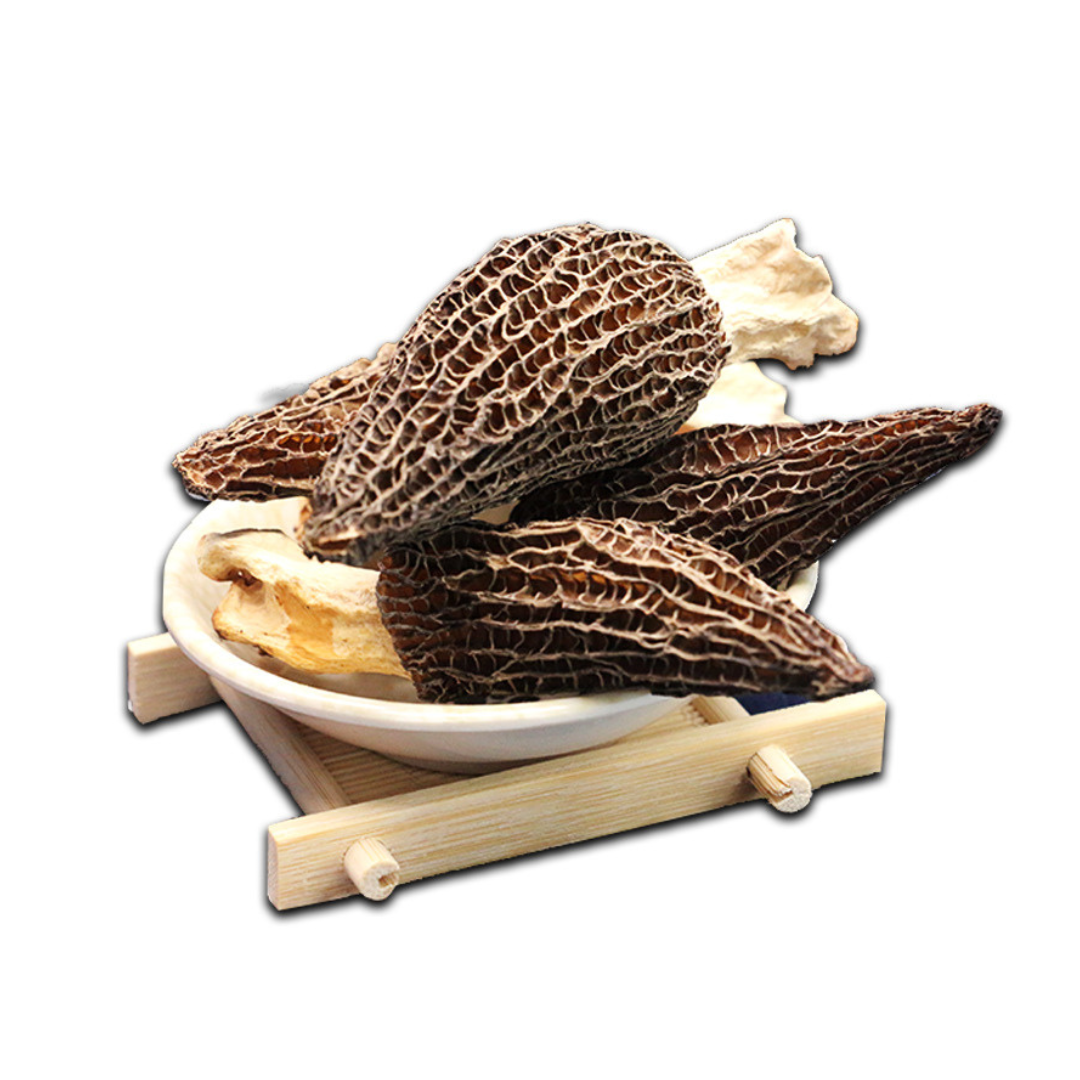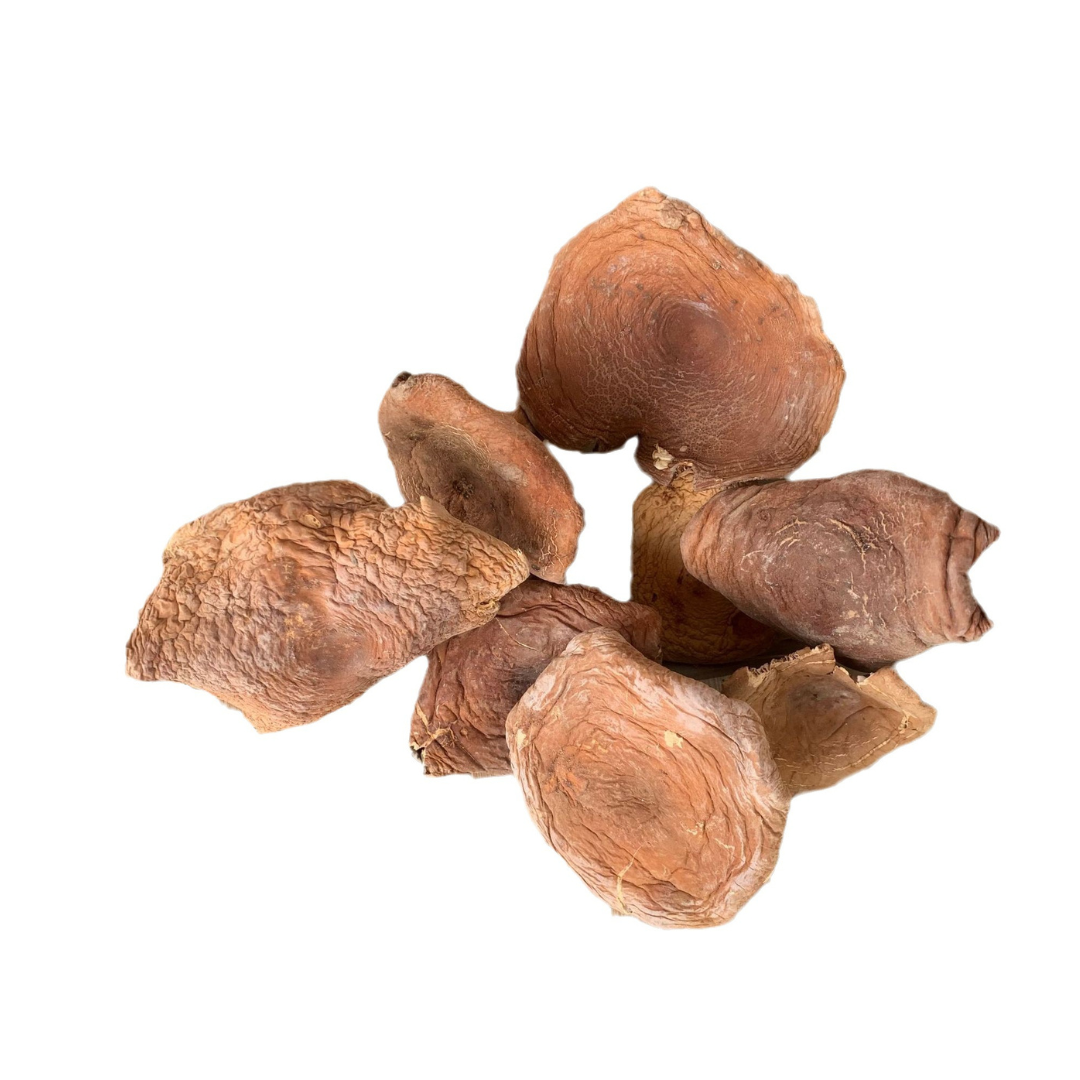


Product Introduction
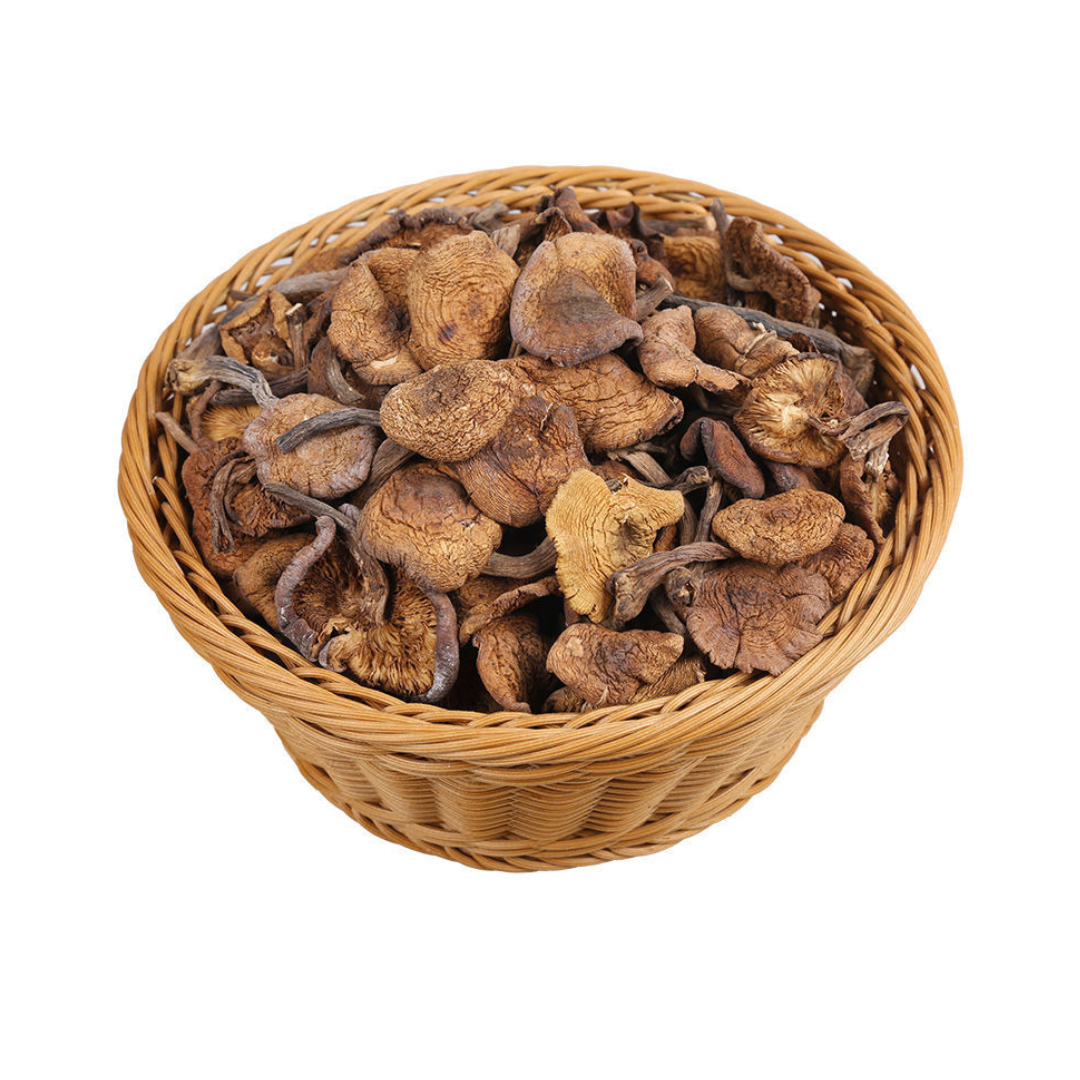
Lactarius species, commonly known as milk mushrooms, are ectomycorrhizal fungi, forming symbiotic relationships with the roots of various trees. These fungi are characterized by their milky latex, which is exuded when the mushroom is cut or broken. Dehydrated Lactarius spp. offers a convenient way to incorporate the mushroom's distinct flavor into culinary applications, extending its usability beyond the fresh season. The dehydration process concentrates the mushroom's natural flavors, resulting in a product with an intense umami profile, without any additives or preservatives.
Production Process
The production of dehydrated Lactarius spp. begins with the careful selection of fresh mushrooms. Typically, the mushrooms are harvested during their peak season to ensure optimal flavor and texture. Post-harvest, the mushrooms undergo a thorough cleaning process to remove any soil or debris. The mushrooms are then sliced to increase the surface area, facilitating efficient moisture removal during the drying stage. Industrial hot air dryers are used to dehydrate the mushrooms, with temperatures and airflow carefully controlled to prevent scorching and retain volatile flavor compounds (Sharma et al., 2017). Drying continues until the moisture content is reduced to a level that inhibits microbial growth, typically below 10% (Fellows, 2009). After dehydration, the product is cooled, inspected, and packaged, ready for distribution.
Product Applications
Dehydrated Lactarius spp. has versatile culinary applications. The product makes an excellent addition to soups, stews, and sauces, where its concentrated umami flavor is an excellent enhancer. It can be rehydrated in warm water before use, and the resulting liquid can be used as a flavorful broth. The dehydrated mushrooms are also suitable as a primary ingredient in vegetarian and vegan dishes, such as mushroom stroganoff or risotto, adding depth and complexity. Additionally, the product can be ground into a powder and used as a seasoning for meats, vegetables, and other dishes, providing a savory boost.
Packaging and Storage
Proper packaging and storage are critical to maintaining the quality and extending the shelf life of dehydrated Lactarius spp.. The product should be packaged in airtight, moisture-proof containers to prevent rehydration and maintain its dry state (Robertson, 2010). Suitable packaging materials include glass jars, plastic containers with tight-fitting lids, and vacuum-sealed bags. The packaging should also protect the product from light exposure, which can degrade flavor and color over time. The packaged product should be stored in a cool, dark, and dry environment, ideally at temperatures below 20°C. Under these conditions, dehydrated Lactarius spp. can maintain its quality for up to 12-18 months (Ryder, 2014), extending its usability and reducing waste.
Citations:
Fellows, P. J. (2009). Food processing technology: Principles and practice. Woodhead Publishing.
Robertson, G. L. (2010). Food Packaging: Principles and Practice. CRC press.
Ryder, D. (2014). Hygiene in food processing. Elsevier.
Sharma, A., et al. (2017). "Effect of drying methods on the bioactive compounds and antioxidant activity of mushrooms." Journal of Food Science and Technology, 54(10), 3096-3105.

As a sales manager, I’m here to make sure you get exactly what you need for your dietary supplements. From sourcing to delivery, I’m always by your side, ensuring smooth and friendly service. Let’s make your products even better! 🥰🌿