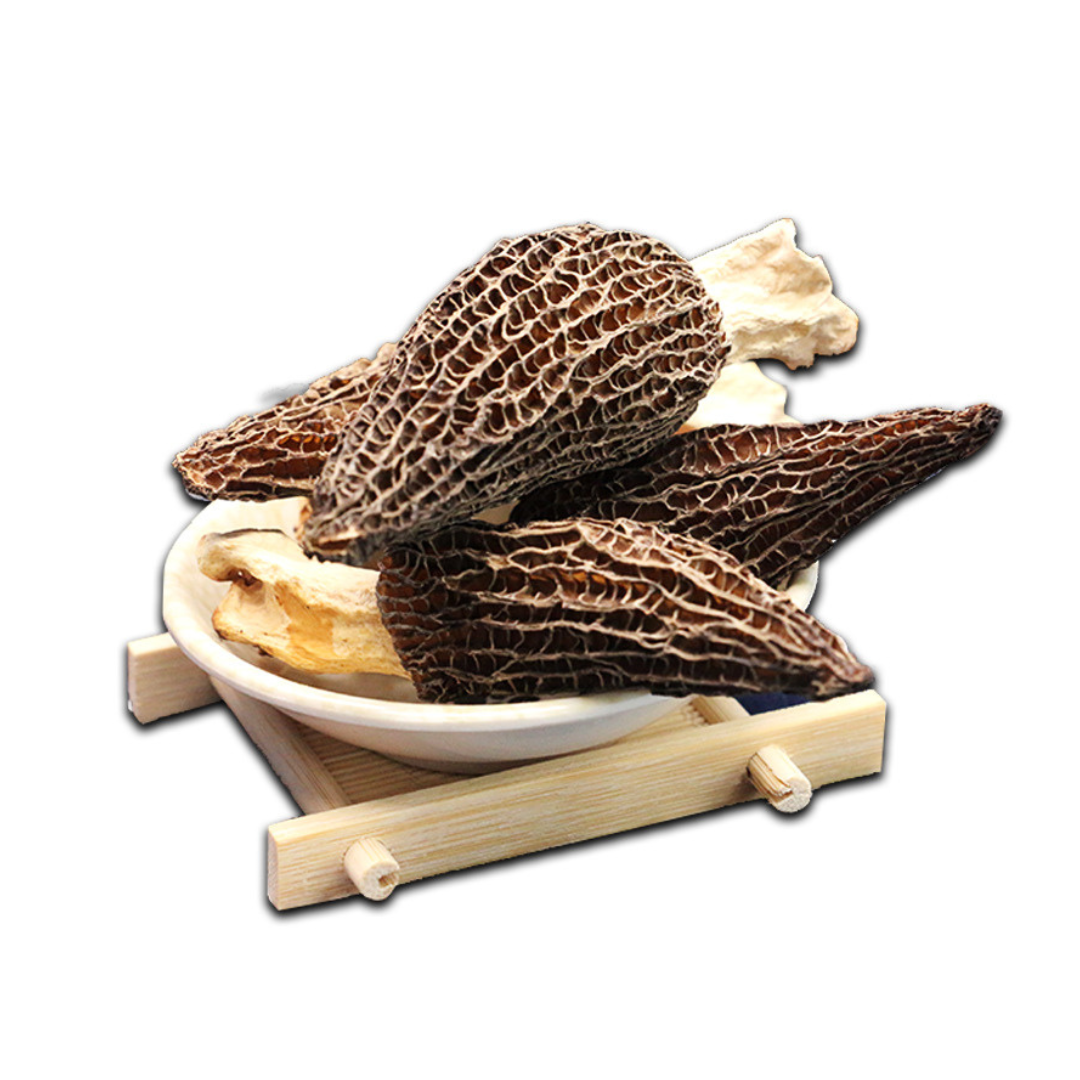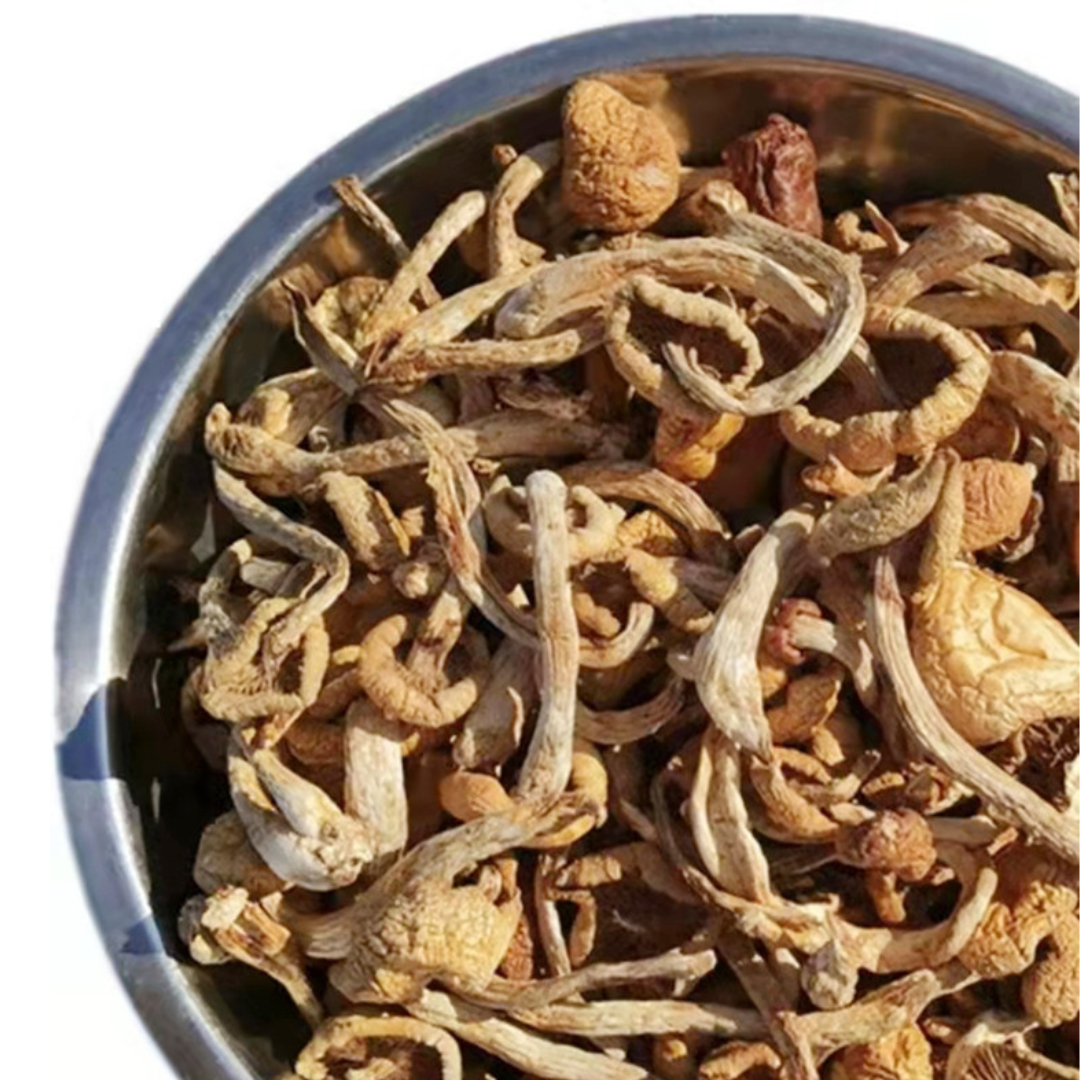


Product Introduction
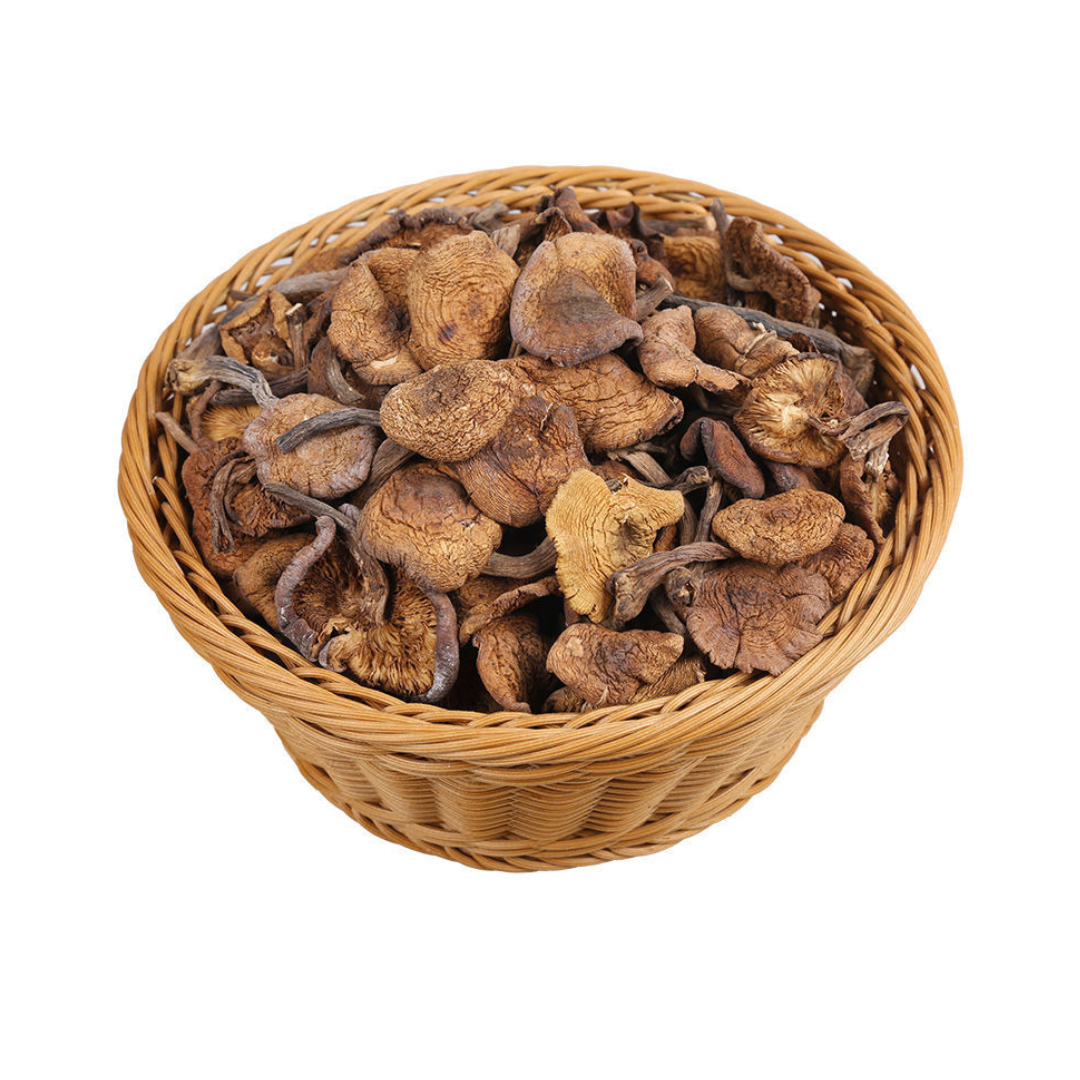
Dehydrated nameko mushrooms, scientifically known as Pholiota nameko, are a popular ingredient in East Asian cuisine. These mushrooms are valued for their small size, amber color, and slightly gelatinous texture once rehydrated. The dehydration process extends the shelf life of the mushrooms, making them a convenient pantry staple, without sacrificing their flavor, or, nutritional value. Commonly used in soups, stir-fries, and sauces, dehydrated nameko mushrooms add a unique umami flavor and textural element to dishes. The mushrooms are particularly popular in Japan, China, and Korea.
Production Process
The production of dehydrated nameko mushrooms involves several key steps, starting with the selection of high-quality fresh nameko mushrooms. After harvesting, the mushrooms are thoroughly cleaned to remove any dirt or debris. The mushrooms are then sliced or left whole, depending on the desired final product. Drying is used to reduce the moisture content to a level that inhibits microbial growth and enzymatic activity. The most common method is hot air drying, where the mushrooms are spread on trays and exposed to warm air until the moisture content is reduced to around 10-12%. Regular monitoring, of temperature and humidity, is imperative. Once dried, the mushrooms are sorted, inspected for quality, and packaged for distribution, ready for consumer usage by being incorporated into a variety of dishes.
Product Applications
Dehydrated nameko mushrooms have versatile applications in cooking. In Japanese cuisine, they are a staple ingredient in miso soup, adding a savory flavor and thickening the broth. They can also be added to stir-fries, noodle dishes, and hot pots, as well as, sauces, enhancing the overall umami profile of the dish. To use, the dehydrated mushrooms are typically rehydrated by soaking them in warm water for about 20-30 minutes, until, they regain their original texture and plumpness. They can then be added to recipes directly, or, sautéed for extra flavor. The rehydration liquid can also be used as a flavorful base for sauces and soups, enhancing their umami profile.
Packaging and Storage
Packaging and storage are important, to maintain the quality and extend the shelf life of dehydrated nameko mushrooms. The mushrooms should be packaged in airtight containers or resealable bags, to protect them from moisture and air exposure. Proper sealing prevents reabsorption of moisture, which can lead to spoilage and loss of flavor. It is best to store the packaged mushrooms in a cool, dry place, away from direct sunlight and heat also, high humidity. A pantry or cupboard, away from the stove or refrigerator, is usually a suitable location. When stored correctly, dehydrated nameko mushrooms can last for up to 12-18 months, retaining their flavor and nutritional properties.
Citations:
- Food and Agriculture Organization of the United Nations. (1995). Storage of foods.
- Japan Dried Mushroom Research Institute. (n.d.). Nameko Mushrooms.
- Song, L., et al. (2021). "Effect of different drying methods on the nutritional composition and antioxidant activity of Pholiota nameko." LWT - Food Science and Technology, 135, 110266.

As a sales manager, I’m here to make sure you get exactly what you need for your dietary supplements. From sourcing to delivery, I’m always by your side, ensuring smooth and friendly service. Let’s make your products even better! 🥰🌿